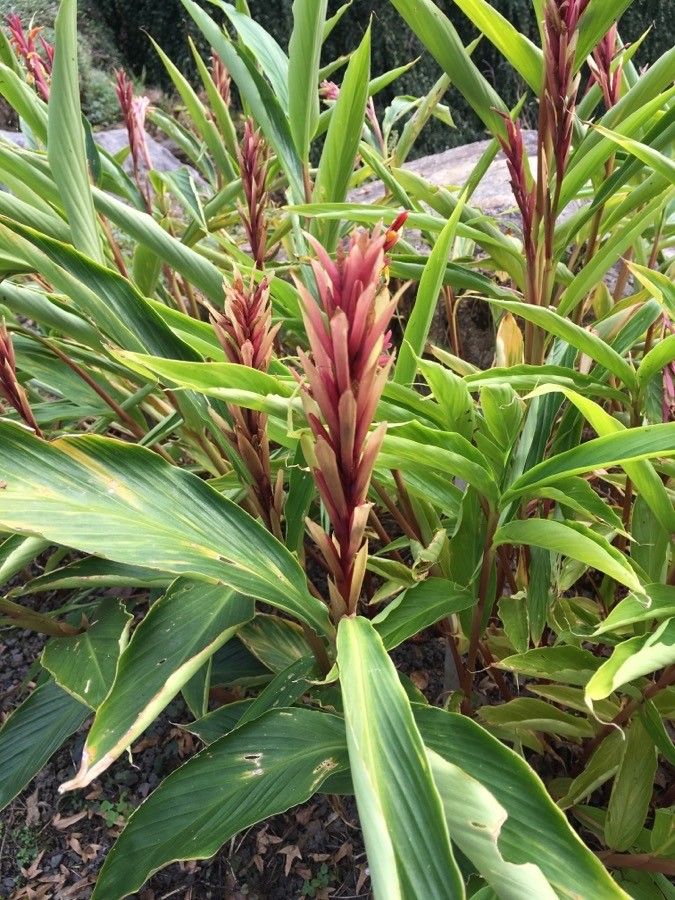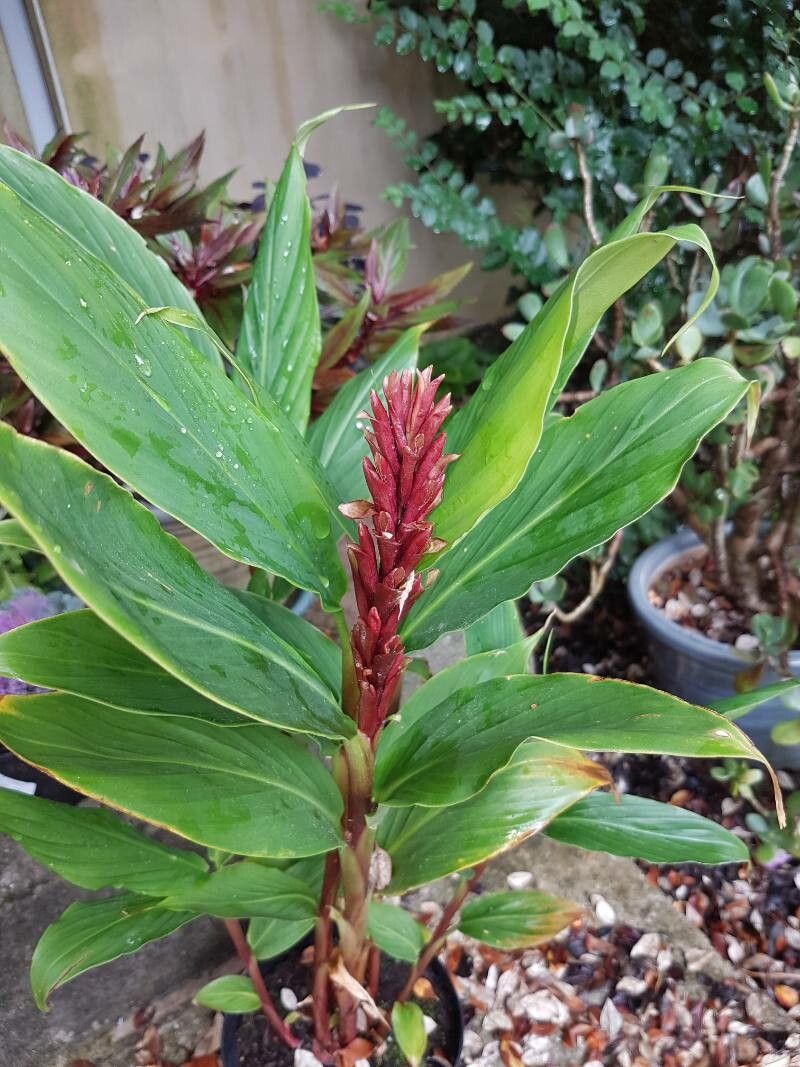
Cautleya spicata is a perennial herbaceous plant in the family Zingiberaceae (the gingers). It is found in the Himalayas through to China (Yunnan). It is cultivated as an ornamental garden plant, hardy to a few degrees of frost.
Hardy shade ginger has strong disease resistance and typically is not prone to illness. However, it can be vulnerable to pests and diseases present in its environment. These problems are usually minor. In terms of care, this plant requires moderate maintenance. It should be pruned regularly to maintain an attractive appearance and healthy growth. Fertilizing can also help encourage flowering. Hardy shade ginger is suitable for anyone with outdoor space, such as a garden or patio, and does not demand extensive care experience. It may require more attention when grown indoors.
How to keep Cautleya Spicata.
Light
Hardy shade ginger thrives in filtered light similar to the dappled illumination of forest floors, its original habitat. It can tolerate brighter light but may show stress symptoms, such as leaf scorch. Light intensity strongly affects the plant's health and development at every stage.
Temperature
Hardy shade ginger comes from temperate regions and grows best at temperatures between 59 and 95 °F (15 and 35 °C). In hotter months, it is advisable to provide partial shade to recreate the cool forest conditions of its native habitat.
Fertilizer
For Hardy shade ginger, the primary time to apply fertilizer is in early spring when flowers are forming. The appropriate fertilizer promotes better blooms and helps Hardy shade ginger produce attractive flowers. Fertilizing in early spring ensures strong flowers through the season and supplies energy for dormant growth phases.
Pruning
The hardy shade ginger displays vibrant flowers and lush foliage. To keep it healthy, prune any dead leaves and spent flower stalks from early to late spring during its growth phase. Regular trimming not only improves air circulation but also reduces the risk of disease. Be sure to use clean, sharp tools for effective maintenance.
Botanical profile.
- Plant Type
- Herb
- Life Cycle
- Perennial
- Genus
- Cautleya
- Family
- Zingiberaceae
- Hardiness Zone
- 7-10
- Mature Height
- 76 cm
- Mature Spread
- 49 cm
- Leaf Color
- Green
- Leaf Type
- Deciduous
- Flower Color
- Yellow, Orange
- Flower Size
- 3.05 cm to 5.08 cm
- Bloom Time
- Summer, Early fall
- Planting Time
- Spring, Summer, Autumn
- Harvest Time
- Fall
- Native Area
- Nepal, India, Vietnam, Bhutan, China
Reader questions.
What kind of sunlight does Hardy shade ginger need?
Hardy shade ginger, or Cautleya spicata, necessitates environments that emulate the dappled light found in forest floors, thriving under filtered illumination reminiscent of its natural habitat. This plant can manage conditions of fuller light; however, signs of stress such as leaf scorch can manifest. It's crucial to observe how sunlight traverses your garden, aiming to position your plants in locales that furnish an optimal mix of luminosity and shade, hence fostering their well-being.
What is hardy shade ginger, and where is it indigenous to?
Hardy shade ginger, known botanically as Cautleya spicata, is indigenous to temperate climates. It thrives optimally in conditions ranging between 59 to 95 °F (15 to 35 °C), reflecting its adaptation to cooler forest environments in its native habitat.
How does artificial lighting benefit indoor plants?
Indoor plants greatly benefit from artificial lighting, especially when natural sunlight is scarce, such as during winter or in less sunny areas. Artificial lights, particularly LED lights, are instrumental because they can be adjusted to supply the specific wavelengths needed by your plants. For optimal growth, full sun plants need 30-50W/sq ft of light, partial sun plants require 20-30W/sq ft, and full shade plants should get 10-20W/sq ft. The correct positioning involves placing the light source 12-36 inches above the plant, mimicking natural sunlight conditions. Additionally, mimicking the natural daylight duration, most plants will thrive on 8-12 hours of light per day.
How does hardy shade ginger react to temperature changes?
Hardy shade ginger is notably cold-resistant, thriving best in temperatures above 15°C and can withstand winters without special frost protection measures down to -15°C. However, protection like covering with soil or straw is advisable if temperatures drop below this point. During summer, it is best kept below 35°C to avoid the leaves becoming lighter in color, curling, or the plant wilting and drying out in extreme heat over 41°C.
What are the symptoms of insufficient light in Hardy shade ginger?
When Hardy shade ginger is kept in low light conditions, various symptoms may indicate light deficiency such as smaller new leaves than previous ones, leggy or sparse growth, preterm leaf shedding to save resources, delayed or halted growth due to energy conservation, pale new leaves showing chlorophyll and nutrient deficiency, and symptoms like chlorosis, sunscald, leaf curling, wilting, and leaf scorching indicating overexposure to sunlight or insufficient light handling capacities.
What care does hardy shade ginger require in different seasons?
In hotter seasons, it's recommended to provide partial shade for hardy shade ginger to mimic its native, cool forest conditions, especially when temperatures soar above its optimal range. Before the first freeze of autumn, water the plant abundantly to keep the soil moist, aiding it through winter and early spring. During winter, if temperatures are expected to fall below -15°C, ensure to protect the plant against the cold.
How can I address light deficiency problems in Hardy shade ginger?
To mitigate light deficiency issues in Hardy shade ginger, indoor plants can be gradually shifted to progressively sunnier spots, ensuring they receive 3-6 hours of direct sunlight daily, or utilize artificial lighting, like keeping a lamp on for at least 8 hours or using professional grow lights for adequate exposure. For outdoor plants, it's important to transition them gently into sunnier areas to prevent shock or sunburn. Additionally, reducing obstructions that limit sunlight exposure, such as pruning obstructive branches or relocating smaller plants during their dormant period to brighter locations, can significantly improve sunlight access.
What should you do if the hardy shade ginger shows symptoms of temperature stress?
If the hardy shade ginger experiences low temperatures below -15°C without visible symptoms but fails to sprout in spring, remove the un-sprouting parts. For high-temperature stress, indicated by lighter leaf coloration, curling, or complete wilting, trim away the affected areas. Moving the plant to a shadier spot or using a shade cloth, along with watering in the morning and evening, can help mitigate this stress.