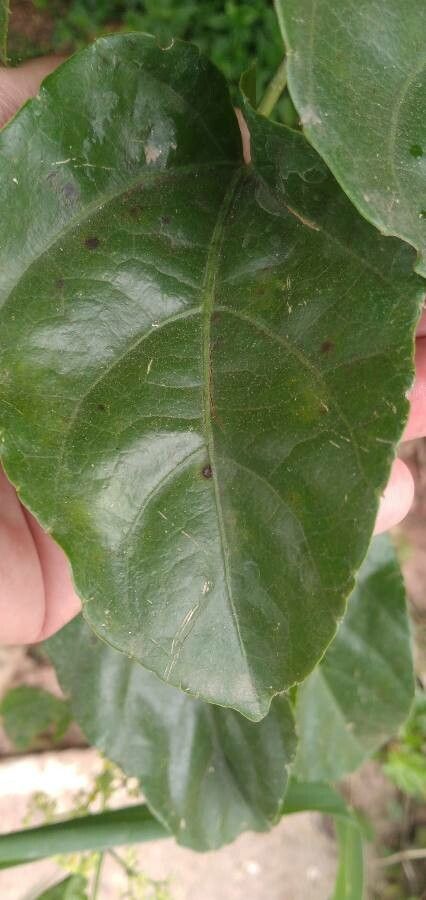
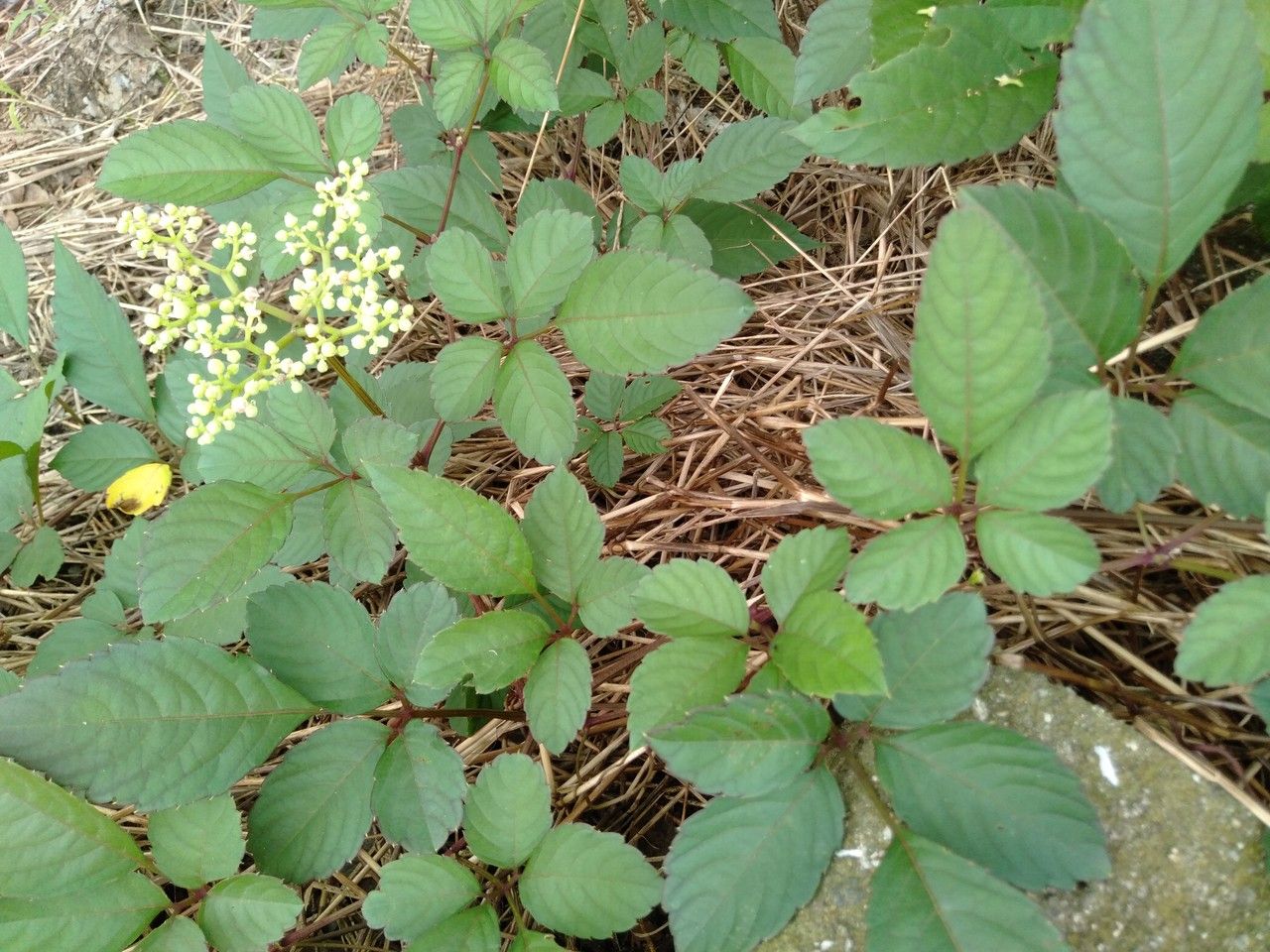
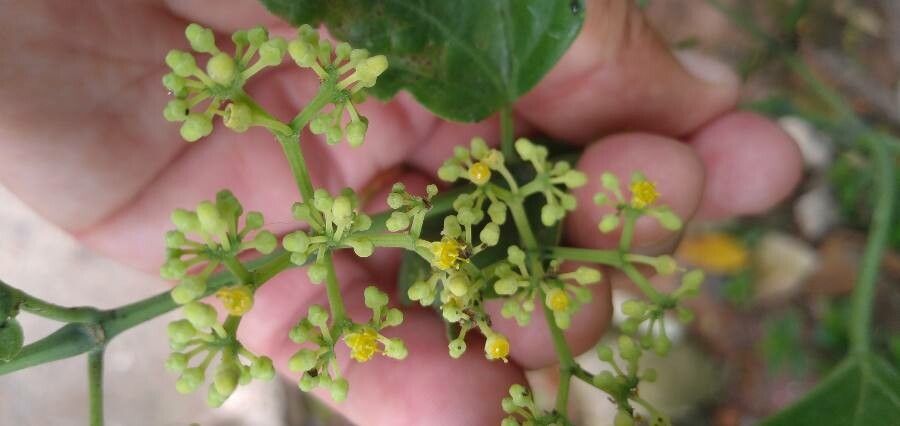
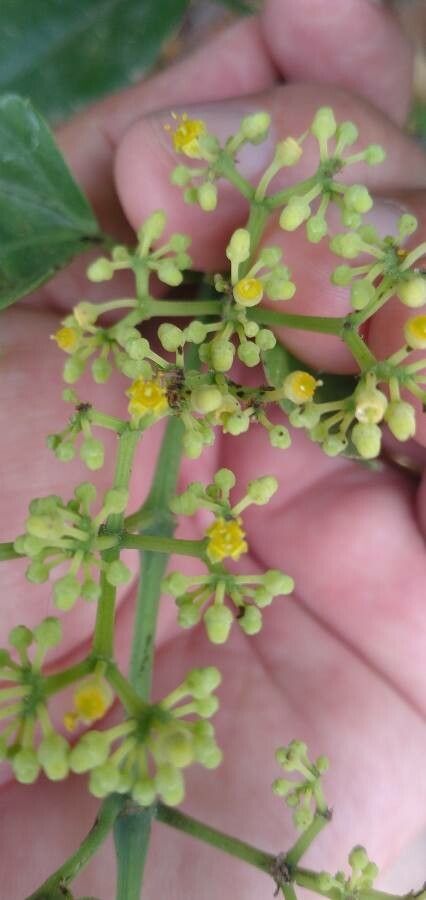
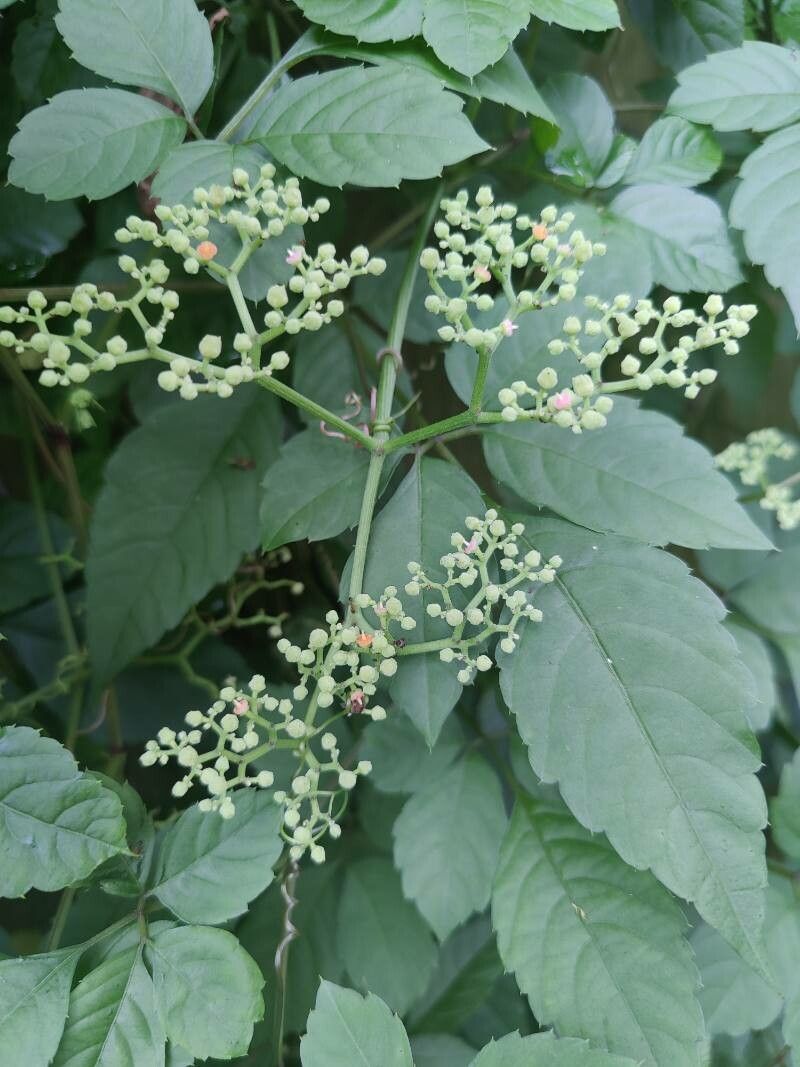
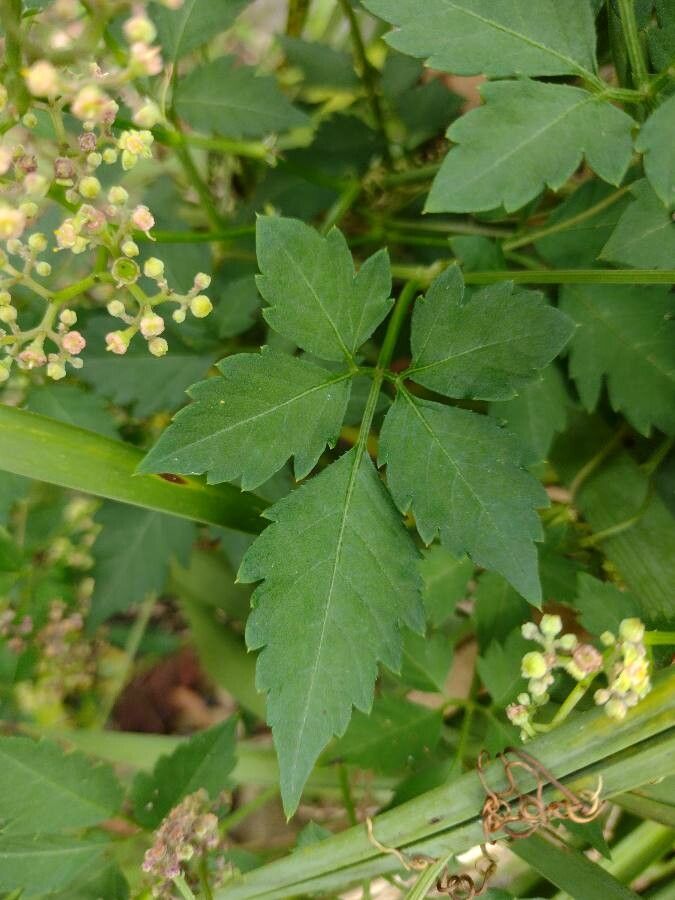
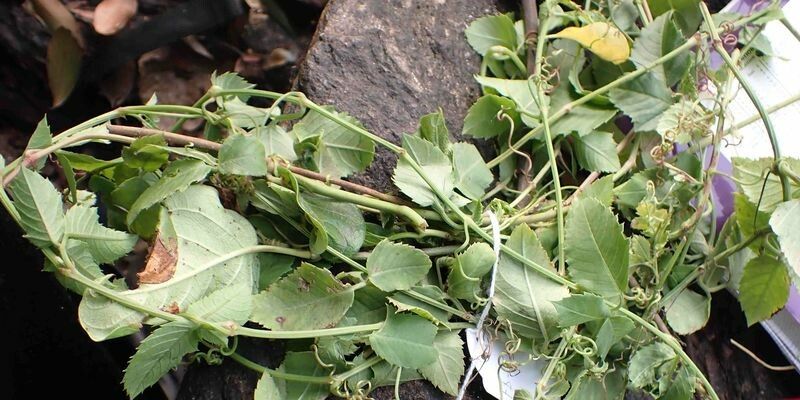
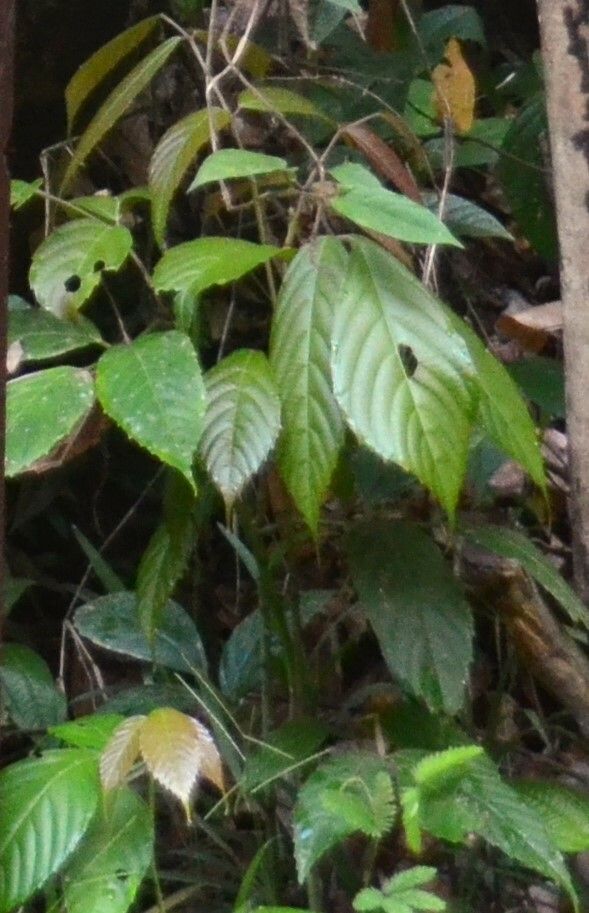
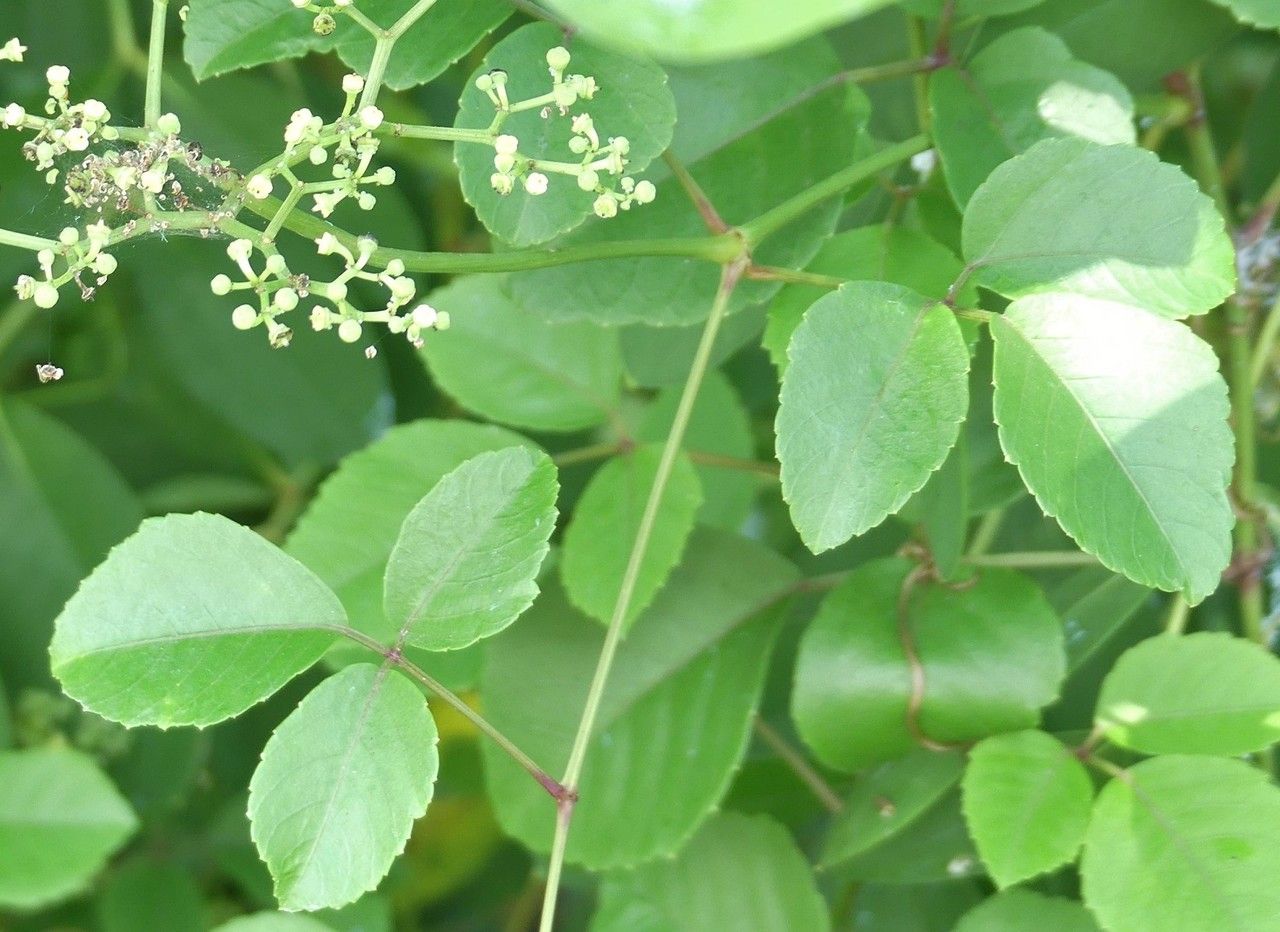
Causonis japonica (also known by its synonym Cayratia japonica and common names bushkiller, yabu garashi and Japanese cayratia herb) is the type species of vine plant in its genus and is native to Tropical and Subtropical Asia, Australia and the West Pacific. It is used as a traditional Chinese medicine to relieve swelling and heat, and to enhance diuresis and detoxification.
Bushkiller is named for its ability to compete aggressively with native plants in North America, often causing harm by stressing and weighing down trees. This invasive species is not only potentially deadly but also remarkably resilient, as it can regenerate from its roots.
Bushkiller has strong resistance to disease and is typically not vulnerable to illnesses. Still, it can be affected by pests and diseases present in its environment, though such infections are generally mild. Regarding care, this plant needs a moderate level of maintenance. It should be pruned regularly to preserve a tidy appearance and encourage healthy growth. Applying fertilizer can also support better flowering. Bushkiller is appropriate for anyone with outdoor space, like a garden or patio, and does not demand extensive gardening experience. It may need more attention if cultivated indoors.
How to keep Cayratia Japonica.
Light
Bushkiller requires plentiful sunlight to achieve optimal growth. It can tolerate sites that receive only about half a day's sun, but that can harm its overall health. In its native habitat it gets significant sun exposure; without that it may show reduced vigor or produce weak stems.
Water
Bushkiller thrives in consistently moist environments and prefers stable humidity levels, although it can tolerate drought conditions to some extent. For optimal growth, water it weekly and increase humidity during the active growing season to enhance its health and vitality, both indoors and outdoors.
Temperature
Bushkiller originates from habitats where temperatures range from 68 to 100.4 °F (20 to 38 ℃). It favors moderately warm conditions, so timely adjustments in response to seasonal changes are necessary to ensure optimal growth.
Fertilizer
Bushkiller needs the most fertilizer during its active growth period, which mainly occurs in spring, summer, and early fall. Fertilizing supplies essential nutrients the soil may lack, supporting healthy root and stem development and promoting attractive foliage, a key characteristic of this plant.
Botanical profile.
- Plant Type
- Herb
- Life Cycle
- Perennial
- Genus
- Cayratia
- Family
- Vitaceae
- Hardiness Zone
- 9-11
- Mature Height
- 2.13 m to 3.05 m
- Mature Spread
- 6.1 m to 9.14 m
- Leaf Color
- Green, Red
- Leaf Type
- Deciduous
- Flower Color
- Yellow, Pink, Green, Gold
- Flower Size
- 0.51 cm
- Bloom Time
- Early summer, Mid summer
- Planting Time
- Spring, Summer, Autumn
- Harvest Time
- Mid summer
Other names.
Reader questions.
What are the sunlight requirements for Bushkiller plants?
Bushkiller plants thrive in abundant sunlight and are ideally exposed to full sun, meaning above 6 hours of sunlight daily, for optimum growth. They can still grow in partial sun, about 3-6 hours of sunlight, but with a possible negative impact on their overall health. Observing how sunlight moves through your garden helps in selecting spots that provide the right balance of light and shade, ensuring the plants' happiness and health.
What are the ideal temperature conditions for Bushkiller?
Bushkiller thrives in environments where temperatures fluctuate between 68 to 100.4 °F (20 to 38 °C), favoring moderately warm conditions. It is crucial to adjust care timely according to seasonal changes to promote optimal growth. This plant is extremely heat-loving, but sensitive to cold. During autumn, it's advised to bring Bushkiller indoors, placing it near a bright window but away from heaters to maintain a temperature above 20°C. Keeping the temperature above this threshold is beneficial during winter, as temperatures nearing 0°C can be detrimental to the plant.
How does the native habitat of Bushkiller influence its sun exposure needs?
The native habitat of the Bushkiller plant, Cayratia japonica, has a considerable influence on its sun exposure needs. This plant naturally grows in environments with ample sunlight, and lacking this, it may exhibit less vigorous growth or develop weak stems. It's essential for Bushkiller plants to receive enough sunlight, mimicking their native habitat conditions, to maintain robust growth and health.
How does low temperature affect Bushkiller, and what should be done?
Bushkiller prefers warm temperatures and does not tolerate cold well, thriving best when the temperature is above 20°C and kept above 0°C during winter. Exposure to temperatures below -5°C can cause the leaves to lighten in color, which after frost damage gradually turns brown or black. Symptoms like wilting and drooping may occur. To combat this, trim off the frost-damaged parts and immediately move the plant to a warm environment indoors. It should be placed near a south-facing window for ample sunlight, avoiding placement near heaters or air conditioning vents to prevent the air from becoming excessively dry.
What solutions are available for Bushkiller plants with insufficient sunlight?
For Bushkiller plants receiving insufficient sunlight, several solutions can help optimize their growth. Indoors, gradually move plants to a sunnier location each week until they receive at least 6 hours of direct sunlight daily, using a south-facing window and keeping curtains open during daylight. For plants that are large or not easily movable, consider using artificial light, keeping a desk or ceiling lamp on for at least 8 hours daily or investing in professional plant grow lights. Outdoors, gradually move plants to sunnier spots to avoid sudden exposure that could result in sunburn. If physical obstructions like trees block sunlight, prune branches and leaves to allow sunlight through. For smaller plants, consider transplanting during the dormant period into a location with ample sunlight and good drainage.
What should be done if Bushkiller is affected by high temperature?
During summer, it's crucial to keep Bushkiller's temperature below 38°C, as temperatures exceeding 43°C can lighten the color of the leaves and make the plant more susceptible to sunburn. If affected, trim away the sunburned and dried-up parts. Then, relocate the plant to a location that offers shade from the midday and afternoon sun. To assist in temperature management, water the plant during the cooler parts of the day, such as in the morning and evening, to keep the soil consistently moist.
How can artificial lighting support Bushkiller's growth when natural sunlight is insufficient?
When natural sunlight is insufficient for Bushkiller plants, especially indoors or during less sunny seasons, artificial lighting can be a vital solution. Using the right type of artificial light, such as LED lights, helps provide the specific wavelengths needed for optimal plant growth. Full sun plants require 30-50W/sq ft, partial sun plants 20-30W/sq ft, and full shade plants 10-20W/sq ft of artificial light. Positioning the light source 12-36 inches above the plant mimics natural sunlight, and ensuring 8-12 hours of light per day meets most plant species' needs for healthy development.
What are the symptoms of insufficient sunlight in Bushkiller plants?
Insufficient sunlight in Bushkiller plants leads to various growth issues and health symptoms. These include smaller new leaves, leggy or sparse growth, faster leaf drop, slower or no new growth, lighter-colored new leaves, and conditions like chlorosis, where leaves lose their green color and turn yellow. Additionally, excessive sunlight can cause symptoms like sunscald, leaf curling, wilting, and leaf scorching, indicating damage to plant tissues and a need to adjust light exposure for optimal health.