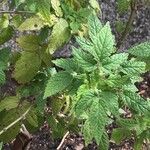
Cedronella canariensis
Balm-of-Gilead · Canary Islands balm · Canary balm · Herb of Gilead · Balm of Gilead (Fake)
Description
Source: leafsnapCedronella canariensis, commonly known as Canary Balm or Balm of Gilead, is a perennial herbaceous plant that belongs to the mint family. Native to the Canary Islands, it can grow up to 1 meter tall. This plant is characterized by its strong aromatic scent and small pink or purple flowers, which bloom in the summer. Traditionally, Cedronella canariensis has been valued for its medicinal properties, particularly for its calming and relaxing effects on the nervous system. It is also believed to possess anti-inflammatory properties that may help alleviate pain and swelling. Beyond its medicinal uses, Cedronella canariensis is often grown as an ornamental plant in gardens, thanks to its attractive foliage and flowers. It thrives in well-drained soil with full sun exposure but can also tolerate partial shade. In summary, Cedronella canariensis is a versatile plant with both medicinal and ornamental applications, adding beauty and potential health benefits wherever it grows.
Care Guide
💧 Water Every 7 days
Canary Islands-balm, native to the Canary Islands, thrives in humid environments and has moderate drought tolerance. It requires weekly watering to maintain adequate moisture and can adapt to seasonal rainfall. However, it's important to ensure proper drainage to prevent root rot.
How should I water my Canary islands-balm plant?
To successfully water the Canary islands-balm, it is recommended to use filtered water at room temperature. Tap water may contain harmful particles, so filtering it is preferable. The Canary islands-balm is accustomed to a warm environment, hence why it is best to avoid using cold water, as it can be a shock to the plant. It is also important to avoid overhead watering, as it can lead to issues with the foliage. Instead, simply apply filtered room temperature water directly to the soil until it is thoroughly soaked. This allows the roots to absorb moisture and continue to spread throughout the soil, gathering the necessary nutrients.
What do I do if I give too much or too little water to my Canary islands-balm plant?
Overwatering is a common issue for Canary islands-balm plants and can cause wilting, yellowing leaves, and diseases like root rot, mold, and mildew. Underwatering is less common but can cause brittle, brown leaves. It's important to recognize the signs of overwatering early and reduce watering immediately. Check the soil drainage and replace with a well-draining potting mix if needed. If underwatering is the problem, simply water more regularly until the signs disappear.
How frequently should I water my Canary islands-balm plant?
If your Canary islands-balm plant is in a pot, you can determine if it needs watering by checking the soil with your finger. If the top two to three inches of soil are dry, it's time to water it. If you grow the plant outdoors in the ground, you can use the same method. When the top few inches of soil are dry, it's time to water. In the spring and early fall, you may need to water once a week using this method. During extremely hot weather, you might have to water twice or more per week. However, mature and well-established Canary islands-balm plants have a strong ability to withstand drought.
How much water does my Canary islands-balm plant need?
When watering your Canary islands-balm, don't hold back on the amount of water you give it. Wait until the top two to three inches of soil are dry, then give it a thorough watering. Make sure the water soaks the soil completely and flows out through the drainage holes at the bottom of the pot. If you don't see water draining from the pot, you probably didn't give enough water. However, be careful not to let water accumulate in the soil, as this can be harmful to the plant. On the other hand, if water doesn't drain properly, it could indicate poor soil drainage, which is bad for the plant's health. If the plant is outdoors, one inch of rain per week should be enough.
How do I water my Canary islands-balm when it is growing at different stages?
The water needs of the Canary islands-balm can vary depending on its growth stages. In the first few years or after transplanting, you will need to water it more than usual. During these stages, the plant focuses on growing new roots, which require more moisture. As the plant matures, it will require less water. Additionally, during the bloom period, the plant may need extra water to support flower development.
☀️ Light Full sun
The canary islands-balm prospers in direct, unshaded sunlight and can tolerate moderately sunny conditions. Native to sun-rich habitats, it does well in strong light. However, insufficient light will slow its growth, while excessive light can scorch its leaves.
What are the sunlight requirements for Canary Islands-Balm?
The Canary Islands-Balm, known botanically as Cedronella canariensis, thrives best in situations where it receives more than 6 hours of direct sunlight daily, classified as 'full sun' conditions. It can also adapt well to 'partial sun' conditions, which entails receiving about 3-6 hours of sunlight. It's important to watch how sunlight moves through your garden to find spots that provide the ideal balance of light and shade for your plants, ensuring they grow healthily and happily.
How does the Canary Islands-Balm react to different lighting conditions?
The Canary Islands-Balm flourishes in the full glare of the sun, indicative of its origins in sunny environments. It requires intense lighting to grow optimally. Inadequate light may slow its growth, and excessive exposure can lead to leaf scorching. During periods of insufficient natural sunlight, such as winter or in less sunny locations, artificial lighting can be a viable solution to ensure optimal growth. LED lights are recommended, providing specific wavelengths needed by the plants. Full sun plants need 30-50W/sq ft of artificial light, partial sun plants 20-30W/sq ft, and full shade plants 10-20W/sq ft. The artificial light source should be placed 12-36 inches above the plant for 8-12 hours per day to mimic natural sunlight conditions.
What are the symptoms of inadequate light for Canary Islands-Balm?
When the Canary Islands-Balm does not receive enough light, it may show several symptoms indicating light deficiency. These include smaller new leaves, leggy or sparse growth due to elongated spaces between leaves or stems, faster leaf drop as the plant tries to conserve resources, slower or no new growth as the plant enters a survival mode, lighter-colored new leaves indicating a lack of chlorophyll, chlorosis causing leaves to turn yellow, sunscald resulting from intense sunlight exposure, leaf curling as a defense against excessive sunlight, wilting due to increased water loss, and leaf scorching characterized by brown, dry edges on leaves.
What solutions are available for light-related issues in Canary Islands-Balm?
To address light-related issues in Canary Islands-Balm, consider the following solutions: For indoor plants, gradually increase sunlight exposure to a minimum of 6 hours daily by moving the plant closer to a south-facing window or supplementing with artificial light for at least 8 hours daily. For outdoor plants, adapt them to brighter conditions by relocating them to sunnier spots weekly, avoiding drastic changes that could cause sunburn. Minimize obstructions by pruning nearby trees and consider transplanting smaller plants during their dormant period to areas with ample sunlight and good drainage. Note that parts of the plant affected by insufficient light may not recover, but new growth should be healthy after adjusting light exposure.
🌡️ Temperature 20–37.8°C
Canary islands-balm shows good temperature adaptability, tolerating higher heat and broad temperature fluctuations. In hot conditions, attention should be paid to watering and providing appropriate shade to prevent sunburn. However, Canary islands-balm is relatively intolerant of low temperatures. While it can handle some cold, excessively low temperatures can cause frost damage.
💨 Humidity
🪴 Soil 6-7
🌱 Fertilizer
The best time to fertilize a Canary islands-balm is in early spring, as it comes out of dormancy and begins active growth. Fertilization supplies essential nutrients needed for healthy growth. Although Canary islands-balm has relatively low fertilizer requirements, annual feeding can improve its survival and encourage better, longer-lasting flowers.
Why do I need to add plant food to my Canary islands-balm?
Fertilization plays an important role in the growth of Canary islands-balm and other plants by providing essential nutrients both above and below the ground. While the fertilization needs of Canary islands-balm are generally low, annual fertilization can greatly benefit the plant. It not only helps the plant survive but also promotes the development of longer-lasting, more beautiful flowers. Therefore, those who wish to enhance the appearance of their Canary islands-balm should regularly fertilize it.
When should I fertilize my Canary Islands-balm plant for best results?
The best time to fertilize a Canary islands-balm is during late winter to early spring when it is transitioning from dormancy to active growth. Fertilizing at this time promotes healthy growth and sets the plant up for a great season. Although early spring is generally the most beneficial time to fertilize, it is also acceptable to fertilize in the fall. However, it is not recommended to feed the plant during summer or winter.
When is the best time to not fertilize my Canary islands-balm?
To properly care for your Canary islands-balm plant, it's important to only fertilize it during late winter and early spring. This plant has minimal fertilizer needs and a single annual feeding is sufficient. Fertilizing throughout spring, summer, and fall can result in overfertilization and potential complications. However, if you missed fertilizing in spring, you can fertilize in fall. It is not necessary to fertilize during the winter as the plant will be in a dormant phase and will not be actively growing. Therefore, fertilization during winter is not recommended.
What kind of fertilizer does my Canary islands-balm plant need?
When choosing a fertilizer for Canary islands-balm, any general-purpose fertilizer with a balanced amount of the three main plant nutrients will work. However, there are specific nutrient blends that can provide even more benefits. Many gardeners believe that higher levels of phosphorus promote stronger roots and better flowers. Since Canary islands-balm is a flowering plant, using a fertilizer rich in phosphorus may be the best option. Granular or liquid fertilizers with ample nutrients can be used. Additionally, besides manufactured fertilizers, organic methods like compost and manure can greatly improve the soil for your Canary islands-balm.
How can I make my Canary islands-balm plant grow better?
To fertilize a Canary islands-balm, the most common approach is to use granular or pellet fertilizer by applying it to the soil around the plant. It's important to remember that the optimal time for fertilizing is when the plant transitions from its dormant phase in winter to its active growth phase. When spring begins and shoots start emerging from the soil, that's the cue to apply the fertilizer. Some people prefer using liquid fertilizer instead of granular, in which case, the fertilizer should be diluted with water before application. Whether you opt for granular or liquid fertilizer, always ensure that the soil is adequately moistened before, during, and after applying the fertilizer.
🪴 Pot & Repot
✂️ Pruning
To improve growth and reduce the risk of disease, prune Canary Island balm from early to late spring. Start by removing any dead stems, and then trim back about one-third of the plant's length to encourage bushier growth and better flowering. Consistent pruning helps prevent legginess, maintains the plant's shape, and promotes overall health and visual appeal.
🌿 Propagating
🐛 Diseases & pets
☠️ Toxicity
Characteristics
- Plant Type
- Herb
- Life Cycle
- Perennial
- Genus
- Cedronella
- Family
- Lamiaceae
- Hardiness Zone
- 9-11
- Mature Height
- 0.91 m to 1.52 m
- Mature Spread
- 91 cm
- Leaf Color
- Green
- Leaf Type
- Deciduous
- Flower Color
- Pink, Lavender
- Flower Size
- 2.54 cm
- Bloom Time
- Late spring, Summer
- Planting Time
- Spring, Summer, Autumn
- Harvest Time
- Late summer, Fall