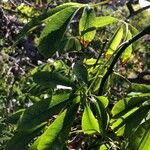
Ceiba speciosa
Floss-silktree · Silk-floss tree · Floss-silk tree · Chorisia · כוריזיה הדורה
Description
Source: leafsnapCeiba speciosa, commonly known as the silk floss tree, is a deciduous tree native to South America. As a member of the Bombacaceae family, it can grow up to 25 meters tall. The trunk is adorned with sharp spines and can reach a diameter of up to 2 meters. Its leaves are large and palmate, consisting of five to seven leaflets. One of the most striking features of Ceiba speciosa is its flowers, which bloom from late spring through early summer. These flowers are large and showy, featuring five petals that range in color from white to pink or red. They are followed by woody seed pods containing numerous seeds surrounded by cotton-like fibers. The silk floss tree holds cultural significance in many South American countries, where it has been used for medicinal purposes and its wood is prized for furniture making. Moreover, Ceiba speciosa provides habitat for many species of birds and insects, making it an essential part of the ecosystem where it thrives. Overall, the unique appearance of Ceiba speciosa, combined with its cultural significance, makes it an intriguing plant worth learning about.
🌳 Although the floss silk tree is noted for its striking looks, it is perhaps less recognized for acting as an ecological condominium. Its strong branches and broad canopy shelter many organisms, from birds and mammals that seek refuge there to a range of insects that depend on it as an important food source. The tree’s blossoms also supply nectar to bees, aiding pollinator biodiversity.
🎭 Modify
Care Guide
💧 Water Every 7 days
The floss silk tree, originally from South America, thrives in environments with balanced moisture levels. It prefers moderate humidity and can tolerate short periods of drought. Watering every 1-2 weeks is ideal, allowing the soil to partially dry out between waterings. This remarkable deciduous tree, typically grown outdoors, sheds its leaves during drought or when temperatures drop.
How should I water my Floss silk tree in the best way?
To promote excellent root development, place a garden hose at the base of the plant. Avoid spraying the leaves directly, and keep in mind that leaves will need more water if they are exposed to direct sunlight outdoors. You can utilize bubblers to moisten the roots of each plant, or use soaker hoses that cover the entire garden or bed. When adding or removing plants, make sure to water deeply to help the roots grow. Remember to drain any excess water and allow the soil to dry before watering again. Water at ground level to prevent diseases. On sunny days, it may be beneficial to spray the entire bush with water. Whether planted in a pot or in the ground, keep in mind that the Floss silk tree prefers deep watering rather than light sprinkling.
What should I do if I give my Floss silk tree too much or not enough water?
If you overwater the Floss silk tree, its leaves may turn yellow, drop off, and wilt. The plant may also look dull and unhealthy, with mushy stems. In such cases, it's best to adjust your watering schedule. On the other hand, wilting can also occur if the tree is underwatered. In this case, the leaves will become crispy and dry. To determine if it needs watering, check the soil, and if it's dry, give it a thorough watering. While this will help the tree recover, it may still have dry and yellow leaves due to root damage. Once the tree returns to normal, the yellowing will stop. When you have the Floss silk tree indoors, always check the moisture levels in the pot to avoid overwatering. If you notice black spots, let the soil dry out by withholding water for a few days. Overwatering can lead to root rot, so if you see discolored and slimy roots, consider transferring the tree to a different pot. It's important to prevent root rot by avoiding excessively soggy soil. When planting the Floss silk tree outdoors, make sure to sufficiently water it if you notice the soil is too dry.
How much water does my Floss silk tree need?
The Floss silk tree prefers deep, infrequent watering. If planted in pots, be sure to soak them in a gallon of water each time, as the limited water storage in pots causes the soil to dry out quickly. In colder regions, watering is needed every 3 to 5 days, preferably in the morning when the soil is dry. To determine if watering is necessary, check the soil inside the pot; if the top 2-3 inches are dry, it's time to water. On hot days, monitor the moisture daily as the heat can dry out the soil rapidly. If you have a garden, irrigation is necessary. In hot climates, water once a week, but only when the top 2-3 inches of soil are dry. Be mindful of rainfall and avoid overwatering to prevent root rot. During spring and fall, when the Floss silk tree typically grows, add mulch 3 to 4 inches deep to conserve water when the tree is outdoors. Sandy soil drains faster, so plants in this type of soil may require more frequent watering. On the other hand, clay soil retains moisture better, so watering can be less frequent, allowing the plant to dry out for 2-3 days without risking root rot. To keep track of watering, mark the dates on a calendar and pay attention to the leaves; if they start drooping, you may be a day late with watering.
How much water should I give my Floss silk tree?
The Floss silk tree needs about a gallon of water on a regular schedule. For potted plants, water deeply and make sure the water drips out of the bottom of the pot. Wait for the soil to dry before watering again. Use a water calculator or moisture meter to track how much water you give the plant in a week. Water generously during the flowering period and let the moisture evaporate afterwards to avoid root rot. If the Floss silk tree is planted outside with sufficient rainfall, it won't need additional watering. However, when it's young or newly planted, make sure it receives 1-2 inches of rain per week. As the tree grows, it can rely solely on rainfall. Only water it during extremely hot weather or if there's no rain for 2-3 weeks. Water during cooler parts of the day to prevent heat damage. Additional watering may be needed during prolonged dry periods.
Do I need to change how often I water my Floss silk tree based on the time of year or the weather?
The Floss silk tree needs to be watered when there is no rain, but only in cases of persistent dry weather. During the spring and fall, the soil should be kept moist, but not soggy, and alternating between dry and moist conditions will help the tree grow well. In the summer, hot weather can cause water to evaporate quickly, so extra watering may be necessary if there is a lack of rainfall. Less water is typically needed during the winter when the tree goes dormant. Use a well-draining soil mixture, like terracotta, to help the water evaporate faster during this time. Once the tree begins to leaf out and go dormant, no watering is needed since it can rely on fall and winter rains. When cultivating the Floss silk tree, ensure good drainage, especially during winter. If the tree is in a pot, it has limited root growth, so it should be well-watered, particularly in the summer. Avoid shallow sprinkles that just wet the leaves, as these can encourage fungal growth and do not reach the roots. Even during dormancy in the fall or winter, do not let the tree dry out completely. Drowning the plants should also be avoided, as they do not tolerate sitting in water for extended periods, which can be fatal in winter. Mulching is beneficial to reduce stress, conserve water, and promote healthy blooms.
☀️ Light Full sun
The floss silk tree flourishes in direct sunlight, taking in large quantities of light effortlessly. This requirement reflects the full sun exposure of its native locale. During its growth stages, plentiful sunlight is advantageous. However, it can also tolerate a certain degree of shade. Excessive but also insufficient sunlight can obstruct its development.
What are the sunlight requirements for a Floss Silk Tree?
The Floss Silk Tree requires full sun exposure to thrive, meaning it needs more than 6 hours of sunlight daily. However, it can also grow under partial sun conditions, which is about 3-6 hours of sunlight. It's important to watch how sunlight moves through your garden, ensuring that you choose locations that provide the right balance of light and shade. This balance is crucial for the happiness and healthy growth of your plants.
How do I ensure my Floss Silk Tree gets enough light?
The Floss Silk Tree thrives in locations with no shade, absorbing plenty of sunlight. This mirrors its natural habitat's conditions. In its growth phases, an abundance of light is beneficial, though moderate shade is tolerated. Artificial lighting can support indoor plants when natural sunlight is insufficient. LED lights, adjusted for specific plant needs, are recommended. Full sun plants need 30-50W/sq ft, partial sun plants need 20-30W/sq ft, and full shade plants need 10-20W/sq ft of artificial light. Position lights 12-36 inches above plants and mimic natural daylight hours, providing 8-12 hours of light per day.
What are the signs of insufficient light in Floss Silk Trees?
Symptoms of light deficiency in Floss Silk Trees include smaller new leaves, leggy or sparse growth, faster leaf drop, halted growth, irregularly colored or pale new leaves, chlorosis or yellowing due to chlorophyll breakdown, sunscald, leaf curling as a defense mechanism, wilting from water loss, and leaf scorching. These signs indicate either too much or too little exposure to sunlight, affecting the plant's ability to photosynthesize and maintain health.
How can I address sunlight-related issues in my Floss Silk Tree?
To address sunlight issues, gradually move your Floss Silk Tree to receive at least 6 hours of sunlight if indoors, using south-facing windows or artificial light sources like desk or ceiling lamps for 8 hours daily. For outdoor plants, shift them gradually to sunnier spots to avoid sunburn. Minimize obstructions by pruning trees in the way or transplanting smaller plants during their dormant period to sunny locations with good drainage. While some damaged parts may not recover, new growth should emerge healthy with adequate light exposure.
🌡️ Temperature 20–41.1°C
The floss silk tree naturally thrives in temperatures between 64 and 104 ℉ (18 to 40 ℃), making it suitable for both subtropical and tropical regions. Its preferred temperature range is between 68 and 106 ℉ (20 to 41 ℃), although it can endure temporary exposure to temperatures as low as 23 to 41 ℉ (-5 to 5 ℃). During cold seasons, it's advisable to offer a protective cover to shield the plant from frost.
What are the ideal growing conditions for a Floss silk tree?
The Floss silk tree thrives in temperatures ranging from 64°F to 104°F (18°C to 40°C), making it suitable for both tropical and subtropical areas. It prefers a slightly higher temperature range of 68°F to 106°F (20°C to 41°C) but is capable of withstanding colder temperatures between 23°F to 41°F (-5°C to 5°C) for short periods. The tree loves heat and can be harmed by cold temperatures. During colder months, it’s advisable to give the tree protective shelter or bring outdoor-grown Floss silk trees indoors, placing them near a bright window but away from heaters to avoid harm. Keeping the indoor temperature above 20°C during winter promotes healthy plant growth, while temperatures around 5°C can be harmful.
How do low temperatures affect the Floss silk tree, and what are the solutions?
Floss silk trees prefer warm temperatures and are intolerant to cold, thriving best when the temperature remains above 20°C. During winter, it's crucial to keep them in an environment warmer than 5°C. Exposure to temperatures below 1°C may cause the leaves to lighten in color, leading to browning or blackening as frost damage progresses, along with wilting and drooping. To mitigate frost damage, trim off the affected parts and move the plant to a warmer indoor location. It's best to choose a spot near a south-facing window for ample sunlight, avoiding proximity to heaters or air conditioning vents to prevent air dryness.
What should be done if a Floss silk tree experiences high temperatures?
During the summer, it's vital to ensure that the Floss silk tree does not experience temperatures above 41°C. Temperatures exceeding 45°C can cause the leaves to lighten and increase the plant's susceptibility to sunburn. In such cases, sunburned and dried parts of the plant should be trimmed away. Moving the plant to a location that offers shade from the intense midday and afternoon sun is beneficial. Additionally, watering the plant in the morning and evening helps keep the soil adequately moist, providing further relief from high temperatures.
💨 Humidity dry (<40%)
This plant prefers dry conditions, so don't mist it. However, watering it less often can also thrive in higher humidity.
🪴 Soil 6-7
🌱 Fertilizer
The best period to fertilize a Floss silk tree is at the onset of spring, when it is coming out of dormancy. This uplifts the overall growth and promotes flower formation. Fertilizing improves the leaves, stems, and branches, and encourages the growth of big, colorful, and enduring flowers. It assists in shifting nutrients from the roots to the flowers and boosts the tree's immunity and resistance to diseases.
Why should I put fertilizer on my Floss silk tree?
Fertilization plays a crucial role in the overall health and well-being of a Floss silk tree. This process enables the tree to obtain the necessary energy and nutrients it needs to develop healthy foliage, sturdy stems, and branches. For gardeners who grow these trees, the flowers are particularly valuable. Fortunately, fertilization also promotes the growth of large, vibrant, and long-lasting flowers. This is because the right fertilizer helps the tree efficiently transfer fuel from its roots to its flowers via its stems. In addition to enhancing flower production, proper fertilization keeps the tree's overall health in good condition, making it more resistant to diseases.
When should I fertilize my Floss silk tree?
To ensure optimal growth and flower development for your Floss silk tree, the best time to fertilize is in early spring when it exits its dormant phase and prepares to bloom. This initial feeding provides the tree with ample energy. However, it is not the only time to feed the plant. Another beneficial feeding can be done in the fall, towards the end of the season. It is not as essential as the spring feeding, though. Some gardeners also choose to fertilize during planting, but this step is not always required.
When is it not a good time to fertilize my Floss silk tree?
During the winter, Floss silk trees go into a dormant phase, so you don't need to fertilize them during this time. Fertilizing in winter can actually cause negative effects from overfertilization. The best times to feed a Floss silk tree are in early spring and fall. This means that for most of spring and summer, the plant doesn't need fertilizer. It's also a good idea to hold off on feeding if the plant is experiencing excessively hot or dry conditions.
Which fertilizer should I use for my Floss silk tree?
Using a general-purpose fertilizer with equal amounts of nitrogen, phosphorus, and potassium is usually okay. However, for Floss silk tree plants, it's usually better to use a specific type of fertilizer. Nitrogen and phosphorus are the most important nutrients for these trees, so the fertilizer should have higher amounts of these compared to potassium. A fertilizer with an N-P-K ratio of 10-10-8 or similar should work well. Additionally, applying organic material like compost once a year can be beneficial. If you choose to use fertilizer, granular fertilizer is the most commonly used type for Floss silk trees.
How can I make my Floss silk tree grow better?
Applying fertilizer for your Floss silk tree is an easy task that any gardener can do, even those with minimal experience. To feed your Floss silk tree with granular fertilizer, simply sprinkle it on the soil. Before doing so, make sure to moisten the soil with water. You can also improve the soil for your Floss silk tree by adding compost or manure. To do this, place some of the organic material on top of the soil and gently work it into the first few inches with a hand rake. Be careful not to disturb the roots.
🪴 Pot & Repot 2-3 years
For the repotting of a Floss silk tree, select a pot that is 1-2 inches (2.5-5 cm) bigger and provides significant drainage. Opt for a potting mix that drains well. The best times to repot are either spring or autumn, and make sure the root ball sits a touch below the top edge of the flower pot. After the repotting, drench it with water and situate it somewhere warm where it will receive indirect sunlight.
✂️ Pruning
The floss silk tree benefits from early spring pruning to remove dead branches and shape its canopy, which promotes healthy growth and flowering. To reduce stress on the tree, avoid heavy pruning; instead, opt for light, regular pruning to help prevent disease and improve air circulation. Always use clean, sharp tools to minimize injury to the plant.
🌿 Propagating
🐛 Diseases & pets
☠️ Toxicity
All parts of the tree are toxic, and it has been known to kill cattle in its native Argentina. It can be processed specially for vegetable oil but only by professionals. Do not attempt any recipes seen online, as they are very dangerous.
Characteristics
- Plant Type
- Tree
- Life Cycle
- Perennial
- Genus
- Ceiba
- Family
- Malvaceae
- Hardiness Zone
- 10-13
- Mature Height
- 24.99 m
- Mature Spread
- 10.36 m to 13.41 m
- Leaf Color
- Green
- Leaf Type
- Deciduous
- Flower Color
- Pink, White
- Flower Size
- 10.16 cm to 15.24 cm
- Bloom Time
- Mid summer, Late summer, Early fall
- Planting Time
- Spring, Autumn
- Harvest Time
- Early spring, Mid spring, Mid fall, Late fall, Winter
- Native Area
- Colombia, Bolivia, Peru, Brazil, Ecuador, Costa Rica, Panama