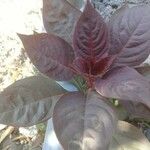
Celosia spicata
Featherweed
Description
Source: leafsnapThe Celosia argentea has been nicknamed ‘Flamingo Feather Celosia’ due to its unique, feathery flowers. The flowers are commonly rose to bright pink in color and shade into silvery white. Aside from their shading colors, the flowers of these plants are also known to lighten with age. As the plant ages, its flowers will fade from their vibrant pinks to pale pinks and eventually white. These plants are classified as both annuals and perennials. The hardiness zone in which this plant is grown will affect this.
Care Guide
💧 Water Every 3-5 days
Woolflowers, which originate from warm and humid regions, thrive in moist environments but can tolerate some drought. For vibrant growth, it's important to water them weekly. As ornamental plants, woolflowers need well-draining soil to prevent waterlogging during their active growing season.
☀️ Light Full sun
Woolflowers originate in bright, open habitats and flourish in full sun. They can tolerate partial sun but favor direct sunlight for optimal growth. This annual or biennial plant is known for its sun-loving nature.
What are the sunlight requirements for Woolflowers?
Woolflowers thrive in environments that provide full sun, needing above 6 hours of sunlight daily, but they can also tolerate partial sun, which is about 3-6 hours of sunlight. It is essential to observe how sunlight moves through your garden to ensure that your plants receive the perfect balance of light and shade for optimal growth, keeping in mind the nature of Woolflowers which originates from bright, open environments.
How does artificial lighting support Woolflower growth indoors?
Indoor Woolflowers require adequate lighting to mimic their natural growth conditions, especially when natural sunlight is insufficient. Artificial lights, such as LED lights, are beneficial as they can be customized to provide the specific wavelengths of light that plants need. For optimal growth, full sun plants need 30-50W/sq ft of artificial light, partial sun plants need 20-30W/sq ft, and full shade plants need 10-20W/sq ft. The light source should be placed 12-36 inches above the plant and kept on for 8-12 hours per day to mimic natural daylight hours, promoting faster and healthier growth.
What are common symptoms of inadequate light for indoor Woolflowers?
When Woolflowers are grown indoors under inadequate light, they may exhibit several symptoms indicating light deficiency. Common symptoms include smaller new leaves compared to mature ones, leggy or sparse growth, faster leaf drop, slower or no new growth, paler new leaves, and specific conditions like chlorosis, sunscald, leaf curling, wilting, and leaf scorching. These symptoms highlight the plant's struggle in low-light conditions and its attempts to conserve resources or protect itself from excess sunlight.
What are the solutions for Woolflowers experiencing light deficiency?
To address light deficiency in Woolflowers, gradual adjustment to brighter conditions is key. For indoor plants, progressively move them to sunnier spots each week until they receive at least 6 hours of direct sunlight daily or use artificial light for supplementary lighting. Outdoor plants should also be moved gradually to avoid sunburn. Reducing obstructions like pruning trees can help outdoor plants receive more sunlight. Transplanting smaller plants to sunnier locations during their dormant period can also improve light exposure. It's important to note that parts of the plant affected by low light may not recover, but new growth should be healthy with improved light conditions.
🌡️ Temperature 20–37.8°C
Woolflowers originate from tropical regions, where the climate is generally warm and humid. Consequently, they are well adapted to high temperatures and humidity. They do not tolerate sudden temperature changes and prefer a steady thermal environment, so avoiding temperature fluctuations indoors is important. They typically cannot withstand cold and need warmer conditions to grow. If the surrounding temperature drops too low, the plant may stop growing or even die.
What is the botanical name of Woolflowers?
The botanical name of Woolflowers is Celosia spicata.
💨 Humidity
🪴 Soil 6-7
🌱 Fertilizer
When most of Woolflowers' blooms have opened to full size, resume fertilizing. At the point when blooms are at their peak, apply fertilizer every three to four weeks, as the weather allows. Then, once Woolflowers begins producing fewer new blooms, stop fertilizing; there's no need to feed the plant when it can no longer produce more blooms.
🪴 Pot & Repot
✂️ Pruning
Woolflowers display beautiful, plume-like blooms and flourish when pruned from early to late spring. This helps remove dead stems and encourages new growth. Pinching back the tips of the plant promotes a bushier appearance, while regular deadheading extends the blooming period. To prevent infections and ensure healthy growth, always use clean, sharp tools for pruning.
🌿 Propagating
🐛 Diseases & pets
☠️ Toxicity
These plants are not considered toxic to humans or animals.
Characteristics
- Plant Type
- Herb
- Life Cycle
- Annual
- Genus
- Celosia
- Family
- Amaranthaceae
- Hardiness Zone
- 9-11
- Mature Height
- 91 cm
- Mature Spread
- 91 cm
- Leaf Color
- Green
- Leaf Type
- Semi-evergreen
- Flower Color
- Red, Purple, Pink
- Flower Size
- 5.08 cm to 7.62 cm
- Bloom Time
- Summer, Fall
- Planting Time
- Spring, Summer
- Harvest Time
- Late summer, Fall, Early winter
- Native Area
- Madagascar