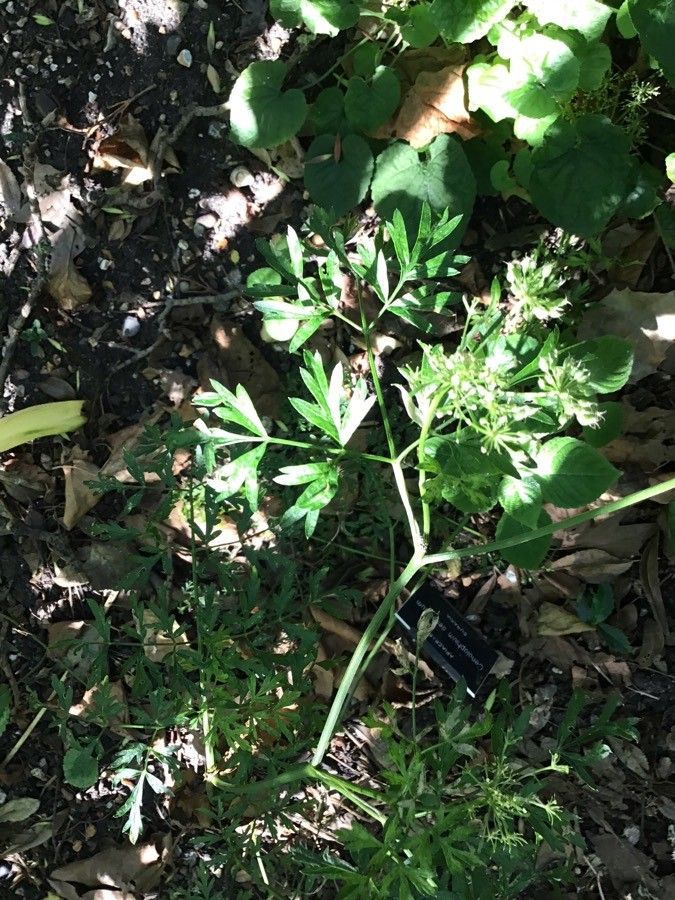
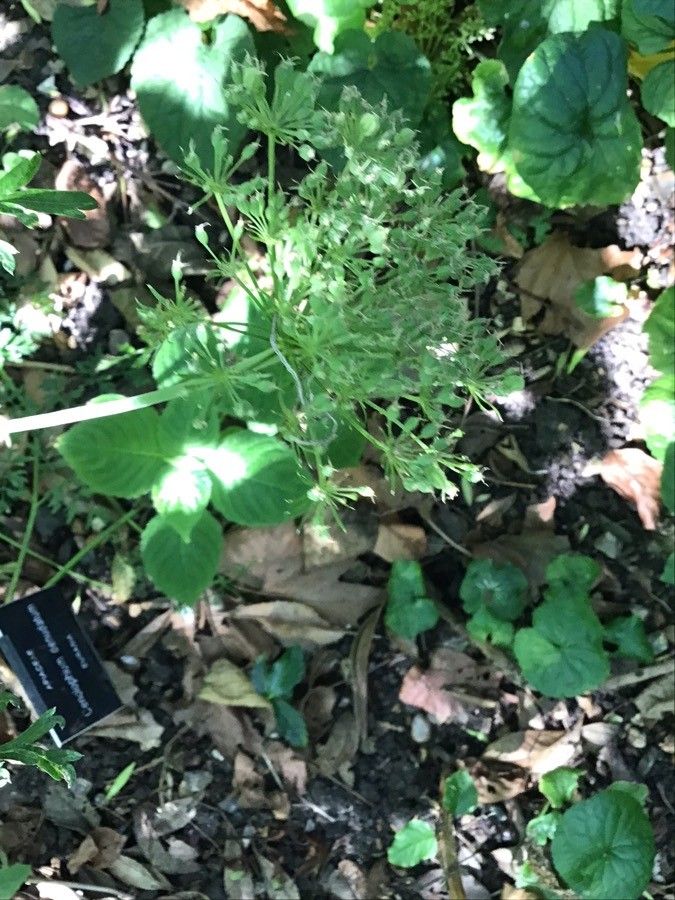
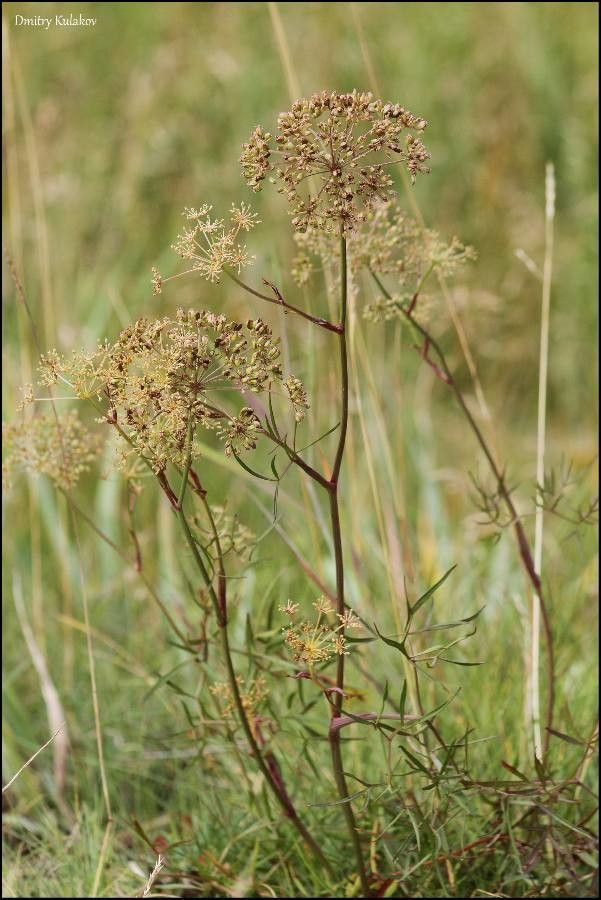
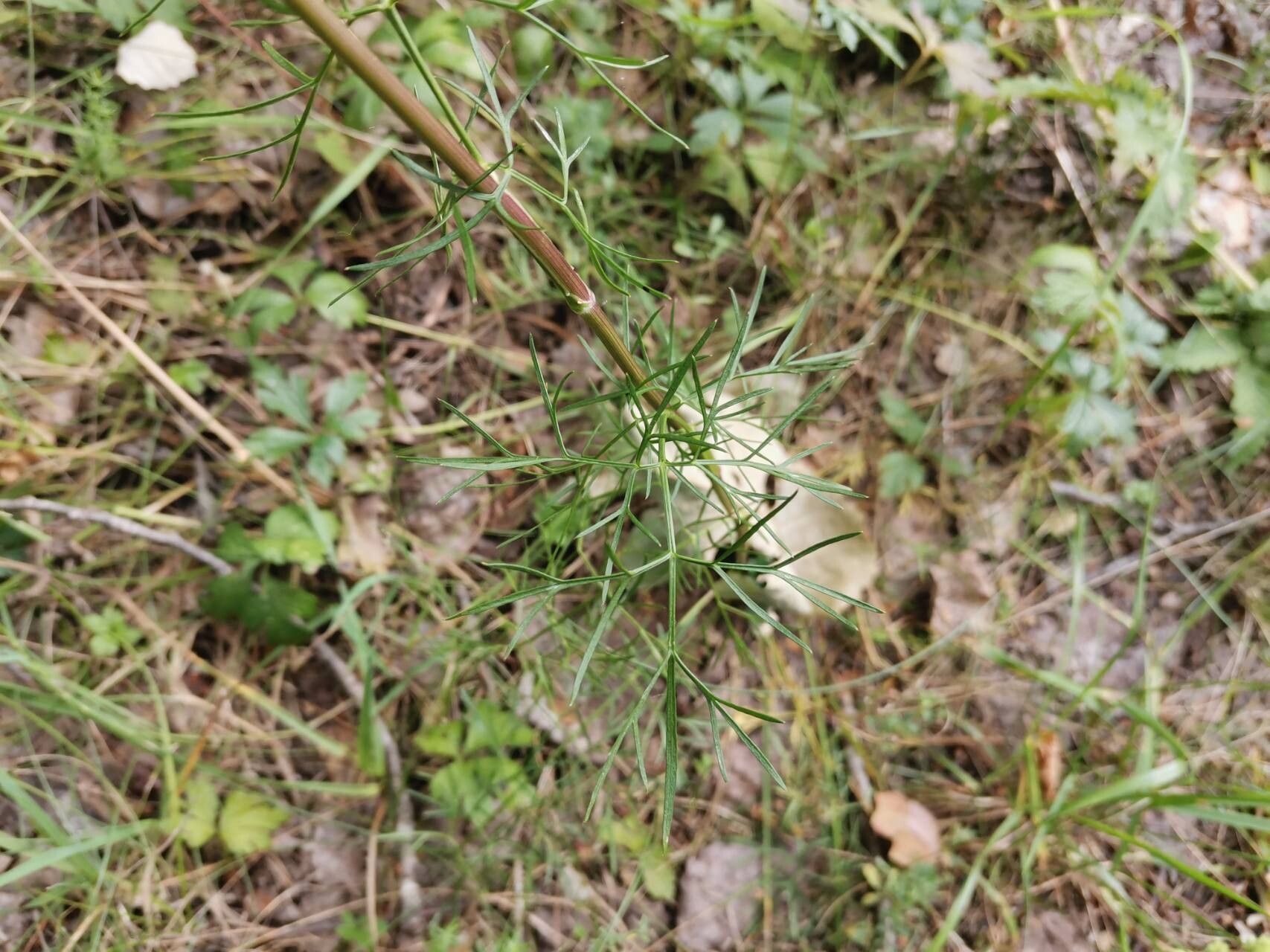
Cenolophium denudatum (Baltic parsley) is a species of flowering plant in the carrot family Apiaceae (Umbelliferae), native to Europe and Asia. It is the only member of its genus. A herbaceous perennial, it grows to 1.5 m (4.9 ft) tall by 0.5 m (1.6 ft) wide, with dark green divided leaves and, in summer, many umbels of tiny pale green or white flowers on branching naked stems (hence the Latin specific name denudatum). The stems are sometimes purple in colour. The flowers are attractive to numerous insects.In cultivation in the UK, this plant has gained the Royal Horticultural Society’s Award of Garden Merit (confirmed 2017).
Baltic parsley is fairly resistant to disease and typically not very susceptible to illnesses. Nevertheless, it can be affected by pests and diseases present in its environment. Such infections are generally mild. Regarding maintenance, this plant needs a moderate level of care. It should be pruned regularly to preserve a good appearance and support healthy growth. Applying fertilizer can also help encourage flowering. Baltic parsley is well suited for anyone with outdoor space, like a garden or patio, and does not demand extensive care experience. When grown indoors, however, it may need more attention.
How to keep Cenolophium Denudatum.
Light
Baltic parsley is a sun-loving herbaceous perennial native to open habitats and commonly grows in meadows and grasslands. It favors full sun but can also tolerate partial sun exposure.
Temperature
Baltic parsley can tolerate a wide range of temperatures, but its distribution may still be constrained by various combinations of moisture and heat. It performs best in warm summer climates with sufficient rainfall or watering. Extended periods of cloudy, rainy weather or prolonged high temperatures can raise the likelihood of Baltic parsley dying. In winter, protecting the plant from cold can increase its chances of survival.
Fertilizer
The best time to fertilize Baltic parsley is in early spring, as it comes out of dormancy and begins active growth. Fertilizing supplies essential nutrients for healthy development. Although Baltic parsley has relatively low fertilizer requirements, applying fertilizer annually can boost its survival and encourage better, longer-lasting flowers.
Pruning
Baltic parsley is a hardy perennial plant with fern-like leaves and clusters of white flowers. To encourage bushier growth, prune the plant in early spring. Be sure to remove any dead stems and cut back spent flowers to promote a second bloom. Regular pruning helps improve air circulation and reduces the risk of fungal diseases. Remember to sterilize your tools before use to prevent the spread of disease.
Botanical profile.
- Plant Type
- Herb
- Life Cycle
- Perennial
- Genus
- Cenolophium
- Family
- Apiaceae
- Hardiness Zone
- 4-9
- Mature Height
- 91 cm
- Mature Spread
- 40 cm
- Leaf Color
- Green
- Leaf Type
- Deciduous
- Flower Color
- White
- Flower Size
- 0.25 cm to 0.51 cm
- Bloom Time
- Early summer, Mid summer
- Planting Time
- Spring, Summer
- Harvest Time
- Late summer, Early fall
- Native Area
- Russia, Lithuania, Kazakhstan, Mongolia, Latvia, Ukraine, Belarus, China
Other names.