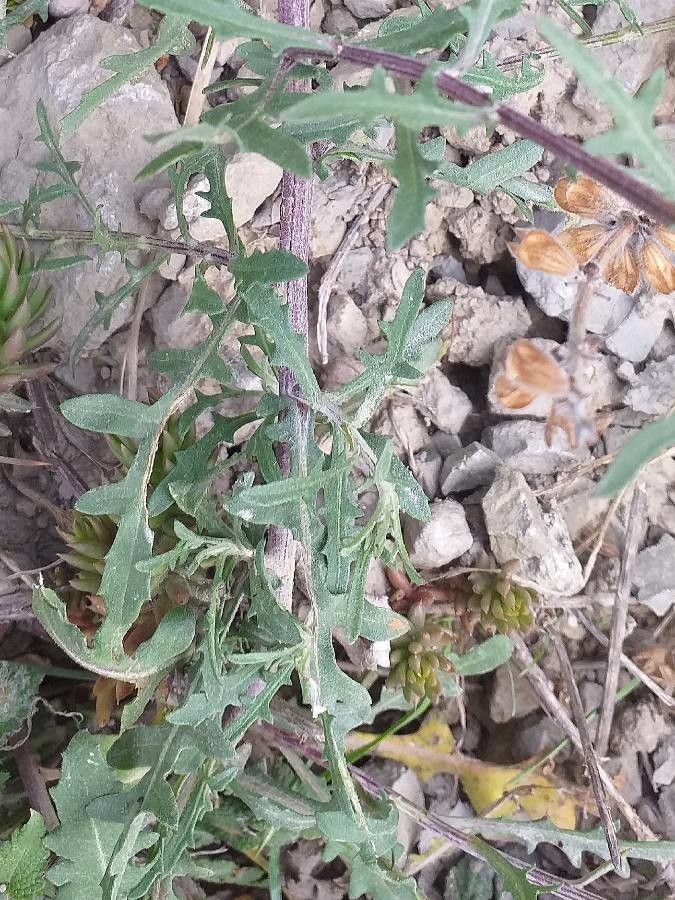
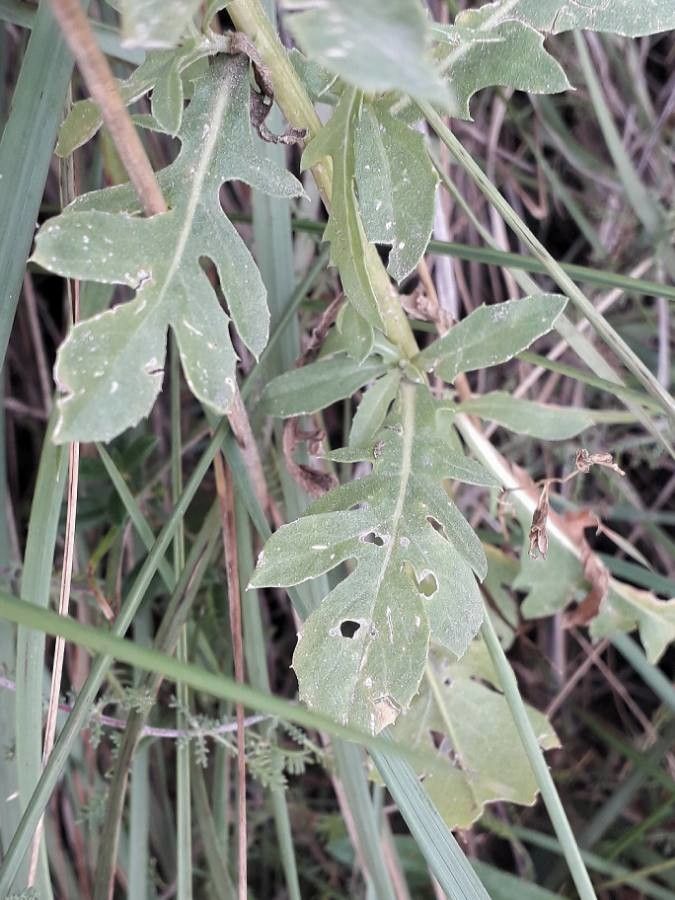
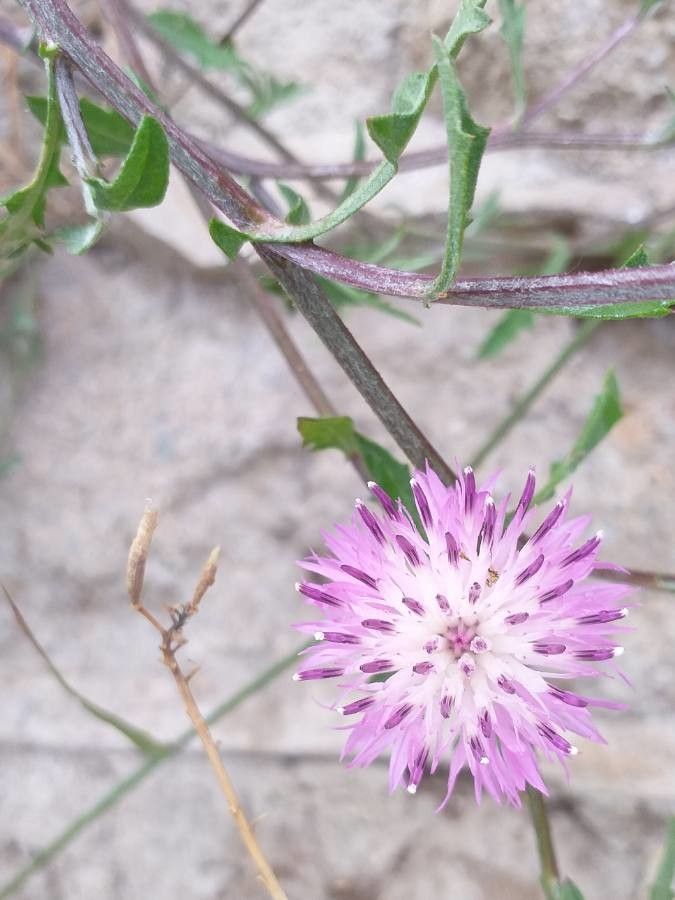
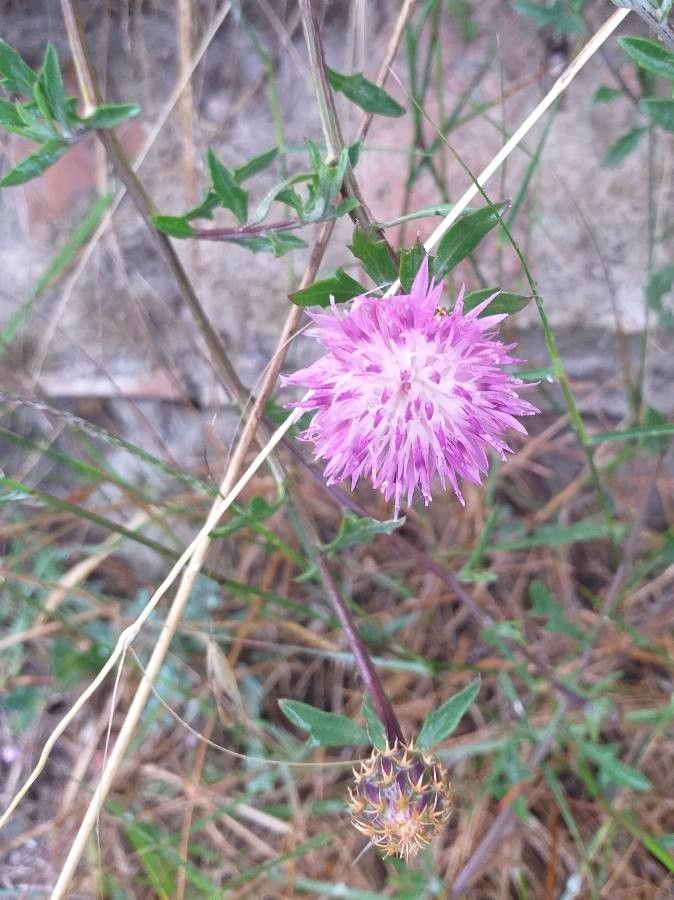
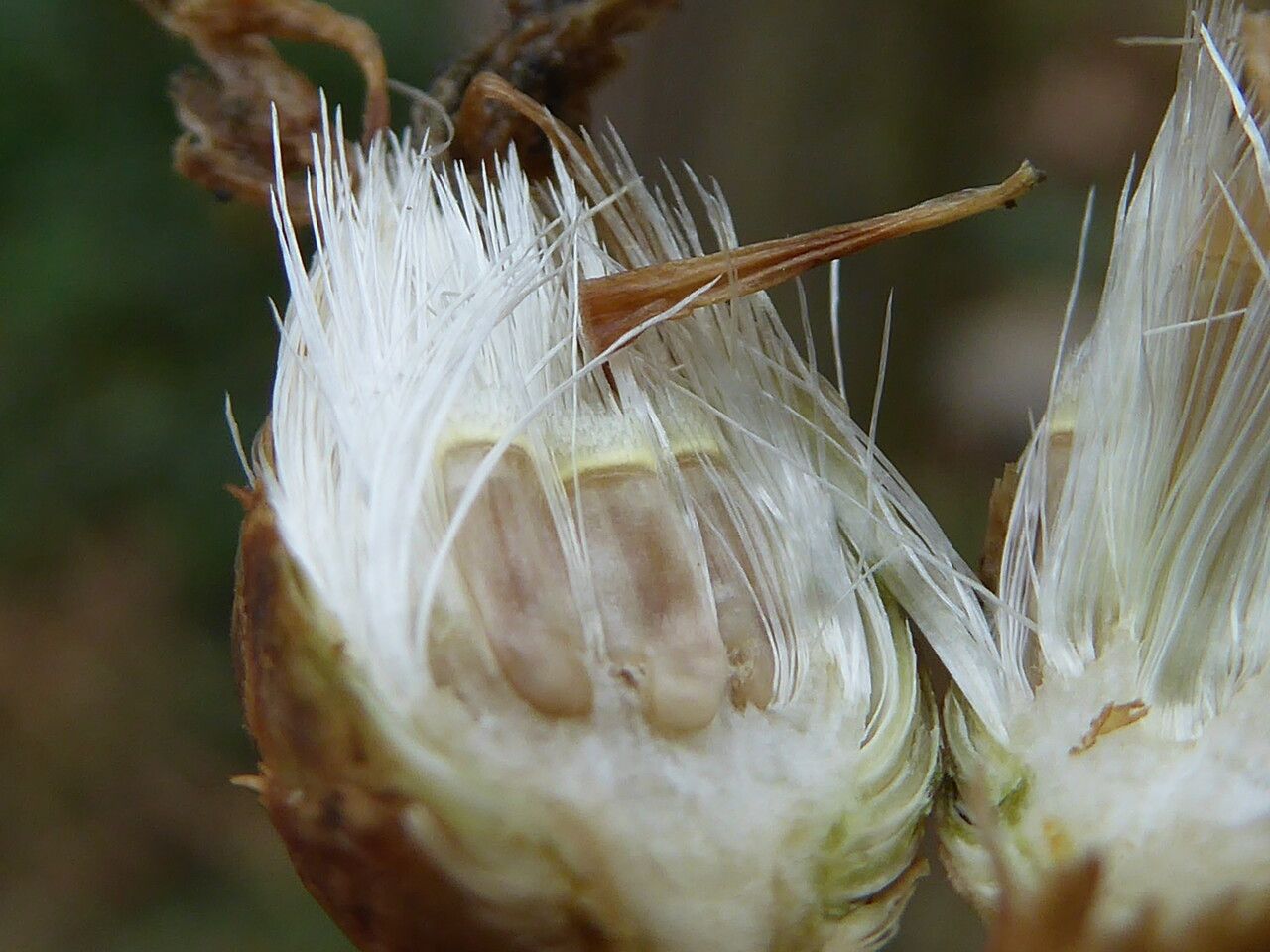
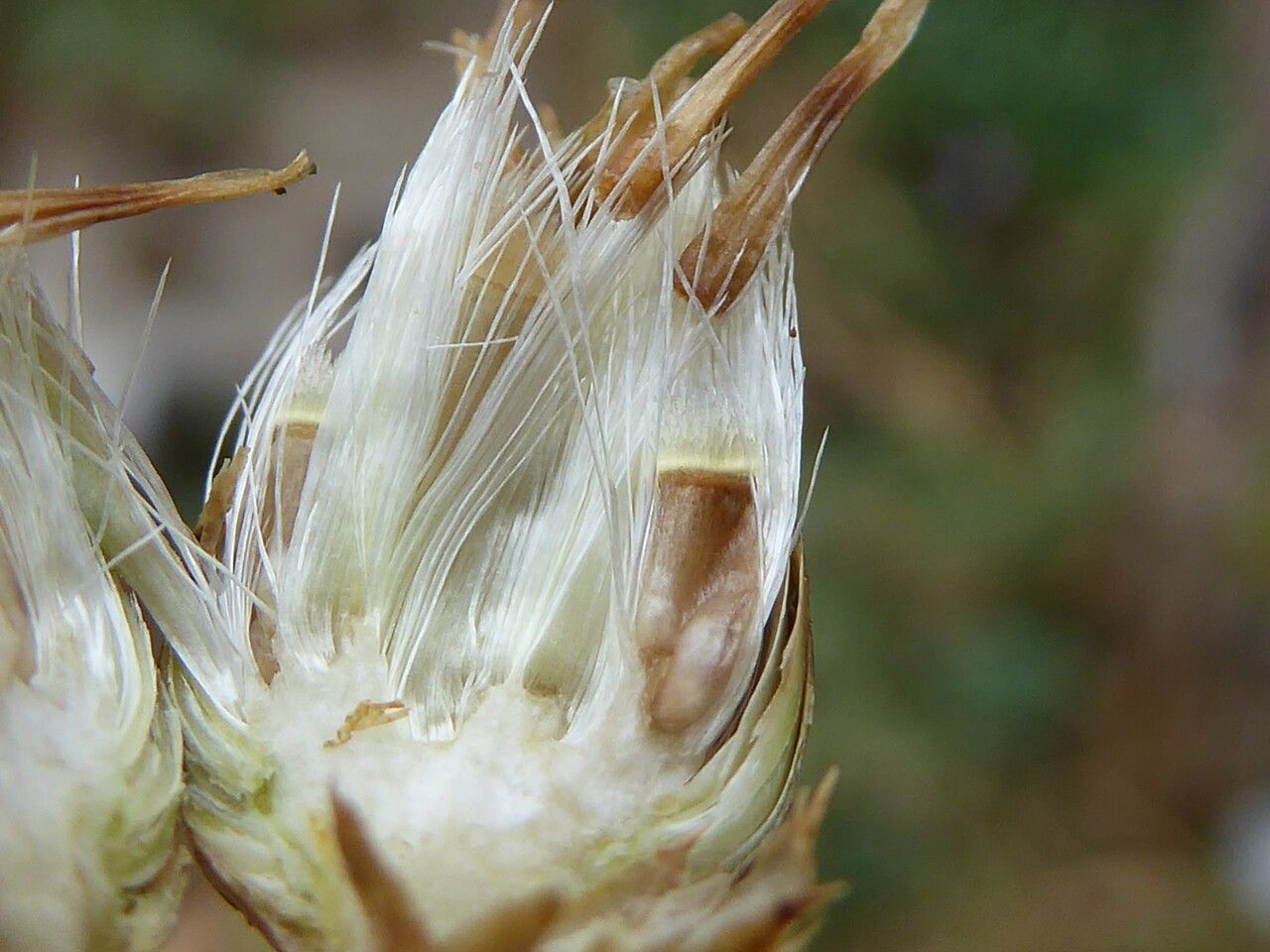
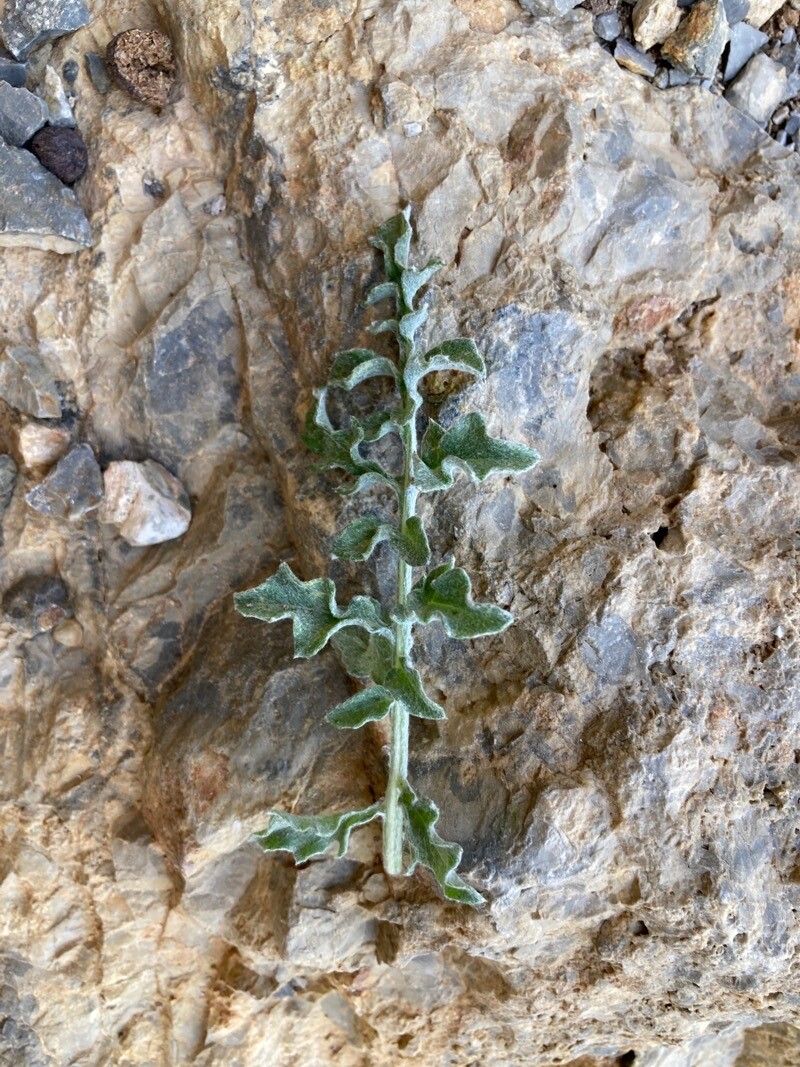
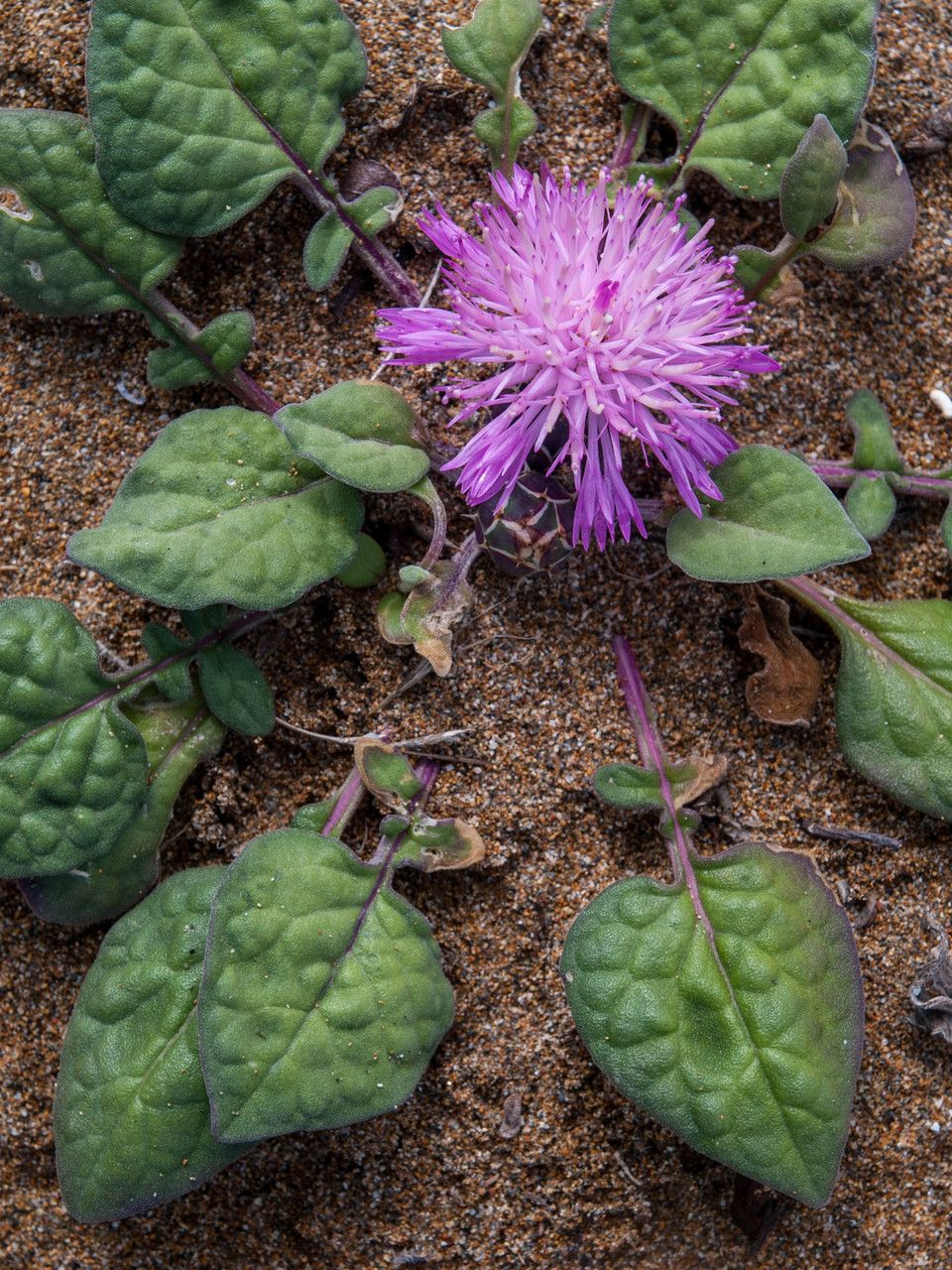
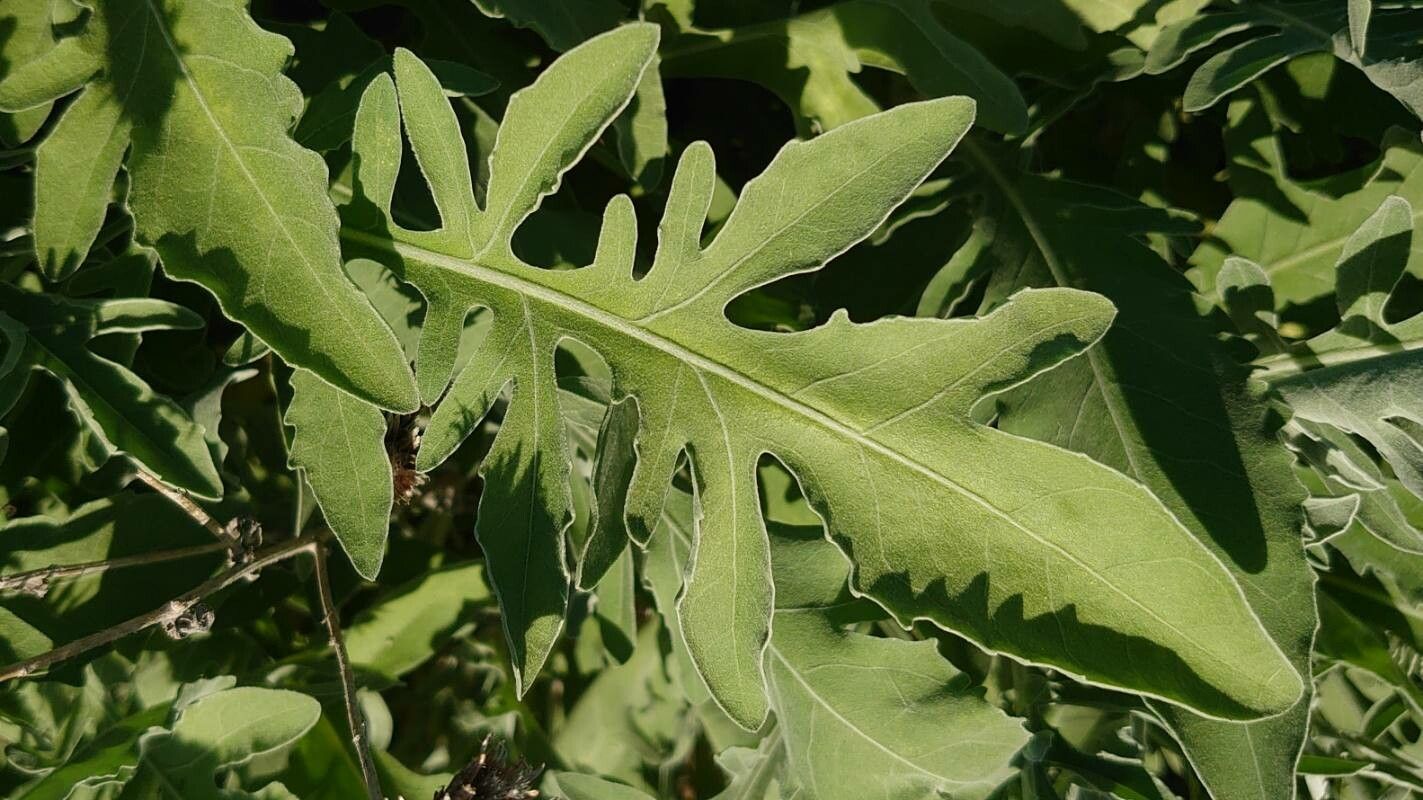
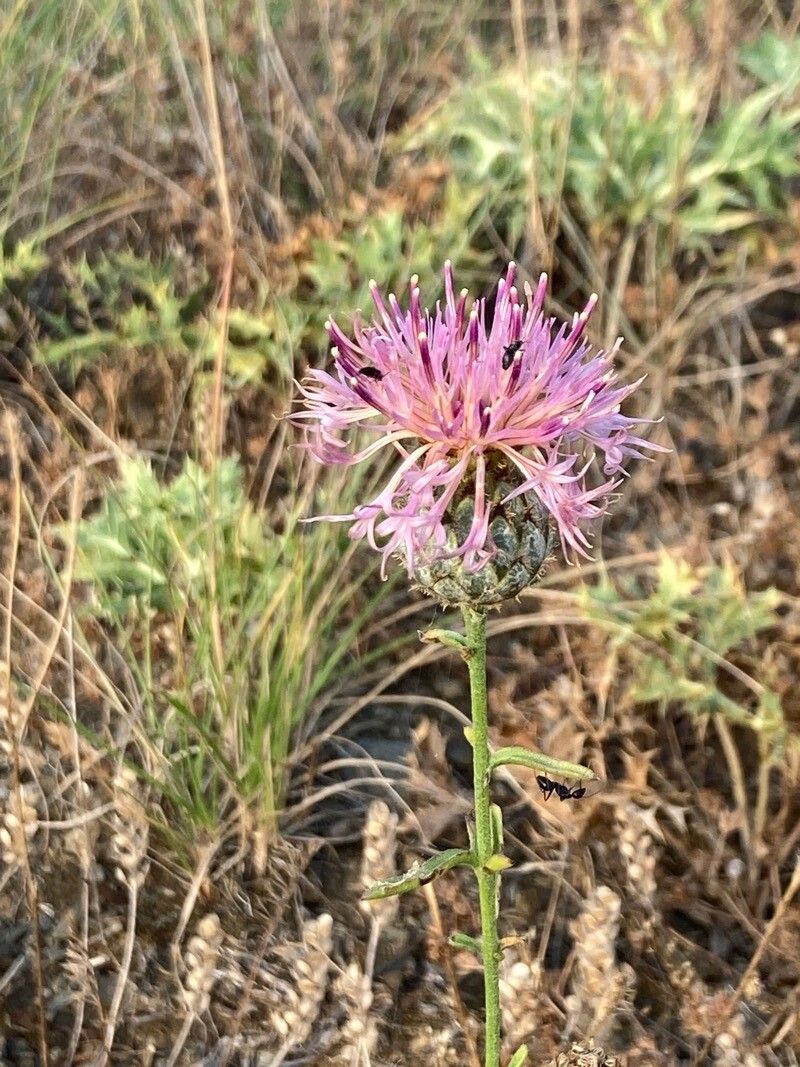
Centaurea aspera, the rough star-thistle, is a species of Centaurea found in Europe and in New York, United States.
Rough star thistle is fairly disease-resistant and generally not prone to illness. Nonetheless, it can be vulnerable to pests and diseases present in its environment. These infections are usually mild. In terms of care, the plant needs moderate maintenance. It should be pruned regularly to maintain a neat appearance and healthy growth. Fertilizing can also help encourage flowering. Rough star thistle is well suited for anyone with outdoor space, such as a garden or patio, and does not demand extensive care experience. It may require more attention when grown indoors.
How to keep Centaurea Aspera.
Light
Rough star thistle thrives with ample daily sunlight, which greatly enhances its growth and general health. Although it can tolerate a moderate amount of shade, too little sun results in subpar growth. Its native habitat shaped its need for abundant sun exposure.
Water
The rough star thistle, native to arid regions, is highly drought-tolerant and requires watering only once a week for optimal growth. It thrives in full sunlight and benefits from deep watering techniques, which encourage strong root development and enhance its resilience in dry conditions.
Temperature
Rough star thistle is native to temperate regions and thrives at temperatures of 68 to 95 °F (20 to 35 °C). Seasonal adjustments are rarely necessary because of its hardy nature and forgiving growth requirements.
Fertilizer
Rough star thistle needs regular fertilizing to encourage flowering but doesn't tolerate too much. It requires light, frequent doses of fertilizer throughout its life cycle, especially during the peak period of active growth and while it's flowering. You will feed your Rough star thistle until they stop blooming.
Pruning
Rough star thistle is characterized by its spiny leaves and purple flowers. It requires pruning from early to late spring. Be sure to trim any dead stems to encourage new growth, but avoid cutting healthy stems. Proper pruning helps manage the plant's size, enhances its blooms, and prevents it from becoming invasive. For the best care, use clean, sharp tools.
Botanical profile.
- Plant Type
- Herb
- Life Cycle
- Biennial
- Genus
- Centaurea
- Family
- Asteraceae
- Hardiness Zone
- 6-9
- Mature Height
- 33 cm
- Mature Spread
- 30 cm to 61 cm
- Leaf Color
- Green, Blue
- Leaf Type
- Semi-evergreen
- Flower Color
- Lavender
- Flower Size
- 2.03 cm to 2.54 cm
- Bloom Time
- Summer
- Planting Time
- Spring, Summer, Autumn
- Harvest Time
- Late summer, Early fall, Mid fall
Other names.
Reader questions.
What are the sunlight requirements for Rough Star Thistle?
Rough Star Thistle thrives in conditions where it can receive thorough daily exposure to sunlight, significantly benefiting its growth and overall health. It flourishes best in full sun, which means it requires more than 6 hours of sunlight a day, but it can also grow in partial sun, receiving about 3-6 hours of sunlight. Watch how sunlight gracefully moves through your garden, choosing spots that offer a perfect balance of light and shade to ensure your plants' happiness.
What is Rough star thistle and where does it originate?
Rough star thistle, botanically known as Centaurea aspera, is indigenous to regions with a temperate climate. It thrives in temperatures between 68 to 95 °F (20 to 35 °C), highlighting its robust nature and adaptability to forgiving growth conditions without the need for frequent seasonal adjustments. Its strong cold resistance further attests to its resilience, making it a versatile plant for various temperate environments.
How does artificial lighting benefit indoor plants like Rough Star Thistle?
For indoor plants like Rough Star Thistle, where natural sunlight may be insufficient, especially during winter or in less sunny spaces, artificial lighting presents a vital solution. It promotes faster, healthier growth. LED lights are favored for indoor plant lighting as they can be customized to provide specific wavelengths needed by plants. Full sun plants require 30-50W/sq ft of artificial light, partial sun plants need 20-30W/sq ft, and full shade plants need 10-20W/sq ft. The artificial light source should be placed 12-36 inches above the plant, mimicking natural sunlight conditions, and provided for 8-12 hours per day.
What measures should be taken for Rough star thistle in very cold winters?
Although Rough star thistle exhibits strong cold resistance and usually does not require special frost protection measures during winter, precautions should be taken if winter temperatures are expected to drop below -25°C. To protect the plant in such extreme conditions, it can be covered with materials like soil or straw. Additionally, it's recommended to water the plant abundantly before the first freeze in autumn to ensure the soil remains moist and enters a frozen state. This practice helps prevent drought and water scarcity for the plant during the winter and early spring.
What symptoms indicate light deficiency in Rough Star Thistle?
When Rough Star Thistle is cultivated indoors under inadequate light, it may exhibit several symptoms indicating light deficiency: New leaves may grow smaller, the plant might show leggy or sparse growth, and there could be a faster rate of leaf drop. Moreover, growth may slow down or stop entirely, and new leaves might develop irregular color patterns or appear pale, indicating a lack of chlorophyll and essential nutrients. These symptoms collectively signify that the plant is not receiving the optimal amount of sunlight it requires for healthy growth.
How does Rough star thistle react to low temperatures, and what are the solutions?
Rough star thistle is notably cold-tolerant, thriving best when temperatures are above 20°C and should remain above 0°C during winter. However, when temperatures fall below -25°C, the plant may not show immediate changes but could experience a decrease in sprouting or fail to sprout at all during spring. In such cases, it's advised to remove any parts of the plant that have failed to sprout as a springtime remedy.
How do you address insufficient or excessive sunlight exposure for Rough Star Thistle?
To address insufficient sunlight exposure for Rough Star Thistle, gradually move the plant to a sunnier location until it receives at least 6 hours of direct sunlight daily. If the plant is large or not easily movable, consider using artificial light for at least 8 hours daily. For outdoor plants, it's crucial to avoid sudden changes in light intensity to prevent sunburn. Reducing obstructions like trees by pruning and transplanting smaller plants during their dormant period can also enhance sunlight exposure. Conversely, excessive sunlight exposure symptoms may require adjusting the plant's location to reduce direct exposure and considering time-based solutions for artificial lighting inside.
How should Rough star thistle be managed during high temperatures?
During the summer, Rough star thistle should ideally be kept below 35°C. Exposure to temperatures exceeding 38°C could cause the plant's leaves to become lighter in color, prone to curling, susceptible to sunburn, and, in severe cases, lead to the entire plant wilting and becoming dry. To mitigate these issues, sunburned and dried-up parts of the plant should be trimmed away. Relocating the plant to a shaded area or employing a shade cloth to protect it from the midday and afternoon sun can be beneficial. Additionally, watering the plant in the morning and evening to maintain soil moistness is crucial.