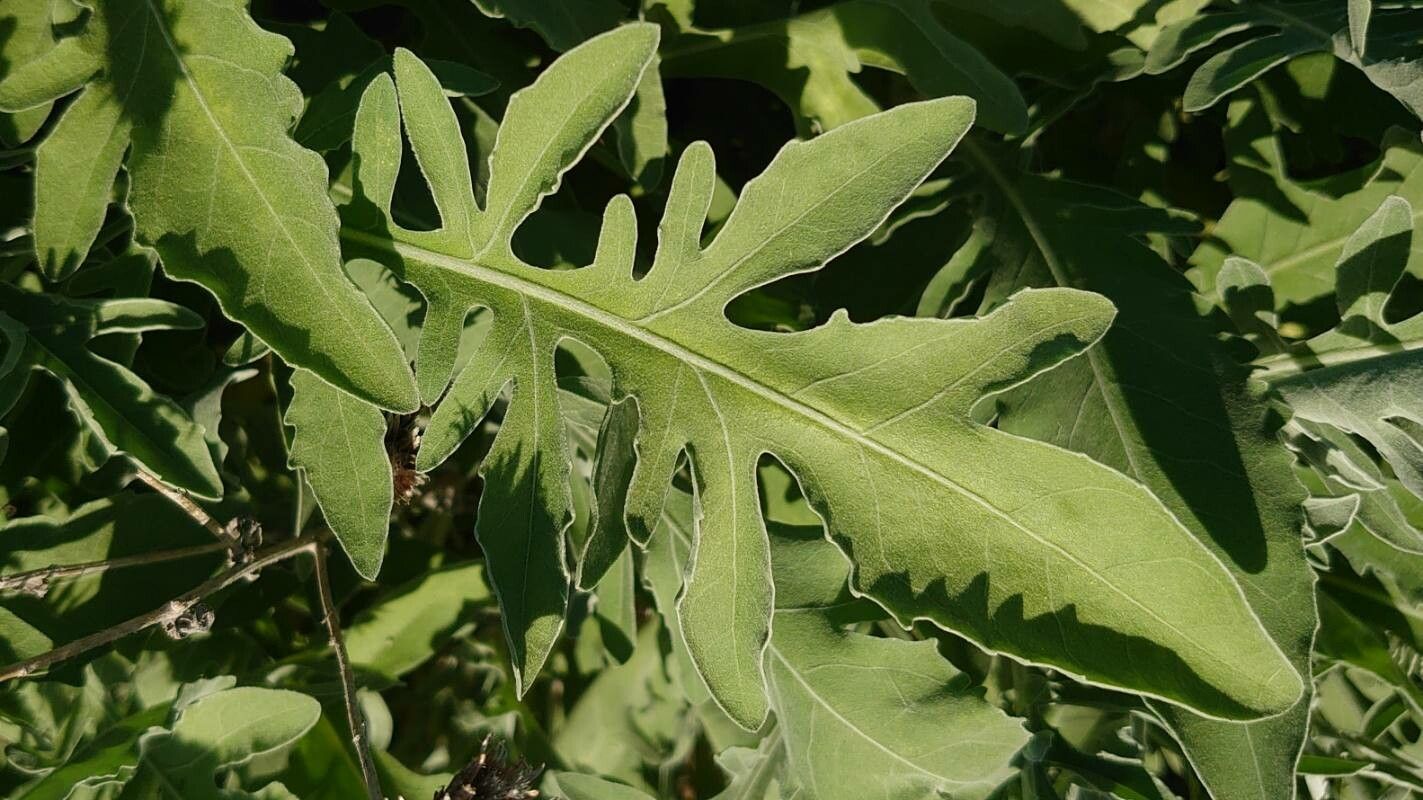
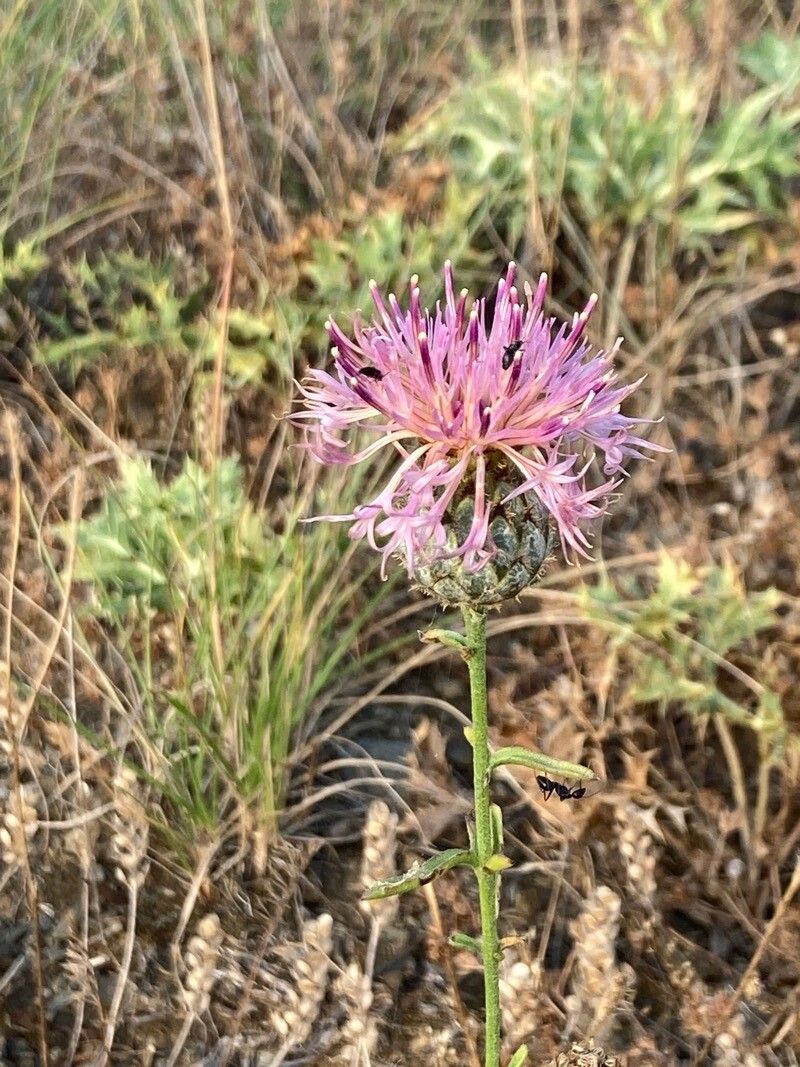
Centaurea corymbosa shows strong resistance to diseases and is generally not susceptible to them. However, it can be affected by pests and diseases present in its surroundings. Such infections are typically mild. Regarding care, this plant needs a moderate level of maintenance. Regular pruning is required to preserve a neat appearance and promote healthy growth. Applying fertilizer can also help encourage flowering. Centaurea corymbosa is appropriate for anyone with outdoor areas like a garden or patio and does not demand extensive plant-care experience. It can require more attention when grown indoors.
How to keep Centaurea Corymbosa.
Light
Centaurea corymbosa is a sun-loving perennial herbaceous plant native to open habitats, frequently found in meadows and grasslands. It prefers full sun but can also tolerate partial sun.
Water
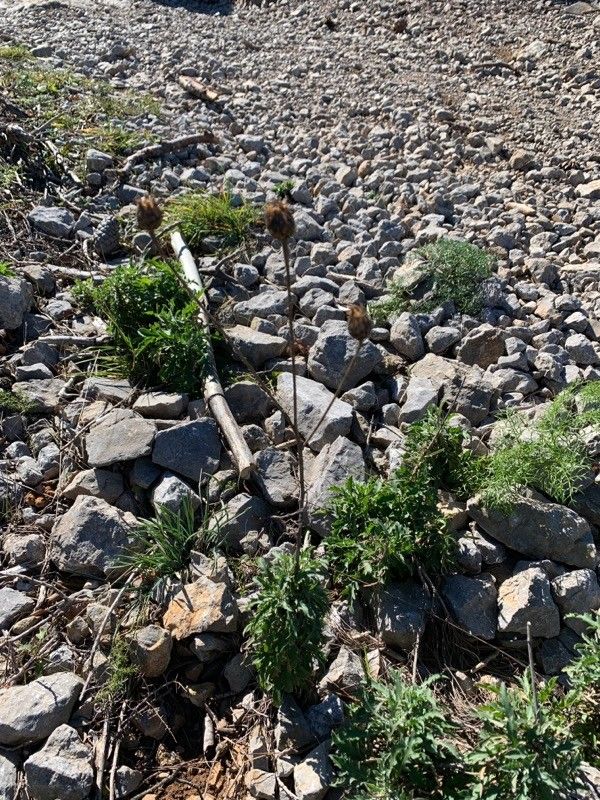
Centaurea corymbosa thrives in dry, rocky environments due to its exceptional drought tolerance and low maintenance needs. It should be watered sparingly, ideally no more than once a week, to avoid the negative effects of overwatering. For optimal growth and to prevent root rot, it is crucial to plant it in well-draining soil outdoors.
Temperature
Centaurea corymbosa can tolerate a wide span of temperatures, but its distribution may still be constrained by particular combinations of moisture and heat. It grows best in warm summer climates with sufficient rainfall or watering. Extended periods of cloudy, rainy weather, as well as prolonged high temperatures, can raise the likelihood of Centaurea corymbosa dying. In winter, adequate protection from cold can improve the plant’s survival rate.
Fertilizer
The best time to fertilize Centaurea corymbosa is in early spring, as it comes out of dormancy and begins active growth. Fertilizing supplies essential nutrients needed for healthy development. While Centaurea corymbosa has relatively low fertilizer requirements, applying fertilizer once a year can improve its survival and encourage better, longer-lasting flowers.
Pruning
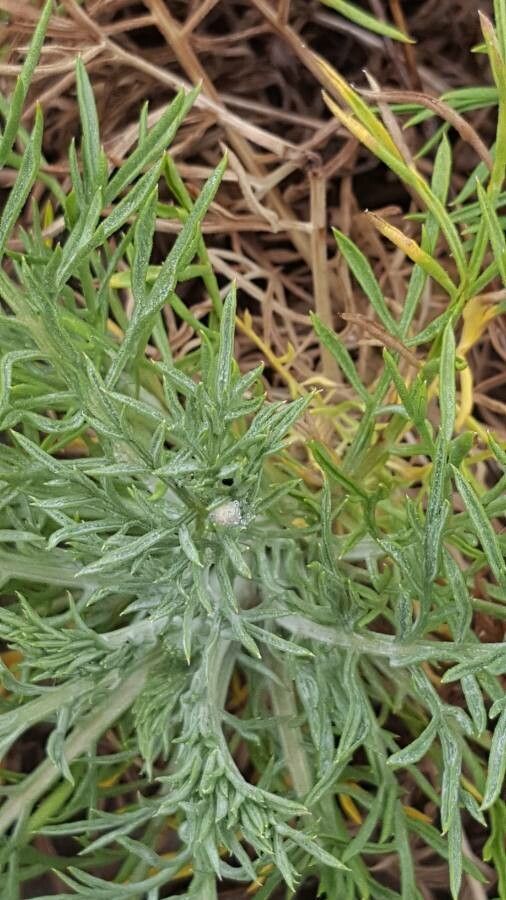
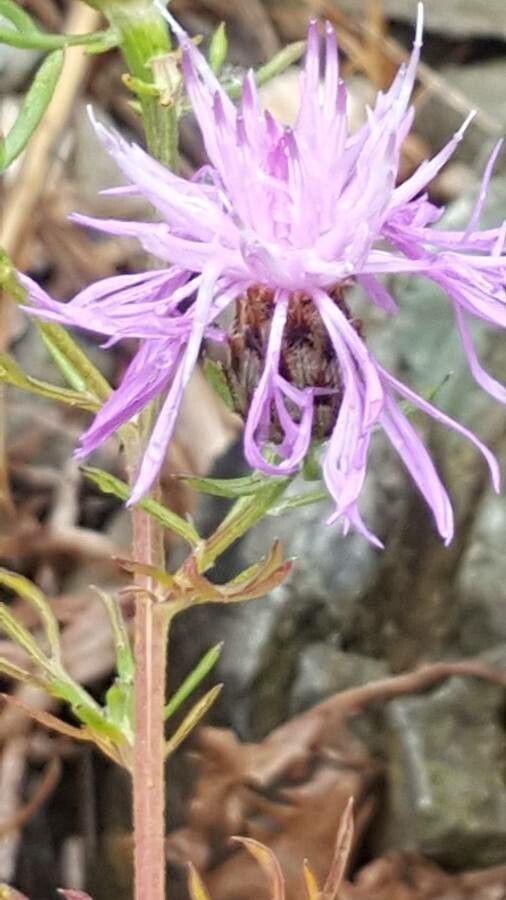
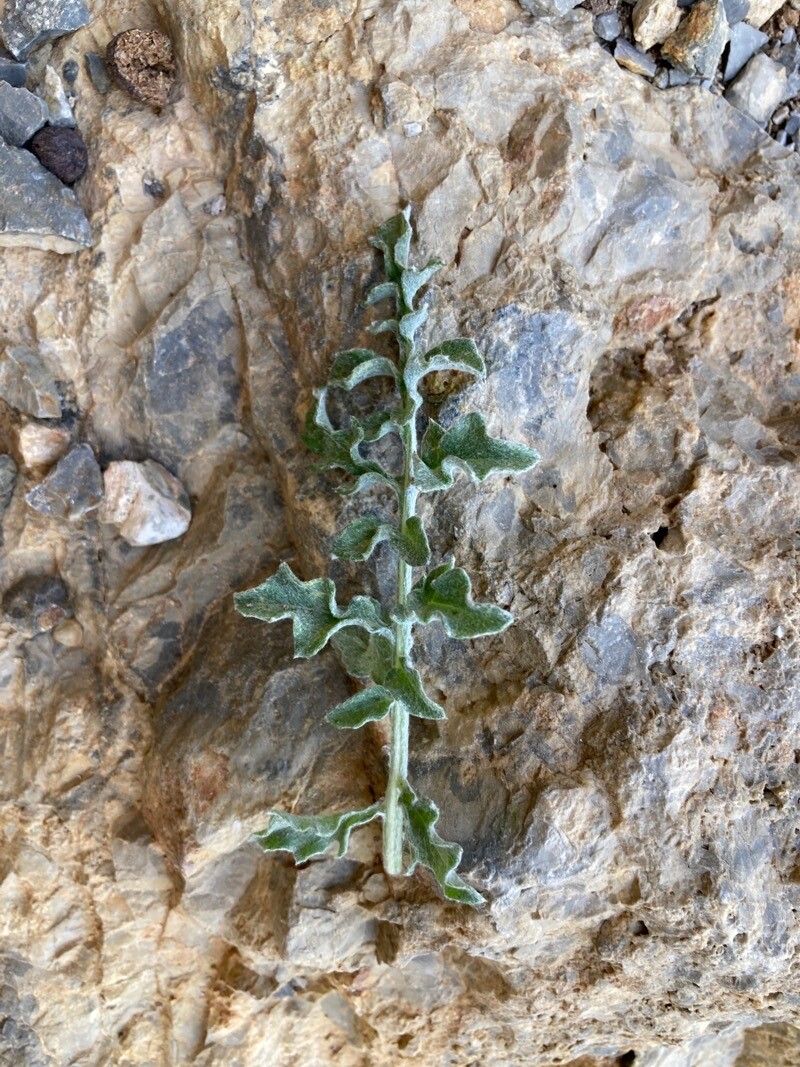
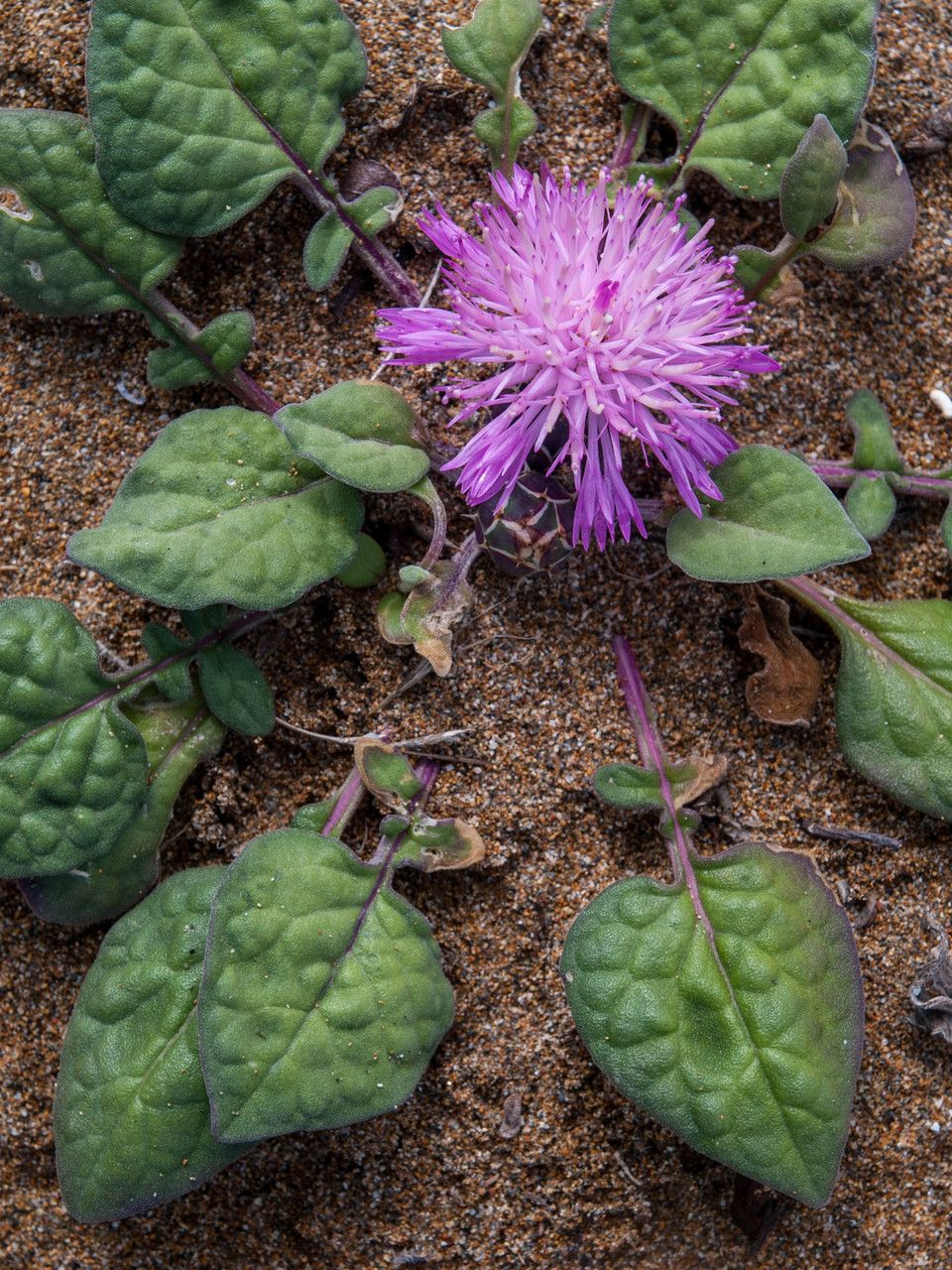
Centaurea corymbosa is known for its distinctive silvery leaves and vibrant flowers. To maintain its health and appearance, it's important to prune the plant between early and late spring. This removes any damaged stems, encouraging new growth and a more compact shape. When pruning, always cut above the leaf nodes using sterilized tools. This practice helps enhance air circulation, reduce pests, and improve the plant's overall health and blooming efficiency.
Botanical profile.
- Plant Type
- Herb
- Life Cycle
- Perennial
- Genus
- Centaurea
- Family
- Asteraceae
- Hardiness Zone
- 7-10
- Mature Height
- 30 cm to 61 cm
- Mature Spread
- 20 cm to 40 cm
- Leaf Color
- Green, Gray
- Leaf Type
- Deciduous
- Flower Color
- Pink, Purple
- Flower Size
- 2.03 cm to 3.05 cm
- Bloom Time
- Early summer, Mid summer
- Planting Time
- Spring, Summer
- Harvest Time
- Late summer, Early fall
- Native Area
- France
Reader questions.
What are the sunlight requirements for Centaurea corymbosa?
Centaurea corymbosa needs to be placed in areas that match its sunlight requirement for optimal growth. It requires 'Full sun' which is defined as more than 6 hours of sunlight daily and can also thrive in 'Partial sun', meaning approximately 3-6 hours of sunlight each day. It's important to observe the movement of sunlight in your garden to ensure you find a spot that offers the right balance between light and shade, helping your Centaurea corymbosa to thrive.