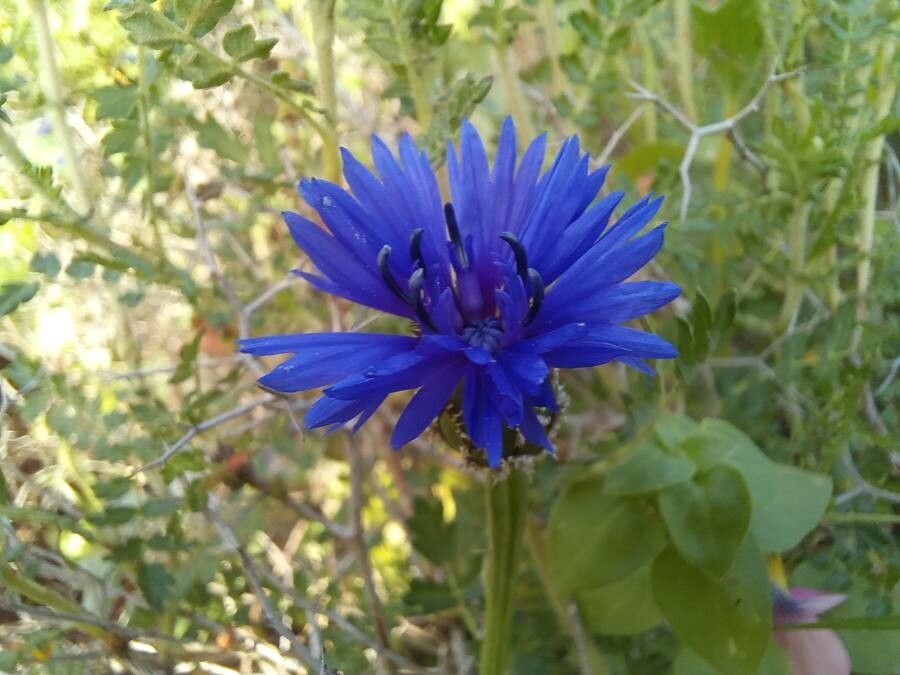
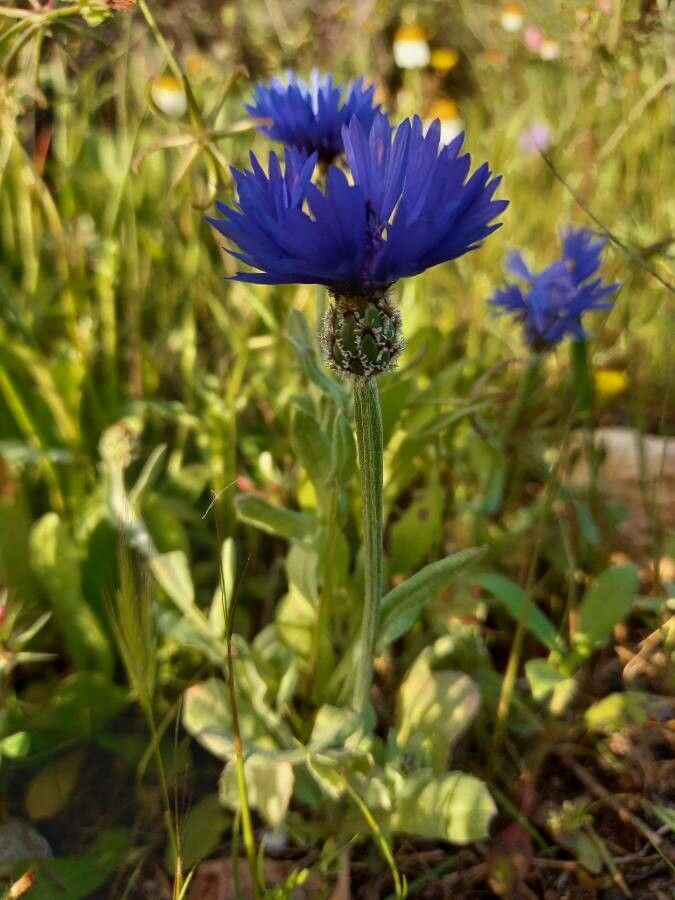
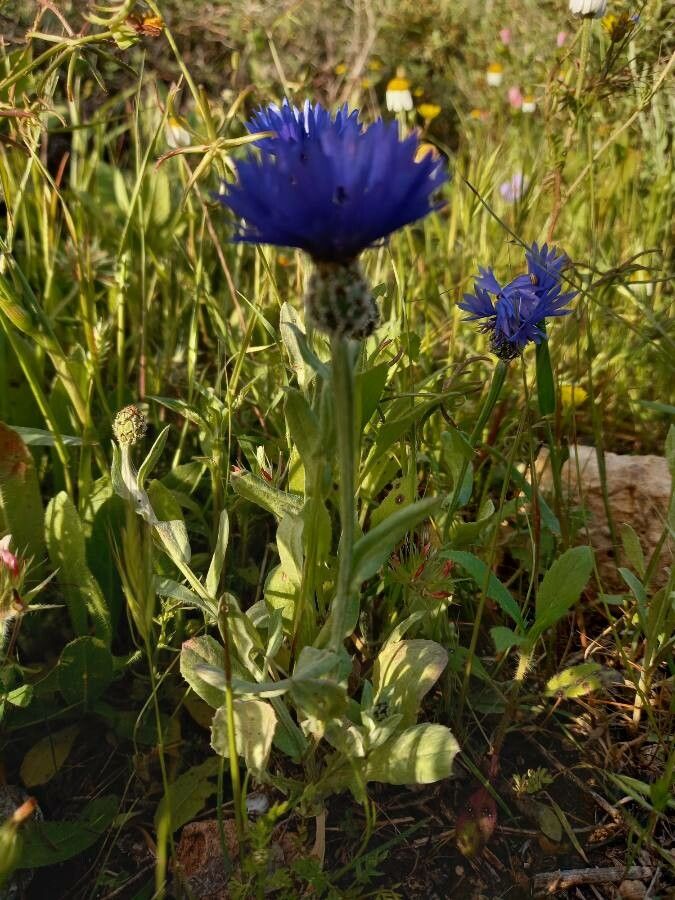
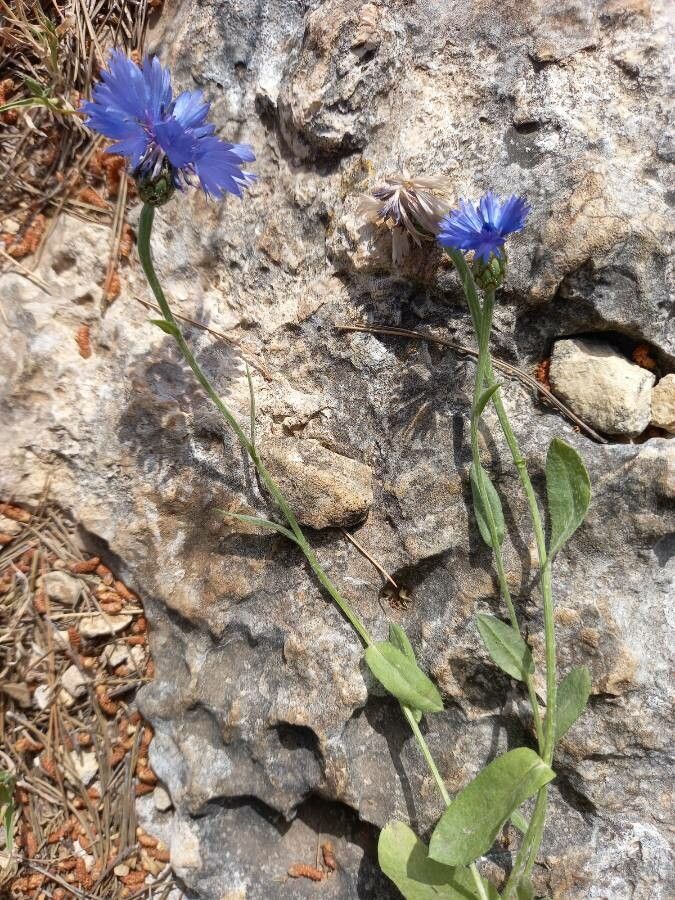
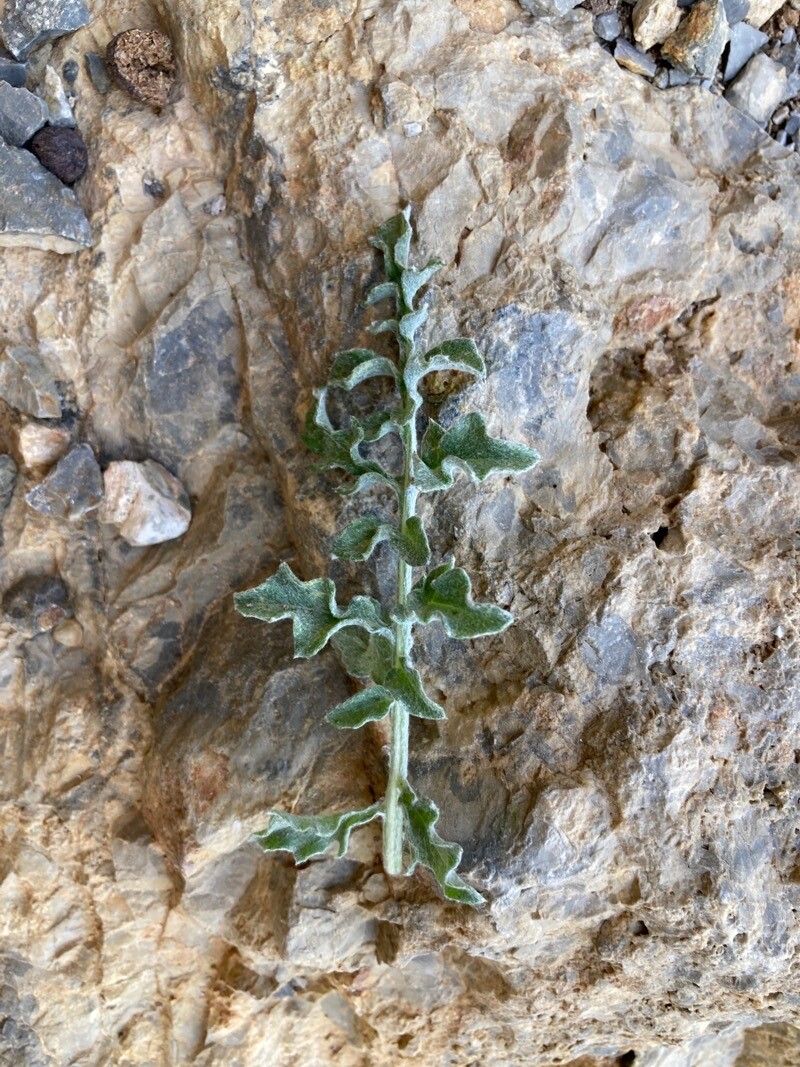
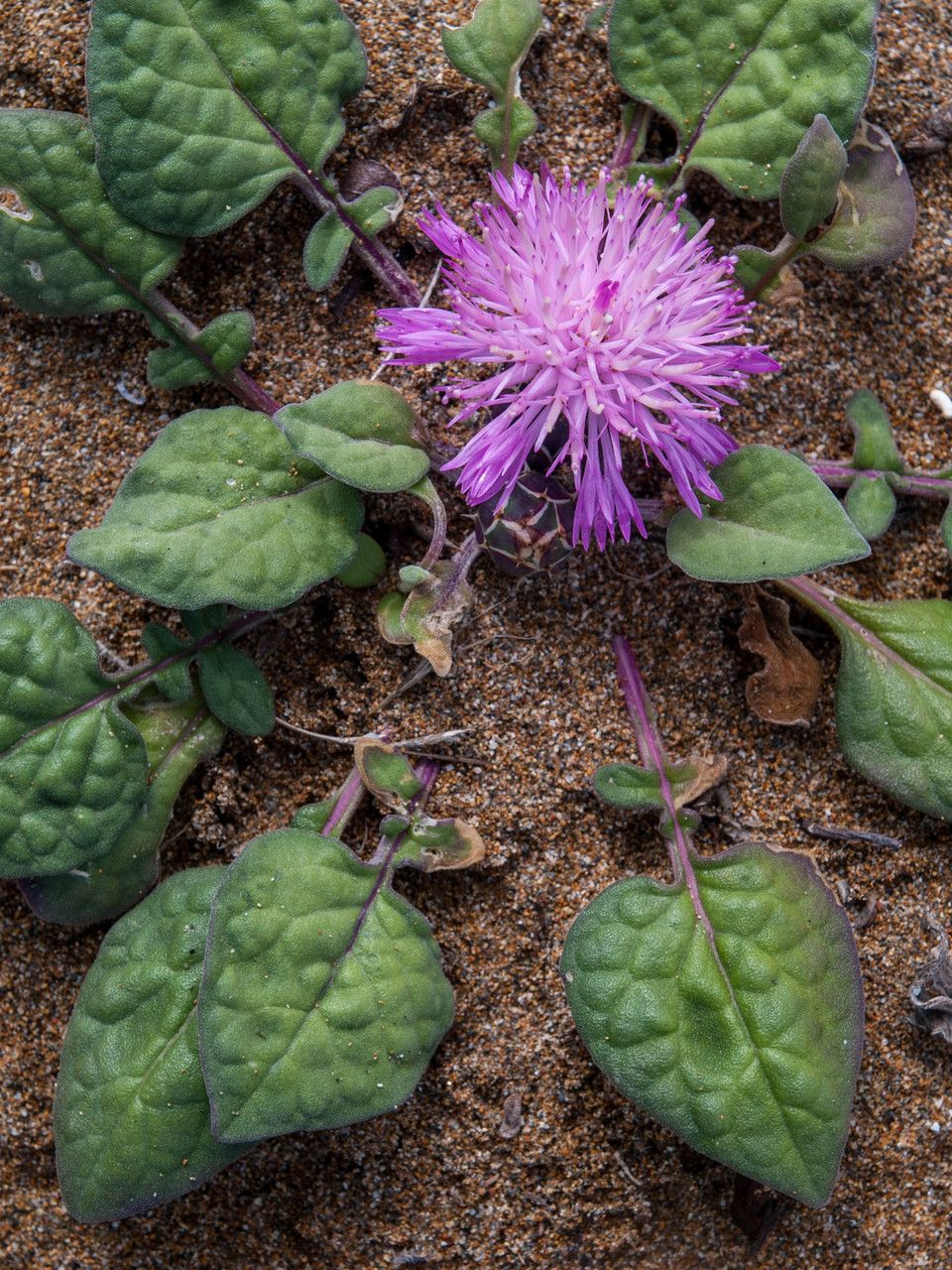
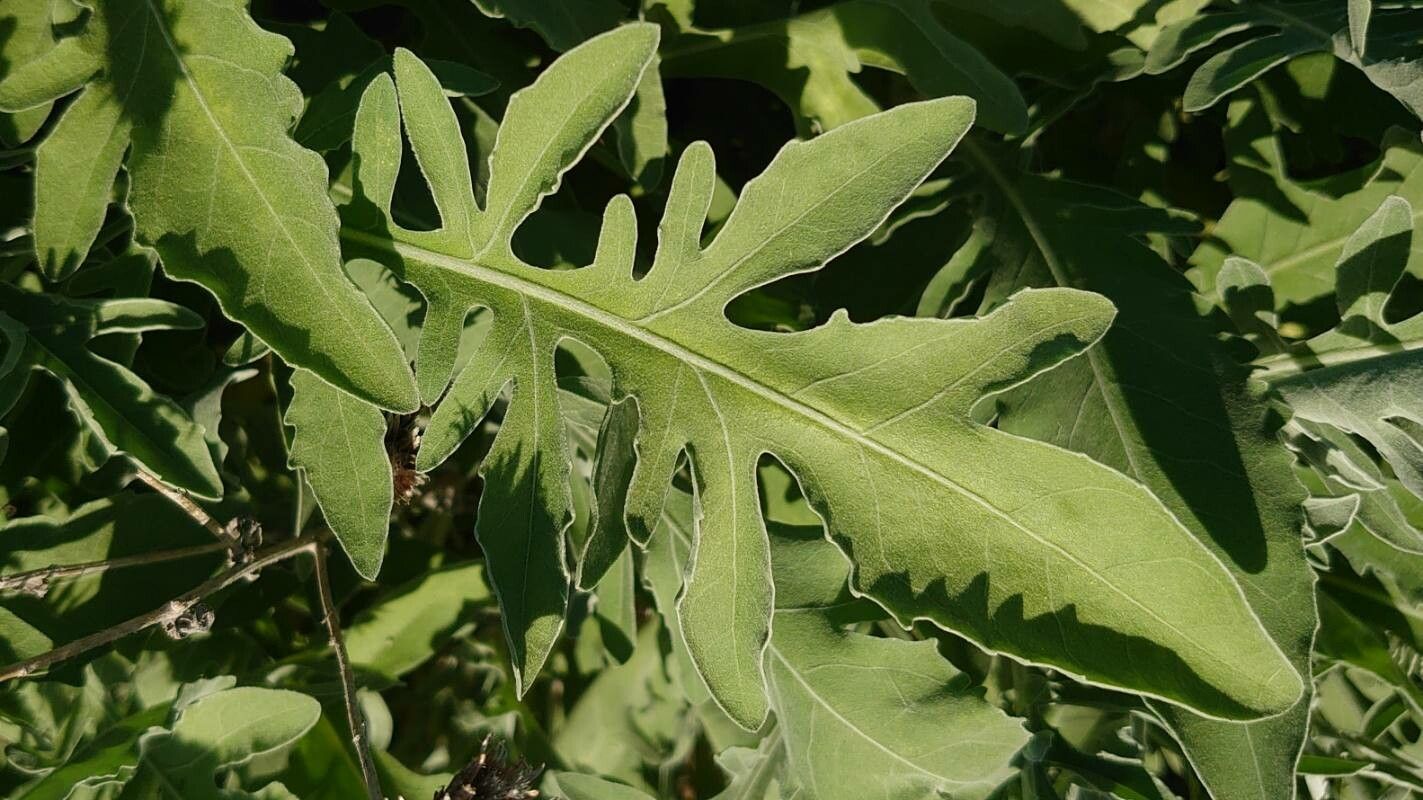
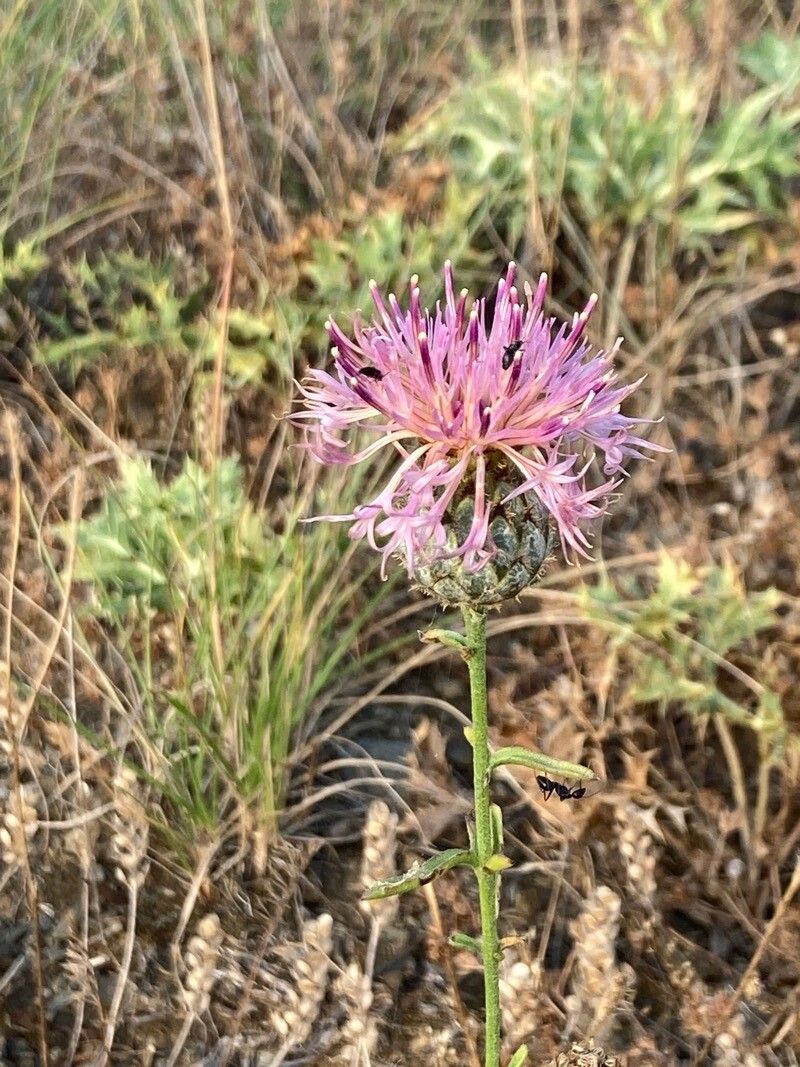
Centaurea cyanoides, the Syrian cornflower, is a species of Centaurea. It is native to Cyprus, Israel, Jordan, Lebanon, and Syria.Centaurea cyanoides looks similar to the European cornflower Centaurea cyanus although C.cyanoides is much smaller, only 2-3 cm wide, grow only in wild area and not in cultivated fields and native to the Middle East.
Centaurea triumfettii subsp. triumfettii has good disease resistance and is generally not prone to diseases. Nevertheless, it can be vulnerable to pests and diseases present in its environment, though such infections are typically mild. For care, this plant requires moderate maintenance. It needs regular pruning to preserve a neat appearance and healthy growth, and fertilizing can help encourage flowering. Centaurea triumfettii subsp. triumfettii is suitable for anyone with outdoor space, such as a garden or patio, and does not demand extensive plant-care experience. It may need more attention when grown indoors.
How to keep Centaurea Cyanoides.
Light
Centaurea triumfettii subsp. triumfettii is native to bright, open habitats and thrives in full sun. It can tolerate partial sun but favors direct sunlight for best growth. This annual and biennial plant is known for its sun-loving character.
Temperature
Centaurea triumfettii subsp. triumfettii can adjust to a broad range of temperatures, but its distribution may still be constrained by different combinations of moisture and heat. It does best in warm summer conditions with sufficient rainfall or watering. Extended periods of cloudy, rainy weather, as well as prolonged high temperatures, can raise the chance of Centaurea triumfettii subsp. triumfettii dying. In winter, appropriate protection from cold can enhance the plant's survival rate.
Fertilizer
When most of the Centaurea triumfettii subsp. triumfettii flowers have fully opened, resume fertilizing. At the peak of bloom, apply fertilizer every three to four weeks, weather permitting. Then, once Centaurea triumfettii subsp. triumfettii begins to produce fewer new flowers, stop fertilizing; there is no need to fertilize when the plant can no longer produce more blooms.
Botanical profile.
- Plant Type
- Herb
- Life Cycle
- Annual
- Genus
- Centaurea
- Family
- Asteraceae
- Hardiness Zone
- 4-9
- Mature Height
- 30 cm to 76 cm
- Mature Spread
- 20 cm to 40 cm
- Leaf Color
- Green, Dark Green
- Leaf Type
- Semi-evergreen
- Flower Color
- Blue, Purple
- Flower Size
- 3.05 cm to 5.08 cm
- Bloom Time
- Late spring, Early summer, Mid summer
- Planting Time
- Spring, Summer
- Harvest Time
- Mid summer, Late summer, Early fall
- Native Area
- Hungary, Italy, Switzerland, Slovakia, Albania, Romania, Croatia, Slovenia, France
Other names.