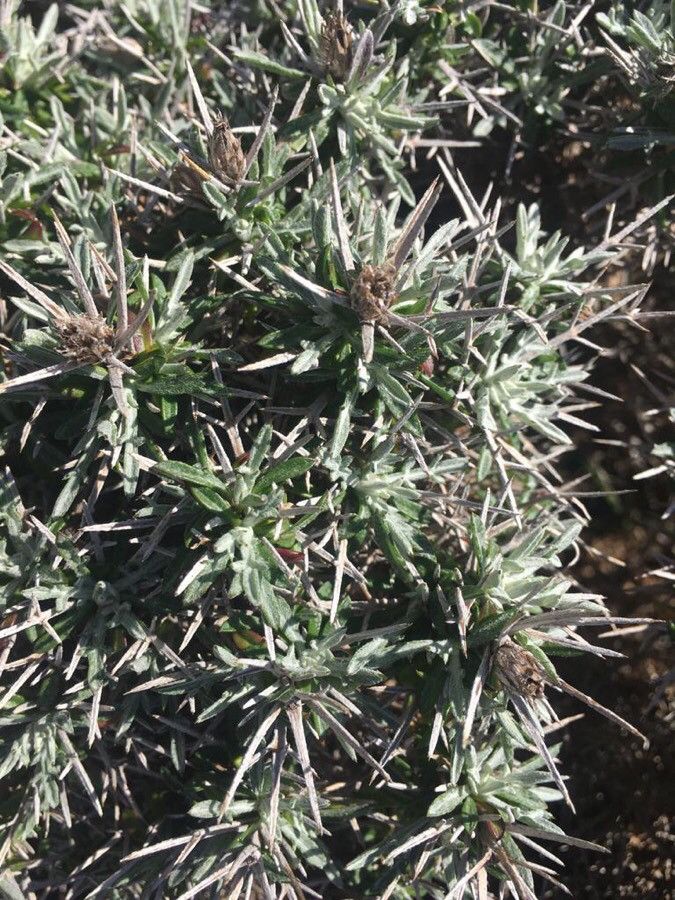
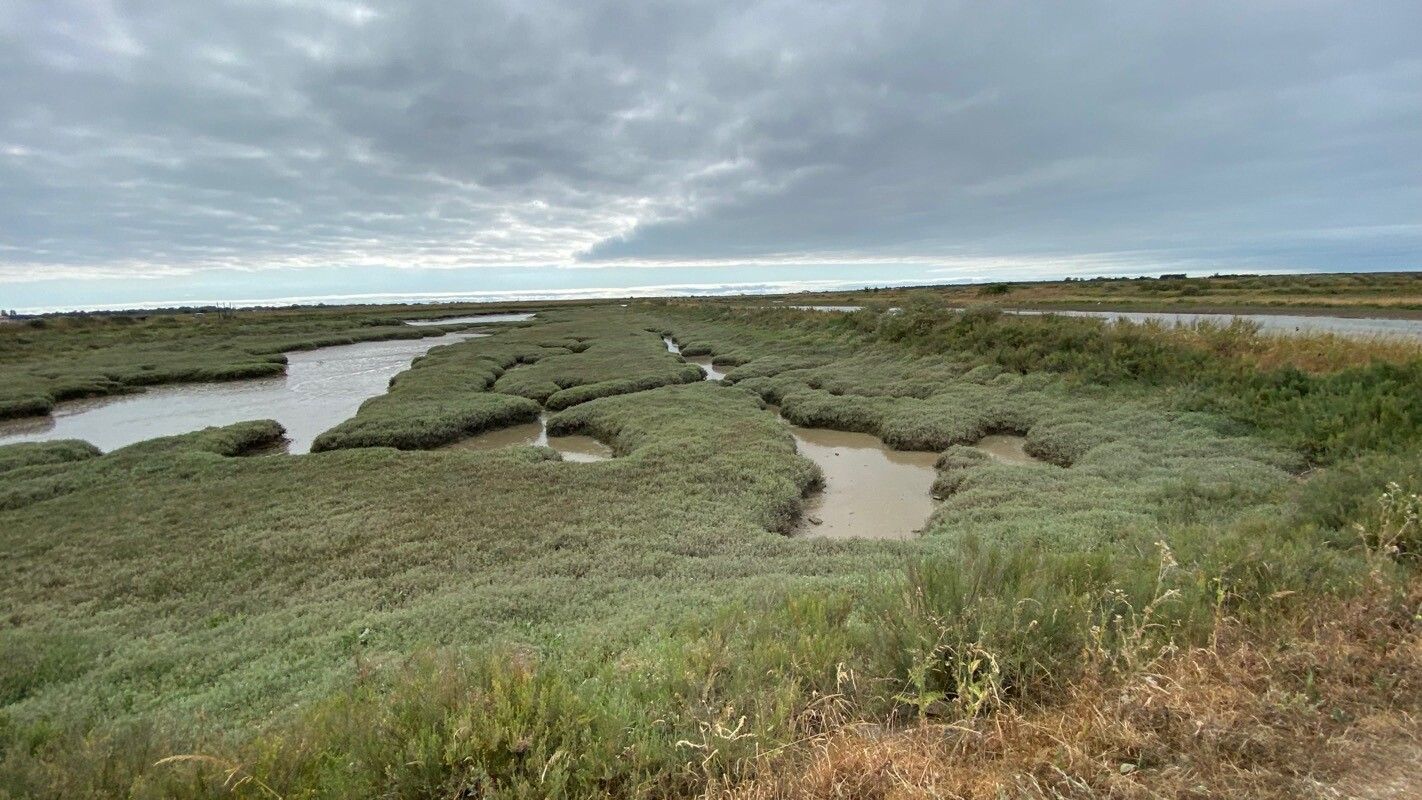
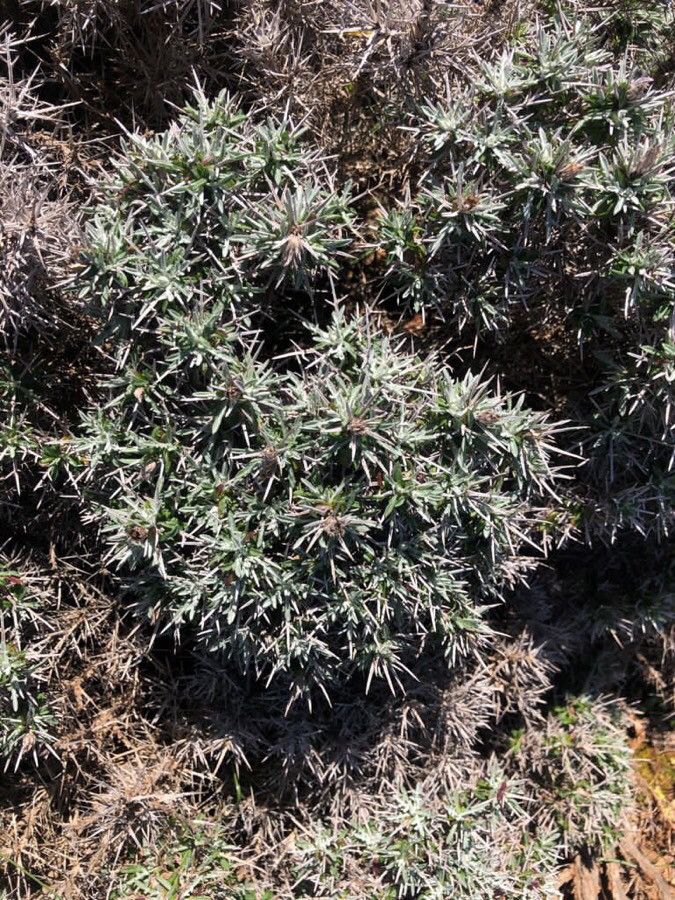
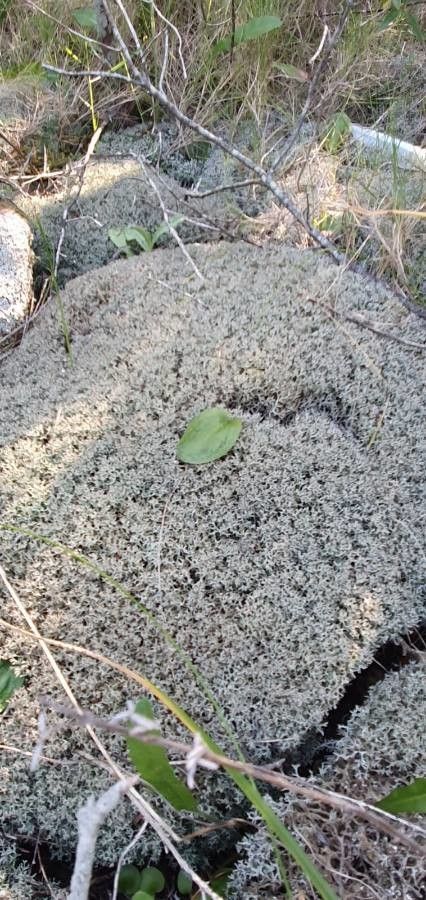
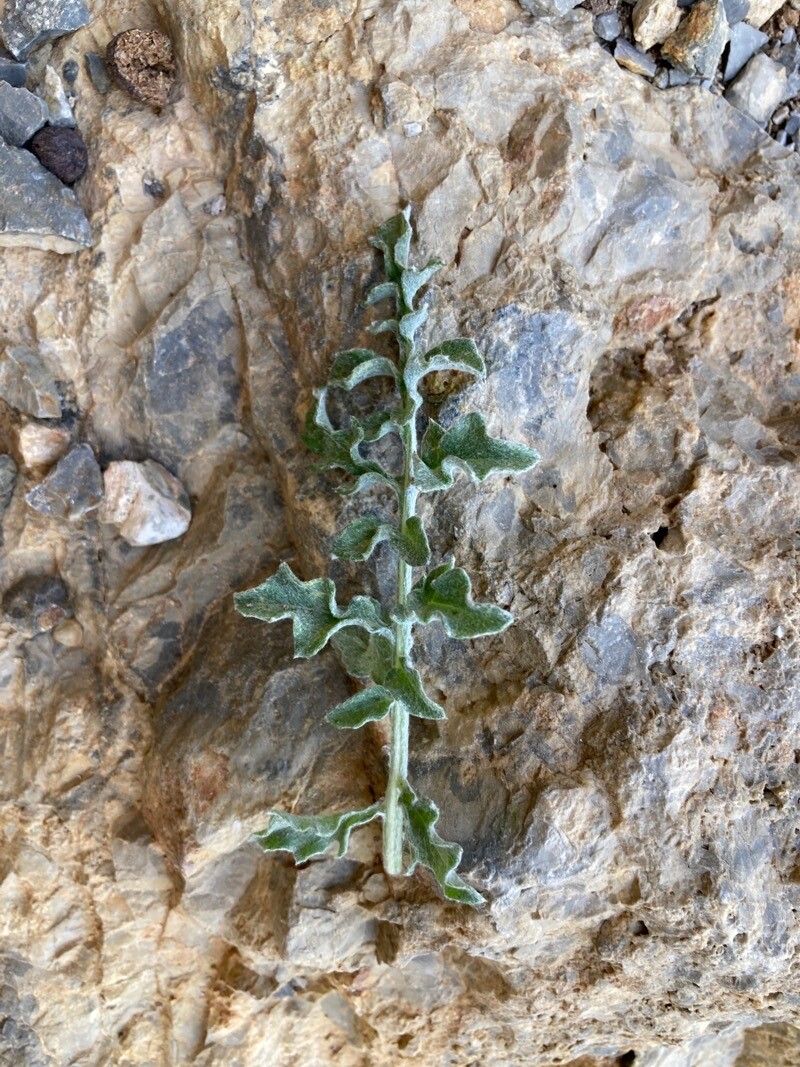
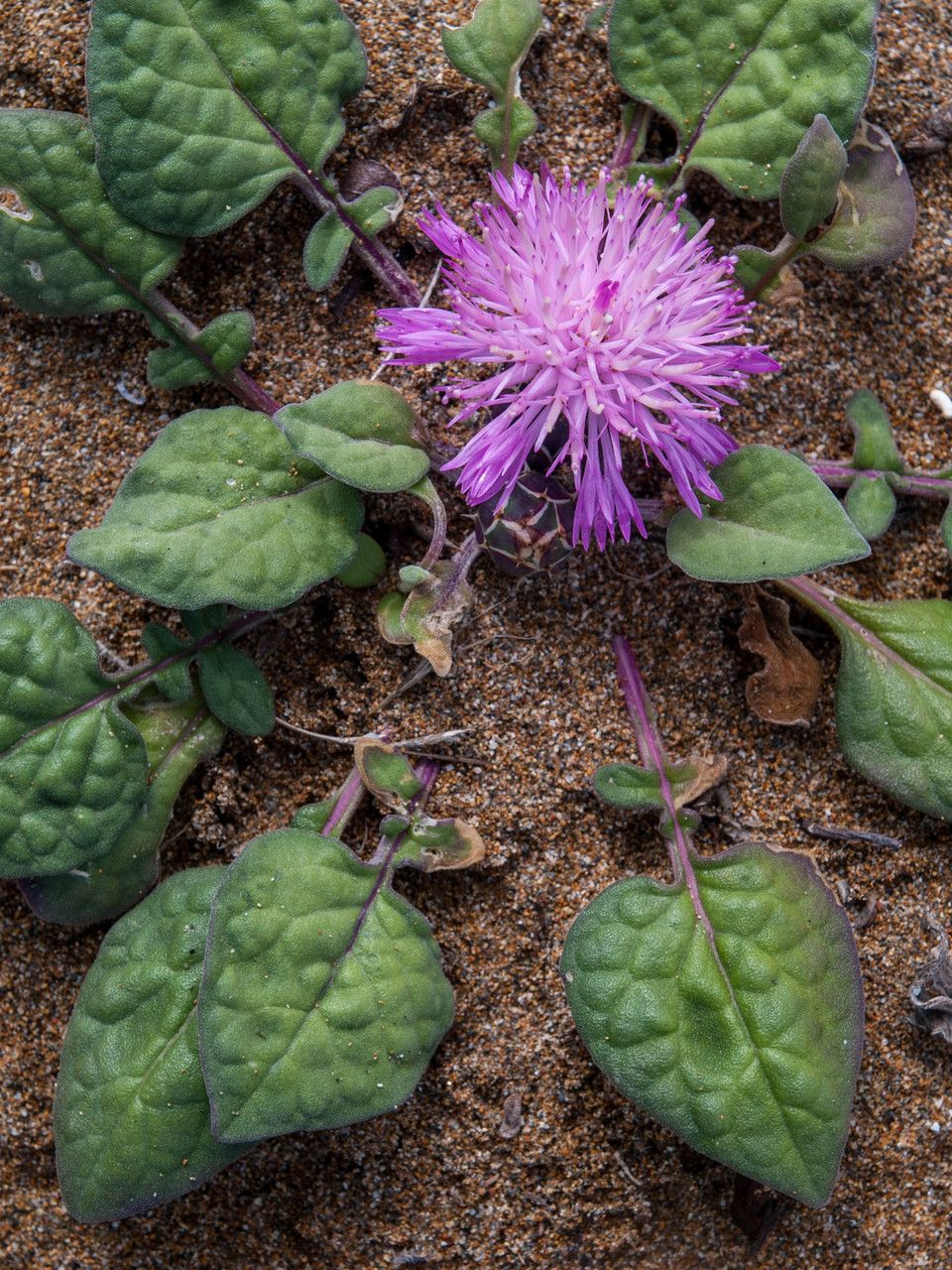
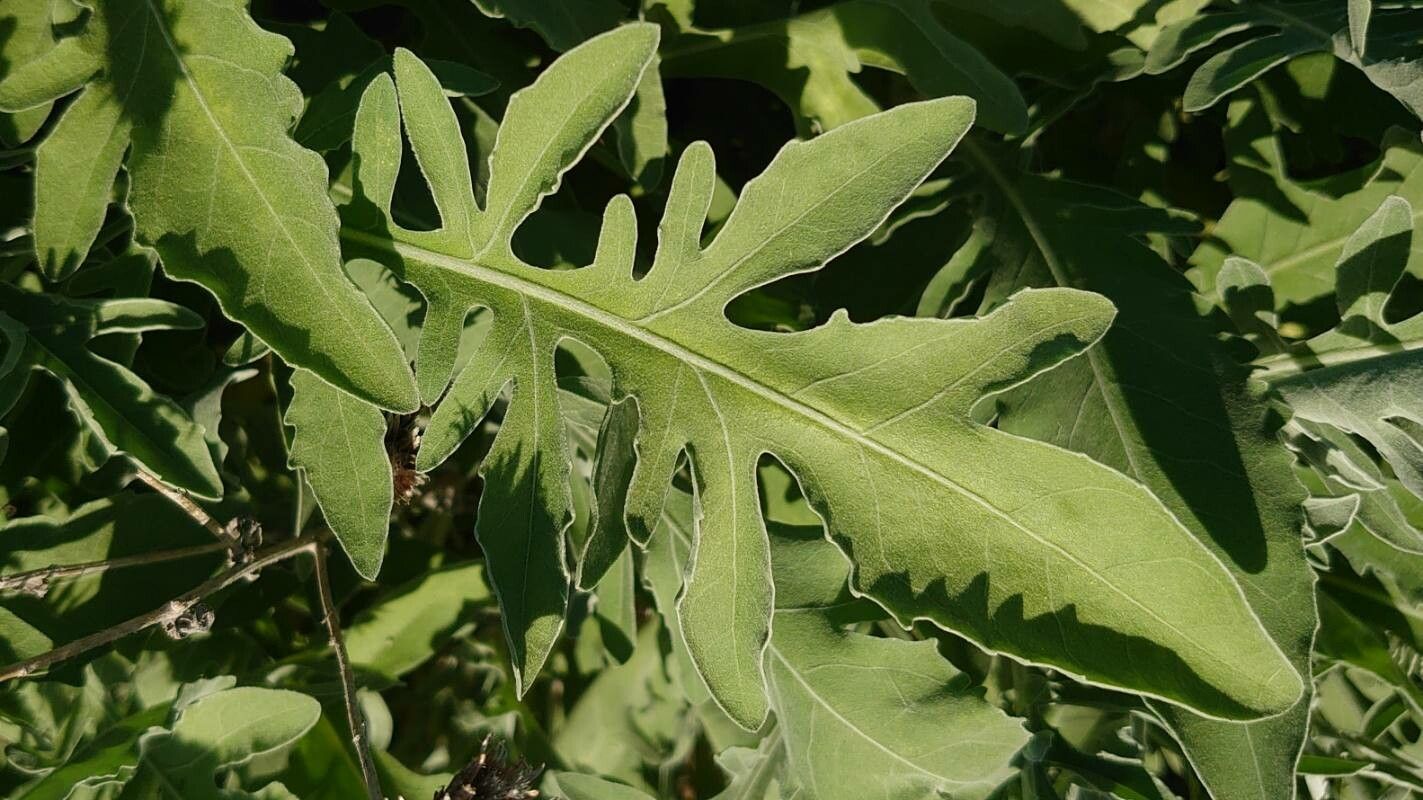
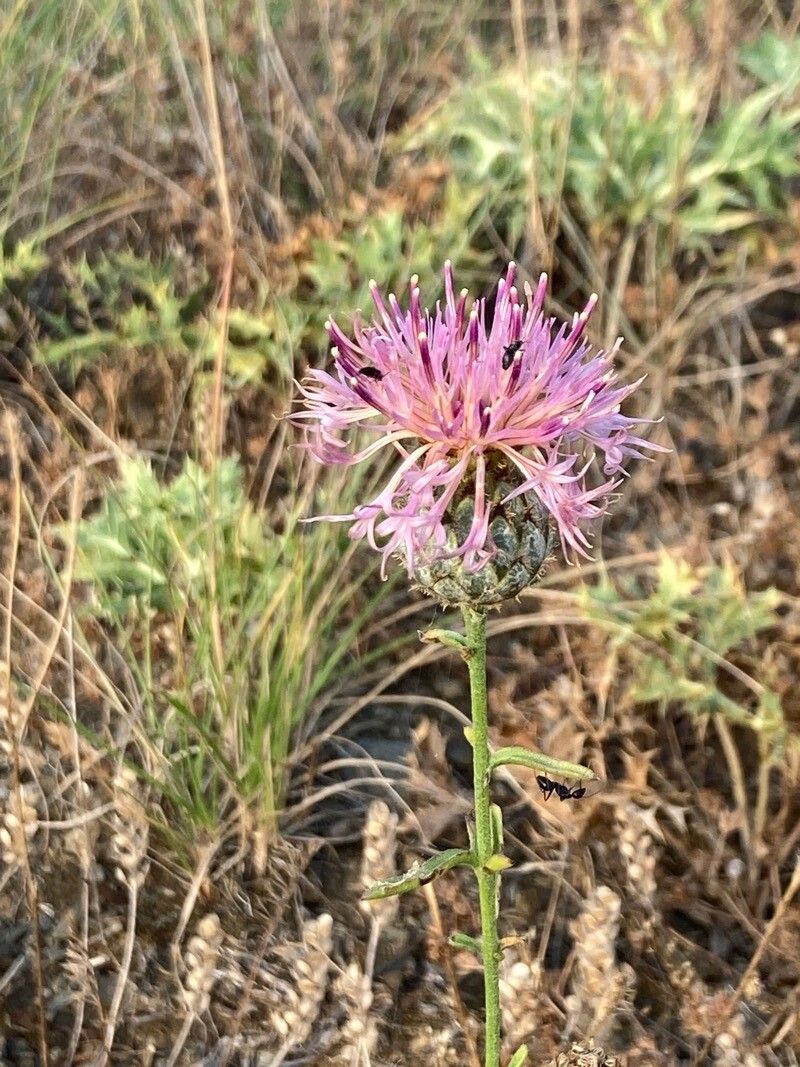
Centaurea horrida is a species of the genus Centaurea which is only found growing in Sardinia and associated islands. Due to their limited ability to disperse, they are isolated from other environments, and have a very low colonizing ability.It is a parent of the hybrid C. × forsythiana.In 1992 C. horrida was designated as a 'priority species' under Annex II of the Habitats Directive of the European Community (which was reformed as the European Union the following year). This designation was meant to serve as the basis for Italy to declare which areas in which it occurs are 'Special Areas of Conservation' -which were to form the backbone of the Natura 2000 network, but only if these areas include one of the number of habitats listed in Annex I of the directive.
How to keep Centaurea Horrida.
Water
Centaurea horrida needs moderate watering every 3-4 days during the spring and fall. In hot summers, increase watering to twice daily. In winter, reduce watering to once every 1-2 weeks, making sure that the soil remains slightly dry. You can supplement watering with misting to avoid water accumulation in the soil.
Pruning
Centaurea horrida is an evergreen shrub known for its spiny leaves and yellow flowers, and it thrives in rocky environments. For optimal growth and shape, it's best to prune the shrub in early spring. Be careful not to over-prune, as this can cause stress to the plant. Regular pruning not only promotes a bushier appearance but also improves air circulation and reduces the risk of disease.
Botanical profile.
- Life Cycle
- Perennial
- Genus
- Centaurea
- Family
- Asteraceae
Reader questions.
What are the sunlight requirements for Centaurea horrida?
Centaurea horrida, also known by its botanical name Centaurea horrida, thrives in conditions where it can receive a specific amount of sunlight daily. The plant is happy in full sun, which means it requires more than 6 hours of sunlight each day. For those areas that might not be as sun-drenched, Centaurea horrida can also manage with partial sun, needing about 3-6 hours of sunlight. It's important for gardeners to observe how sunlight moves through their garden over the day, identifying spots that offer a harmonious balance of light and shade to ensure the best growth conditions for their plants.