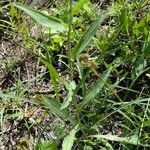
Centaurea jacea
Meadow knapweed · Brown knapweed · Brown-ray knapweed · Brownray knapweed · Brown-rayed knapweed
Description
Source: leafsnapCentaurea jacea, brown knapweed or brownray knapweed, is a species of herbaceous perennial plants in the genus Centaurea native to dry meadows and open woodland throughout Europe. It grows to 10–80 centimetres (4–31 in) tall, and flowers mainly from June to September. In Britain and America, it is often found as a hybrid of black knapweed, Centaurea nigra. Unlike the black knapweed, the flower heads always look as if they are rayed, forming a more open star rather than a brush-like tuft. Centaurea ×moncktonii is a fertile hybrid between black knapweed and brown knapweed.
🎭 Expectation, memory, dedication, gentleness, eagerness, togetherness, fruitfulness and love, as well as wealth, prosperity and the future
Care Guide
💧 Water
Brown knapweed thrives in conditions with moderate moisture and consistent soil hydration, but it does not tolerate waterlogged environments. Watering once a week aligns well with its natural growth pattern, which is influenced by the seasonal rainfall typical in temperate regions. This regular watering schedule is crucial for its growth and overall health.
How often should I give water to my Brown knapweed?
To determine if your potted Brown knapweed needs water, check the soil by inserting your finger into it. If the top few inches of soil feel dry, it's time to water. This method also applies if you have planted the Brown knapweed outdoors in the ground. Typically, watering once a week is sufficient in spring and early fall. However, during hot weather, you may need to water twice a week or more. It's worth noting that mature and well-established Brown knapweed can tolerate drought conditions well.
How should I water my Brown knapweed?
When watering the Brown knapweed, it is important to use filtered water at room temperature or slightly warmer. Tap water may contain harmful particles that can negatively impact the plant's health. Since the Brown knapweed originates from a warm environment, cold water can be a shock to its system. It is also advisable to avoid overhead watering as it can result in foliage complications. Instead, the recommended approach is to apply filtered room temperature water directly to the soil until it is completely soaked. This method benefits the plant by moistening the roots and aiding in their spread through the soil to acquire essential nutrients.
What if I give my Brown knapweed too much water or too little water?
Overwatering is a common issue for Brown knapweed and can have detrimental effects on its health. When this plant receives too much water, its stems and leaves may wilt and turn yellow. Additionally, prolonged overwatering can lead to diseases like root rot, mold, and mildew, which can be fatal for the plant. On the other hand, underwatering is less common because Brown knapweed has good drought tolerance. However, it is still possible, and when it happens, the plant's leaves may become brittle and brown. To care for your Brown knapweed, it is important to identify the signs of overwatering early. Some diseases caused by overwatering, such as root rot, may not be correctable if you wait too long. If you notice early signs of overwatering, reduce your watering schedule immediately. Additionally, check the quality of the soil. If it drains poorly, replace it with a loose, well-draining potting mix. Alternatively, if you observe signs of underwatering, simply increase your watering frequency until the signs of dehydration subside.
How much water does my Brown knapweed plant need?
When watering your Brown knapweed, do not be shy about the amount of water you give. Make sure the top two to three inches of soil are dry before watering. It is important to thoroughly water the plant, soaking the soil completely. You should add enough water so that it flows through the drainage holes at the bottom of the pot. If you do not see excess water draining, it means you have not given enough water. However, be careful not to let the water accumulate inside the soil, as it can be harmful to the plant. If there is no water draining through the pot, it might indicate poorly draining soil, which is not good for the plant's health. If the plant is outside, one inch of rain per week should be enough.
How do I water my Brown knapweed at different stages of growth?
The water needs of the Brown knapweed can vary depending on its growth stages. During its early years or when it is recently transplanted, it requires more water to support the growth of new roots. These roots are crucial for future development, and thus they benefit from being slightly moist. As the plant matures, it will require less water. However, during its blooming period, it may require more water due to the significant water consumption involved in flower development.
☀️ Light Full sun
The brown knapweed does best with plentiful sunlight, which promotes vigorous growth. It can tolerate lighter sun, but that may affect its healthy development. Native to areas with abundant light, the brown knapweed may encounter growth problems if light is insufficient, while too much sun can potentially scorch its leaves.
What are the sunlight requirements for brown knapweed?
Brown knapweed requires full sunlight for more than 6 hours a day to thrive robustly, though it can tolerate partial sun, about 3-6 hours of sunlight, which may affect its healthy development. It's important to observe your garden's sunlight patterns to spot the ideal balance of light and shade, ensuring the well-being of your plants. Insufficient light could hinder the growth of brown knapweed, originating from bright environments, while too much exposure might risk scorching its leaves.
How can artificial lighting benefit indoor brown knapweed plants?
When natural sunlight is insufficient, especially during winter or in less sunny spaces, artificial lighting becomes crucial for the optimal growth of indoor brown knapweed plants. To simulate natural conditions, select the right type of artificial light, such as LED lights, which can be adjusted to provide specific light wavelengths needed by the plant. Full sun plants require 30-50W/sq ft, partial sun plants need 20-30W/sq ft, and full shade plants should have 10-20W/sq ft of artificial light. The light source should be placed 12-36 inches above the plant to mimic sunlight and be kept on for 8-12 hours a day.
What are the symptoms of light deficiency in brown knapweed?
Symptoms of light deficiency in brown knapweed include smaller new leaves, leggy or sparse growth, premature leaf drop, halted or no new growth, and the occurrence of lighter colored or yellow leaves (chlorosis). Excessive sunlight can cause symptoms like sunscald, leaf curling, wilting, leaf scorching, and the breakdown of chlorophyll, affecting the plant's photosynthesis process.
How can I address inadequate sunlight for my brown knapweed?
To address inadequate sunlight for brown knapweed, you can gradually expose it to more sunlight or use artificial lighting. For outdoor plants, relocate them gradually to sunnier spots to prevent sunburn. Ensure they receive at least 6 hours of direct sunlight daily. If moving the plant isn't feasible, consider artificial lighting solutions, keeping lamps on for at least 8 hours daily. Removing obstructions or transplanting the plant to a sunnier location with good drainage might also help. Note that parts of the plant affected by insufficient sunlight might not recover, but new growth should be healthy if light conditions improve.
🌡️ Temperature 10–35°C
The brown knapweed naturally grows in temperatures ranging from 50 to 95°F (10 to 35°C). It prefers that same 50 to 95°F (10 to 35°C) temperature range. Depending on the season and the plant’s stage of development, the temperature may need to be adjusted slightly lower or higher.
What temperature range is ideal for the growth of brown knapweed?
Brown knapweed thrives in a temperature range of 50 to 95°F (10 to 35°C). This range is ideal for its growth throughout different seasons, although adjustments might be necessary depending on the plant's development stage. It exhibits strong cold resistance, meaning special frost protection measures usually aren't required during winter. However, if temperatures are expected to fall below -25°C, providing some form of cold protection, such as covering the plant with soil or straw, is advisable. Ensuring the soil remains moist before the first freeze in autumn helps prevent drought and water scarcity during winter and early spring.
How does brown knapweed respond to low temperatures, and what measures should be taken?
Brown knapweed is notably cold-tolerant, best thriving at temperatures above 10°C. In winter, it is important to keep it above -15°C. When temperatures drop below -25°C, while there may not be significant visible changes during the winter, the plant may experience a decrease in sprouting or fail to sprout in spring. To address this, it is recommended to remove any parts of the plant that have failed to sprout once spring arrives.
What effect does high temperature have on brown knapweed, and how can it be managed?
During summer, it is crucial to ensure that the brown knapweed does not experience temperatures above 35°C. Exposure to temperatures exceeding 41°C can lead to the plant's leaves becoming lighter in color, curling, and being more susceptible to sunburn. In severe cases, the plant may wilt and dry out entirely. To manage high temperature exposure, trim away any sunburned and dried-up parts of the plant. Moving the plant to a shaded location or using a shade cloth can protect it from the harsh midday and afternoon sun. Additionally, watering the plant in the morning and evening helps keep the soil moist, further aiding in its care during high temperatures.
What are the essential care tips for brown knapweed during different weather conditions?
For brown knapweed, ensuring the ideal temperature range of 50 to 95°F (10 to 35°C) is maintained is crucial for its health and growth. In cold seasons, the plant showcases strong resistance to frost, making special winter protection measures generally unnecessary. However, protection is needed when temperatures drop below -25°C, using materials like soil or straw for coverage. In contrast, during higher temperatures, particularly above 35°C, it's important to shield the plant from excessive sun and maintain soil moisture by watering in the cooler parts of the day. For issues related to non-sprouting parts due to low winter temperatures, removal of these sections in spring, and trimming of sunburned or dry sections in summer, are effective solutions.
💨 Humidity dry (<40%)
This plant prefers dry conditions, so don't mist it. However, watering it less often can also thrive in higher humidity.
🪴 Soil 6-7
🌱 Fertilizer
Usually one fertilizer application in spring suffices for Brown knapweed, though repeated feedings can boost growth. Apply every one to one and a half months. Fertilization improves leaf appearance and function, helping maintain even color and a healthy texture. It also promotes root development and nutrient uptake for long-term plant health.
🪴 Pot & Repot 2-3 years
When repotting Brown knapweed, choose a pot 1-2 inches (2.5–5.1 cm) larger with good drainage. Use a well-draining potting mix. Repot in spring or fall, making sure the root ball sits slightly below the rim of the flower pot. Water thoroughly after repotting and place the plant in a warm spot with indirect sunlight.
✂️ Pruning
To improve the size of your flowers, trim the terminal buds of brown knapweed to reduce the growth of side branches. In mid-summer, if you notice the leaves starting to yellow, prune the brown knapweed back by one-third to one-half. Additionally, trim the perennial roots in winter to protect the plant from cold and frost.
🌿 Propagating
🐛 Diseases & pets
☠️ Toxicity
Centaurea jacea is a plant with mid-level toxicity. It is mildly toxic to animals, especially livestock. Pay special attention when grazing to avoid poisoning in livestock.
Characteristics
- Plant Type
- Herb
- Life Cycle
- Perennial
- Genus
- Centaurea
- Family
- Asteraceae
- Hardiness Zone
- 6-10
- Mature Height
- 10 cm to 76 cm
- Mature Spread
- 40 cm to 61 cm
- Leaf Color
- Green
- Leaf Type
- Deciduous
- Flower Color
- Purple, Pink
- Flower Size
- 1.52 cm to 2.29 cm
- Bloom Time
- Early summer, Mid summer
- Planting Time
- Autumn, Spring
- Harvest Time
- Mid summer
- Native Area
- North America