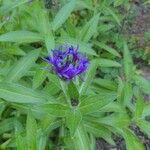
Centaurea montana
Mountain Bluet · Perennial cornflower · Bachelor Button · Mountain cornflower · Mountain knapweed
Description
Source: leafsnapCentaurea montana, commonly known as mountain bluet or perennial cornflower, is a herbaceous perennial plant in the Asteraceae family. Native to Europe and Asia, it has also been introduced and naturalized in North America. This plant grows up to 60 cm tall, forming clumps of lance-shaped, gray-green leaves. The flowers of Centaurea montana are notably beautiful, featuring deep blue-violet petals surrounding a central cone of yellow disc florets. Blooming from late spring through summer, these flowers attract bees, butterflies, and other pollinators. Centaurea montana thrives in full sun or partial shade and prefers well-drained soil. While it is drought-tolerant once established, the plant benefits from regular watering during dry spells. Propagation can be done by division or by sowing seeds in the fall. Besides its ornamental use in gardens, Centaurea montana has been used medicinally for centuries, thanks to its anti-inflammatory properties. Its roots have also served as a natural dye for textiles. Overall, Centaurea montana is an attractive perennial that adds color and interest to any garden. Additionally, it provides ecological benefits as an important source of nectar for pollinators.
💡 The showy flowers of Centaurea montana attract a variety of insects. Butterflies are drawn to them, but bumblebees find the flowers especially appealing. Meanwhile, slugs prefer to feed on the plant's leaves.
🌳 In the past, the petals of the perennial cornflower were used to make a natural blue dye. This practice goes back to a period before synthetic dyes existed, when plants were the main source of color for fabrics and other materials. The vivid blue from the perennial cornflower’s petals would have been especially prized at a time when such hues were rarer and harder to produce than they are today.
Care Guide
💧 Water Every 7 days
Perennial cornflower thrives in conditions with moderate moisture and can withstand short periods of dryness. Ideally, it should be watered weekly without causing waterlogging. Adding mulch is very beneficial, as it helps retain moisture and reduces the need for frequent watering during the growing season. This, in turn, promotes its growth as an herbaceous perennial when cultivated outdoors.
How should I water my Perennial cornflower?
To properly care for the Perennial cornflower, use filtered water at room temperature. Tap water may have harmful particles, so filtering it is preferred. The plant is accustomed to warmer conditions, so avoid using cold water as it may shock it. Additionally, do not water from above as it can cause issues with the foliage. Instead, thoroughly soak the soil with filtered room temperature water. This helps moisturize the roots and allows them to spread and collect necessary nutrients.
What should I do if I give my Perennial cornflower too much water or too little water?
Overwatering and underwatering can both harm your Perennial cornflower, but overwatering is a more common problem. Too much water can cause the stems and leaves to wilt and turn yellow. It can also lead to diseases like root rot, mold, and mildew, which can be deadly for the plant. Underwatering is less likely, as the Perennial cornflower can tolerate drought to some extent. However, if it does happen, the leaves may become brittle and brown. It's important to quickly recognize the signs of overwatering. Some diseases caused by overwatering, like root rot, may not be fixable if left untreated. If you see early signs of overwatering, reduce your watering schedule and check the quality of the soil. If the soil drains poorly, replace it with a loose, well-draining potting mix. On the other hand, if your Perennial cornflower shows signs of not getting enough water, simply increase the frequency of watering until the signs go away.
How frequently should I water my Perennial cornflower?
If you have a potted plant, the easiest way to know when to water your Perennial cornflower is to stick your finger in the soil. If the top two to three inches of soil feel dry, it's time to water it. If you have your Perennial cornflower planted outside in the ground, you can use the same method. Once the top few inches of soil have dried out, it's time to water. In the spring and early fall, watering once a week is usually sufficient. However, during extremely hot weather, you may need to water your plant two or more times a week. It's important to note that mature, well-established Perennial cornflowers are very resilient and can withstand dry spells.
How much water does my Perennial cornflower plants need?
To properly water your Perennial cornflower, don't hesitate to give it a generous amount of water. Make sure the top two to three inches of soil are dry before watering. It's important to thoroughly soak the soil, allowing water to flow through the drainage holes at the bottom of the pot. If you don't see excess water draining, it means you haven't watered enough. However, be careful not to let water accumulate in the soil, as this can harm the plant. If water doesn't drain well from the pot, it may indicate poor soil drainage, which is harmful to the plant's health. If the plant is outdoors, one inch of rain per week is sufficient.
How do I water my Perennial cornflower as it grows?
The water needs of the Perennial cornflower can vary depending on its growth stages. When the plant is young or recently transplanted, it requires more water than usual. This is because it is directing a lot of energy towards developing new roots, which need extra moisture to support future growth. As the plant matures over a few seasons, it will require less water. Another stage where increased water may be necessary is during the bloom period, as flower development can consume a significant amount of moisture.
☀️ Light Full sun
Perennial cornflower grows best with abundant sunlight and tolerates moderate sun, reflecting its origins in wide open native fields. Too much or too little light can cause reduced growth or bleaching. Its requirement for ample sunlight remains the same at all stages of growth.
What are the sunlight requirements for Perennial Cornflower?
Perennial Cornflower requires full sun for optimal growth, meaning it needs more than 6 hours of sunlight daily. However, it can also tolerate partial sun, which is about 3-6 hours of sunlight. It's essential to observe the movement of sunlight through your garden to find the perfect balance of light and shade, ensuring the plant's happiness and health.
How important is sunlight for the growth of Perennial Cornflower?
Sunlight is critical for the growth of Perennial Cornflower, as it thrives under ample solar exposure. This need is consistent throughout their growth stages. In their native habitats of expansive open fields, these plants fare well with moderate to full sunlight. Insufficient or excessive exposure can lead to issues like stunted growth or bleaching. In spaces where natural light is inadequate, especially indoors or during winter, artificial lighting becomes essential. Artificial lights, such as LEDs, which can be customized to provide specific wavelengths, help in promoting healthy plant growth.
What are the symptoms of inadequate lighting in Perennial Cornflower?
Perennial Cornflower shows various symptoms when exposed to inadequate lighting, including smaller new leaves, leggy or sparse growth, early leaf drop, and halted new growth. Additionally, lighter-colored new leaves, chlorosis, sunscald, leaf curling, wilting, and leaf scorching are indicators of lighting issues. These symptoms highlight the plant's struggle in non-optimal light conditions, either due to insufficient light or excessive sunlight exposure.
What solutions are suggested for Perennial Cornflower experiencing inadequate lighting?
For indoor Perennial Cornflower plants struggling with inadequate lighting, gradually moving them to sunnier locations until they receive at least 6 hours of direct sunlight daily is recommended. Using a south-facing window or artificial lighting, such as desk lamps or grow lights, for at least 8 hours daily can help. Outdoors, gradually acclimating plants to sunnier spots can prevent sunburn. If sunlight is blocked by obstacles, outdoor plants may benefit from pruning obstructions or transplanting to sunnier locations, ensuring they receive ample sunlight and good drainage. It is important to note, however, that parts of the plant already affected by poor lighting may not recover, but new growth will be healthy with improved light conditions.
🌡️ Temperature 5–35°C
The perennial cornflower originates from temperate regions and thrives at temperatures of 68 to 95 °F (20 to 35 ℃). It may be necessary to alter conditions to reproduce this temperature range as the seasons change.
What is the native climate for Perennial Cornflower?
Perennial cornflower, with its botanic name Centaurea montana, is native to temperate climates, thriving in temperatures ranging from 68 to 95 °F (20 to 35 °C). To ensure the plant flourishes, adjustments might be necessary to replicate these conditions throughout the seasonal changes. Given its strong resistance to cold, special frost protection measures are generally not required. However, if temperatures are anticipated to fall below -25°C, steps should be taken to protect the plant by covering it with materials like soil or straw. Additionally, watering the plant copiously before the first autumn freeze to keep the soil moist helps prevent drought and water scarcity during the winter and early spring.
How does low temperature affect Perennial Cornflower, and what are the solutions?
Despite its cold tolerance and optimal growth above 20°C, the Perennial cornflower needs to be kept above 0°C during winter. Temperatures dropping below -25°C might not show immediate effects, but can lead to reduced sprouting or no sprouting at all come springtime. To mitigate these effects, it's advised to remove any parts of the plant that have failed to sprout in spring as part of the care routine.
How does high temperature affect Perennial Cornflower, and what are the solutions?
In the summer, it's important to keep the Perennial cornflower below 35°C to avoid heat stress. Should the temperature rise above 38°C, the plant's leaves might start to lighten in color, curl, become susceptible to sunburn, and in severe cases, wilt and dry out completely. To address these issues, trimming sunburned and dried-up parts of the plant, relocating it to a shaded area during the midday and afternoon sun, or using a shade cloth to provide shelter are effective strategies. Additionally, watering in the morning and evening can help keep the soil adequately moist.
💨 Humidity
🪴 Soil 6-7
🌱 Fertilizer
The best time to fertilize a Perennial cornflower is in early spring, as it comes out of dormancy and begins active growth. Fertilization supplies essential nutrients for healthy development. Although a Perennial cornflower has relatively low fertilizer needs, annual feeding can improve its survival and encourage better, longer-lasting flowers.
Why should I put fertilizer on my Perennial cornflower?
Fertilization is important for the Perennial cornflower for various reasons. One key benefit is that it provides essential nutrients for the plant's growth both above and below ground. However, the Perennial cornflower has relatively low fertilization needs overall. While it can survive without fertilization at times, annual fertilization can greatly benefit the plant. It helps maintain its health and may also result in improved and longer-lasting flowers. Therefore, for those wanting their Perennial cornflowers to look their best, it is advisable to continue with annual fertilization.
When should I fertilize my Perennial cornflower plant to get the best results?
The best time to fertilize a Perennial cornflower is in the late winter to early spring when it is transitioning from dormancy to active growth. This encourages healthy growth as the plant starts the season. Fertilizing in the early spring is most beneficial but it is also okay to fertilize in the fall. Avoid feeding the Perennial cornflower during summer and winter.
When is the best time to not fertilize my Perennial cornflower?
To properly care for your Perennial cornflower, it's important to know when to fertilize and when to hold off. The best time for fertilization is during late winter and early spring. This plant doesn't require much fertilizer, so a single annual feeding is enough. Avoid fertilizing during spring, summer, and fall, as this can easily lead to overfertilization and its resulting complications. However, if you missed fertilizing in spring, it's acceptable to feed the plant in fall. Additionally, there's no need to fertilize during the winter when the plant goes into a dormant growth phase and doesn't produce new growth. Therefore, it's not recommended to fertilize during most of the winter.
What kind of fertilizer does my Perennial cornflower require?
Perennial cornflowers can benefit from using a general-purpose fertilizer that contains balanced amounts of the main plant nutrients. However, some nutrient blends are especially beneficial, such as those with higher levels of phosphorus which can promote stronger roots and better flowers. It's important to ensure that the chosen fertilizer, whether granular or liquid, is rich in nutrients. Additionally, organic methods like compost and manure can also be effective in improving the soil for Perennial cornflowers and creating a healthy growing environment.
How do I add nutrients to my Perennial cornflower plant?
To fertilize a Perennial cornflower, the most common method is to use granular or pellet fertilizer applied to the soil around the plant. It's important to fertilize when the plant is transitioning from its winter dormant growth phase to active growth - usually in early spring when shoots start emerging from the soil. If you prefer using liquid fertilizer instead, remember to dilute it with water before application. Regardless of the type of fertilizer you choose, it's recommended to moisten the soil before, during, and after applying the fertilizer.
🪴 Pot & Repot
✂️ Pruning
The perennial cornflower boasts vibrant blue flowers and lush, bushy growth. To maintain its vigor, prune it in early spring and again after its first bloom to encourage a second flowering. Make clean cuts near the leaf nodes to promote healthier foliage and longer-lasting blooms. Regular trimming also prevents overcrowding, improves air circulation, and reduces the risk of disease.
🌿 Propagating
🐛 Diseases & pets
☠️ Toxicity
Characteristics
- Plant Type
- Herb
- Life Cycle
- Perennial, Annual
- Genus
- Centaurea
- Family
- Asteraceae
- Hardiness Zone
- 5-9
- Mature Height
- 30 cm to 61 cm
- Mature Spread
- 30 cm to 61 cm
- Leaf Color
- Green, Gray
- Leaf Type
- Deciduous
- Flower Color
- Blue, Purple
- Flower Size
- 5.08 cm
- Bloom Time
- Late spring, Early summer
- Planting Time
- Spring, Summer
- Harvest Time
- Mid summer
- Native Area
- Russia, Norway, Germany, Austria, Italy, Spain, Switzerland, Czech Republic, Slovakia, Netherlands, France, Poland, Ireland, United Kingdom, Croatia, Slovenia, Belgium, Serbia