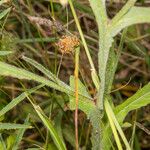
Centaurea napifolia
Nateesha Flame
Care Guide
💧 Water
☀️ Light Full sun
Centaurea napifolia comes from bright, open habitats and does best in full sun. It can tolerate partial sun but prefers direct sunlight for optimal growth. This annual and biennial plant is recognized for its sun-loving character.
What type of sunlight does Centaurea napifolia require?
Centaurea napifolia requires specific sunlight conditions to thrive. For 'full sun' exposure, the plant needs above 6 hours of sunlight daily. If the plant is in a 'partial sun' setting, it should receive about 3-6 hours of sunlight each day. It's important to observe the way sunlight moves through your garden to ensure you're placing your plants in spots that offer a harmonious balance of light and shade. This thoughtful placement is key to the happiness and health of your plants.
🌡️ Temperature 15–35°C
Centaurea napifolia is quite adaptable to temperature, able to withstand higher heat and substantial temperature swings. In hot weather, attention should be paid to watering and providing appropriate shade to avoid sunburn. Conversely, Centaurea napifolia tolerates low temperatures poorly. It can handle some cold, but very low temperatures can cause frost damage.
💨 Humidity
🪴 Soil 6-8
🌱 Fertilizer
When most of Centaurea napifolia's blooms have opened and reached full size, resume fertilizing. Around the peak bloom period, apply fertilizer every three to four weeks, weather permitting. Then, once the plant begins to produce fewer new blooms, stop fertilizing; there's no need to feed it when it can no longer produce more flowers.
🪴 Pot & Repot
✂️ Pruning
Centaurea napifolia thrives when regularly pruned, which helps to improve its shape and overall health. Key pruning techniques include removing dead stems and enhancing air circulation within the plant. The best time to prune is from early to late spring, encouraging new growth and protecting the plant from pests and diseases. This results in a vibrant display throughout the growing season.
🌿 Propagating
🐛 Diseases & pets
☠️ Toxicity
Characteristics
- Plant Type
- Herb
- Life Cycle
- Annual, Biennial
- Genus
- Centaurea
- Family
- Asteraceae
- Hardiness Zone
- 7-10
- Mature Height
- 30 cm to 91 cm
- Mature Spread
- 20 cm to 40 cm
- Leaf Color
- Green, Dark Green
- Leaf Type
- Semi-evergreen
- Flower Color
- Purple, Pink
- Flower Size
- 3.05 cm to 5.08 cm
- Bloom Time
- Late spring, Early summer, Mid summer
- Planting Time
- Spring, Summer, Autumn
- Harvest Time
- Mid summer, Late summer, Early fall
- Native Area
- Tunisia, Italy, Algeria, Morocco, France