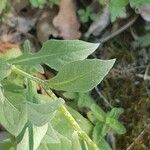
Centaurea nigrescens
Tyrol knapweed · Wocheiner knapweed · Vochin knapweed · Short-fringe knapweed · Alpine Knapweed
Description
Source: leafsnapCentaurea nigrescens, commonly known as black knapweed, is a perennial herbaceous plant in the Asteraceae family. Native to Europe and western Asia, it has been introduced to North America as an ornamental plant. This plant typically grows up to 60 cm tall and features a basal rosette of lance-shaped leaves with toothed margins. Its stem stands erect, branches out, and is covered with fine hairs. The flowers of Centaurea nigrescens are dark purple or blackish-red and are surrounded by spiny bracts. They bloom from June through August, forming clusters at the tops of the stems. These flowers attract bees, butterflies, and other pollinators. Centaurea nigrescens thrives in well-drained soils under full sun or partial shade but is quite adaptable, tolerating a variety of soil types, including sandy soils. It can often be found growing along roadsides, in meadows, pastures, or other disturbed areas. Historically, black knapweed has been used for medicinal purposes due to its anti-inflammatory properties, making it effective for treating wounds and skin irritations such as eczema and psoriasis. Overall, Centaurea nigrescens is an attractive ornamental plant that not only provides nectar for pollinators but also offers medicinal benefits, making it both aesthetically pleasing and health-promoting.
Care Guide
💧 Water Every 7 days
Tyrol knapweed, which originates from alpine meadows, thrives in environments with moderate moisture and can withstand short dry periods. To maintain optimal hydration, water it weekly. While it flourishes outdoors, benefiting from natural rainfall, it is essential to plant it in well-draining soil to mimic its native habitat.
How should I water my Tyrol knapweed plant?
To properly water the Tyrol knapweed, use filtered water at room temperature. Tap water may contain harmful particles for this plant, so stick to filtered water. The plant prefers room temperature or slightly warmer water to simulate its warm environment. Avoid overhead watering to prevent foliage problems. Instead, pour your filtered room temperature water directly onto the soil until it is fully soaked. This benefits the plant by moistening the roots and aiding nutrient absorption.
What should I do if I give my Tyrol knapweed too much or too little water?
It is important to be aware that both overwatering and underwatering can harm your Tyrol knapweed plant, but overwatering tends to be a more frequent problem. When the Tyrol knapweed receives excessive water, its stems and leaves may wilt and turn yellow. Overwatering for an extended period of time can also result in diseases like root rot, mold, and mildew, which can be fatal for the plant. While underwatering is less common, it is still possible, and in these cases, the leaves of the Tyrol knapweed become brittle and brown. Therefore, it is crucial to promptly recognize signs of overwatering while caring for your Tyrol knapweed. Some diseases caused by overwatering, including root rot, may become irreversible if not addressed promptly. If you observe initial signs of overwatering, reduce your watering frequency immediately. Additionally, assess the soil quality in which your Tyrol knapweed is growing. If the soil has poor drainage, replace it with loose, well-draining potting mix. Alternatively, if you notice signs of inadequate watering, simply ensure regular watering until those signs disappear.
How frequently should I water my Tyrol knapweed plant?
For potted Tyrol knapweed plants, the most accurate way to determine if they need water is to check the soil by sticking your finger in it. If the top two to three inches of soil feel dry, it's time to water them. If you have Tyrol knapweed growing outdoors in the ground, you can use a similar method. When the first few inches of soil have dried out, it's a sign to water them. Typically, you'll need to water this plant once a week during spring and early fall. In very hot weather, you may need to increase watering to twice a week or more. However, it's worth mentioning that mature, well-established Tyrol knapweed can tolerate drought well.
How much water does my Tyrol knapweed need? How much water does my Tyrol knapweed require?
To water your Tyrol knapweed effectively, follow these guidelines: 1. When the top two to three inches of soil are dry, it’s time to water. 2. Give the plant a thorough and extended watering session, ensuring that the soil is completely soaked. 3. Add enough water to the pot so that excess water drains through the bottom drainage holes. If no excess water drains, you likely didn’t water enough. However, be cautious not to let water accumulate inside the soil, as this can harm the plant. 4. If water doesn’t drain properly, it may indicate poorly draining soils, which are harmful to the plant's health. Avoid using such soils. 5. If the plant is kept outside, approximately 1 inch of rain per week will suffice.
How do I water my Tyrol knapweed at different stages of growth?
The water needs of the Tyrol knapweed can vary depending on its growth stages. When the knapweed is in its early years or has been recently transplanted, it requires more water than usual. During these stages, the knapweed focuses on growing new roots to support future growth, and these roots thrive with slightly more moisture. As the knapweed matures over a few seasons, its water needs decrease. Additionally, during the bloom period, the knapweed may require more water due to the significant moisture usage for flower development.
☀️ Light Full sun
Tyrol knapweed grows best in places with plentiful daylight all day. It can also tolerate conditions with moderate sun cover fairly well. Its growth may be inhibited if sunlight is reduced too much. Keep in mind its original environment provides considerable sun exposure.
What are the sunlight requirements for Tyrol Knapweed?
Tyrol Knapweed requires significant sunlight exposure for optimal growth. It thrives in full sun conditions, which means it needs more than 6 hours of sunlight per day. It can also grow under partial sun, requiring about 3-6 hours of sunlight. Pay close attention to the movement of sunlight in your garden to ensure that the plants receive the appropriate balance of light and shade. This observation is crucial for the plant's health and growth.
What are the essentials for growing Tyrol Knapweed successfully?
To grow Tyrol Knapweed successfully, ensure it receives ample daylight. While the plant manages well under moderate sun exposure, too little sunlight can hinder its growth. Originating from environments with abundant sunlight, Tyrol Knapweed does best in similar conditions. For indoor plants, adequate lighting is essential for optimal growth, especially where natural sunlight is scarce. In such cases, artificial light sources, such as LED lights, can be vital. These should be tailored to provide the necessary wavelengths of light at the right intensity, distance, and duration to mimic natural conditions, with recommended intensities varying based on the plant's sunlight needs.
What symptoms indicate Tyrol Knapweed isn't getting enough light?
When Tyrol Knapweed doesn't receive enough light, it exhibits several symptoms indicating light deficiency. These include smaller new leaves, leggy or sparse growth, faster leaf drop, slower or completely halted new growth, and the development of lighter-colored or irregularly patterned new leaves due to chlorophyll deficiency. Conditions like chlorosis, sunscald, leaf curling, wilting, and leaf scorching may also occur, highlighting the importance of proper sunlight exposure for the health of Tyrol Knapweed.
How can I address light deficiency issues in Tyrol Knapweed?
To address light deficiency in Tyrol Knapweed, for indoor environments, gradually move the plant to a sunnier spot each week until it receives at least 6 hours of direct sunlight daily. Maximizing sunlight exposure through a south-facing window, keeping curtains open, or using artificial grow lights for at least 8 hours a day can help. Outdoors, gradually introduce the plant to sunnier locations to avoid sunburn. Pruning surrounding foliage can increase sunlight access. For plants in the ground that suffer from obstructions, consider pruning or transplanting to a more suitable location during the plant's dormant period to ensure ample sunlight and good drainage.
🌡️ Temperature 0–37.8°C
Tyrol knapweed occurs naturally in habitats where temperatures typically range from 32 to 100°F (0 to 38℃). It prefers temperate climates, reflecting an inherent inclination toward moderate temperatures. Seasonal adjustments may be necessary when temperatures rise above or fall below its preferred range.
What is the native climate for Tyrol knapweed?
Tyrol knapweed, botanically known as Centaurea nigrescens, is indigenous to areas where the temperature typically ranges from 32 to 100°F (0 to 38°C). These conditions point to a preference for temperate climates, highlighting the plant's innate attraction to moderate temperatures. Adaptations might be necessary if the temperatures fluctuate significantly beyond this plant's comfort zone.
How does Tyrol knapweed cope with cold temperatures?
Tyrol knapweed exhibits a significant resistance to cold, alleviating the need for any special frost protection in typical winter conditions. Although it withstands cold well, if temperatures are anticipated to plummet below -40°C, taking steps to protect it against the cold becomes important. This can involve covering the plant with insulating materials like soil or straw. Additionally, it is advisable to water the plant copiously before the first freeze of autumn to make sure the soil is moist and freezes in that state, which helps in preventing water scarcity and drought during the colder months and early spring.
What are the symptoms and solutions for Tyrol knapweed exposed to low temperatures?
When exposed to temperatures lower than ideal, Tyrol knapweed, which thrives best above 0°C, should preferably not be subjected to temperatures falling below -35°C. In instances where the temperature drops below -40°C, the plant might not display immediate distress; however, a notable decrease in sprouting or a complete lack of sprouting could occur by spring. The advised solution for such a scenario is to remove any parts of the plant that have failed to sprout come spring.
How should Tyrol knapweed be cared for in high temperatures?
During the hotter months, ensuring that Tyrol knapweed does not endure temperatures above 38°C is crucial for its well-being. Exposure to temperatures exceeding 43°C can lead to symptoms such as leaves lightening in color, becoming prone to curling, suffering from sunburn, and in severe cases, the plant might wilt and dry out completely. To mitigate these issues, it's recommended to trim away any affected parts, relocate the plant to a shaded area or employ a shade cloth to protect it during the peak sun hours. Additionally, watering the plant during cooler times of the day, like mornings and evenings, is advised to maintain soil moisture.
💨 Humidity
🪴 Soil 6-7
🌱 Fertilizer
The ideal time to fertilize a Tyrol knapweed is in early spring, as it comes out of dormancy and begins active growth. Fertilization supplies essential nutrients for healthy development. Although a Tyrol knapweed has relatively low fertilizer requirements, annual fertilization can improve its survival and encourage better, longer-lasting flowers.
🪴 Pot & Repot
✂️ Pruning
Tyrol knapweed features lance-shaped leaves and pinkish-purple flowers. To care for this plant, prune it from early to late spring. Remove dead stems and thin out crowded areas to enhance air circulation. This will encourage healthy growth, increase blooms, and help reduce its invasiveness. Additionally, be sure to sterilize your tools to minimize the risk of infection.
🌿 Propagating
🐛 Diseases & pets
☠️ Toxicity
Characteristics
- Plant Type
- Herb
- Life Cycle
- Perennial
- Genus
- Centaurea
- Family
- Asteraceae
- Hardiness Zone
- 2-11
- Mature Height
- 0.3 m to 1.52 m
- Mature Spread
- 20 cm to 40 cm
- Leaf Color
- Green, Dark Green
- Leaf Type
- Semi-evergreen
- Flower Color
- Purple, Lavender
- Flower Size
- 2.54 cm to 3.81 cm
- Bloom Time
- Summer
- Planting Time
- Spring, Summer, Autumn
- Harvest Time
- Late summer, Early fall, Mid fall