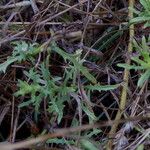
Centaurea paniculata
Jersey knapweed · Panicled knapweed · Paniculate knapweed
Description
Source: leafsnapCentaurea paniculata, the Jersey knapweed, is a species of Centaurea found in France and northern Italy.
Care Guide
💧 Water
Jersey knapweed, a plant native to the Mediterranean, is well-suited for moderate rainfall and short periods of drought. For optimal growth, water it weekly to keep the soil moist but not overly saturated. This plant thrives in full sunlight and requires well-drained soil, making it ideal to grow outdoors to prevent root rot.
How can I water my Jersey knapweed in the best way?
To properly water the Jersey knapweed, it's best to use filtered water at room temperature. Tap water may contain harmful particles that can negatively affect the plant's health. Additionally, the water should be slightly warm because the Jersey knapweed is accustomed to warmer environments and cold water might shock its system. Instead of overhead watering, it's recommended to apply the filtered room temperature water directly to the soil until it is fully soaked. This method helps moisten the roots and allows them to spread through the soil to gather essential nutrients.
What should I do if I give my Jersey knapweed too much or too little water?
Overwatering is a more common issue for Jersey knapweed and can cause wilting, yellowing leaves, and potential diseases like root rot, mold, and mildew. Underwatering is less common but can result in brittle, brown leaves. It's important to notice signs of overwatering early to prevent irreversible damage. If overwatering is detected, reduce watering immediately and ensure the soil has good drainage. In the case of underwatering, simply water more regularly until symptoms improve.
How often do I need to water my Jersey knapweed?
If your Jersey knapweed is in a pot, the best way to determine if it needs water is to stick your finger into the soil. If the top two to three inches of soil feel dry, it's time to water it. For those growing Jersey knapweed outdoors in the ground, you can use a similar method to test the soil. When the top few inches of soil have dried out, it's time to water. Usually, this means watering the plant about once a week during spring and early fall. However, during extremely hot weather, you may need to water it twice a week or even more. Keep in mind that mature, well-established Jersey knapweed can withstand drought well.
How much water does my Jersey knapweed plant require?
When watering your Jersey knapweed, don't be afraid to give it a good amount of water. Make sure the top two to three inches of soil are dry before watering, and then give it a thorough watering so that the soil is completely soaked. You should add enough water so that it drains through the pot's bottom drainage holes. If you don't see any excess water draining, it means you haven't watered enough. However, be careful not to let the water accumulate in the soil, as this can be harmful to the plant. On the other hand, if you notice that water isn't draining well from the pot, it could mean that the soil is poorly draining and this should be avoided. If the plant is outside, one inch of rain per week should be enough.
How do I water my Jersey knapweed as it grows?
The water requirements of the Jersey knapweed can vary throughout its growth stages. Specifically, when the plant is young or has just been transplanted, it will need more water to support root development and future growth. Once the plant has established itself over a few seasons, it will require less water. Additionally, during the bloom period, the Jersey knapweed may need extra water to support flower development.
☀️ Light Full sun
Jersey knapweed gains considerable advantage from prolonged exposure to daylight. Nevertheless, it also shows a marked capacity to cope with reduced sunlight. Although plentiful light promotes a healthier growth cycle, insufficient sunlight may result in poor flowering. It comes from habitats with abundant sunshine.
What are the sunlight requirements for Jersey knapweed?
Jersey knapweed thrives best in conditions of full sunlight, which means it requires more than 6 hours of sunlight daily. It can also manage in partial sun, with about 3-6 hours of sunlight. Observing how sunlight moves through your garden will help you identify spots that offer the perfect balance of light and shade, ensuring your plants grow happily and healthily.
How does Jersey knapweed benefit from sunlight?
Jersey knapweed significantly benefits from extended exposure to daylight, showing healthier growth cycles under abundant light. Originating from environments rich in sunlight, it manages well even with less generous amounts of sunlight, though inadequate sunlight might lead to poor flowering. In any case, ensuring it receives enough sunlight is key to its growth and flowering.
Can artificial lighting be used for Jersey knapweed, and how?
Yes, artificial lighting can be a vital solution for Jersey knapweed when natural sunlight is insufficient, especially during winter or in less sunny spaces. LED lights are popular for indoor plants as they can provide specific light wavelengths needed. For full sun plants, 30-50W/sq ft of artificial light is needed, partial sun plants require 20-30W/sq ft, and full shade plants need 10-20W/sq ft. The light source should be placed 12-36 inches above the plant, mimicking natural daylight hours, with most plants needing 8-12 hours of light per day.
What symptoms indicate insufficient light for Jersey knapweed when grown indoors?
Symptoms of inadequate light for indoor Jersey knapweed include smaller new leaves, leggy or sparse growth, faster leaf drop, slower or no new growth, lighter-colored new leaves, and conditions like chlorosis, sunscald, leaf curling, wilting, and leaf scorching. These symptoms suggest the plant is struggling with light deficiency and needs intervention to thrive.
What solutions can improve light conditions for Jersey knapweed?
To enhance light conditions for Jersey knapweed, gradually move plants to sunnier locations to ensure they receive at least 6 hours of direct sunlight daily. For indoor plants, use south-facing windows, keep curtains open, or use artificial light like desk lamps or professional grow lights for at least 8 hours daily. Outdoors, avoid sudden changes in sunlight exposure to prevent sunburn. If sunlight is blocked by obstacles like trees, consider pruning or transplanting to a location with better sun exposure and good drainage. Remember, while affected parts may not recover, new growth will be healthy with increased light exposure.
🌡️ Temperature 10–35°C
Jersey knapweed is native to areas with moderate climates and prefers temperatures between 68 and 95 °F (20 to 35 °C). Its temperature needs should be carefully monitored; cooler autumn and winter conditions may require cultivating it indoors.
What is the native climate for Jersey knapweed?
Jersey knapweed is native to moderate climates and flourishes in temperatures ranging from 68°F to 95°F (20°C to 35°C). The plant has a preference for these temperatures, indicating that its cultivation needs to be carefully managed, especially in cooler seasons. For gardeners living in areas with colder autumn and winter seasons, indoor cultivation may be necessary to meet the plant's temperature requirements. Despite its strong cold resistance, where winter temperatures are expected to plummet below -25°C, it is still crucial to provide protection against frost. This can involve covering the plant with soil or straw. Additionally, ensuring the soil around Jersey knapweed remains moist before the first freeze of autumn is recommended, as it helps in preventing drought and water scarcity during the colder months and early spring.
How does Jersey knapweed react to low temperatures?
Jersey knapweed is notable for its cold tolerance, performing best when the temperature remains above 20°C. Throughout the winter months, it's essential to keep the plant above 0°C to ensure its survival. In instances where temperatures drop below -25°C, Jersey knapweed may not exhibit immediate signs of distress; however, gardeners may notice a reduced or even absent sprouting activity come spring. The recommended solution for these conditions is to simply remove any parts of the plant that have failed to sprout as the weather warms.
What should be done if Jersey knapweed is exposed to high temperatures?
Jersey knapweed should ideally be kept under temperatures of 35°C during the summer. Exposure to temperatures above 38°C can lead to several stress signs in the plant, such as leaves becoming lighter, curling, and in severe cases, the plant might experience sunburn, wilting, and drying out completely. To mitigate these issues, affected plant parts should be trimmed away. Moving the plant to a shaded area or employing a shade cloth can provide relief from the intense midday and afternoon sun. Additionally, watering the plant in the morning and evening hours can help keep the soil adequately moist, further assisting the plant in coping with the high temperatures.
What is the botanical name for Jersey knapweed?
The botanical name for Jersey knapweed is Centaurea paniculata. This plant, with its specific climate and temperature needs, is a fascinating species for gardeners and botanists alike, especially those interested in cultivating plants native to moderate climates.
💨 Humidity
🪴 Soil 6-7
🌱 Fertilizer
Jersey knapweed requires consistent fertilization to encourage flowering, but it does not tolerate heavy feeding. Give it small, frequent doses of fertilizer throughout its entire life cycle, particularly during the peak phase of active growth and while it is flowering. You will feed your Jersey knapweed until they stop blooming.
🪴 Pot & Repot
✂️ Pruning
Jersey knapweed is a hardy perennial admired for its vibrant purple flowers. To encourage new growth, prune the plant from early to late spring by removing dead stems and spent blooms. Thinning the plant will improve airflow and reduce the risk of disease. For the best results, use clean, sharp tools when pruning.
🌿 Propagating
🐛 Diseases & pets
☠️ Toxicity
Characteristics
- Plant Type
- Herb
- Life Cycle
- Biennial
- Genus
- Centaurea
- Family
- Asteraceae
- Hardiness Zone
- 6-9
- Mature Height
- 49 cm
- Mature Spread
- 20 cm to 40 cm
- Leaf Color
- Green, Light Green
- Leaf Type
- Deciduous
- Flower Color
- Pink, Lavender, Purple
- Flower Size
- 1.02 cm to 2.03 cm
- Bloom Time
- Summer
- Planting Time
- Spring, Summer, Autumn
- Harvest Time
- Late summer, Early fall, Mid fall