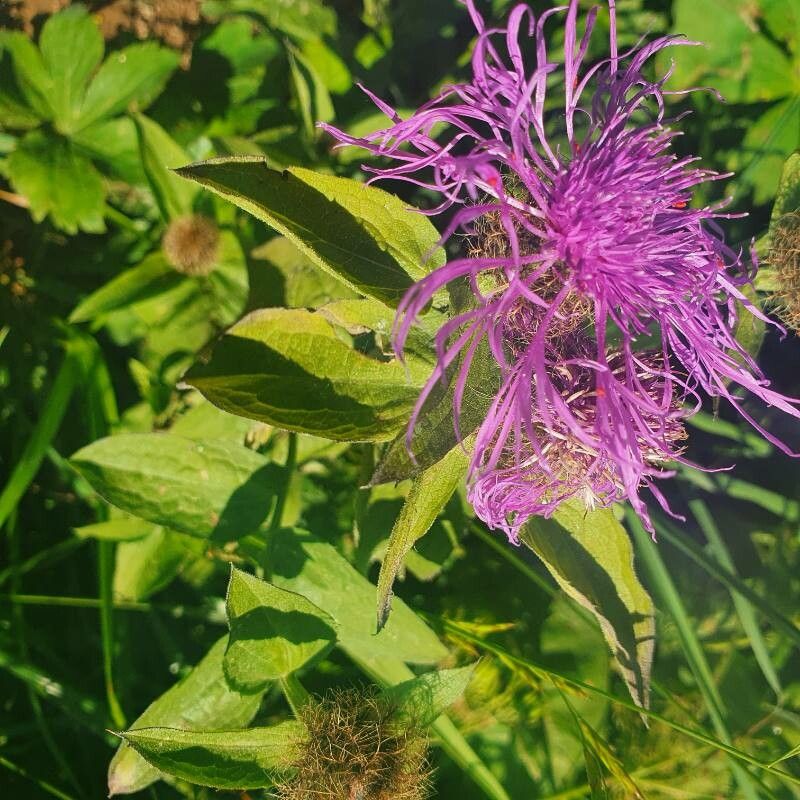
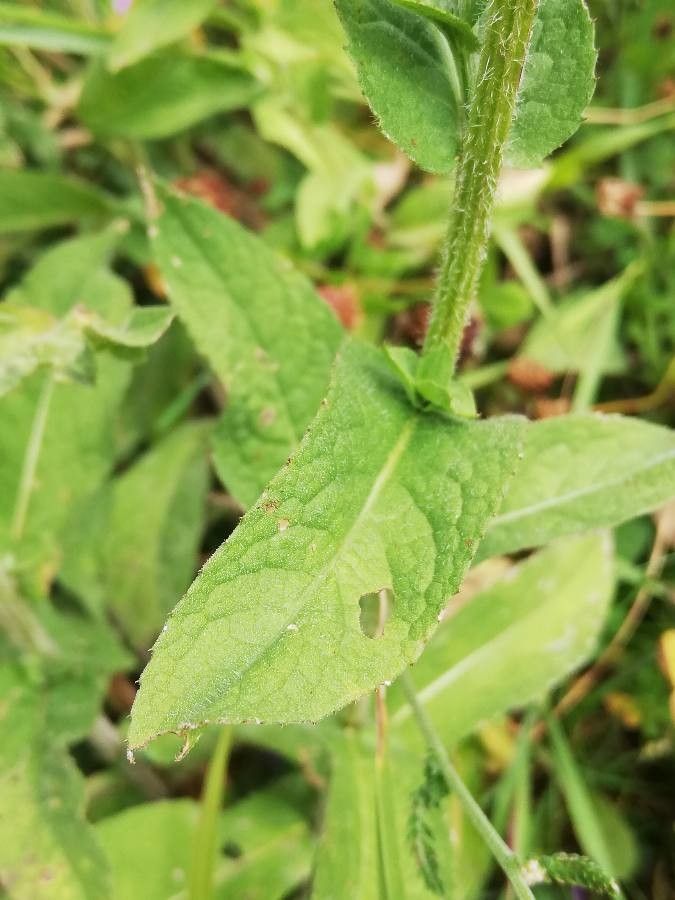
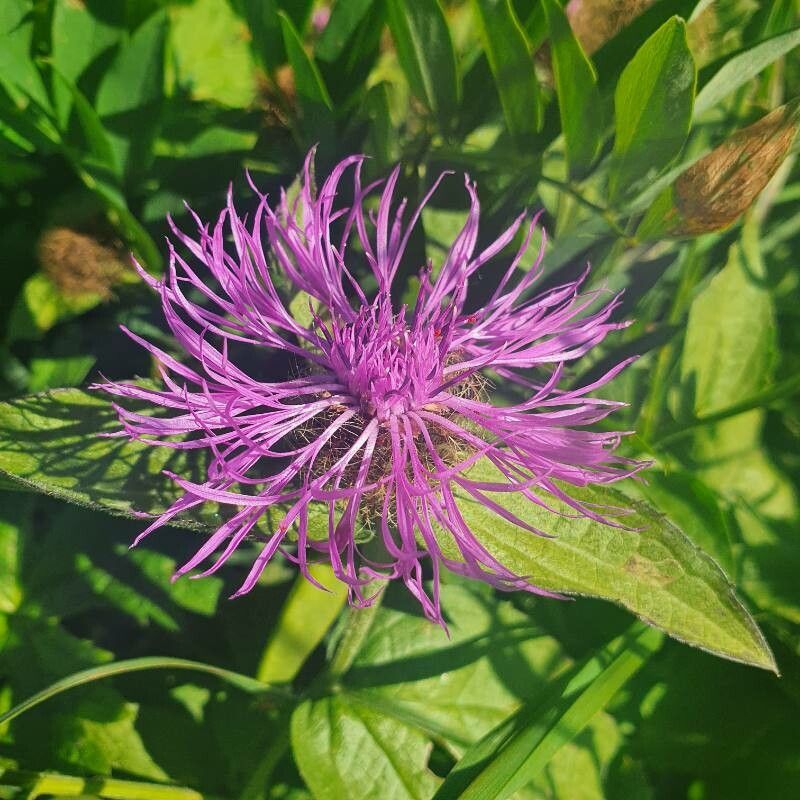
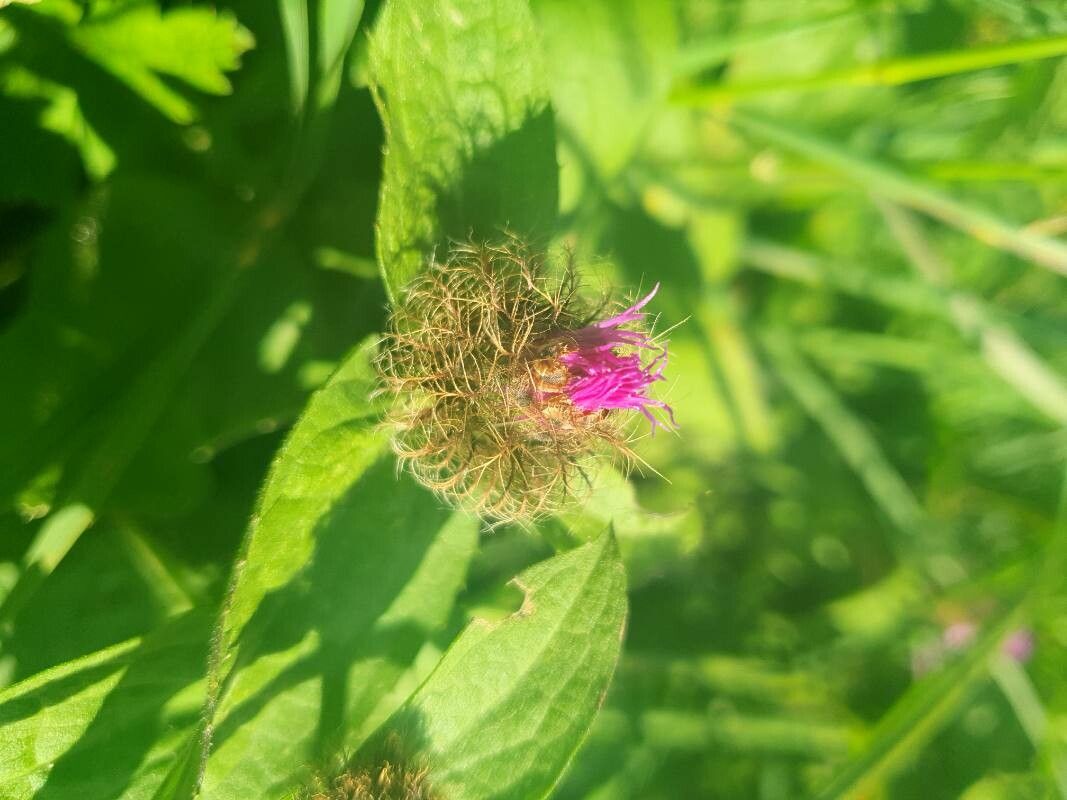
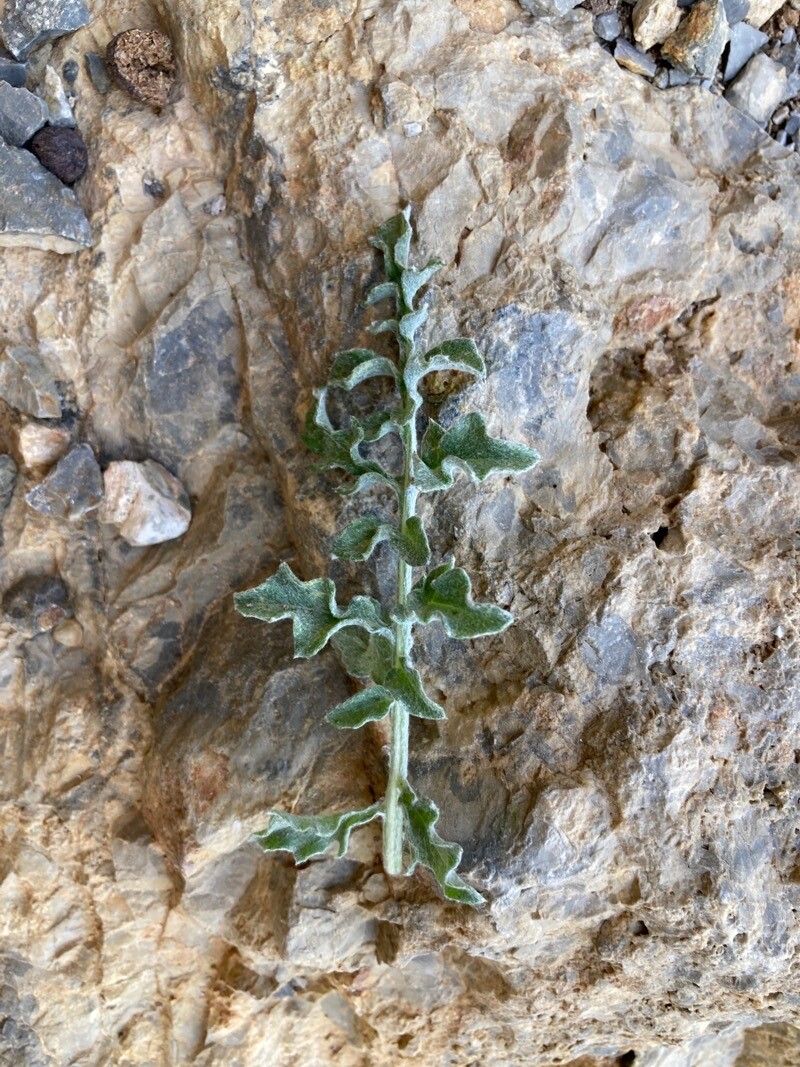
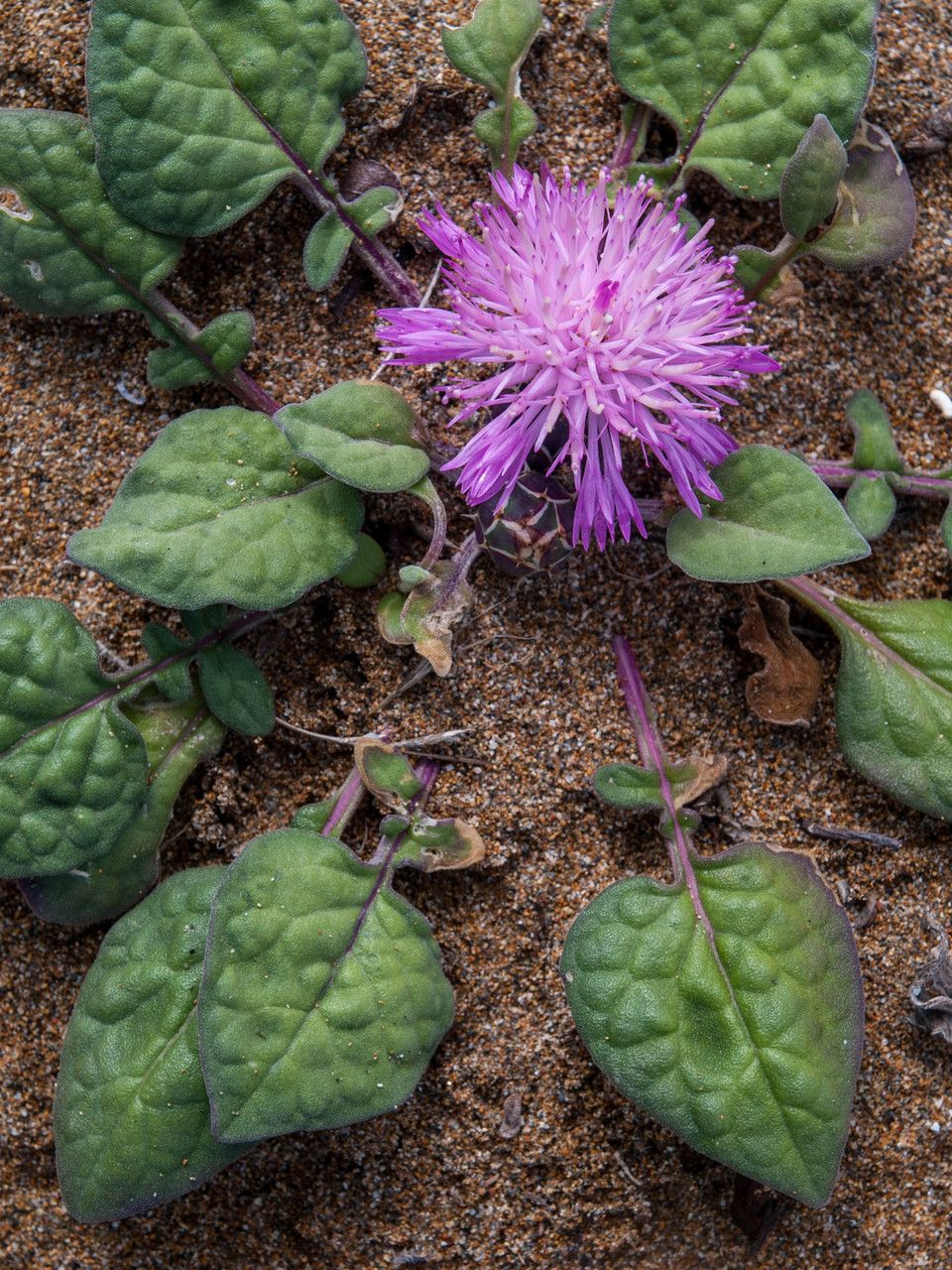
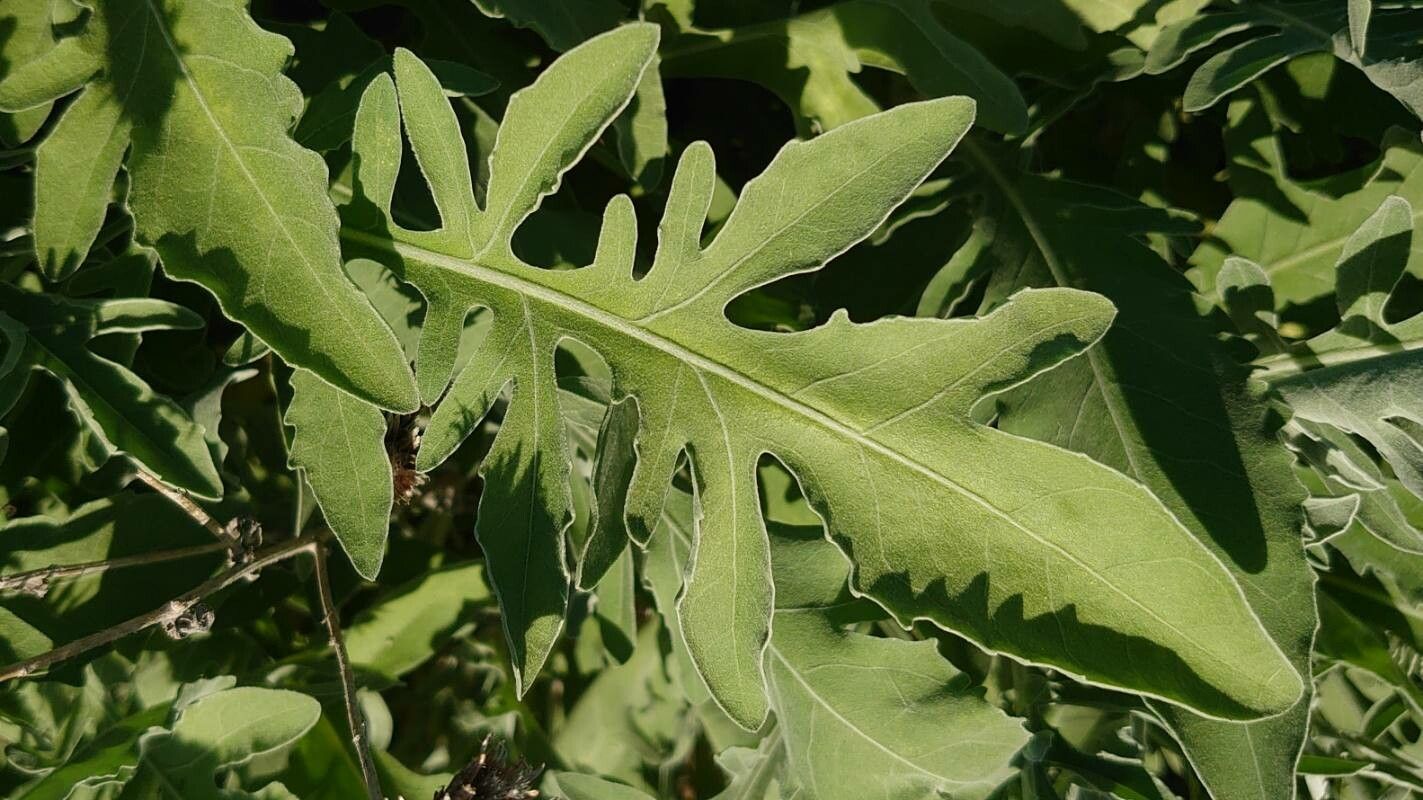
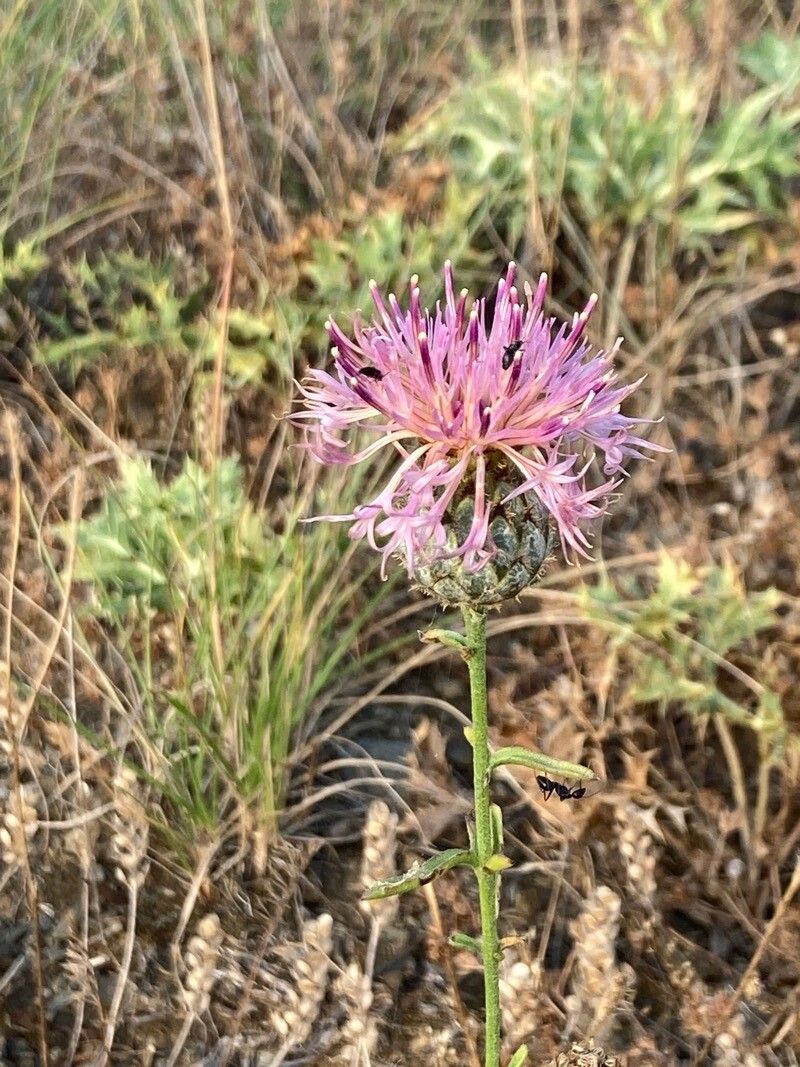
Centaurea phrygia subsp. pseudophrygia has strong disease resistance and is usually not prone to illnesses. However, it can be vulnerable to pests and diseases present in its surroundings. These problems are typically mild. In terms of care, the plant is moderately demanding. It should be pruned regularly to keep a good appearance and promote healthy growth. Fertilizing can also help stimulate flowering. Centaurea phrygia subsp. pseudophrygia is well suited for anyone with an outdoor area, such as a garden or patio, and does not require extensive care experience. It may need more attention if grown indoors.
How to keep Centaurea Pseudophrygia.
Light
The perennial herbaceous plant, Centaurea phrygia subsp. pseudophrygia, is a sun-loving species that naturally occurs in open environments, frequently flourishing in meadows and grasslands. While it prefers full exposure to the sun, it can also endure areas with only partial sunlight.
Temperature
Centaurea phrygia subsp. pseudophrygia is capable of acclimating to numerous temperature extremes, however, its spread might be confined by diverse permutations of heat and water conditions. It flourishes optimally in balmy summer climates combined with sufficient precipitation or irrigation. Extended episodes of overcast and wet weather, along with sustained elevated temperatures, can escalate the odds of Centaurea phrygia subsp. pseudophrygia perishing. During the winter season, adequate safeguards against chilliness can amplify the plant's chances of survival.
Fertilizer
For Centaurea phrygia subsp. pseudophrygia, typically, one time fertilizer application in the springtime is adequate. However, applying fertilizer multiple times can optimally boost its growth. Aim to feed the plant every one to one and a half months. Fertilization improves the look and effectiveness of the leaves, ensuring even coloration and a robust feel. It also triggers the growth of roots and the plant's ability to absorb nutrients, contributing to the plant's health in the long run.
Botanical profile.
- Plant Type
- Herb
- Life Cycle
- Perennial
- Genus
- Centaurea
- Family
- Asteraceae
- Hardiness Zone
- 4-8
- Mature Height
- 30 cm to 76 cm
- Mature Spread
- 20 cm to 40 cm
- Leaf Color
- Green, Dark Green
- Leaf Type
- Deciduous
- Flower Color
- Purple
- Flower Size
- 3.05 cm to 5.08 cm
- Bloom Time
- Summer
- Planting Time
- Spring
- Harvest Time
- Late summer, Early fall, Mid fall