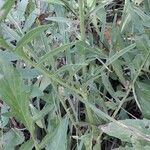
Centaurea scabiosa
Greater knapweed · Greater centaury · Scabious knapweed · Hardheads · Great Starthistle
Description
Source: leafsnapCentaurea scabiosa, commonly known as Greater Knapweed, is a perennial plant in the Asteraceae family. Native to Europe and Western Asia, this robust plant can grow up to 1.5 meters tall. It features a sturdy stem and deeply lobed leaves that are green on the upper surface and grayish-white underneath. The flowers of Centaurea scabiosa are large and eye-catching, resembling thistles with their purple-pink petals encircling a central cone-shaped disk of florets. These flowers bloom from June to September, attracting bees, butterflies, and other pollinators. Greater Knapweed thrives in well-drained soils and can grow in full sun or partial shade. It is adaptable to various soil types, including clay, and is drought-tolerant once established. However, it requires regular watering during its first year of growth. Traditionally, Centaurea scabiosa has been used in medicine for its anti-inflammatory properties and as a treatment for digestive disorders such as diarrhea and dysentery. In gardens or naturalized areas, Centaurea scabiosa adds height with its tall stems while drawing in pollinators, making it an excellent choice for wildlife gardens or meadow planting schemes.
🌳 Greater knapweed provides an essential food source for the caterpillars of the Coleophora onopordiella moth, which are highly specialized and depend solely on this plant to survive. Its seeds are also sought by various bird species. This interdependence reveals a level of ecological complexity rarely seen in the plant kingdom, underscoring greater knapweed's important role in supporting biodiversity.
Care Guide
💧 Water Every 7 days
Greater knapweed thrives in grasslands and prefers moderate moisture levels. To maintain its vitality, it should be watered weekly. Its deep root system boosts drought resilience and allows for efficient use of soil moisture, which promotes robust growth. This herbaceous perennial is typically grown outdoors.
How should I water my Greater knapweed plant?
When watering the Greater knapweed, it is best to use filtered water at room temperature. Tap water may contain harmful particles that can negatively affect the plant's health. The Greater knapweed originates from warm environments, so it is important to avoid using cold water, which can be a shock to its system. Instead of overhead watering, it is recommended to apply the filtered room temperature water directly to the soil until it is completely soaked. This helps to moisten the roots and allows them to spread through the soil and absorb the necessary nutrients.
What should I do if I give my Greater knapweed too much or too little water?
Overwatering is a more common issue for the health of your Greater knapweed. When the plant receives too much water, its stems and leaves may wilt and turn yellow. Overwatering can also lead to diseases like root rot, mold, and mildew, which can be fatal for the plant. On the other hand, underwatering is less common because the Greater knapweed has good drought tolerance. However, when underwatering occurs, the leaves become brittle and brown. It is important to recognize the signs of overwatering early to prevent irreversible damage. If you notice these signs, reduce your watering schedule immediately and check the soil's drainage. If the soil drains poorly, replace it with a loose, well-draining potting mix. Conversely, if your Greater knapweed shows signs of inadequate water, simply increase your watering frequency until the signs improve.
How frequently do I need to water my Greater knapweed?
If your Greater knapweed is in a pot, the best way to determine if it needs water is to check the soil by sticking your finger into it. If the top two to three inches of soil are dry, then it is time to water the plant. The same method can be used if you have your Greater knapweed planted outdoors in the ground. If the first few inches of soil have dried out, then it is time to water the plant. Usually, during the spring and early fall, you can water this plant about once a week using this method. However, when it gets extremely hot, you may need to water it twice or more per week. Nonetheless, mature and well-established Greater knapweed plants have the ability to withstand drought.
How much water does my Greater knapweed plant need?
To properly water your Greater knapweed, don't hold back on the amount of water you provide. Wait until the top two to three inches of soil are dry, then give it a good soak. Make sure to add enough water to saturate the soil completely, allowing any excess to drain through the pot's drainage holes. If you don't see any water draining from the pot, it means you haven't watered enough. Be careful not to let water accumulate in the soil, as this can harm the plant. On the other hand, if water doesn't drain properly, it may indicate poorly draining soil, which is not good for the plant's health. If the plant is outdoors, one inch of rain per week will be enough.
How do I water my Greater knapweed as it grows?
The water needs of the Greater knapweed can vary depending on its growth stages. In the first few years or when newly transplanted, it requires more water to support the development of new roots. These roots are crucial for future growth and thrive best with slightly higher moisture. As the plant matures, it will require less water. Another stage that may demand increased water is during the bloom period when the flower development utilizes a significant amount of moisture. Therefore, during this time, you may need to provide extra water to your Greater knapweed.
☀️ Light Full sun
Greater knapweed grows vigorously with ample sunlight but also remains healthy in partial shade. Coming from habitats with abundant sun, it tolerates a range of light levels. Insufficient sun can impede the plant’s healthy growth, while too much sun may cause some stress but is usually not lethal.
What are the sunlight requirements for Greater Knapweed?
Greater Knapweed thrives best in conditions ranging from full sun to partial shade. Full sun exposure means the plant should receive more than 6 hours of sunlight daily, while partial sun exposure equates to about 3-6 hours of sunlight. It's important to observe how sunlight moves through your garden to find spots that offer a good balance of light and shade. This balance supports the happiness and health of your plants. In its natural habitat, Greater Knapweed is accustomed to abundant sunlight but can adapt to varying light conditions. However, too little light can restrict its growth, although excessive sun might stress the plant without being fatal.
How can artificial lighting support Greater Knapweed's growth indoors?
When natural sunlight is insufficient, especially in locations that receive limited solar exposure or during winter, artificial lighting can serve as an excellent alternative to support the growth of Greater Knapweed indoors. Key considerations for using artificial lights include choosing the right type of light, such as LED lights, which can be customized to provide specific wavelengths needed by plants. Full sun plants require 30-50W/sq ft of artificial light. It's equally important to place the light source at the correct distance (12-36 inches above the plant) and for the right duration (mimicking natural daylight hours, usually 8-12 hours per day) to ensure optimal growth.
What are the symptoms of insufficient or excessive light exposure in Greater Knapweed?
Inadequate light exposure in Greater Knapweed may lead to smaller new leaves, leggy or sparse growth, faster leaf drop, slowed or halted new growth, and lighter-colored or yellowing leaves indicating chlorosis. Excessive sunlight can cause symptoms like chlorosis, sunscald, which appears as pale or bleached areas on the plant, leaf curling as a defense against water loss, wilting from excessive water loss, and leaf scorching, evident by brown or crispy leaf edges. These symptoms indicate the plant's struggle with its light environment, whether it's too little or too much light.
How can you manage light exposure for Greater Knapweed to encourage healthy growth?
Managing light exposure for Greater Knapweed involves gradual adjustments to ensure the plant receives adequate sunlight. For indoor plants, this may mean moving the plant to a sunnier spot over a period of weeks until it gets at least 6 hours of direct sunlight, utilizing artificial lighting when natural light is lacking, and keeping them near south-facing windows where possible. Outdoors, gradually moving plants to sunnier locations can help them adapt without the risk of sunburn. If natural light is blocked by obstructions like trees or buildings, consider pruning or relocating the plant to a spot with better exposure. Remember, while parts of the plant affected by poor lighting may not recover, newly exposed areas will produce healthy growth.
🌡️ Temperature 5–35°C
Greater knapweed is naturally suited to a temperate climate, flourishing between 41 and 95°F (5 to 35℃). It must adapt to seasonal changes, needing cooler conditions in winter and warmer ones in summer.
What is the ideal temperature range for growing Greater Knapweed?
Greater Knapweed is well-adapted to temperate climates, thriving best within a temperature range of 41 to 95°F (5 to 35°C). It requires different temperatures across the seasons, preferring cooler conditions in winter and warmer ones in summer. Its strong cold resistance means that special frost protection measures are typically not needed. However, in areas where winter temperatures are expected to drop below -25°C, it's crucial to provide some protection by covering the plant with soil or straw. Additionally, watering the plant abundantly before the first freeze in autumn to ensure the soil stays moist can help prevent drought stress during the colder months.
How does Greater Knapweed react to low temperatures?
Greater Knapweed exhibits strong cold tolerance and generally thrives when temperatures remain above 5°C. In winter, maintaining the temperature above -20°C is ideal. While the plant may not show noticeable changes when temperatures drop below -25°C, these conditions could lead to a reduction in sprouting or even prevent sprouting in the spring. In such cases, the recommended solution is to remove any parts of the plant that have failed to sprout come spring.
What should I do if Greater Knapweed is exposed to high temperatures?
During the summer, it is crucial to keep Greater Knapweed's surrounding temperature below 35°C. Exposure to temperatures exceeding 38°C can cause the leaves to lighten in color, curl, and become susceptible to sunburn, which, in severe cases, may lead to the plant wilting and drying out completely. To mitigate these effects, trim away any sunburned and dried parts of the plant, relocate it to a shaded area (particularly from midday and afternoon sun), or use a shade cloth. Ensuring the soil remains moist by watering in the morning and evening is also beneficial.
💨 Humidity
🪴 Soil 6-7
🌱 Fertilizer
The best time to fertilize a Greater knapweed is in early spring, as it breaks dormancy and begins active growth. Fertilization supplies essential nutrients for healthy development. While Greater knapweed has fairly low fertilizer requirements, applying fertilizer annually can improve its survival and encourage better, longer-lasting flowers.
Why should I put fertilizer on my Greater knapweed?
Fertilization is important for the Greater knapweed because it provides essential nutrients for the plant's growth, both above and below ground. While the fertilization needs of the Greater knapweed are generally low, annual fertilization can greatly benefit the plant, promoting its survival and enhancing the quality and longevity of its flowers. Therefore, those who want their Greater knapweed to thrive should prioritize regular fertilization.
When should I put fertilizer on my Greater knapweed?
The best time to fertilize a Greater knapweed is in late winter to early spring when it is coming out of dormancy and starting to grow. Fertilizing at this time promotes healthy growth and sets the plant up for a great season. It is also okay to fertilize in the fall, but it is not recommended to fertilize in the summer or winter.
When is it not a good idea to put fertilizer on my Greater knapweed plant?
To properly fertilize your Greater knapweed, you should only do so during the late winter and early spring. This plant has low fertilization needs, making an annual feeding sufficient. Fertilizing during spring, summer, and fall can lead to overfertilization and its complications, except if you skipped spring fertilization, in which case fall fertilization is permissible. Additionally, there is no need to fertilize during winter as the Greater knapweed is dormant and does not put forth new growth.
What kind of fertilizer should I use for my Greater knapweed?
For a Greater knapweed, any general-purpose fertilizer with balanced amounts of the three main plant nutrients will work well. However, there are specific nutrient blends that can be even more beneficial. Some gardeners believe that higher levels of phosphorus can result in stronger roots and better flowers. Since Greater knapweed is a flowering plant, using a phosphorus-rich fertilizer may be the best option. It doesn't matter if the fertilizer is in granular or liquid form, as long as it contains plenty of nutrients. Apart from commercial fertilizers, you can also improve the soil for your Greater knapweed using organic methods like compost and manure. These materials can greatly contribute to a healthy growing medium.
How do I give my Greater knapweed plant enough nutrients?
To fertilize a Greater knapweed, the most common method is to use granular or pellet fertilizer applied to the soil surrounding the plant. It's important to remember that the ideal time to fertilize is when the plant is transitioning from its dormant phase to active growth, typically in early spring when shoots are emerging from the soil. If you prefer using liquid fertilizer, dilute it with water before applying. Regardless of the type of fertilizer used, it's recommended to moisten the soil before, during, and after applying the fertilizer.
🪴 Pot & Repot
✂️ Pruning
Greater knapweed thrives in sunny meadows and is easily recognized by its striking purple flowers. To promote growth and enhance blooming, prune the plants from early to late spring. This involves removing dead stems and trimming any overgrown, leggy parts. Cutting back the plants after they have flowered can encourage additional blooms and help control self-seeding. Be sure to wear gloves during this process to prevent skin irritation.
🌿 Propagating
🐛 Diseases & pets
☠️ Toxicity
Not known to be toxic to animals or human, but all knapweeds contain carcinogens, so it is best to wear gloves when pulling more than one plant.
Characteristics
- Plant Type
- Herb
- Life Cycle
- Perennial
- Genus
- Centaurea
- Family
- Asteraceae
- Hardiness Zone
- 5-9
- Mature Height
- 91 cm
- Mature Spread
- 10 cm to 49 cm
- Leaf Color
- Green
- Leaf Type
- Deciduous
- Flower Color
- Purple, Pink
- Flower Size
- 5.08 cm
- Bloom Time
- Early summer, Mid summer
- Planting Time
- Spring
- Harvest Time
- Mid summer