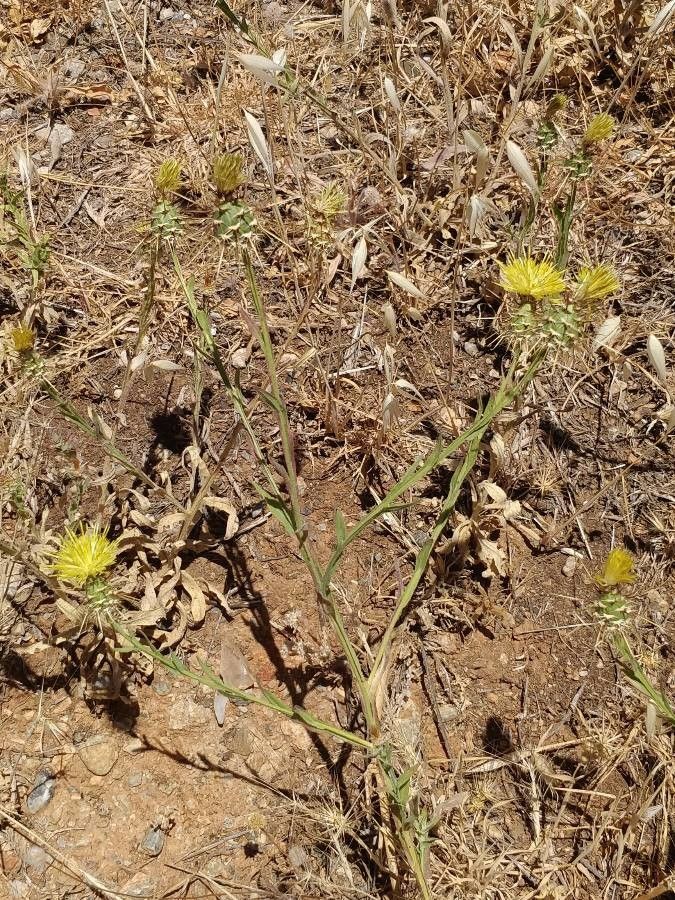
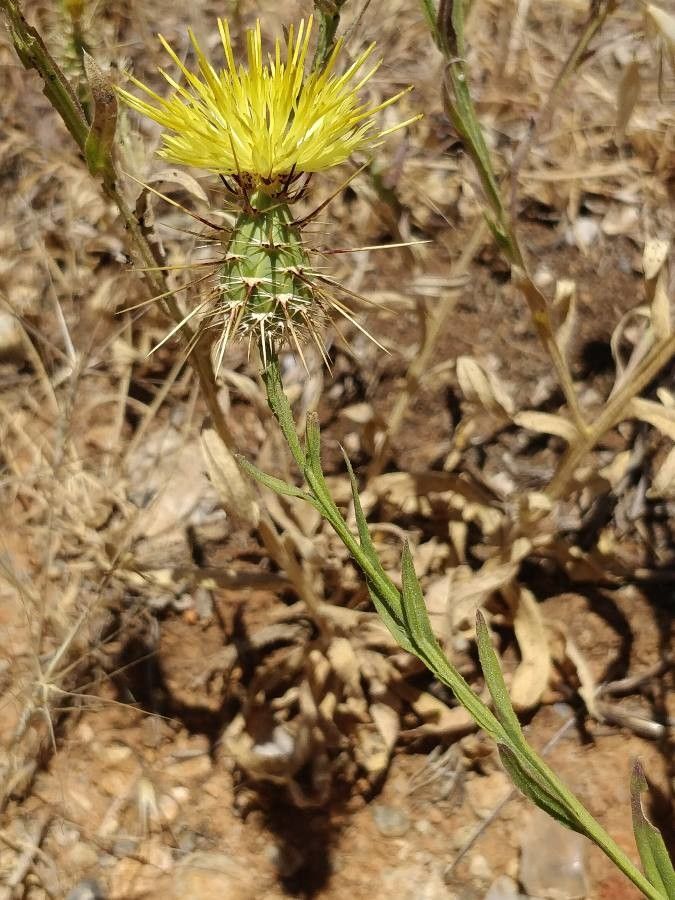
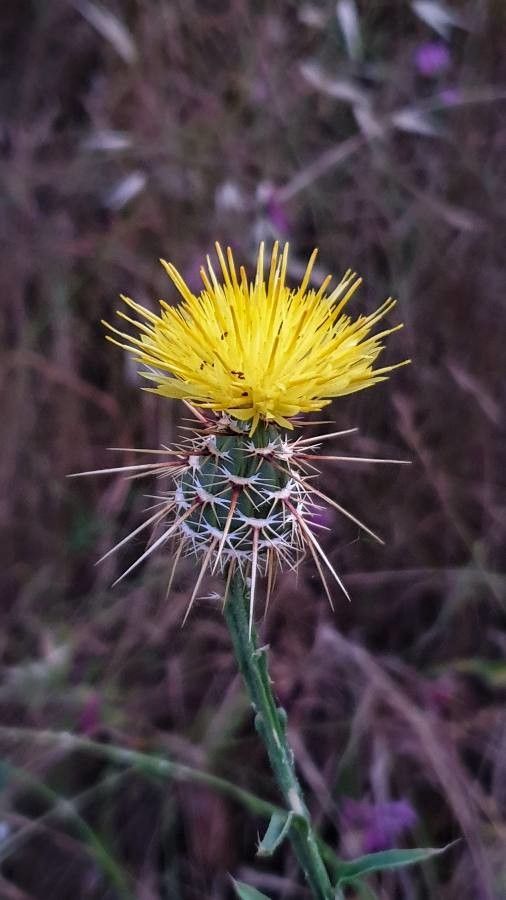
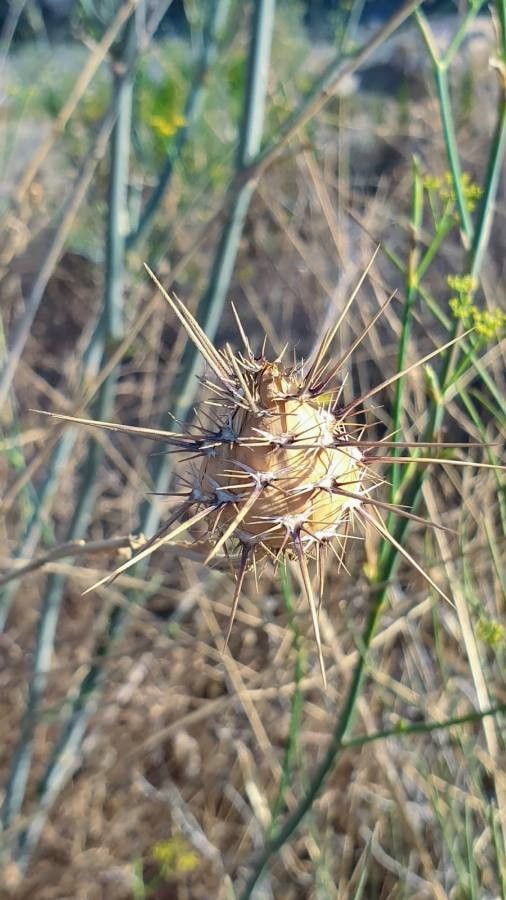
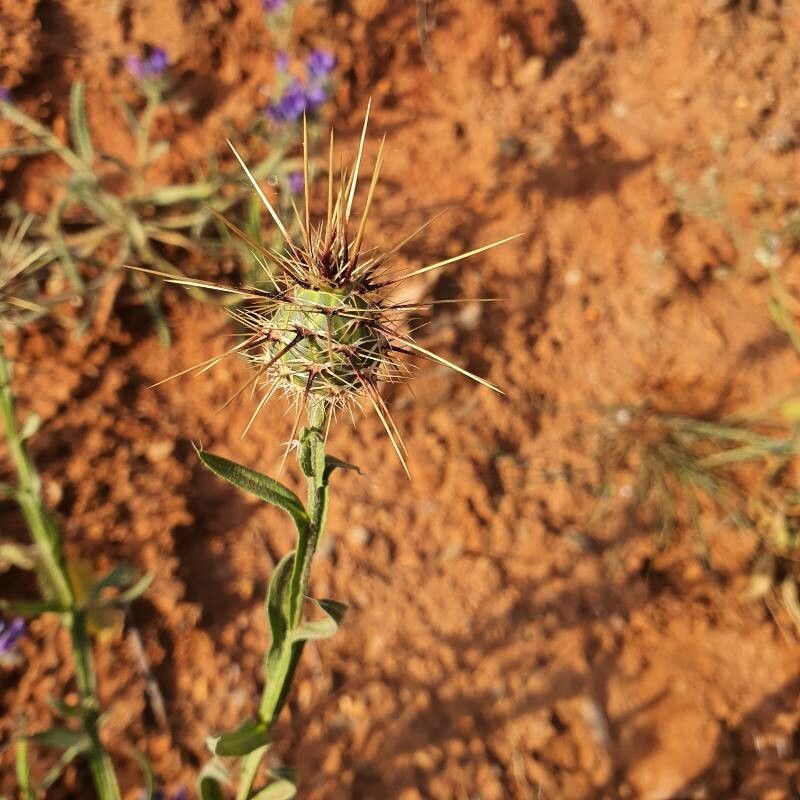
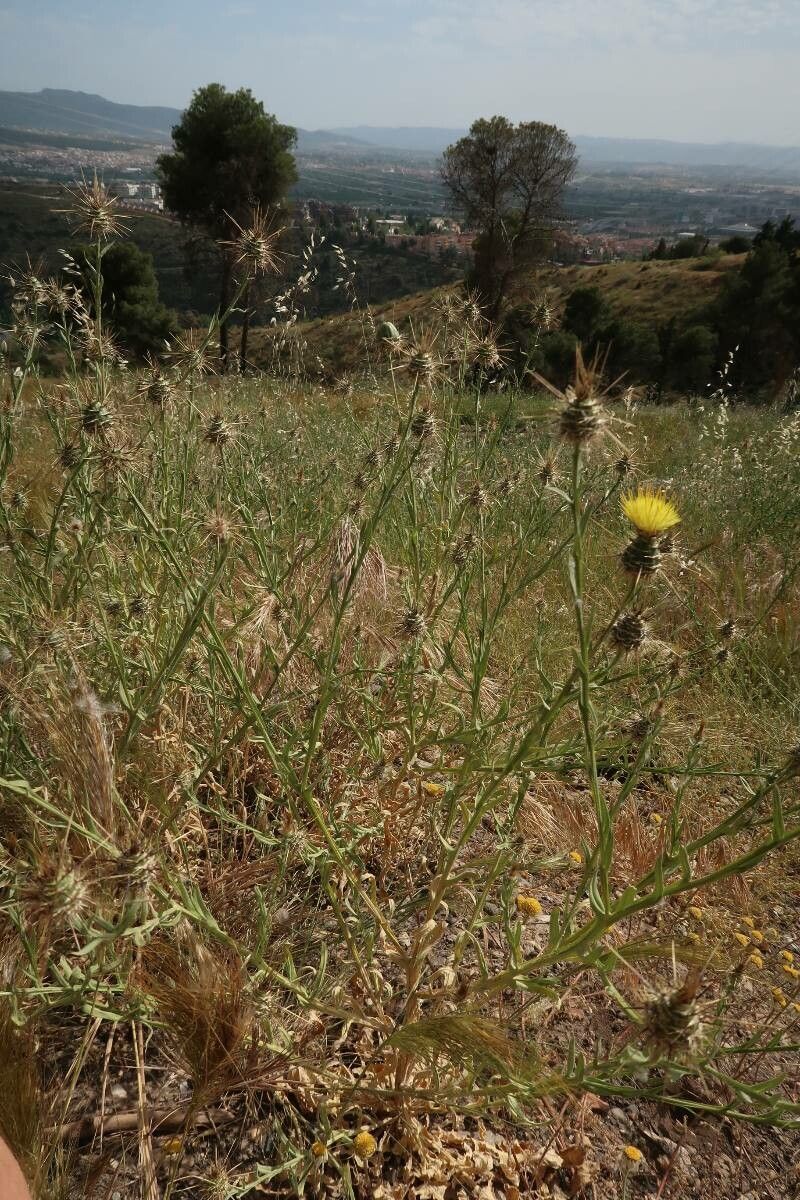
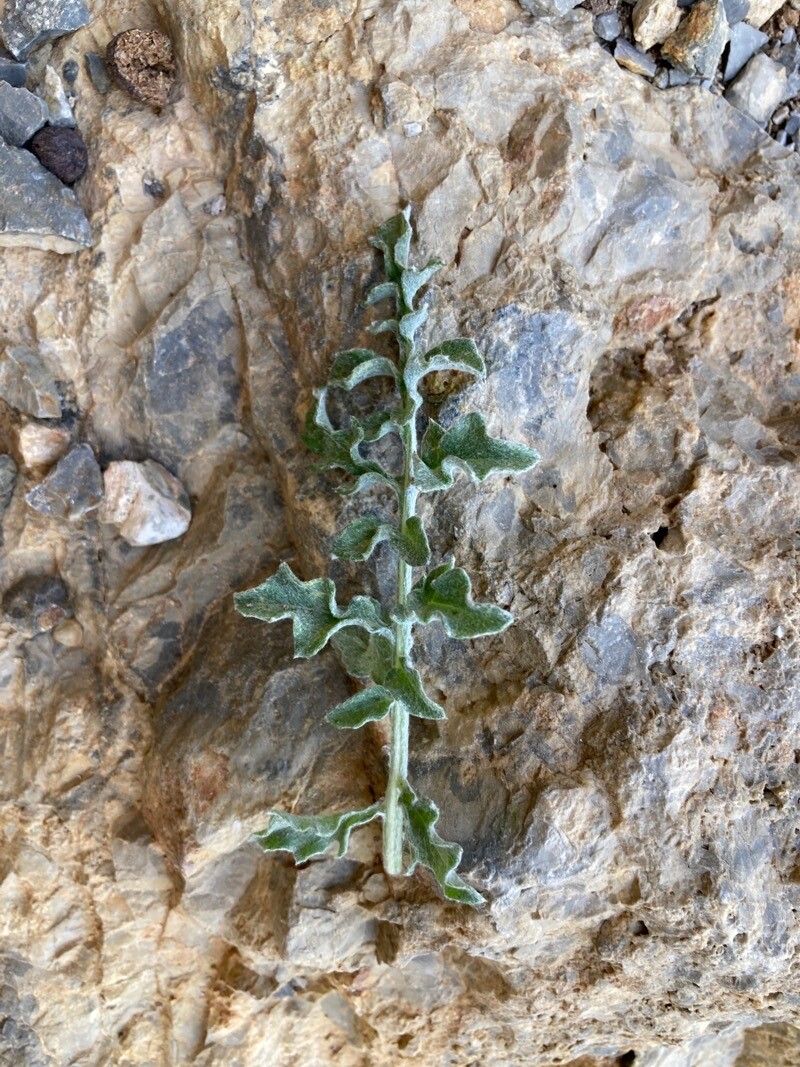
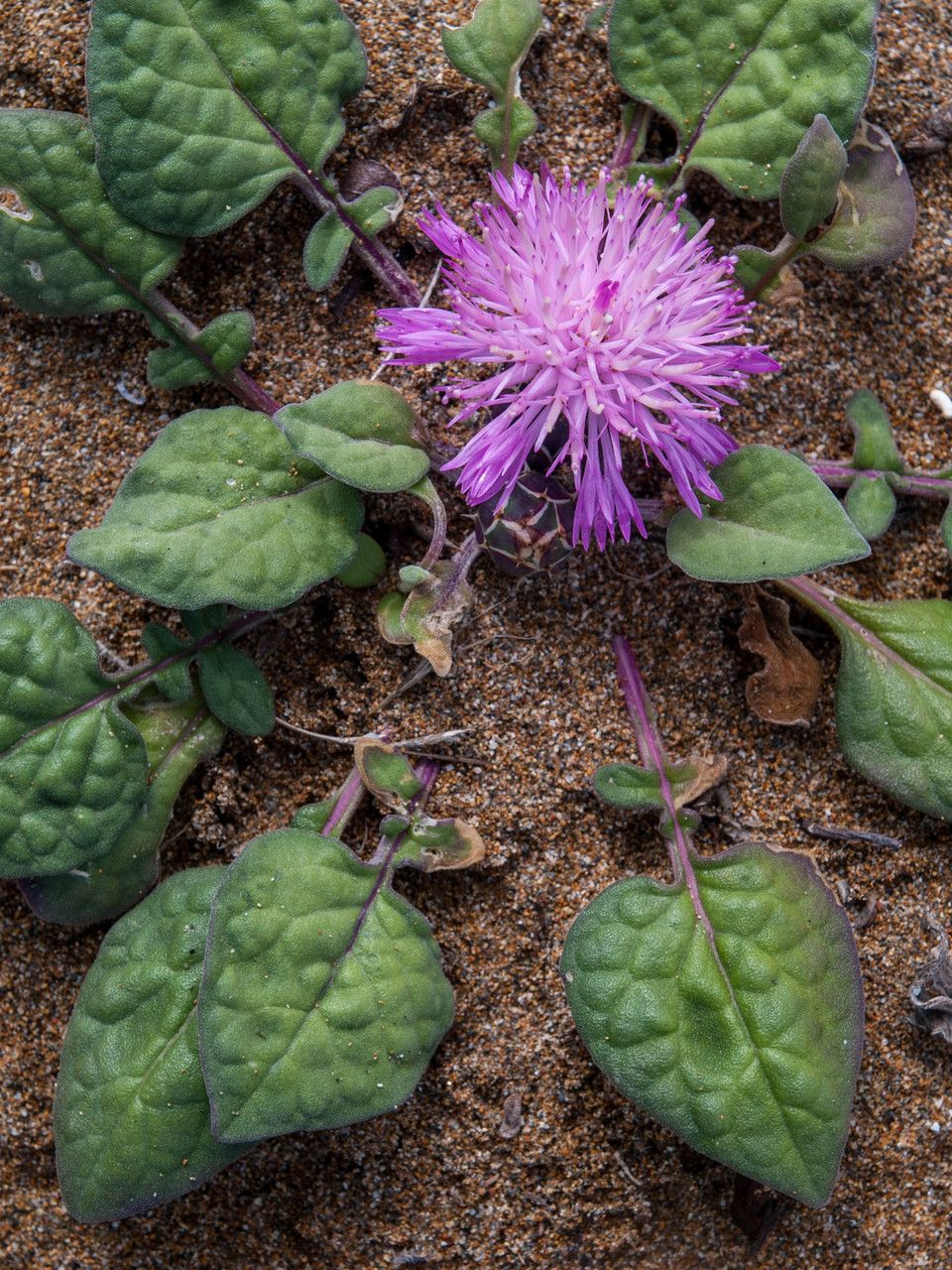
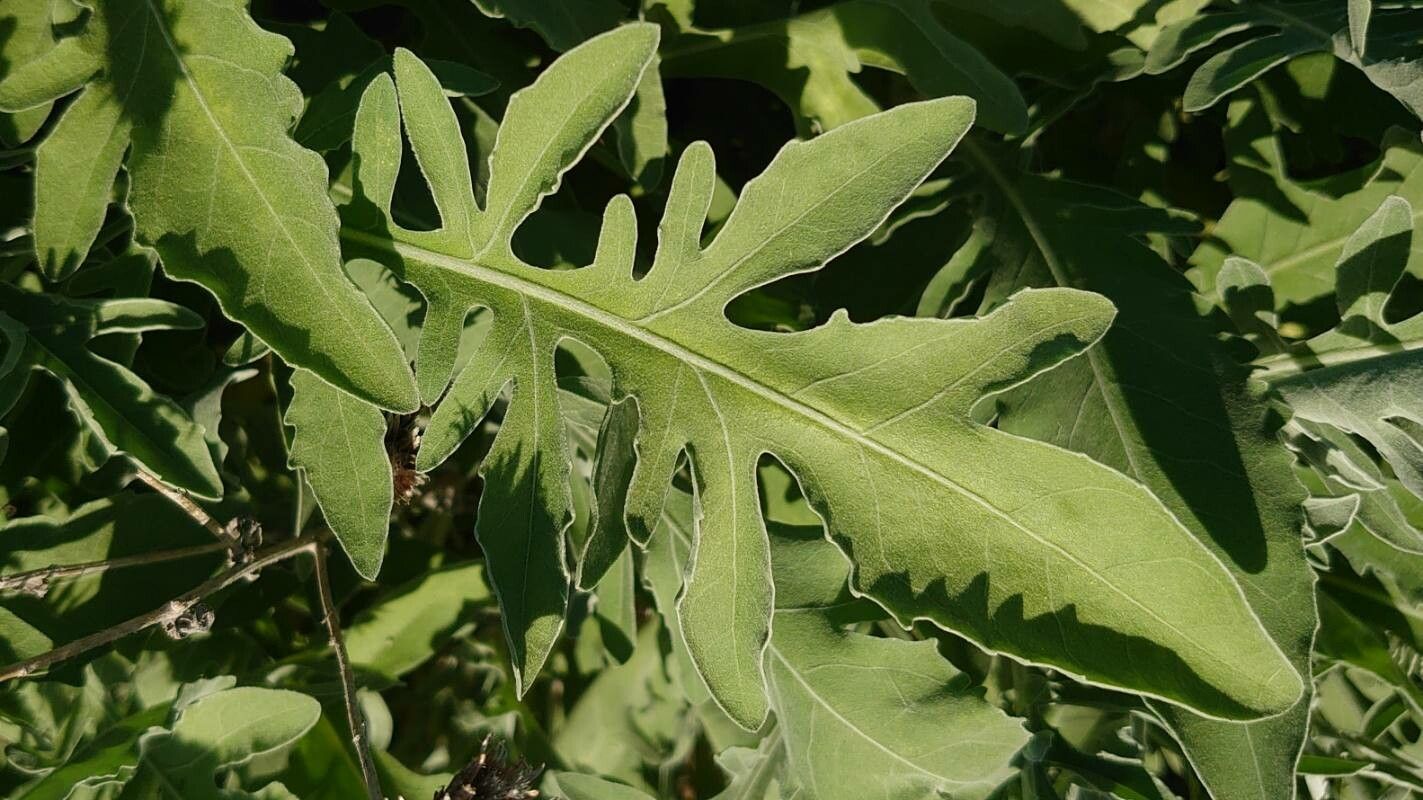
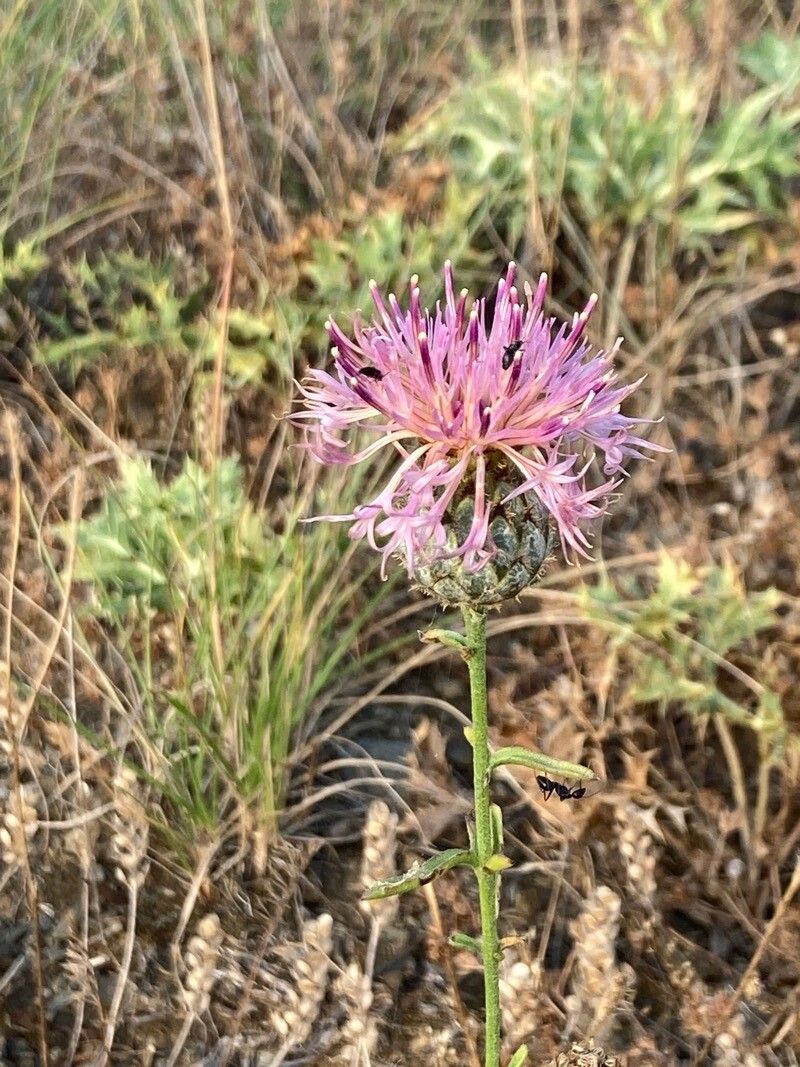
Centaurea sulphurea, the Sicilian star thistle or sulphur star knapweed, is an annual herb species in the family Asteraceae. It is native to southwestern Europe and it is known on other continents as an introduced species. It is one of the closest relatives to Centaurea solstitialis, an extremely invasive thistle in California, but Centaurea sulphurea has only established several populations in California since its introduction in the mid-19th century.
Sulphur knapweed is fairly resistant to disease and typically does not suffer from illnesses. Still, it can be affected by pests and diseases found nearby. Such infections are generally mild. Regarding care, this plant demands moderate maintenance. It should be pruned on a regular basis to preserve a neat appearance and encourage healthy growth. Applying fertilizer can also aid in stimulating flowering. Sulphur knapweed is appropriate for anyone with an outdoor area, like a garden or patio, and does not call for extensive gardening experience. It may need additional attention when cultivated indoors.
How to keep Centaurea Sulphurea.
Light
Sulphur knapweed is a sun-loving, perennial herbaceous plant that comes from open habitats and often thrives in meadows and grasslands. Its light preference is full sun, although it can also tolerate partial sun.
Temperature
Sulphur knapweed can tolerate a wide range of temperatures, but its distribution may still be constrained by different combinations of moisture and heat. It grows best in warm summer climates with sufficient rainfall or watering. Extended periods of cloudy, rainy weather, as well as prolonged high temperatures, can raise the likelihood of Sulphur knapweed dying. In winter, adequate protection from cold can increase the plant's survival rate.
Fertilizer
One fertilizer application in spring is generally sufficient for Sulphur knapweed, though multiple feedings can maximize growth. Feed about every one to one and a half months. Fertilization improves the leaves' appearance and function, helping maintain even color and a healthy texture. It also promotes root development and nutrient uptake for the plant's long-term health.
Botanical profile.
- Plant Type
- Herb
- Life Cycle
- Perennial
- Genus
- Centaurea
- Family
- Asteraceae
- Hardiness Zone
- 8-10
- Mature Height
- 61 cm to 91 cm
- Mature Spread
- 30 cm to 49 cm
- Leaf Color
- Light Green, Olive
- Leaf Type
- Deciduous
- Flower Color
- Yellow
- Flower Size
- 3.05 cm to 4.06 cm
- Bloom Time
- Summer
- Planting Time
- Autumn
- Harvest Time
- Late summer, Early fall, Mid fall
- Native Area
- Morocco, Spain, Algeria, France
Other names.