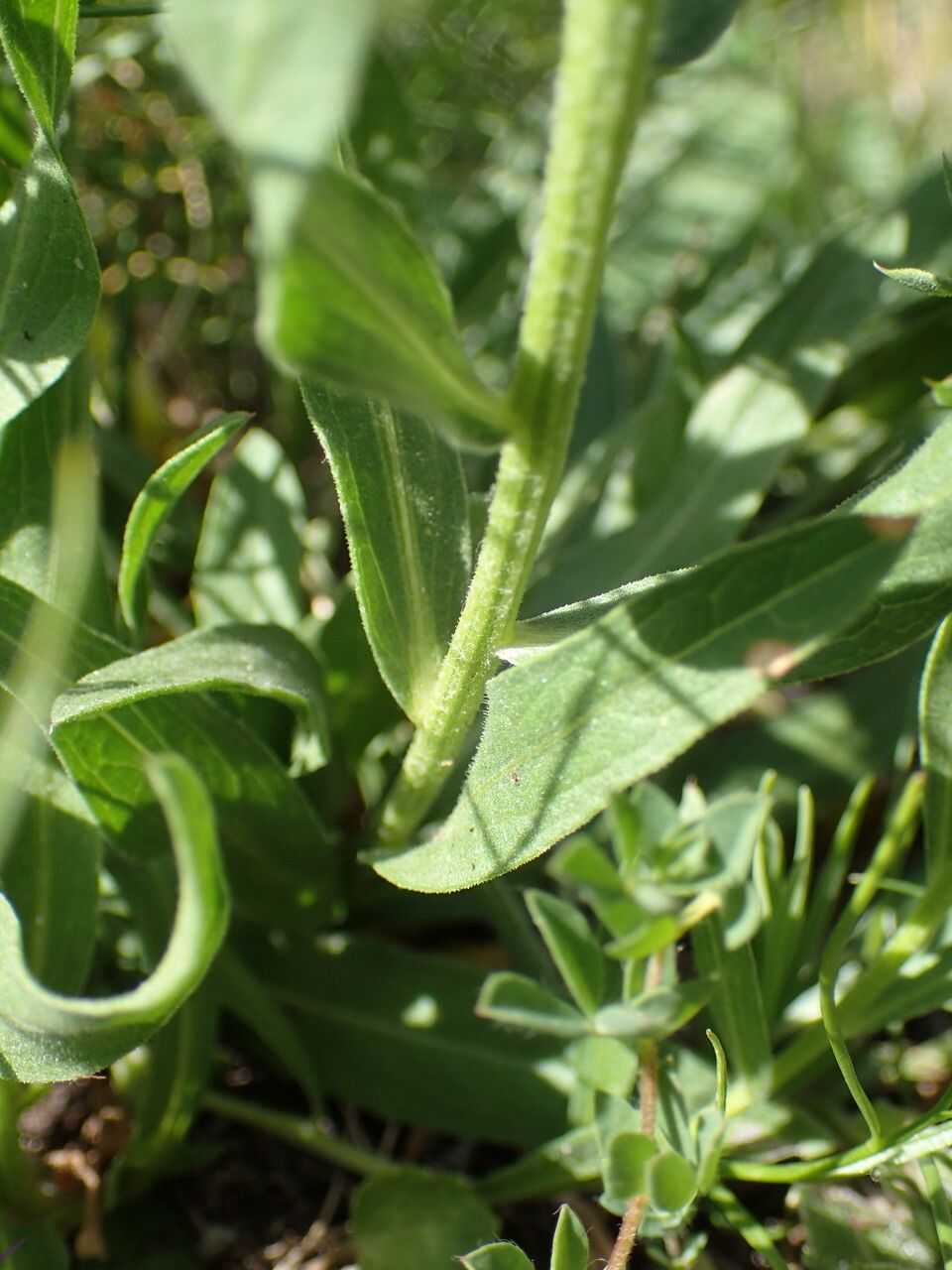
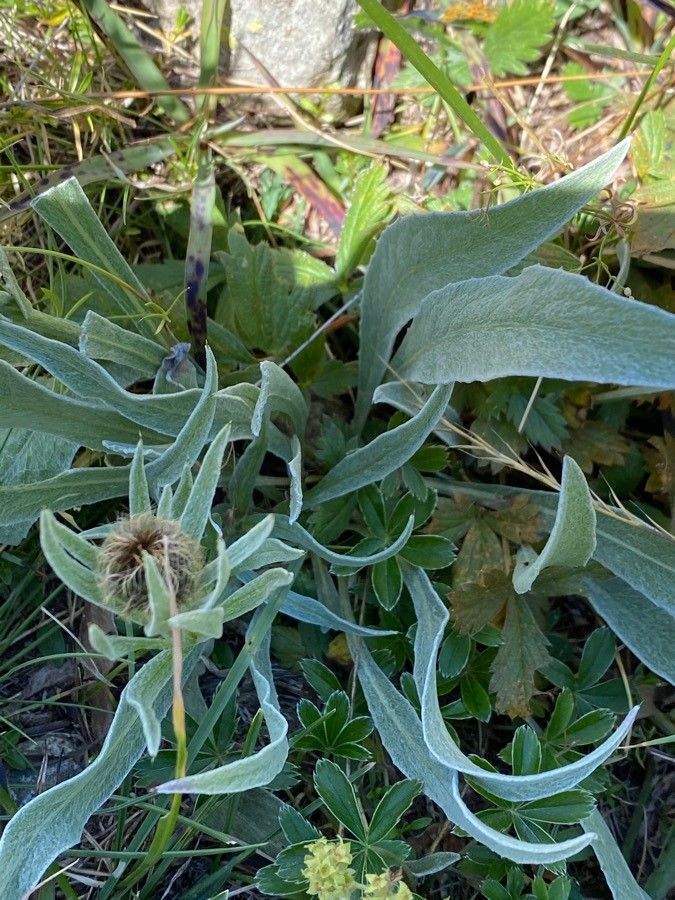
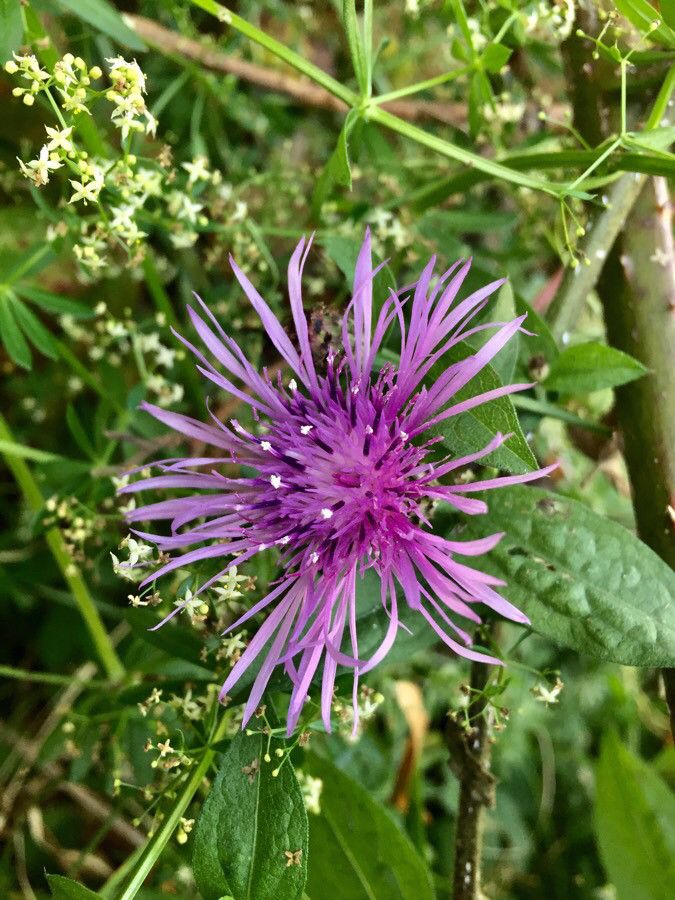
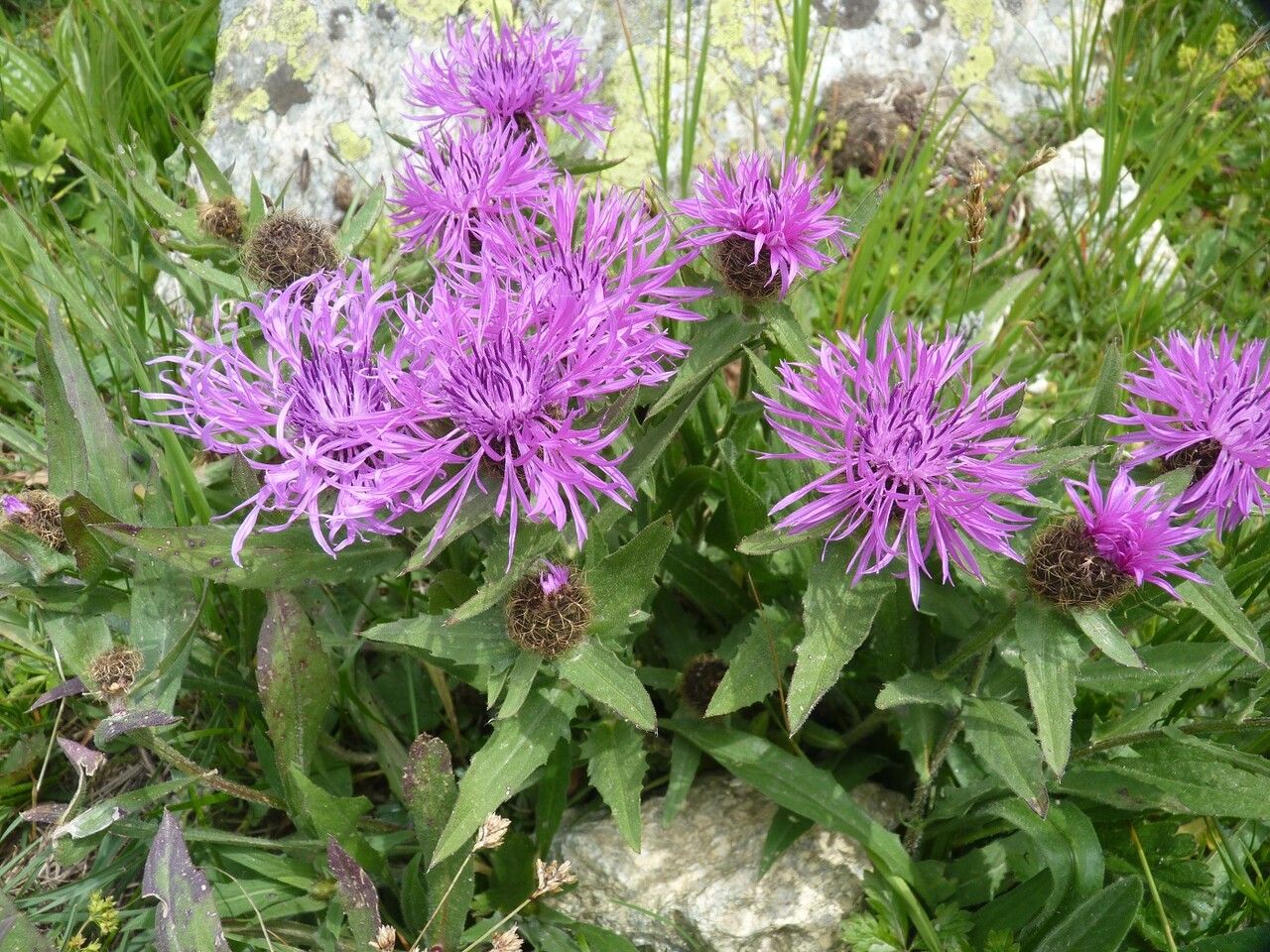
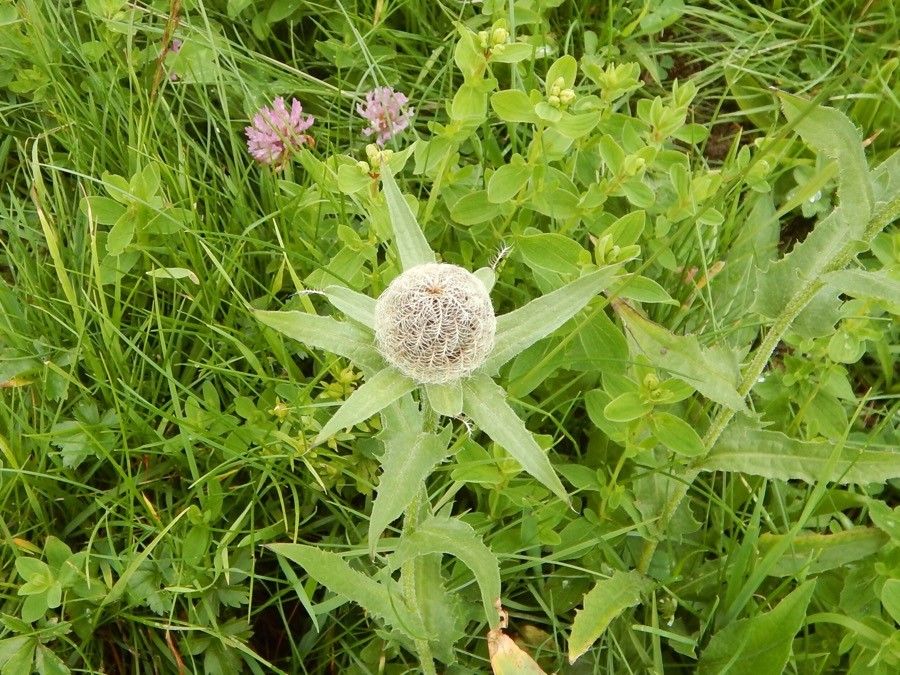
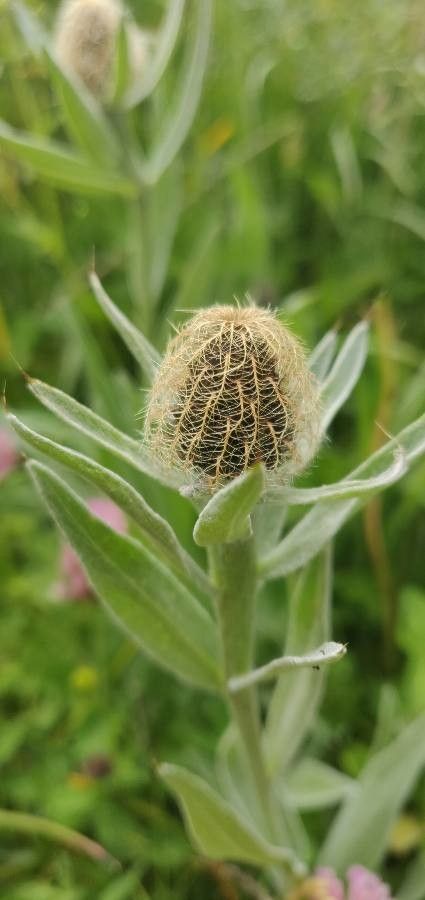
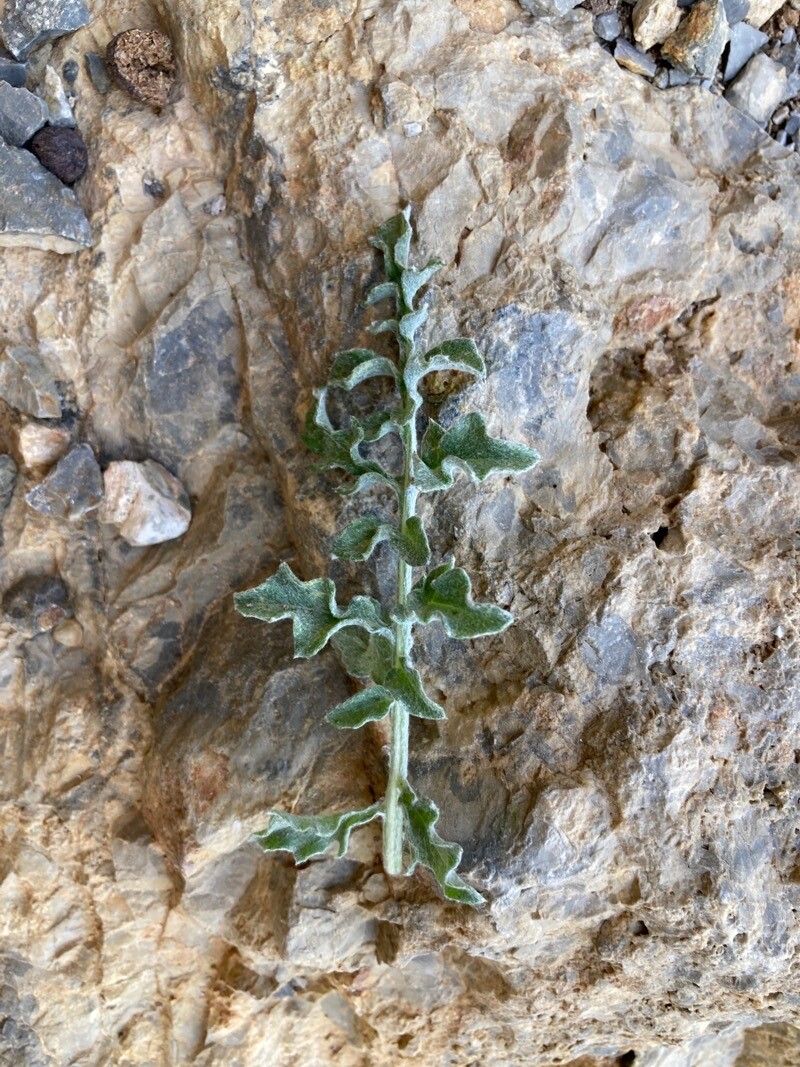
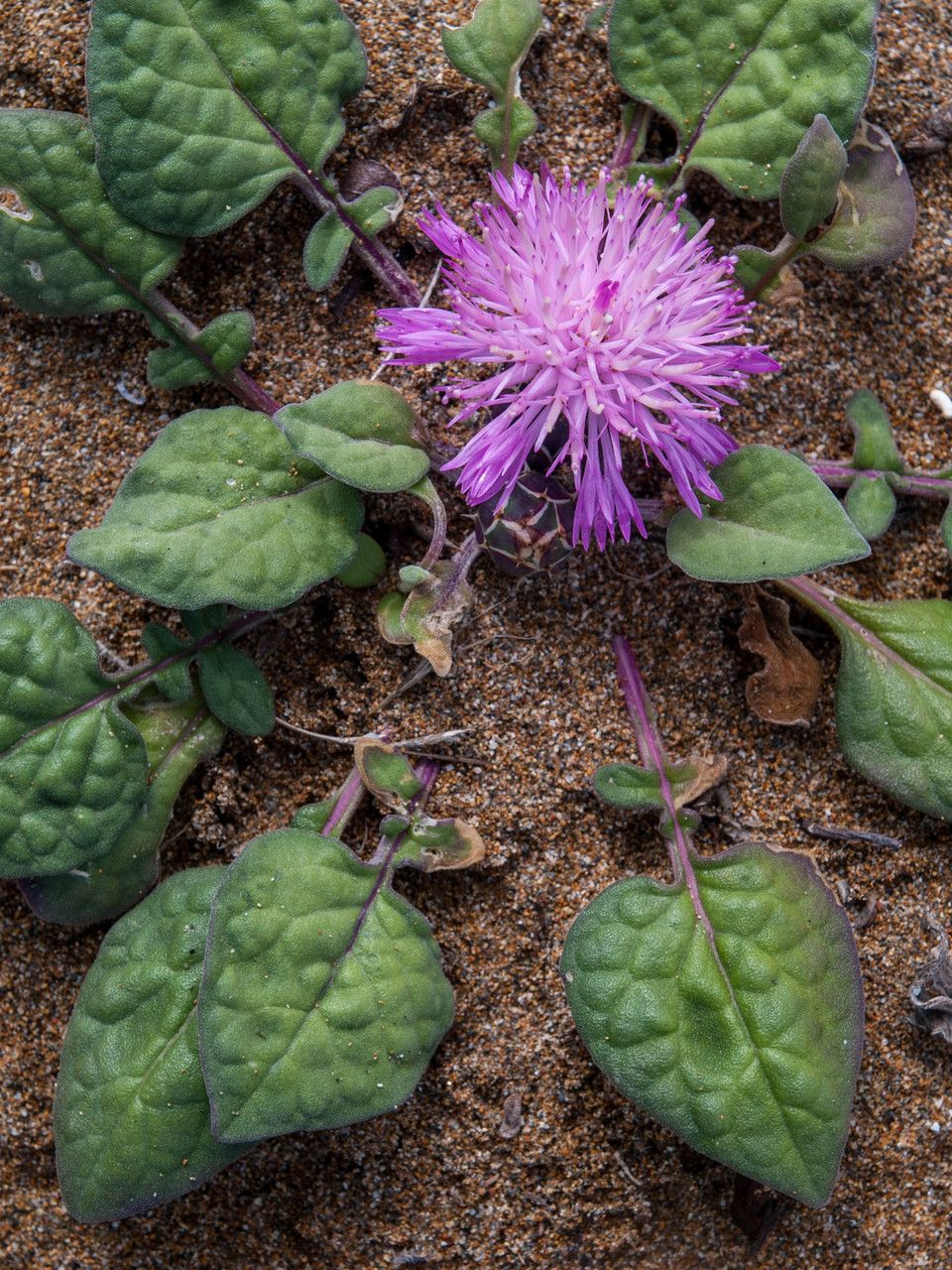
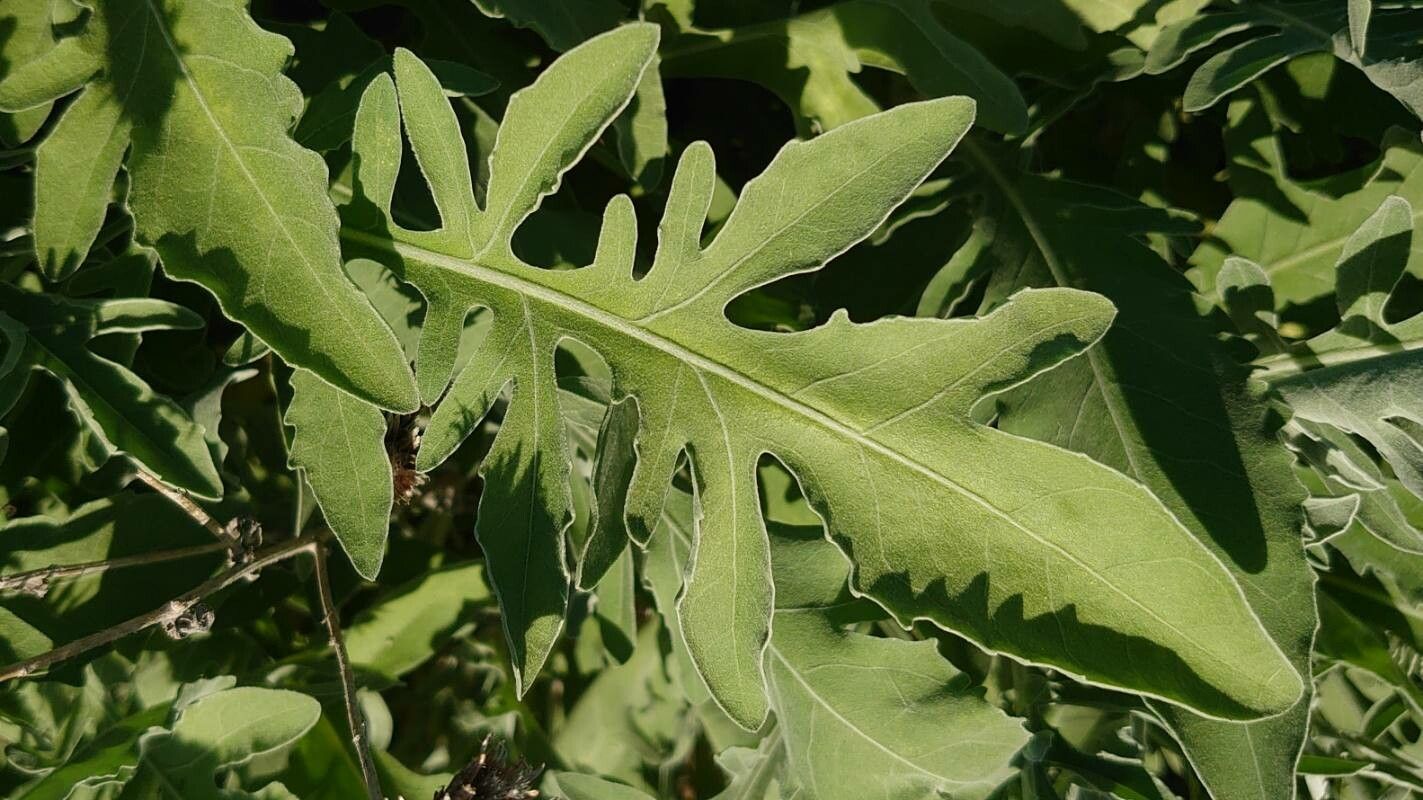
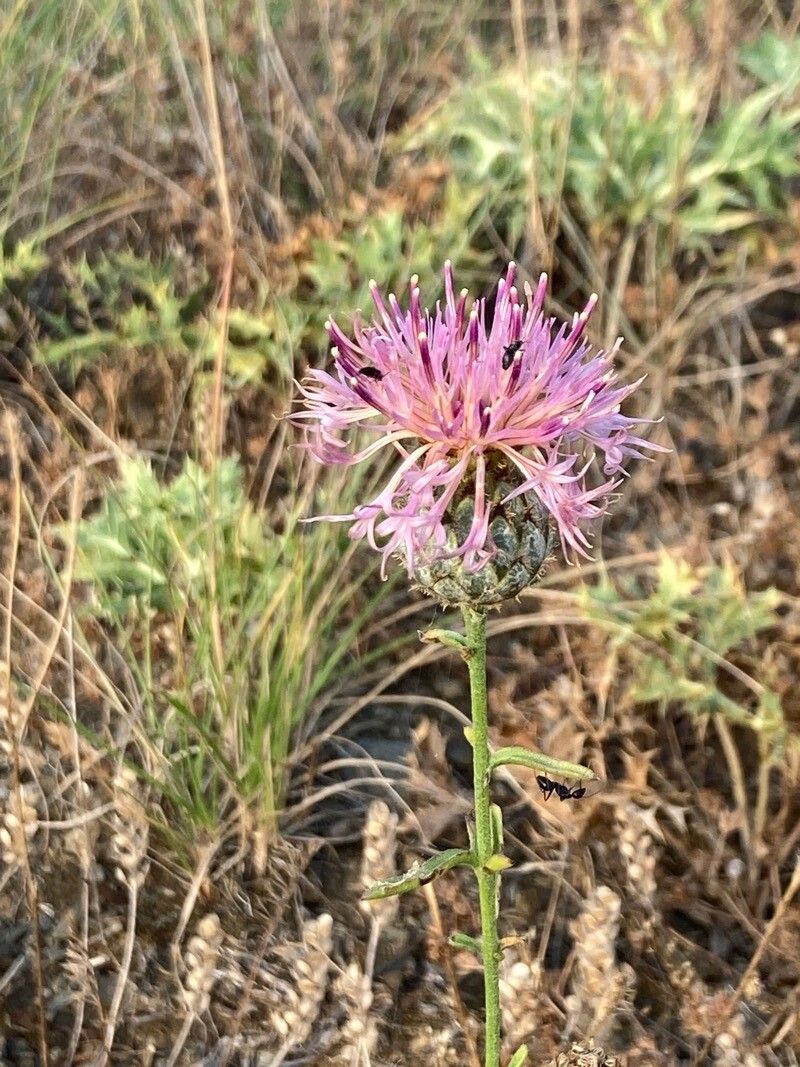
Centaurea uniflora, the singleflower knapweed, is a perennial herbaceous plant belonging to the genus Centaurea of the family Asteraceae.
Singleflower knapweed is fairly resistant to disease and typically does not suffer from major illnesses. Still, it can be affected by pests and pathogens present in its environment. When infections occur, they are generally mild. Regarding maintenance, this plant is moderately demanding. It should be pruned on a regular basis to preserve an attractive appearance and robust growth. Applying fertilizer can also encourage more abundant flowering. Singleflower knapweed is appropriate for anyone with outdoor areas such as a garden or patio and does not need extensive horticultural experience. It may, however, need extra attention if cultivated indoors.
How to keep Centaurea Uniflora.
Light
Singleflower knapweed strongly prefers sites with abundant sunlight throughout the day, though it can tolerate areas with occasional shade. Its native habitat generally receives plenty of sun. Too much or too little light can weaken it, so a balanced amount is important.
Water
Singleflower knapweed thrives in well-drained soils with moderate moisture, which echoes its alpine origins. It benefits from weekly watering to prevent over-saturation, promoting steady growth. Usually cultivated outdoors, singleflower knapweed adapts well to temperate climates and can withstand varying rainfall patterns.
Humidity
This plant needs special care because it loves high humidity levels of 60-80% or more. The best way to achieve this is by placing a humidifier near the plant. Daily misting is also essential! Make sure the room has good ventilation.
Fertilizer
The best time to fertilize a Singleflower knapweed is in early spring, when it is coming out of dormancy and beginning active growth. Fertilizing supplies essential nutrients for healthy development. Although Singleflower knapweed has relatively low fertilizer requirements, an annual application can boost its survival and produce better, longer-lasting blooms.
Pruning
Singleflower knapweed is known for its distinctive blooms. To encourage new growth and improve airflow, prune it from early to late spring by removing old stems and crowded shoots. Pruning conservatively not only enhances the plant’s health and appearance but also prevents excessive removal of foliage.
Botanical profile.
- Plant Type
- Herb
- Life Cycle
- Perennial
- Genus
- Centaurea
- Family
- Asteraceae
- Hardiness Zone
- 4-8
- Mature Height
- 40 cm to 49 cm
- Mature Spread
- 15 cm to 25 cm
- Leaf Color
- Green, Dark Green
- Leaf Type
- Semi-evergreen
- Flower Color
- Purple
- Flower Size
- 2.03 cm to 4.06 cm
- Bloom Time
- Early summer, Mid summer
- Planting Time
- Spring, Summer
- Harvest Time
- Late summer, Early fall
- Native Area
- Italy, France
Other names.
Reader questions.
What are the sunlight requirements for Singleflower Knapweed?
Singleflower knapweed thrives under conditions where sunlight is abundant, preferring above 6 hours of direct sunlight daily to ensure optimal growth and health, indicating a need for full sun exposure. However, it can also survive in environments where it receives about 3-6 hours of sunlight, classified as partial sun. The movement of sunlight through your garden should be monitored to ensure plants are placed in locations providing the ideal mix of light and shade. An overabundance or lack of light can negatively affect the plant's vigor, making the right balance essential for its wellbeing.
How does artificial lighting support indoor Singleflower Knapweed growth?
Indoor Singleflower knapweed benefits significantly from adequate lighting, especially when natural sunlight is insufficient. Artificial lights, such as LED lights which can be customized to provide specific wavelengths needed, serve as an essential solution by promoting faster, healthier growth. Full sun plants require 30-50W/sq ft, partial sun plants need 20-30W/sq ft, and full shade plants 10-20W/sq ft of artificial light. The light source should be placed 12-36 inches above the plant to mimic natural sunlight, and most plants need 8-12 hours of light per day to simulate natural daylight duration effectively.
What symptoms indicate light deficiency in Singleflower Knapweed?
When Singleflower knapweed is exposed to inadequate lighting, several symptoms can manifest, such as smaller new leaves, leggy or sparse growth, faster leaf drop, slower or no new growth, lighter-colored new leaves, and symptoms of chlorosis. Each of these symptoms reflects the plant's struggle to adapt to poor light conditions, hampering its growth, health, and the ability to perform photosynthesis effectively.
What issues does excessive sunlight cause for Singleflower Knapweed?
Excessive sunlight exposure can lead to sunscald, leaf curling, wilting, and leaf scorching in Singleflower knapweed. These conditions result from the plant being subjected to more sunlight than it can tolerate, causing damage to the leaves or stems, which appears as pale, bleached, or necrotic areas on the plant tissue. The increased water loss through transpiration also makes it difficult for the plant to maintain hydration, affecting the plant's overall health.
How can you adjust the light conditions for Singleflower Knapweed?
To optimize Singleflower knapweed's growth under varying light conditions, gradual adjustments are recommended. For indoor plants, transitioning them gradually to sunnier spots until reaching at least 6 hours of sunlight or supplementing with artificial light for 8 hours daily can help. Outdoors, plants should be moved progressively to sunnier areas to avoid sunburn. If obstructions like trees block sunlight, consider pruning to improve exposure. For plants requiring relocation, transplanting during their dormant period with careful attention to sunlight and drainage at the new site is advisable. Note that parts of the plant affected by previous poor light exposure may not recover, but new growth will be healthy with proper light adjustments.