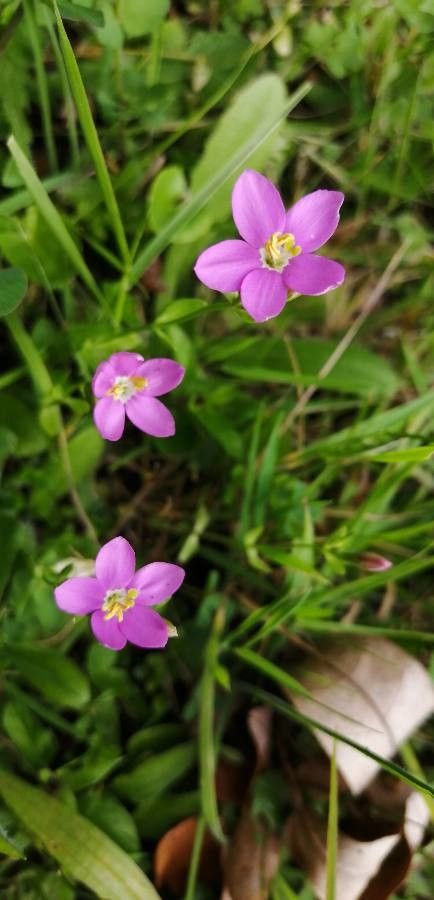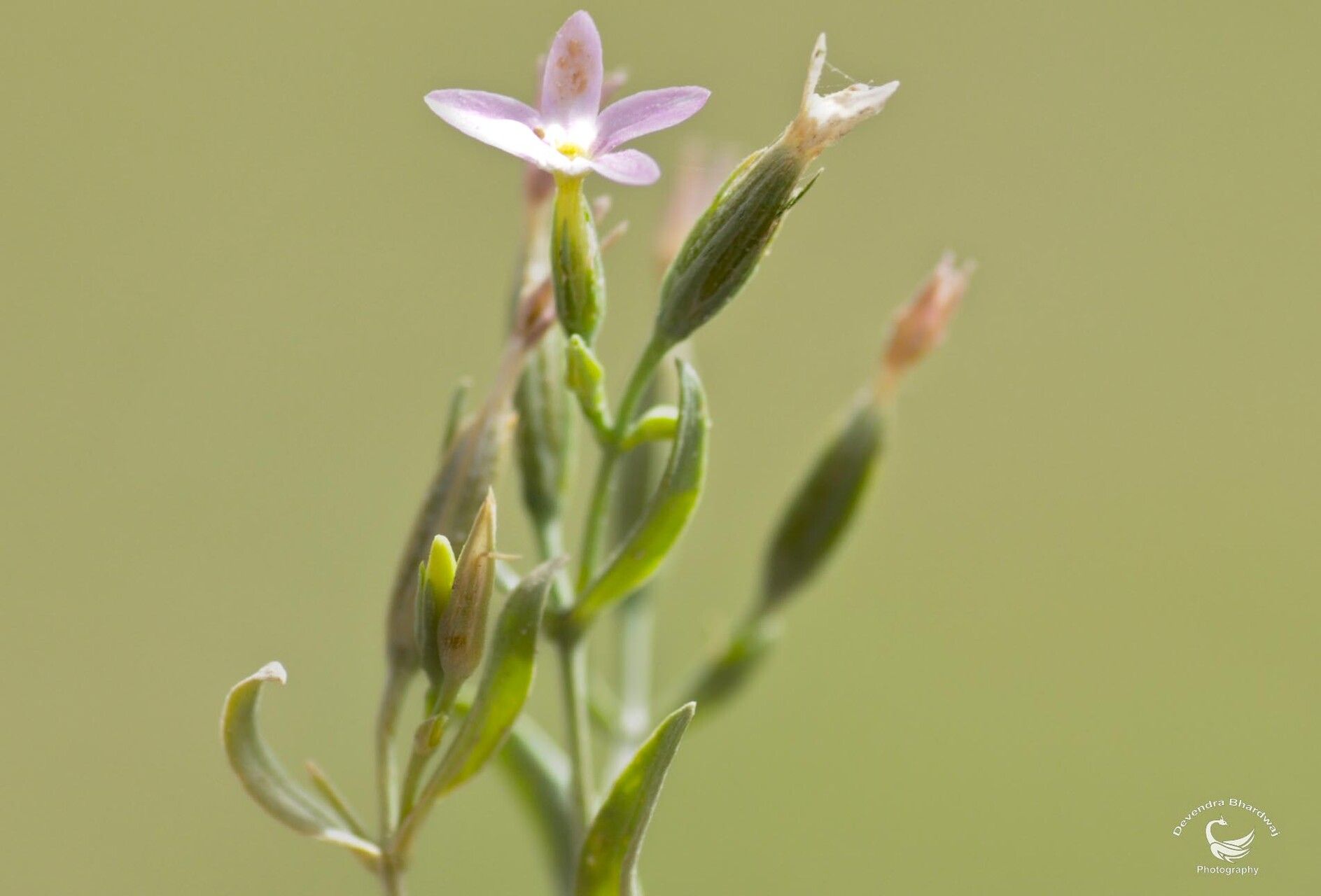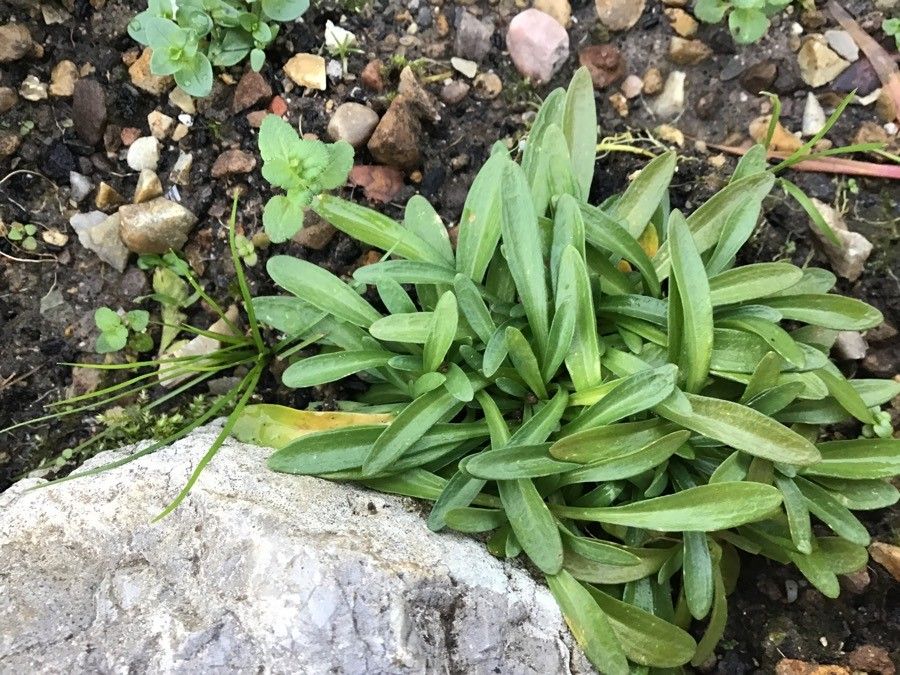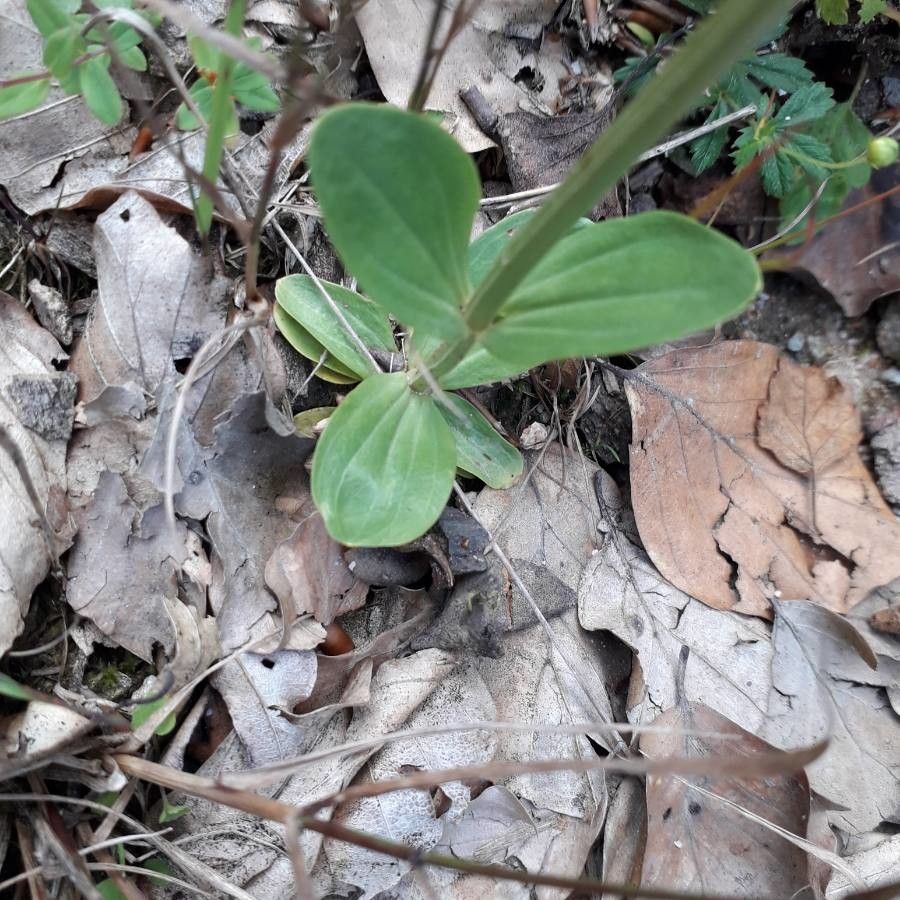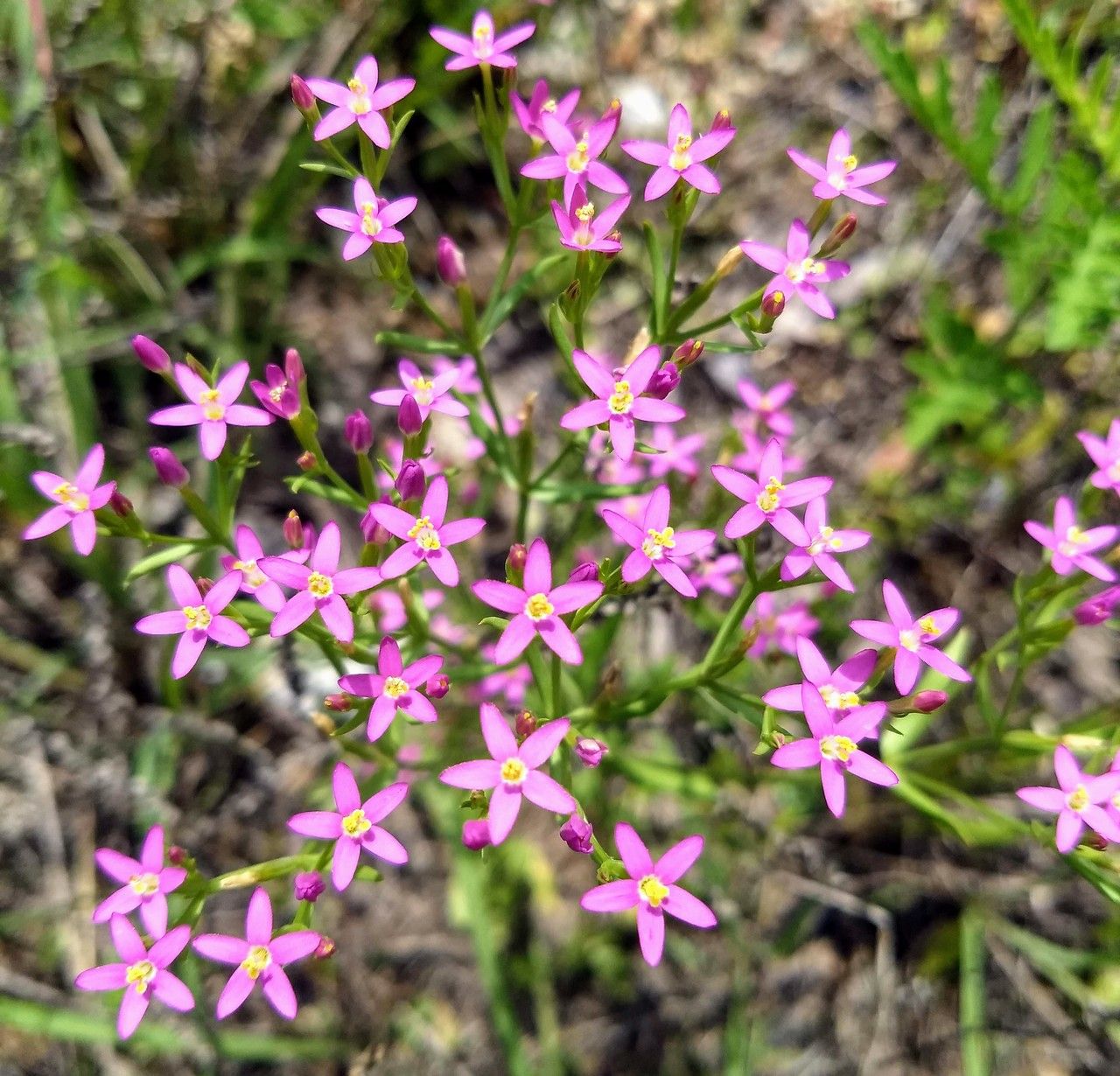
Lady bird's centaury is fairly disease-resistant and usually not prone to illnesses. However, it can be affected by pests and diseases present in its environment, though such issues tend to be mild. For care, this plant requires moderate maintenance. It should be pruned regularly to keep a tidy appearance and support healthy growth. Fertilizing can also encourage flowering. Lady bird's centaury is well suited to people with outdoor areas like a garden or patio and does not demand extensive experience in plant care. It may need more attention if grown indoors.
How to keep Centaurium Texense.
Light
The centaury of the lady bird is most effective in plenty of sunshine and can tolerate different levels of sun exposure, contributing to its resilience and flexibility. This tendency is rooted in its original environment, characterised by abundant clear skies. Adequate sun exposure facilitates robust development, but an excess or deficiency can induce stress.
Temperature
The centaury of the Lady Bird is indigenous to habitats with temperatures ranging from 68 to 95 °F (20 to 35 ℃). It functions best within this scope. It may be required to make seasonal modifications to mimic these conditions in different climate settings.
Fertilizer
When most of Lady bird's centaury's blooms have opened to full size, resume fertilizing. As the flowers reach peak production, fertilize once every three to four weeks, weather permitting. Then, when Lady bird's centaury begins to produce fewer new blooms, stop fertilizing; there is no need to feed the plant when it can no longer produce additional flowers.
Botanical profile.
- Plant Type
- Herb
- Life Cycle
- Annual
- Genus
- Centaurium
- Family
- Gentianaceae
- Hardiness Zone
- 9
- Mature Height
- 15 cm to 30 cm
- Mature Spread
- 8 cm to 15 cm
- Leaf Color
- Green
- Leaf Type
- Semi-evergreen
- Flower Color
- Pink
- Flower Size
- 1.02 cm to 2.03 cm
- Bloom Time
- Summer
- Planting Time
- Spring
- Harvest Time
- Late summer, Early fall, Mid fall