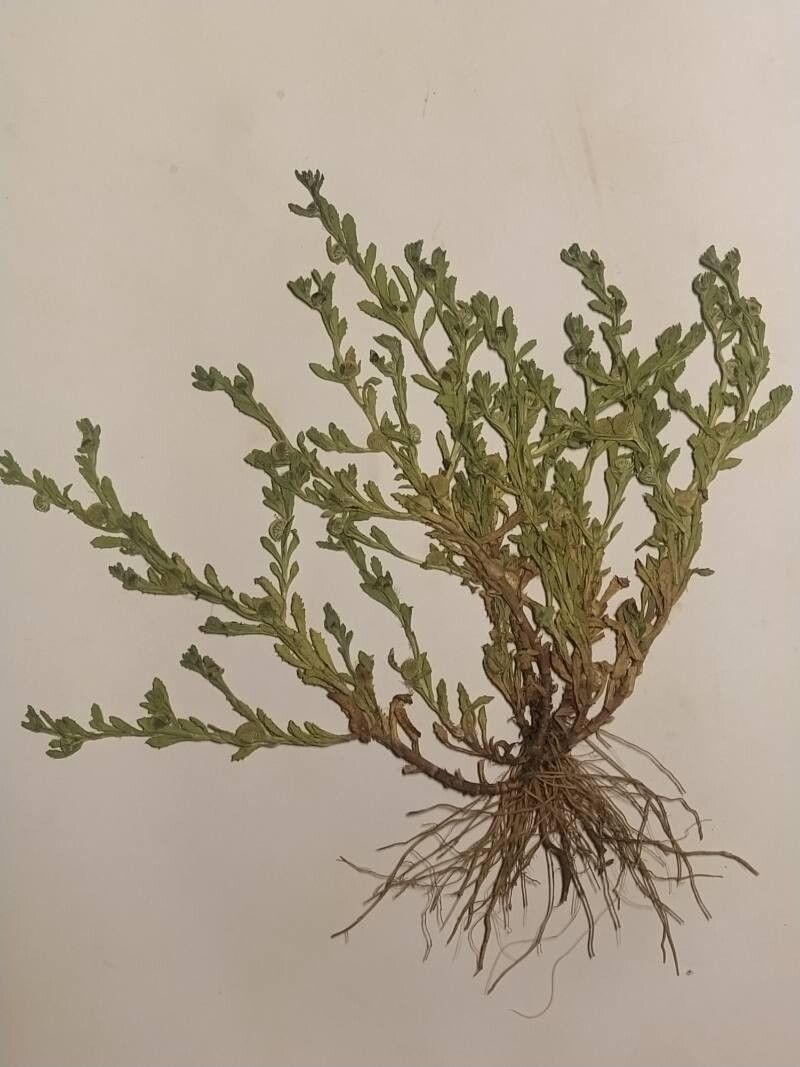
Spreading sneezeweed has good resistance to disease and generally does not tend to get sick. However, it can be vulnerable to pests and diseases present in its surroundings, and these infections are typically not severe. For care, the plant is moderately demanding. It should be pruned regularly to maintain a tidy appearance and healthy growth. Fertilizing can also help encourage flowering. Spreading sneezeweed is well suited to anyone with outdoor space, such as a garden or patio, and does not require extensive plant-care experience. It may need more attention when grown indoors.
How to keep Centipeda Minima.
Light
The flourishing of spreading sneezeweed is favored in places that receive abundant sunlight, enabling the plant to grow optimally and maintain good health. Despite its ability to survive in low-light situations, its growth may be restricted. The plant originates from environments where sunshine is largely prevailing. Both, too much or too little sunlight exposure might risk its well-being.
Temperature
Spreading sneezeweed demonstrates strong resilience to temperature fluctuations, capable of withstanding hotter climates and significant temperature swings. During high-temperature periods, it's crucial to monitor water supply and afford suitable shading to avert sun damage. On the contrary, Spreading sneezeweed shows relatively weaker resistance to colder conditions. Although it can endure a certain level of cold, overly chiled surroundings might cause frost harm.
Fertilizer
To encourage healthy growth of leaves, Spreading Sneezeweed can gain advantages from regular, mild applications of fertilizer. During the summer period, it is recommended to fertilize Spreading sneezeweed roughly every month. For the foliage, nitrogen is vital and feeding Spreading sneezeweed with nitrogen-enriched resources aids in its flourishing.