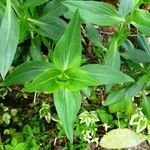
Centranthus ruber
والرین قرمز · Red-valerian · Jupiter's beard · Fox's-brush · Spur-valerian
Description
Source: leafsnapCentranthus ruber, commonly known as red valerian or Jupiter's beard, is a perennial flowering plant in the Caprifoliaceae family. Native to the Mediterranean region, it has been widely cultivated in gardens and has naturalized in many parts of the world. The plant can reach up to 1 meter in height, featuring a bushy habit with lance-shaped, gray-green leaves. Its small, tubular flowers grow in clusters at the tops of long stems and come in shades of pink, red, or white, blooming from late spring until early autumn. Red valerian prefers well-drained soil and full sun exposure but can tolerate partial shade. Once established, it is drought-tolerant, though it benefits from regular watering during dry spells. The plant’s sweet fragrance attracts bees, butterflies, and other pollinators. Historically, red valerian has been used for medicinal purposes due to its sedative properties, which can help alleviate anxiety and insomnia. These benefits are typically derived from teas or tinctures made from its roots. In garden settings, Centranthus ruber is a valuable addition because of its extended blooming period, providing color throughout the summer when many other plants have ceased flowering. It also works well as a cut flower, with its long stems making it ideal for bouquet arrangements. Overall, Centranthus ruber is an easy-to-grow perennial that enhances beauty both indoors (as cut flowers) and outdoors (in gardens).
🌳 Although prized for its ornamental qualities, red valerian also plays an important role in supporting biodiversity. It provides abundant nectar for butterflies and bees, making it a popular choice in pollinator gardens. Additionally, red valerian is examined in phytoremediation studies because it often grows in soils contaminated with heavy metals, suggesting potential use in bio-monitoring of polluted sites.
🎭 Affection, Rest, Cleansing, Power, Wellness
Care Guide
💧 Water Every 7 days
Red valerian, originally from the Mediterranean, thrives in dry, rocky soils with good drainage. Water it weekly, but adjust the frequency during the growing season to encourage flowering. Although red valerian does well with infrequent rainfall, it can also withstand periods of drought, making it an excellent choice for gardens and borders.
What do I do if I give my Red valerian plant too much water or too little water?
Taking proper care of your Red valerian involves avoiding both overwatering and underwatering. However, overwatering is a more common issue and can have more severe consequences. When Red valerian receives excessive water, its stems and leaves may wilt and turn yellow. Prolonged overwatering can also lead to diseases like root rot, mold, and mildew, which can be fatal for the plant. On the other hand, underwatering is less common due to the plant's tolerance for drought. Nonetheless, it is still possible, and underwatering will cause the leaves to become brittle and brown. To prevent overwatering, it is crucial to spot the early signs and reduce watering immediately. Assessing the soil quality is also important. If the soil doesn't drain well, it should be replaced with a loose, well-draining potting mix. For underwatering, simply watering more regularly until the signs subside is sufficient.
How should I water my Red valerian plant?
To ensure the health of the Red valerian plant, use filtered water that is at room temperature or slightly warmer. Filtered water is better because tap water may contain harmful particles. The plant prefers warm water due to its origin in a warm environment; cold water can be a shock. Avoid overhead watering to prevent problems with the foliage. Instead, apply filtered room temperature water directly to the soil until it is thoroughly soaked. This practice benefits the plant by hydrating the roots and aiding their spread and nutrient absorption.
How much should I water my Red valerian?
If your Red valerian plant is in a pot, the best way to determine if it needs water is by checking the soil moisture. Stick your finger into the soil and if the top two to three inches are dry, it's time to water. For Red valerian planted outdoors in the ground, you can use a similar method to test the soil moisture. When the top few inches of soil have dried out, it's time to water. Typically, you'll need to water this plant about once a week during spring and early fall. However, during extremely hot weather, you may need to water it twice a week or more. It's worth noting that mature, well-established Red valerian plants have a remarkable ability to tolerate drought.
How much water does my Red valerian plant require?
When watering your Red valerian, it's important to be generous with the amount of water you use. Wait until the top two to three inches of soil are dry before watering. Give the plant a thorough watering so that the soil is completely soaked. Make sure to add enough water that it drains out of the bottom drainage holes. If you don't see excess water draining, you may not have watered enough, and if the water accumulates in the soil, it can harm the plant. On the other hand, if the water doesn't drain through the pot, it could mean that the soil doesn't drain well, which is bad for the plant's health. If the plant is outside, it generally needs about 1 inch of rain per week.
How do I water my Red Valerian differently as it grows?
The water requirements of the Red valerian plant can vary depending on its growth stages. In the first few years of its life or after transplanting, it will need more water than usual. During these stages, the plant focuses on developing new roots to support future growth, so they require extra moisture. As the plant matures, its water needs decrease. Additionally, during the bloom period, the plant's flower development requires a significant amount of water, so you may need to give it more water at this time.
☀️ Light Full sun
Red valerian does best with abundant sunlight like that of its natural habitat, though it can tolerate somewhat lower light levels. Sufficient sun encourages strong establishment and flowering. Excessive shade can harm the plant, restricting growth and flower production.
What are the sunlight requirements for red valerian?
Red valerian, known botanically as Centranthus ruber, thrives best when it receives an adequate amount of sunlight, similar to its native conditions. It requires full sun, which is above 6 hours of sunlight daily, for optimal growth and flowering. However, it can also tolerate partial sun, meaning about 3-6 hours of sunlight a day. It's important to watch how sunlight moves through your garden to ensure you pick spots that offer a good balance of light and shade according to these needs, ensuring the plants' happiness and health.
Why is sunlight important for red valerian, and how can you compensate for lack of natural light?
Sunlight is crucial for red valerian as it aids in healthy establishment and flowering. In its native habitat, this plant enjoys generous sun exposure. Insufficient sunlight can impede growth and reduce flower production, affecting plant health. If natural sunlight is lacking, especially in winter or less sunny spaces, artificial lighting can be a vital solution. Indoor plants benefit from artificial lights that promote faster, healthier growth. LED lights are recommended as they can be tailored to provide specific wavelengths needed by plants, with varying intensities required for full sun, partial sun, and full shade plants.
What are the symptoms of sunlight deficiency in red valerian?
Red valerian can show several symptoms when it's not getting enough light, including smaller new leaves, leggy or sparse growth, premature leaf drop, halted growth, and paler new leaves. Conversely, excessive sunlight can lead to chlorosis, where leaves turn yellow due to chlorophyll breakdown, sunscald with damaged leaves or stems, leaf curling as a defense mechanism against water loss, wilting due to excessive transpiration, and leaf scorching, which appears as brown or crispy leaf edges.
What are the recommended solutions for red valerian facing insufficient sunlight?
For indoor red valerian plants not receiving enough sunlight, gradually moving them to a sunnier location to ensure at least 6 hours of direct sunlight daily is advisable. Using a south-facing window or artificial lighting, such as a desk, ceiling lamp, or professional plant grow lights for at least 8 hours daily can also help. Outdoors, moving plants gradually to sunnier spots and avoiding sudden light intensity changes is key to preventing sunburn. Pruning nearby trees to reduce obstructions, and for smaller plants, transplanting during their dormant period to a sunnier location with good drainage can significantly improve sunlight exposure. It’s important to remember that parts of the plant affected by insufficient light may not recover, but new growth will be healthy with improved light conditions.
🌡️ Temperature 5–32.2°C
Red valerian naturally thrives in climates where temperatures range from 68 to 95 °F (20 to 35 °C). It favors warmth and must be protected from chill during colder seasons.
What is the optimal temperature range for Red Valerian?
Red valerian thrives best in climates where temperatures range between 68 to 95°F (20 to 35°C). It prefers warm conditions and needs adjustments to avoid chill during the colder seasons. Although red valerian has strong cold resistance and doesn't usually require special frost protection measures in winter, providing extra cold protection is important if temperatures are expected to drop below -25°C. This can be done by covering the plant with soil or straw. Additionally, watering the plant abundantly before the first freeze in autumn to keep the soil moist can help prevent drought and water scarcity during winter and early spring.
How does Red Valerian react to low temperatures?
Red valerian is quite cold-tolerant, ideally thriving when temperatures stay above 20°C and should be kept above 0°C during the winter. However, if the temperature falls below -25°C, there may not be noticeable changes during the winter, but a decrease in sprouting or even a lack of sprouting might be observed in spring. To manage this, it's recommended to remove any parts of the plant that have failed to sprout in the spring.
What should I do if Red Valerian experiences high temperatures?
During the summer, it's important to keep Red valerian's temperature below 35°C. If temperatures rise above 38°C, the plant's leaves might lighten in color, become prone to curling, suffer from sunburn, and, in severe cases, the entire plant may wilt and dry up. To address this, sunburned and dried-up parts of the plant should be trimmed away. Moving the plant to a shaded location or using a shade cloth to protect it from midday and afternoon sun is advisable. Additionally, watering the plant in the morning and evening will help keep the soil moist and support the plant's health under high temperature conditions.
💨 Humidity dry (<40%)
This plant prefers dry conditions, so don't mist it. However, watering it less often can also thrive in higher humidity.
🪴 Soil 6-7
🌱 Fertilizer
One fertilizer application in spring is generally enough for Red valerian, although multiple feedings can maximize growth. Feed every month to every month and a half. Fertilizing improves the leaves' appearance and function, helping maintain even color and a healthy texture. It also promotes root growth and nutrient uptake for the plant's long-term health.
When is it not a good idea to add fertilizer to my Red valerian plant?
During the late fall and winter, your Red valerian will go into a dormant phase and stop growing. It's important not to fertilize your Red valerian during this time. In the spring and summer, if you choose to fertilize, start decreasing the amount you use as summer approaches because the growth rate of your Red valerian will slow down. In general, it's not a good idea to fertilize your Red valerian when the weather is unusually hot or the soil is extremely dry. Fertilizing in these conditions can stress your Red valerian and lead to premature death.
Why should I give fertilizer to my Red valerian?
The Red valerian relies heavily on its leaves, so fertilization plays a crucial role in maintaining their appearance and function. Adequate fertilization results in consistent color and a healthy texture of the leaves. Additionally, it benefits the plant below the surface by promoting the growth of new roots and maintaining the existing ones. By fertilizing your Red valerian, not only will you keep it healthy in the present, but you will also enhance its ability to absorb nutrients from the soil in the future.
When should I fertilize my Red valerian?
To ensure optimal growth of your Red valerian, it is important to pay attention to the emergence of new leaves in early spring. This signals that it is the right time to start fertilization. While a single application of fertilizer may be sufficient for most Red valerian plants, if you want to maximize their growth, you can choose to fertilize multiple times during the spring and early summer. In this case, you can feed your Red valerian approximately once every month to a month and a half.
What kind of fertilizer should I use for my Red valerian?
Choosing the best fertilizer for a Red valerian is fortunately very straightforward. These plants thrive on a general-purpose garden fertilizer with equal amounts of nitrogen, phosphorus, and potassium - a ratio of 10-10-10 or similar is ideal. Avoid fertilizers with high nitrogen levels if unsure. Granular slow-release fertilizers are most effective for a Red valerian, as they are easy to apply to the soil. Additionally, organic soil amendments like compost can be beneficial for feeding your Red valerian.
How should I provide nutrients to my Red valerian plant?
To ensure proper growth of your Red valerian, it is best to wait until the first leaves emerge in early spring before applying fertilizer. Use a granular slow-release fertilizer with a balanced formula and apply it to the soil around the base of the plant. You can repeat this process later in the season if desired. Remember to apply the fertilizer to the soil and not the plant itself. Occasionally, you may need to move some leaves to reach the soil near the roots. It is also beneficial to water the plant before and after feeding it.
🪴 Pot & Repot 2-3 years
When repotting Red valerian, choose a pot 1–2 inches (2.5–5.1 cm) larger with ample drainage. Use a well-draining potting mix. Repot in spring or fall, ensuring that the root ball is slightly lower than the rim of the flower pot. Water thoroughly after repotting and place in a warm spot with indirect sunlight.
✂️ Pruning
Red valerian benefits greatly from proper pruning. This involves removing faded flowers and trimming back leggy stems. It's best to perform this task from early to late spring. Doing so improves air circulation, helps prevent disease, and encourages lush foliage, resulting in a healthy and vibrant plant.
🌿 Propagating
🐛 Diseases & pets
☠️ Toxicity
Characteristics
- Plant Type
- Herb
- Life Cycle
- Perennial, Annual, Biennial
- Genus
- Centranthus
- Family
- Caprifoliaceae
- Hardiness Zone
- 5-8
- Mature Height
- 61 cm to 91 cm
- Mature Spread
- 46 cm to 76 cm
- Leaf Color
- Green, Gray
- Leaf Type
- Semi-evergreen
- Flower Color
- Pink, Red
- Flower Size
- 2.03 cm
- Bloom Time
- Late spring, Early summer, Mid summer
- Planting Time
- Spring, Summer
- Harvest Time
- Mid summer
- Native Area
- The Mediterranean