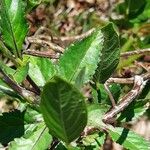
Centrosema virginianum
Spurred butterfly pea · Butterfly-pea · Virginia centro · Blue bell · Wild pea
Description
Source: leafsnapCentrosema virginianum, commonly known as Spurred Butterfly Pea, is a perennial herbaceous plant in the Fabaceae family. Native to the southeastern United States, it thrives in open woods, fields, and along roadsides. This plant has a sprawling growth habit, with stems that can extend up to 2 meters in length. The leaves are trifoliate, featuring ovate leaflets that range from 2 to 6 cm long and 1 to 4 cm wide. The flowers of Centrosema virginianum are particularly showy and attractive, adorned with bright purple petals and a distinctive spur at the base of each flower. These flowers bloom from May to September on long stalks that emerge from leaf axils or the ends of branches. Centrosema virginianum has several uses, including serving as an ornamental plant due to its eye-catching flowers and as forage for livestock because of its high protein content. Additionally, it holds medicinal value; Native Americans have traditionally used it to treat ailments such as fever, coughs, and colds, among others. This plant prefers well-drained soils in full sun or partial shade and can tolerate some drought conditions once established. It is easy to propagate from seeds or cuttings, making it an ideal choice for gardeners seeking low-maintenance plants with beautiful blooms throughout the summer months.
Care Guide
💧 Water Every 7 days
The spurred butterfly pea thrives in moderate humidity and prefers soil that remains consistently moist without becoming waterlogged. To maintain optimal soil moisture, water the plant twice a week. Typically grown outdoors, this plant flourishes during the growing season when both water availability and temperatures increase.
How should I water my Spurred butterfly pea plant?
To water the Spurred butterfly pea effectively, it is recommended to use filtered water at room temperature. This plant thrives better with filtered water as tap water may contain harmful particles. The water temperature should be warm or at least room temperature since the Spurred butterfly pea is accustomed to a warm environment, and cold water can be detrimental. It is also advisable to avoid overhead watering as it may cause issues with the foliage. Instead, gently apply the filtered room temperature water directly to the soil until it is completely soaked. This method is advantageous as it provides moisture to the roots and aids in spreading and nutrient absorption.
What should I do if I give my Spurred butterfly pea too much water or not enough water?
Overwatering is a more common issue for the health of your Spurred butterfly pea. It can cause wilting and yellowing of the stems and leaves. It can also lead to diseases like root rot, mold, and mildew, which can be fatal for your plant. Underwatering is less common, but it can still happen. In this case, the leaves of your Spurred butterfly pea will become brittle and brown. It's important to notice the signs of overwatering early on. Diseases like root rot may not be fixable if you wait too long. If you see early signs of overwatering, reduce your watering schedule and check the soil's drainage. Replace it if it drains poorly. If you notice signs of underwatering, water more regularly until the signs disappear.
How much water does my Spurred butterfly pea need?
If your plant is in a pot, the most accurate way to determine if your Spurred butterfly pea needs water is by checking the soil with your finger. If you find that the top two to three inches of soil are dry, it's time to water it. The same method can be used if you are growing your Spurred butterfly pea outdoors in the ground. If the top few inches of soil have dried out, it's time to water. Typically, during spring and early fall, watering about once a week is sufficient. However, during extremely hot weather, you may need to water twice or more per week. Nevertheless, mature and well-established Spurred butterfly peas have shown great resilience to drought.
How much water does my Spurred butterfly pea plant need?
When watering your Spurred butterfly pea, don't hesitate to give it a generous amount of water. Make sure the first two to three inches of soil are dry before watering. It's important to thoroughly soak the soil, allowing excess water to flow out of the drainage holes at the bottom of the pot. If you don't see water draining from the pot, you may not have given enough water. However, be careful not to let water accumulate in the soil, as it can harm the plant. If there is no water draining from the pot, it could be a sign of poorly draining soil, which is harmful to the plant's health. When the plant is outside, one inch of rain per week is enough.
How do I give water to my Spurred butterfly pea at different stages of growth?
The water needs of the Spurred butterfly pea can vary depending on its growth stages. When it is in the first few years of its life or has just been transplanted to a new location, it will require more water than usual. This is because during these stages, the butterfly pea focuses on developing new roots to support future growth, and these roots perform better with slightly more moisture. As the plant matures, it will require less water. Additionally, during the bloom period, the flower development of the Spurred butterfly pea requires a significant amount of moisture, so you may need to provide extra water during this time.
☀️ Light Full sun
Centro prospera a pleno sol y soporta una ligera sombra. En su hábitat nativo, crece mejor en sitios que reciben la mayor parte de los rayos del sol. La falta o el exceso de este recurso fundamental podría provocar el amarilleo de las hojas e impedir un crecimiento sano.
What are the sunlight requirements for Spurred butterfly pea?
The Spurred butterfly pea, known botanically as Centrosema virginianum, thrives under conditions of full sun, which means it should receive more than 6 hours of direct sunlight daily. It can also grow in partial sun, with about 3-6 hours of sunlight. However, it's essential to watch how sunlight moves through your garden to select spots providing the ideal balance of light and shade, ensuring the plants' wellbeing.
How does sunlight affect the growth of Spurred butterfly pea?
Sunlight plays a crucial role in the healthy growth of the Spurred butterfly pea, mimicking its native habitat conditions. Adequate light exposure is beneficial, fostering robust growth, while overexposure or severe lack of light negatively impacts its development. It's important to ensure the plant receives sufficient light, whether through natural or artificial means, to support its growth.
How can artificial lighting be used for Spurred butterfly pea indoor growth?
When natural sunlight is insufficient, especially in less sunny spaces or during winter, artificial lighting becomes essential for the growth of indoor Spurred butterfly pea plants. LED lights are recommended due to their capability to be customized to the specific light wavelengths plants need. Full sun plants require 30-50W/sq ft, partial sun plants 20-30W/sq ft, and full shade plants 10-20W/sq ft of artificial light. The light source should be placed 12-36 inches above the plant, mimicking natural sunlight as closely as possible, usually for 8-12 hours per day.
What are symptoms of inadequate lighting in Spurred butterfly pea?
Symptoms of inadequate lighting in Spurred butterfly pea include smaller new leaves, leggy or sparse growth, accelerated leaf drop, slowed or halted growth, paler new leaves, chlorosis, sunscald, leaf curling, wilting, and leaf scorching. These signs indicate that the plant is not receiving the appropriate amount of sunlight it requires to thrive.
What solutions are available for Spurred butterfly pea suffering from light deficiency?
To address light deficiency in Spurred butterfly pea, gradually move plants to sunnier locations to receive at least 6 hours of sunlight daily. For indoor plants, use south-facing windows or artificial light sources such as desk or ceiling lamps for at least 8 hours daily. Outdoors, avoid drastic changes in light intensity to prevent sunburn. If plants are shaded by trees, consider pruning to improve sunlight exposure. For small plants, transplanting during their dormant period into a location with ample sunlight and good drainage is advised. Note that while parts of the plant already affected may not recover, new growth should be healthy with improved light conditions.
🌡️ Temperature 20–37.8°C
Centro originates from areas where temperatures typically range from 68 to 100 °F (20 to 38 ℃). It favors warm conditions and often adapts to seasonal changes. However, in colder seasons, providing a warmer microclimate can ensure its robust growth.
💨 Humidity
🪴 Soil 6-8
🌱 Fertilizer
Correct feeding is essential for Centro’s health and appearance. Feed Centro during the summer, applying fertilizer once a month throughout the season. Nutrients drive growth and preserve the plant’s parts. Fertilizing improves Centro’s flowering display, helping it produce the best blooms.
Why should I put fertilizer on my Spurred butterfly pea plant?
The Spurred butterfly pea's leaves are crucial for its overall structure. Fertilization is a key way to make sure these leaves both look great and serve their purpose effectively. By fertilizing properly, you can help the Spurred butterfly pea maintain leaves with consistent color and a healthy texture. Fertilization also has benefits beneath the soil. It encourages the growth of new roots and supports the existing ones in the root system. This means that fertilizing your plant not only keeps it healthy in the present, but also improves its ability to absorb nutrients from the soil in the long run.
When should I fertilize my Spurred butterfly pea for best results?
If you grow your Spurred butterfly pea outdoors each year, it will start growing new leaves in early spring. This is the signal to start fertilizing for the year. Usually, just one application of fertilizer in the spring is enough for a Spurred butterfly pea. But if you want it to grow as much as possible, you can feed it multiple times throughout the spring and early summer. In this case, you can give it fertilizer about once every month to a month and a half.
When should I not add plant food to my Spurred butterfly pea?
During the late fall and winter, your Spurred butterfly pea goes into a dormant phase and stops producing new growth. It is important to refrain from fertilizing it during this time. In the spring and summer, if you decide to fertilize multiple times, gradually reduce the amount as summer approaches because the growth rate of the Spurred butterfly pea slows down. In general, it is not recommended to fertilize your Spurred butterfly pea during extremely hot weather or when the soil is excessively dry. Fertilizing under these conditions can cause stress and premature death of the plant.
What kind of fertilizer does my Spurred butterfly pea plant need?
Choosing the best fertilizer for a Spurred butterfly pea is simple. They do well with a general-purpose garden fertilizer that has equal amounts of nitrogen, phosphorus, and potassium, preferably a 10-10-10 ratio or similar. Avoid fertilizers with too much nitrogen. Granular fertilizers are recommended, especially slow-release ones that can be easily applied to the soil. Additionally, using an organic soil amendment like compost can be beneficial for feeding the Spurred butterfly pea.
How can I give nutrients to my Spurred butterfly pea plant?
To ensure the healthy growth of your Spurred butterfly pea, start by waiting for the first leaves to poke through the soil's surface in early spring. Once this happens, apply a granular slow-release fertilizer with a balanced formula to the soil surrounding the base of the plant. You can repeat this process later in the season if desired. When reapplying the fertilizer, make sure to apply it to the soil at the base of the plant rather than directly onto the plant itself. This may require moving some leaves to access the soil above the roots. Additionally, it is recommended to water the Spurred butterfly pea before and after fertilizing.
🪴 Pot & Repot
✂️ Pruning
The spurred butterfly pea is a climbing vine known for its striking flowers. To manage its growth and encourage blooming, it's best to prune the plant from early to late spring. Regular pruning improves airflow, prevents disease, and promotes new growth. Make sure to use clean shears for effective pruning to keep the spurred butterfly pea vibrant throughout the growing season.
🌿 Propagating
🐛 Diseases & pets
☠️ Toxicity
Characteristics
- Plant Type
- Herb, Vine
- Life Cycle
- Perennial
- Genus
- Centrosema
- Family
- Fabaceae
- Hardiness Zone
- 10-12
- Mature Height
- 46 cm
- Mature Spread
- 2.13 m to 3.05 m
- Leaf Color
- Green, Blue
- Leaf Type
- Evergreen
- Flower Color
- Purple, Lavender
- Flower Size
- 3.05 cm to 4.06 cm
- Bloom Time
- Summer, Fall
- Planting Time
- Spring, Summer
- Harvest Time
- Late summer, Fall, Early winter
- Native Area
- Colombia, Belize, Cuba, Honduras, Mexico, Guatemala, Bolivia, Brazil, Nicaragua, Ecuador, Costa Rica, Panama, Jamaica