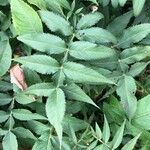
Cephalaria gigantea
Giant-scabious · Yellow-scabious · Tatarian cephalaria · Tatarian swanseed
Description
Source: leafsnapCephalaria gigantea, commonly known as Giant Scabious, is a herbaceous perennial plant in the Caprifoliaceae family. Native to the Caucasus region, it is also found in parts of Europe and Asia. The plant can reach heights of up to 2 meters and a spread of 1 meter. It features large, yellow flowers that bloom in mid-summer on tall stems that rise above its foliage. The leaves of Cephalaria gigantea are basal and pinnately divided, with toothed edges. Its sturdy, upright stems make it an excellent choice for adding height to garden borders or serving as a focal point in mixed borders. Cephalaria gigantea thrives in full sun or partial shade and prefers well-drained soil rich in organic matter. It requires regular watering during dry periods but can tolerate some drought once established. The plant attracts bees, butterflies, and other pollinators thanks to its nectar-rich flowers. Additionally, it possesses medicinal properties, including anti-inflammatory effects. Overall, Cephalaria gigantea is an attractive perennial that enhances any garden with its height and visual interest while providing benefits for pollinators and offering potential medicinal uses.
Care Guide
💧 Water Every 7 days
Giant scabious thrives in consistently moist soil, similar to its native habitat, and can tolerate moderate drought. To mimic these conditions, water the plant weekly, particularly during the growing season. Rainwater is preferable to tap water during this time because it provides better nutrients.
☀️ Light Full sun
Giant scabious is a sun-loving perennial herb that comes from open habitats and is commonly found in meadows and grasslands. It prefers full sun but can tolerate partial sun.
🌡️ Temperature 5–35°C
Giant scabious can tolerate a wide range of temperatures, but its distribution may still be restricted by various combinations of moisture and heat. It performs best in warm summer conditions with sufficient rainfall or watering. Extended stretches of cloudy, rainy weather, as well as prolonged high temperatures, can raise the risk of Giant scabious dying. In winter, adequate protection from cold can increase the plant’s chances of survival.
💨 Humidity
🪴 Soil 6-8
🌱 Fertilizer
Early spring, as the Giant scabious comes out of dormancy and begins active growth, is the best time to apply fertilizer. Fertilizing supplies essential nutrients for healthy development. Although Giant scabious has relatively low feeding requirements, a yearly application can boost its survival and encourage nicer, longer-lasting flowers.
🪴 Pot & Repot
✂️ Pruning
Giant scabious benefits from pruning in early to late spring, which enhances its growth and vigor. Deadheading the flowers prolongs blooming and prevents self-seeding, while removing dead foliage helps maintain the plant's health. Regular trimming keeps the plant in shape and prevents it from becoming leggy, aligning with its growth cycle for optimal performance.
🌿 Propagating
🐛 Diseases & pets
☠️ Toxicity
Characteristics
- Plant Type
- Herb
- Life Cycle
- Perennial
- Genus
- Cephalaria
- Family
- Caprifoliaceae
- Hardiness Zone
- 4-9
- Mature Height
- 2.44 m
- Mature Spread
- 91 cm
- Leaf Color
- Green
- Leaf Type
- Deciduous
- Flower Color
- Yellow
- Flower Size
- 5.08 cm to 6.35 cm
- Bloom Time
- Summer
- Planting Time
- Spring, Summer
- Harvest Time
- Late summer, Early fall, Mid fall
- Native Area
- Azerbaijan, Armenia, Turkey