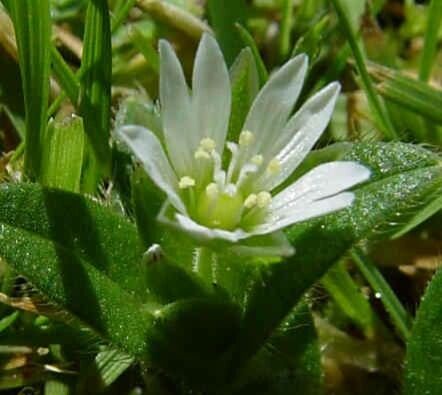
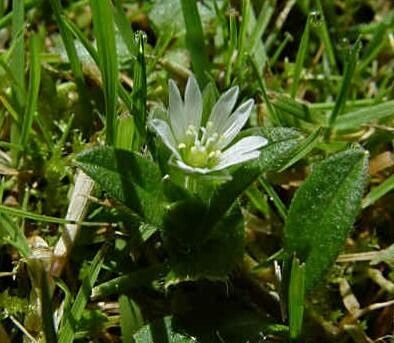
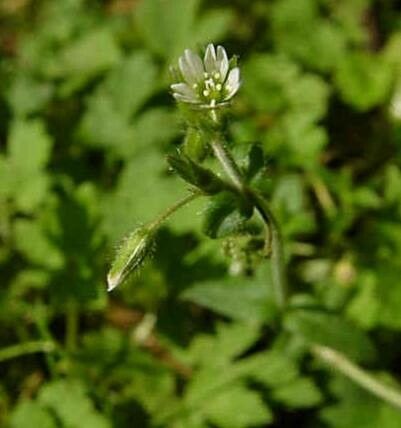
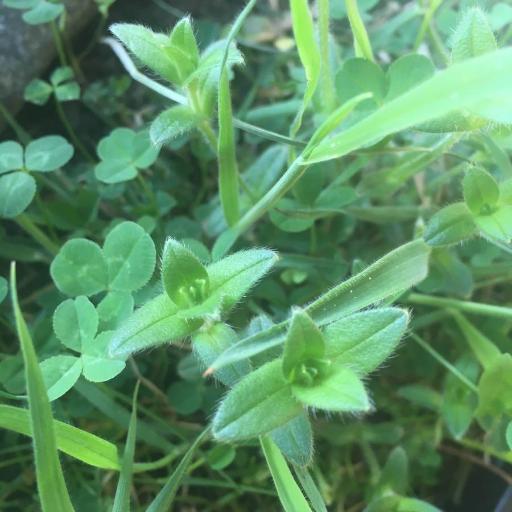
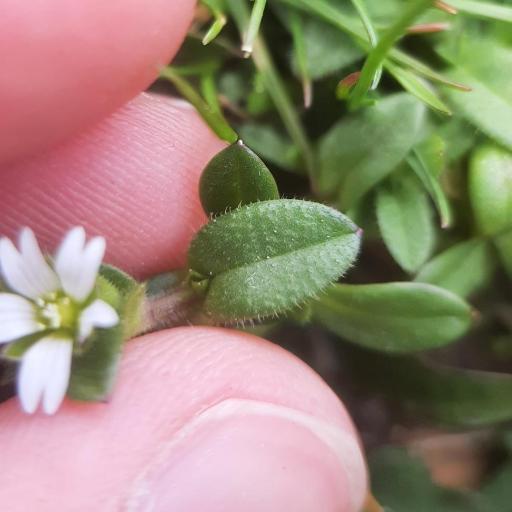
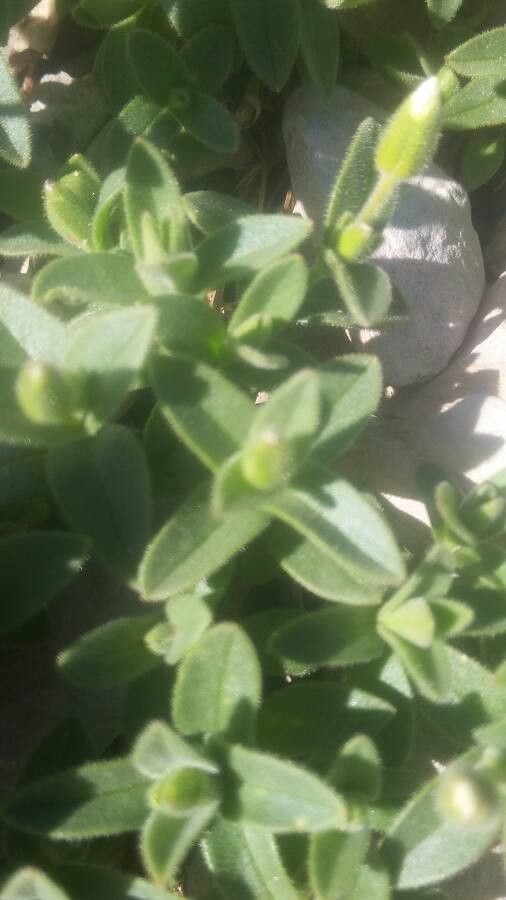
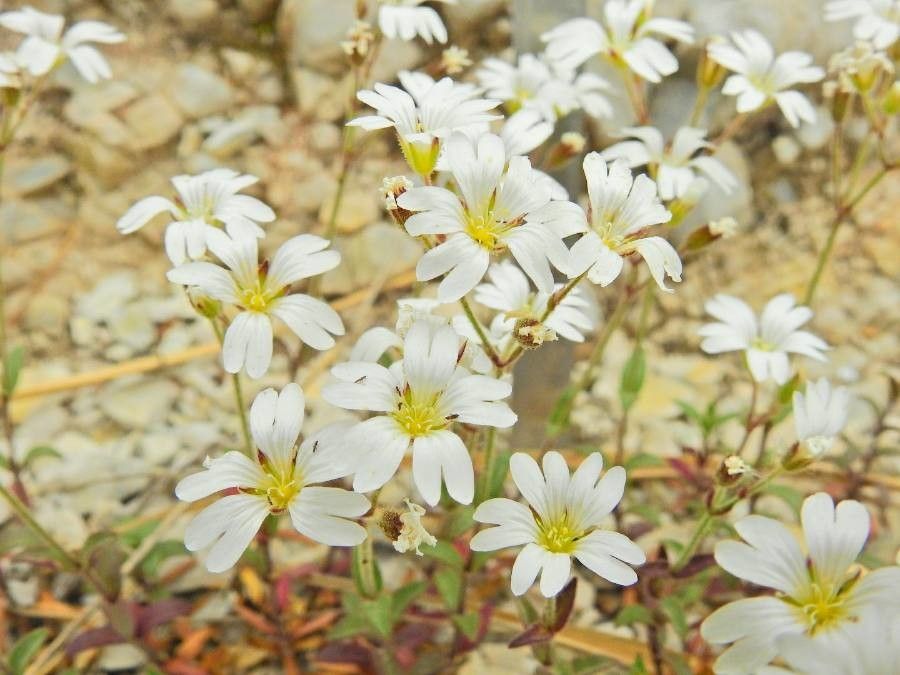
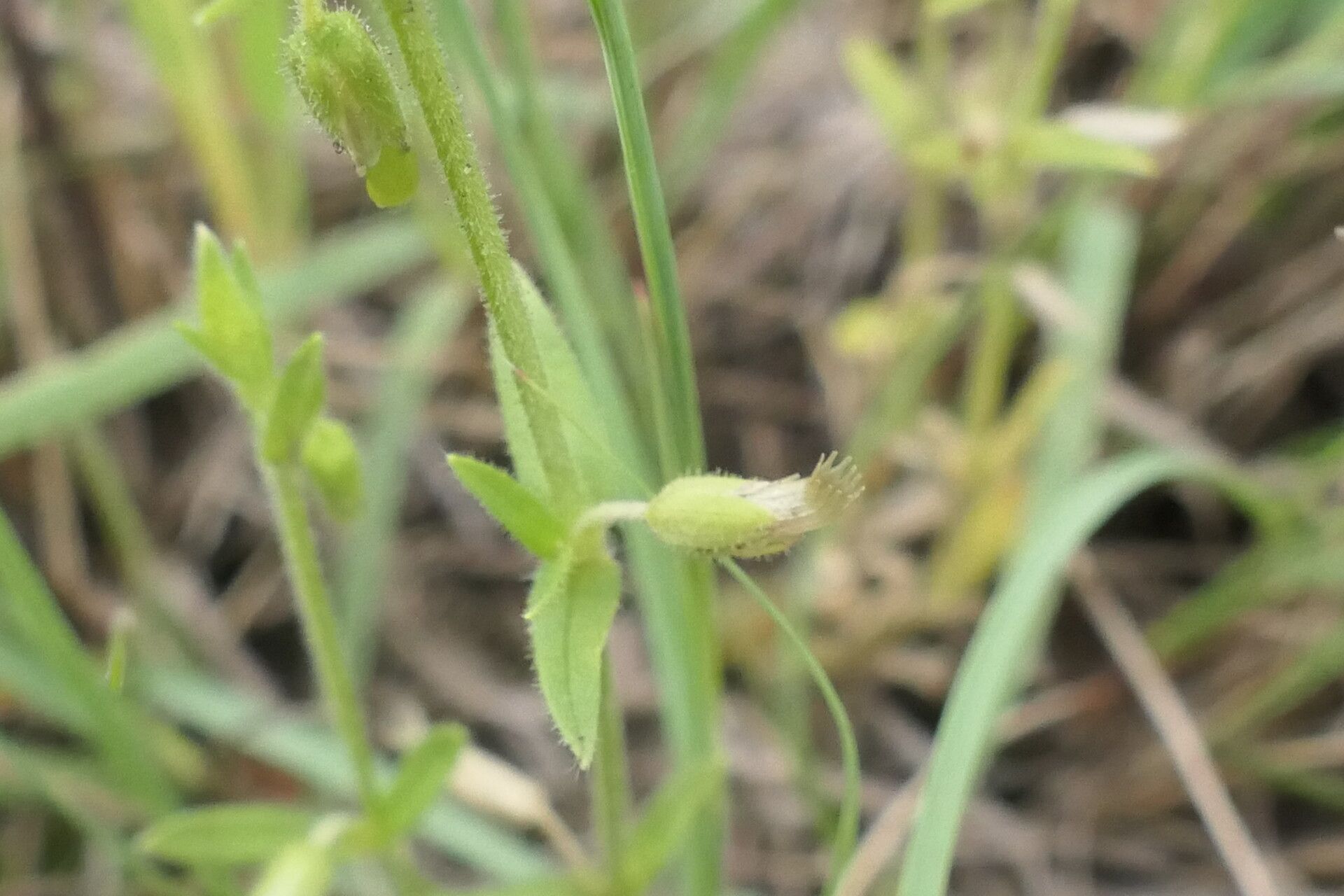
Cerastium holosteoides, the common mouse-ear chickweed, is a species of flowering plant belonging to the family Caryophyllaceae.Its native range is temperate and subarctic areas of the Old World; scattered countries in Africa, nearly all of Eurasia to New Guinea. One of the world's most widespread weeds, it has been introduced to most of North America, the western countries of South America, New Zealand, South Africa, and many islands around the world.
Common mouse-ear chickweed is fairly resistant to disease and typically does not suffer from them. That said, it can be vulnerable to pests and diseases present in its environment. These problems are usually mild. In terms of care, the plant requires moderate maintenance. It should be pruned regularly to keep a neat appearance and support healthy growth. Fertilizing can also help encourage flowering. Common mouse-ear chickweed is suitable for anyone with outdoor space, such as a garden or patio, and does not need extensive care experience. It may need more attention if grown indoors.
How to keep Cerastium Holosteoides.
Light
Common mouse-ear chickweed comes from bright, open habitats and performs best in full sun. It can withstand partial shade but favors direct sunlight for ideal growth. This plant, which can be annual or biennial, is noted for its sun-loving habit.
Water
Common mouse-ear chickweed flourishes in moderate humidity and requires weekly watering to maintain the right moisture levels. Typically grown outdoors, it adapts well to diverse climate zones and varying rainfall patterns, which makes it particularly resilient in its native habitat.
Temperature
Common mouse-ear chickweed can adjust to a broad range of temperatures, but its distribution may still be limited by different combinations of water and heat. It does best in warm summer conditions with sufficient rainfall or watering. Extended periods of cloudy, rainy weather, as well as prolonged high temperatures, can increase the chance that Common mouse-ear chickweed will die. In winter, protecting it from the cold can improve its survival rate.
Fertilizer
Common mouse-ear chickweed is regarded as a heavy feeder when it comes to nutrients. It requires frequent, low-dose applications of nitrogen and potassium fertilizers and periodic supplies of phosphorus, micronutrients, sulfur, and magnesium to sustain vigorous growth and vivid coloration. Continuous fertilization throughout the growing season is necessary to prevent deficiency symptoms and maintain optimal growth.
Pruning
Prune common mouse-ear chickweed from early to late spring to encourage denser growth and more blooms. Regular maintenance is crucial to controlling its rapid spread. Concentrate on thinning crowded areas to improve airflow and prevent disease. Spring pruning helps the plant recover and flourish during the growing season.
Botanical profile.
- Plant Type
- Herb
- Life Cycle
- Biennial, Perennial
- Genus
- Cerastium
- Family
- Caryophyllaceae
- Hardiness Zone
- 4-8
- Mature Height
- 20 cm
- Mature Spread
- 15 cm to 40 cm
- Leaf Color
- Light Green, Olive Drab
- Leaf Type
- Deciduous
- Flower Color
- White
- Flower Size
- 0.51 cm to 1.02 cm
- Bloom Time
- Mid spring, Late spring, Early summer, Mid summer
- Planting Time
- Spring, Summer, Autumn
- Harvest Time
- Summer, Early fall
- Native Area
- Sri Lanka, Turkey, Sweden, India, Austria, Slovakia, Montenegro, Pakistan, Slovenia, Morocco, Croatia, Belarus, Russia, Iraq, Germany, Indonesia, Iceland, Estonia, Koppen, Romania, Latvia, South Korea, Belgium, Moldova, Portugal, Nepal, Netherlands, France, Czech Republic, Bulgaria, Armenia, Poland, Greece, Ukraine, Serbia, China, Lithuania, Norway, Afghanistan, Kyrgyzstan, Kazakhstan, Italy, Spain, Switzerland, Vietnam, Japan, Denmark, Iran, Albania, Ireland, United Kingdom, Hungary, Azerbaijan
Other names.