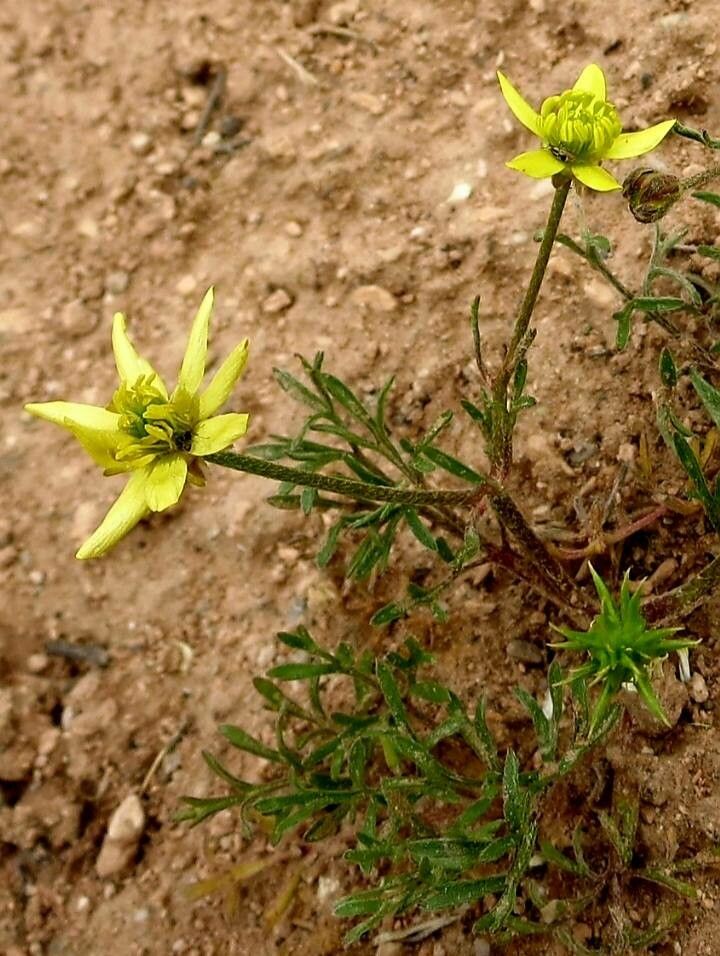
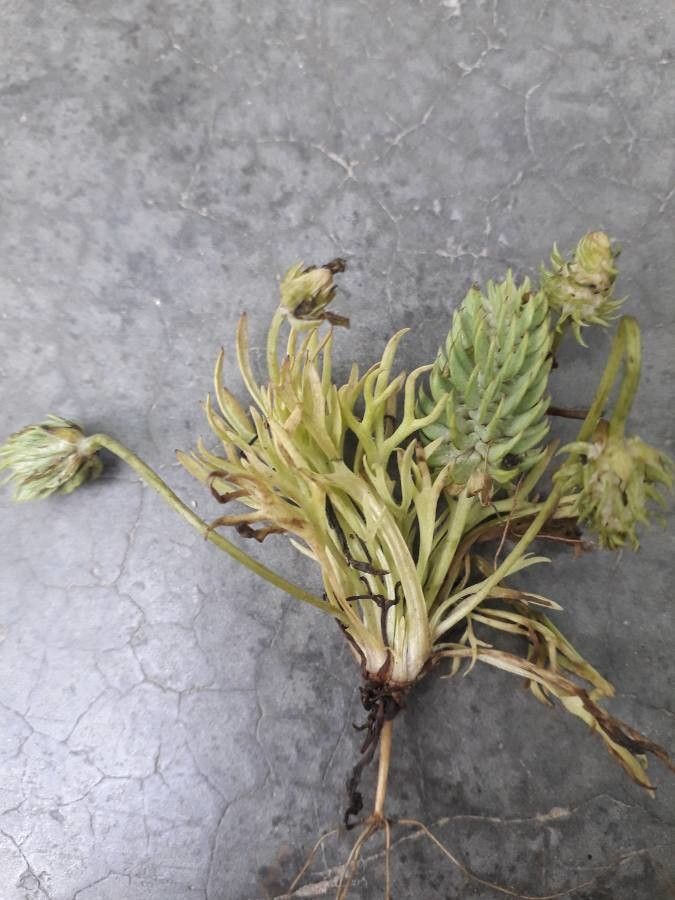
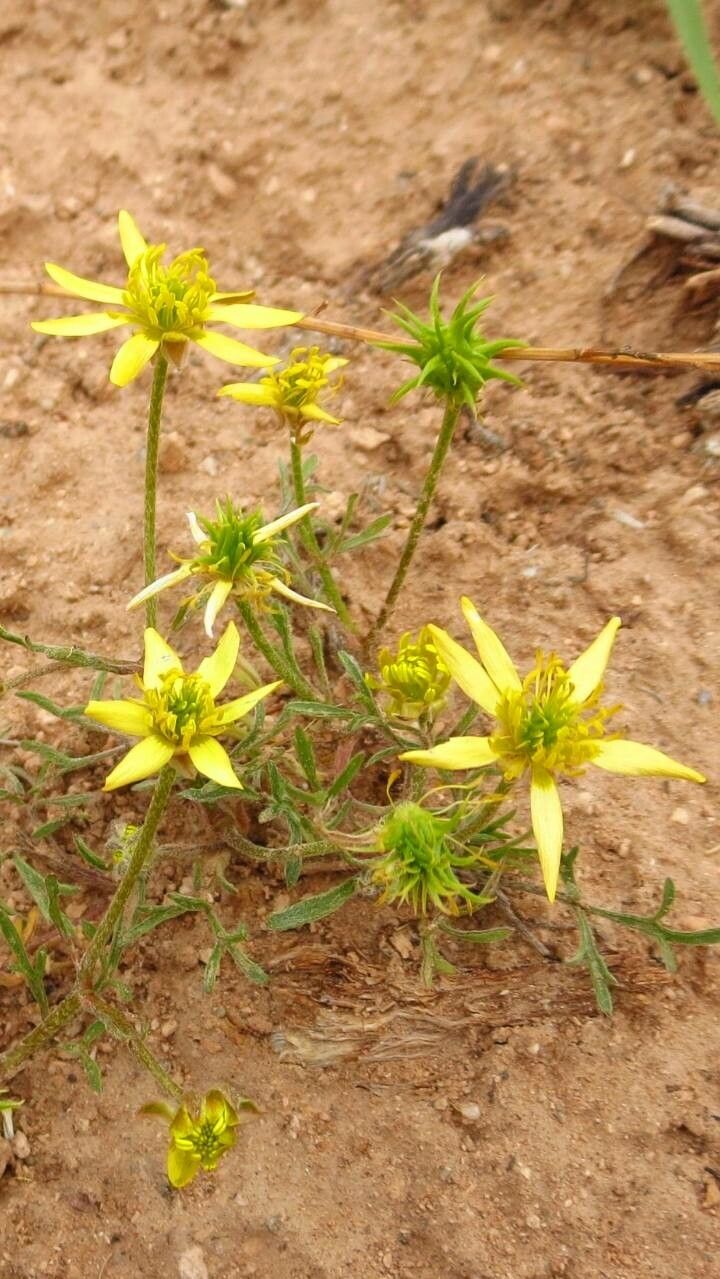
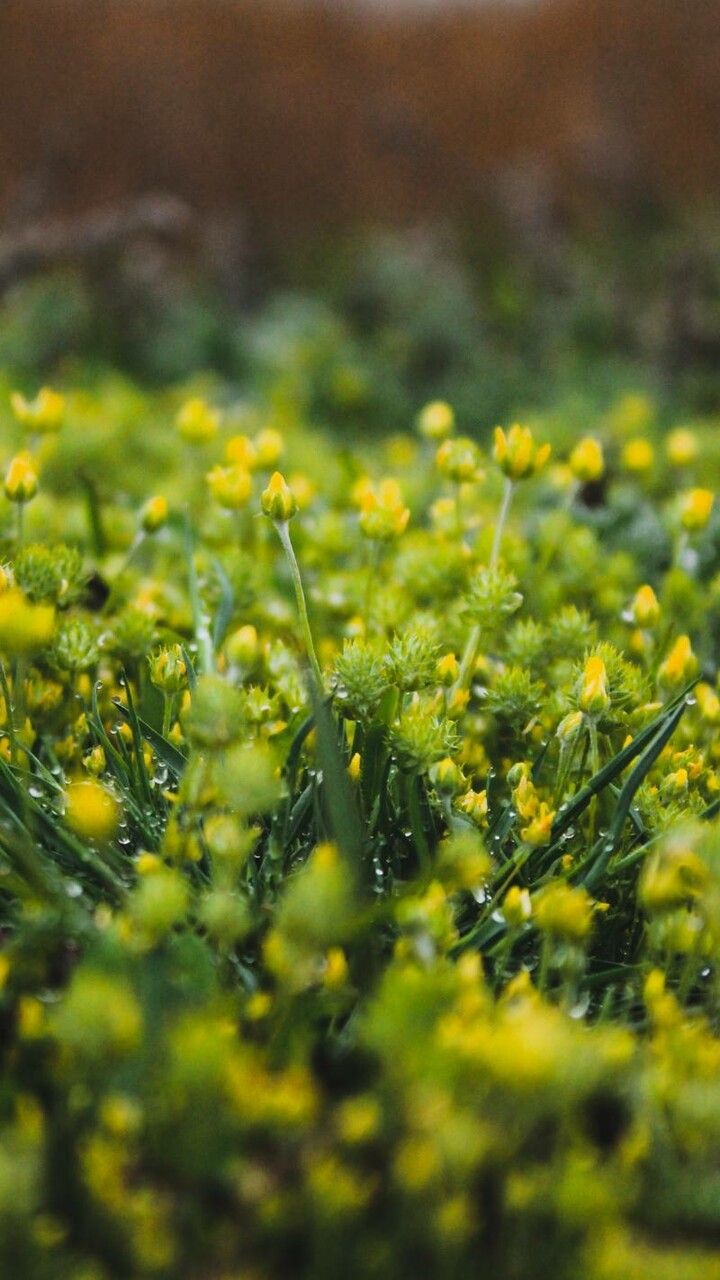
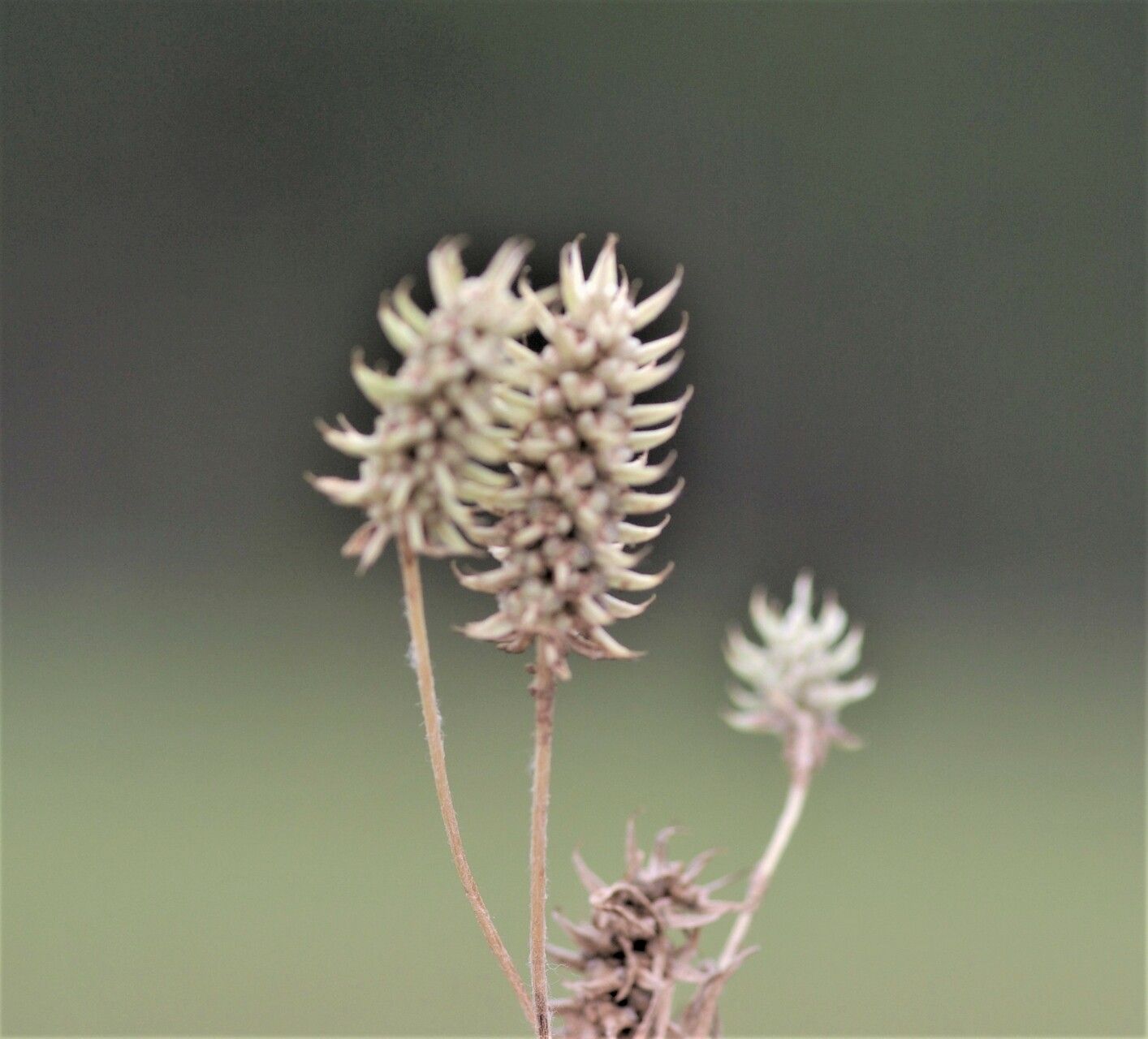
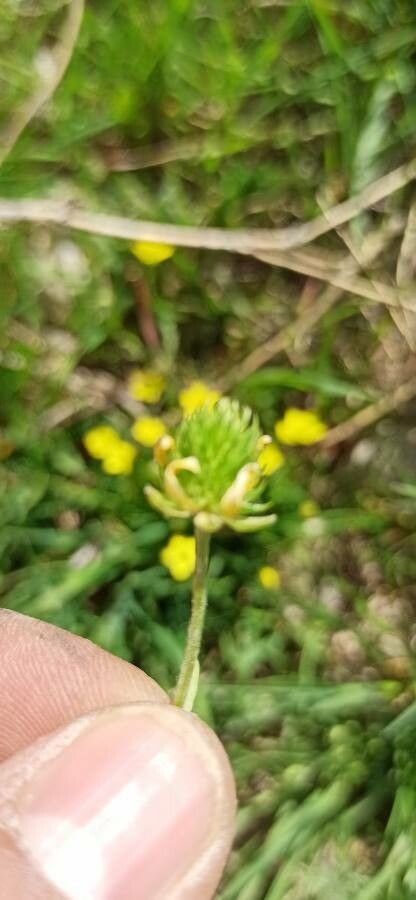
Butterwort has strong resistance to disease and is typically not prone to illnesses. However, it can be vulnerable to pests and diseases present in its environment; these issues are usually mild. In terms of care, the plant requires a moderate level of maintenance. It should be pruned regularly to maintain an attractive appearance and healthy growth. Fertilizing can also help encourage flowering. Butterwort is suitable for anyone with outdoor space, such as a garden or patio, and does not demand extensive care experience. It may need more attention when grown indoors.
How to keep Ceratocephala Falcata.
Light
Butterwort comes from bright, open environments and does best in full sun. It can tolerate partial sun but prefers direct sunlight for optimal growth. This annual and biennial plant is known for its sun-loving nature.
Water
Butterwort, which originates from moist environments, thrives in settings with high humidity and consistent moisture. To keep the soil evenly damp, it should be watered weekly. Often cultivated indoors due to its moderate size and appealing foliage, butterwort is best grown in conditions that replicate the humidity of its natural habitat.
Temperature
Butterwort can tolerate a wide range of temperatures, but its distribution may still be restricted by different combinations of moisture and heat. It grows best in warm summer conditions with sufficient rainfall or watering. Extended spells of cloudy, rainy weather, as well as prolonged high temperatures, can raise the chance of Butterwort dying. In winter, protecting it from cold can improve the plant's survival.
Fertilizer
Butterwort responds well to regular, weak applications of fertilizer to encourage healthy leaf development. You should apply fertilizer about once a month during the summer. Nitrogen is important for foliage, and providing nitrogen-rich inputs helps Butterwort thrive.
Pruning
Butterwort is known for its distinctive foliage and flowers, and it thrives with proper pruning. To keep your plant healthy, remove any dead or damaged parts in early spring. Then, perform a light pruning in late spring to shape the plant to your liking. Make sure to use sterilized tools, which will help improve air circulation and reduce the risk of fungal diseases, while also encouraging more blooms.
Botanical profile.
- Plant Type
- Herb
- Life Cycle
- Annual
- Genus
- Ceratocephala
- Family
- Ranunculaceae
- Hardiness Zone
- 5-9
- Mature Height
- 1 cm to 8 cm
- Mature Spread
- 5 cm to 10 cm
- Leaf Color
- Green
- Leaf Type
- Semi-evergreen
- Flower Color
- Yellow
- Flower Size
- 0.76 cm
- Bloom Time
- Early spring, Mid spring
- Planting Time
- Spring, Summer, Autumn
- Harvest Time
- Late spring, Early summer
Other names.