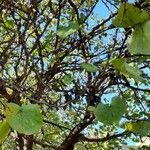
Cercis siliquastrum
درخت ارغوان · ارغوان · ارخوان · Judastree · Lovetree
Description
Source: leafsnapCercis siliquastrum, commonly known as the Judas tree or Judas-tree, is a small deciduous tree from Southern Europe and Western Asia which is noted for its prolific display of deep pink flowers in spring.
💡 According to legend, the Judas tree has an intriguing story behind it. It is said that the original tree was tall and strong, bearing white flowers. In Christian folklore, this tree is identified as the one from which Judas Iscariot hanged himself. As the story goes, the flowers turned a pinkish-red color out of shame, and the once strong tree shrank into a smaller, more fragile version of itself.
🌳 Consider the Judas tree for street planting or as an addition to a low-maintenance shrub garden. Its stunning purple or pink flowers bloom early in spring, before the leaves appear. This tree also serves as a beautiful understory tree when planted beneath tall trees in large, wooded garden areas.
🎭 Treachery, Doubt, Grace and resilience in the face of
Care Guide
💧 Water Every 7 days
The Judas tree flourishes in Mediterranean climates and is highly drought-tolerant, needing water only about once every three weeks. Its deciduous nature makes it ideal for outdoor settings, as it conserves water by shedding leaves during dry periods.
What's the best way to water my Judas tree?
To ensure excellent root development, place a garden hose at the base of the plant without directly spraying the leaves. If the leaves are outdoors and in direct sunlight, they will need more water. You can use bubblers or soaker hoses to moisten the roots. When adding or removing plants, use soaker hoses that cover the entire garden or bed to ensure deep root growth. After watering, drain any excess water and wait for the soil to dry before watering again. To prevent diseases, water at ground level. On a sunny day, it may be beneficial to spray the entire bush with water. Whether potted or in the ground, keep in mind that the Judas tree prefers deep watering rather than light sprinkling.
What should I do if I give the Judas tree too much or too little water?
If you overwater a Judas tree, its leaves may turn yellow, drop off, and wilt. The plant might also look dull and unhealthy, with mushy stems. When you notice these signs, it's best to adjust your watering schedule. However, wilting can also be a sign of underwatering. In this case, the leaves may become crispy and dry. Check the soil's moisture level and provide a thorough watering when it's dry. Sufficient water will help the Judas tree recover, but the plant may still have dry and yellow leaves due to root damage. Once it returns to normal, the yellowing leaves will stop. Indoors, always check the moisture levels of the pot and avoid overwatering. Look out for black spots, and if present, allow the soil to dry out for a few days. Overwatering can lead to root rot. If you notice discolored and slimy roots, consider transferring the plant to a different pot. Prevent root rot by avoiding overly soggy soil. When planting a Judas tree outdoors, dig a little deeper. If the soil feels too dry, it may indicate underwatering. Adequate watering is necessary to help the plant recover.
How frequently should I water my Judas tree?
The Judas tree prefers deep watering that is done infrequently. If it is planted in pots, make sure to soak it with a gallon of water each time, as the water storage in pots is limited and the soil tends to dry out quickly. In colder regions, watering is needed every 3 to 5 days. Water the tree early in the morning when the soil is dry, whether it's placed outdoors or indoors. To determine if watering is necessary, check the soil inside the pot. If the top 2-3 inches of soil is dry, it's time for a full watering. In hot weather, check the moisture daily as the heat can dry out the soil rapidly. If you have a garden, irrigation of the soil is necessary. In hot climates, watering once a week is sufficient. Only water when the top 2-3 inches of soil become too dry. Take into account the amount of rainfall on the plant and avoid overwatering to prevent root rot. If there is ample rainfall, additional watering may not be necessary. Judas trees typically grow during spring and fall. Outdoors, add a layer of mulch around 3 to 4 inches deep to conserve water. Sandy soil requires more frequent watering due to its fast drainage, while clay soil needs less frequent watering to avoid root rot. Keep track of your watering schedule by marking it on the calendar. Note that if you notice the leaves starting to droop, you may be a day late in watering.
Do I need to change how often I water my Judas tree based on the time of year or the weather?
The Judas tree needs to be outdoors so it can benefit from rain. If the weather is consistently dry, then you will need to water it. During the spring and fall, it should have moist soil that is not too soggy. Alternating between dry and moist soil conditions will help it grow well. In the summer, hot weather can cause the water to evaporate quickly, so you may need to water it more frequently to keep the soil moist. In the winter, the Judas tree requires less water because it drops its leaves and becomes dormant. You can use terracotta pots with well-draining soil to help the water evaporate faster. Once the tree begins to leaf out and go dormant, you can stop watering it and rely on rainfall. After spring, you can encourage your Judas tree to grow and bloom by cultivating it. Make sure to provide good drainage at all times, especially in winter. When the tree is in a pot, its root growth is limited, so you should keep it well-watered, especially during the summer. Avoid shallow sprinkles that only wet the leaves, as this can encourage fungal growth and does not reach the roots effectively. Even when the tree is dormant in fall or winter, do not let it dry out completely. Be careful not to overwater it, as it does not like sitting in water for too long. Proper drainage is especially important during winter to prevent the tree from dying. Whenever possible, apply mulch to reduce stress, conserve water, and promote healthy blooms.
What things do I need to be careful about when watering my Judas tree in different seasons, climates, or while it's growing?
The Judas tree primarily relies on rain when planted in the ground. However, if there is no rainfall for 2-3 weeks, it's important to water the plants deeply. In the summer, it's best to water the Judas tree in the morning to avoid stressing the roots with a large temperature difference. Avoid watering the bushes in extremely hot weather. Mulch the plants in the spring when the ground is not too cold. Lack of water is a common reason for newly planted Judas trees to fail to grow, so pay attention to their watering needs. Once established, reduce watering during the fall and winter, especially if there is water-retaining material in the soil. Dry winds in these seasons can dry out the trees, especially newly planted ones. Windy seasons require more watering. Potted Judas trees dry out faster, so they need more frequent watering. If the trees bloom less and the leaves start to dry up, it's a sign that they need more water. When watering potted plants, be careful not to let the pots sit in water. Avoid using containers with saucers, bowls, or trays. Too much watering in the fall can result in mottled or yellowish foliage. Prevent overwatering regardless of the climate or season. During the flowering months, increase the watering frequency, but once the trees are fully grown, reduce watering. Water the trees every 3 to 5 days, but don't adhere to a strict schedule. Check soil moisture by feeling it with your finger or using a moisture meter. Be cautious about overwatering or underwatering to avoid root rot and tree death.
☀️ Light Full sun
The Judas tree grows best with steady, plentiful sunlight but can tolerate a little shade. Its native habitat is characterized by areas that get sun for most of the year, which supports healthy development. Too much shade can slow growth, while excessive sun may cause the leaves to burn.
How many hours of sunlight does a Judas tree need each day to grow well?
To ensure healthy growth, it is important to provide Judas tree with at least 3-6 hours of sunlight each day. This is the minimum requirement, as most plants that can tolerate partial sunlight can also thrive in full sunlight. However, these plants are more adaptable than those that need either full sunlight or partial shade, as they require less light for photosynthesis.
What kind of sunlight does the Judas tree need?
The Judas tree thrives when exposed to full or partial sun. It flourishes when it receives direct morning light, although it requires protection from intense afternoon sun during the summer. In temperate environments, excessive hot afternoon sun can harm the plant's leaves and overall health, leading to a diminished appearance.
Can the sun harm the Judas tree? How can I keep the Judas tree safe from the sun and heat?
When moving a Judas tree from indoors to outdoors, it is important to be mindful of direct sunlight causing damage. To prevent sunburns, gradually move the pots from a shaded area to a brighter spot. However, even if the plants are already acclimated to the sun, they can still be harmed by extreme heat. During a heatwave, it is crucial to keep the soil consistently moist to help the plants cope with high temperatures. Protecting sensitive Judas trees can be done by moving container plants to areas with afternoon shade or by using a shade cloth during extreme weather events.
Should I keep the Judas tree away from direct sunlight?
The Judas tree benefits from bright morning sun and some full sun exposure, but it struggles with the intense, hot midday sun of summer. When planted in the ground, the Judas tree can slowly adapt to the increasing summer sun throughout the season. However, potted plants that have been indoors or in a protected location are more susceptible to damage when suddenly exposed to direct summer sun in the hottest part of the day. To protect the plant from the harsh afternoon sun, it is recommended to plant or place it in a shaded area during midday, such as under taller trees or next to a building or landscape feature.
What will happen if the Judas tree doesn't get enough sunlight?
When the Judas tree does not get enough sunlight, it may have pale green leaves or droopy, yellow leaves. It is normal for some leaves to fall off, but if new leaves are not growing back, something is wrong. If the Judas tree manages to grow with insufficient light, the new growth is usually weak, pale, and susceptible to insects. By noticing these signs and adjusting the lighting conditions, it can greatly improve the plant's health.
🌡️ Temperature 10–35°C
The Judas tree typically occurs in climates similar to its native Mediterranean habitat, preferring temperatures between 50 and 95 °F (10 and 35 ℃). In colder months, it is advisable to shelter the plant or bring it indoors to ensure optimal growth.
What are the ideal growing conditions for the Judas tree?
The Judas tree, known botanically as Cercis siliquastrum, thrives best in climates similar to its native Mediterranean habitats. It prefers temperatures ranging from 50 to 95 °F (10 to 35 °C). During colder months, it is advisable to either shelter the plant or bring it indoors to ensure its optimal growth. Though the Judas tree exhibits strong cold resistance and does not normally require special frost protection measures, if winter temperatures are expected to plunge below -25°C, it's crucial to safeguard the plant. This includes wrapping the trunk and branches with protective materials like non-woven fabric or cloth. Additionally, watering the plant abundantly before the first freeze in autumn is recommended, to maintain soil moisture and protect the plant from drought and water scarcity during winter and early spring.
How does the Judas tree react to low temperatures?
The Judas tree is cold-tolerant and fares best when temperatures stay above 10°C. It should be kept above -15°C during the winter. If temperatures fall below -25°C, the tree may not exhibit immediate damage during winter, but its branches may become brittle and dry by spring. Moreover, it might fail to produce new shoots. In the event of such damage, the recommended course of action is to prune away any dead branches that have failed to produce new leaves come spring.
What should be done if the Judas tree experiences high temperatures?
During the summer, it's important to ensure that the Judas tree's surrounding temperature does not exceed 35°C. Exposure to temperatures above 38°C can result in the plant's leaves lightening in color, the leaf tips drying and withering, and an increased risk of sunburn. To mitigate these issues, it is advisable to trim away any sunburned and dried-up sections. The plant should also be relocated to a spot that offers shade during the midday and afternoon sun, or a shade cloth can be used to artificially create shade. Furthermore, watering the tree in the morning and evening will help keep the soil adequately moist.
💨 Humidity
🪴 Soil 6-7
🌱 Fertilizer
Timing is important for fertilizing the Judas tree. Fertilize in early spring and continue monthly until early summer. Fertilizer encourages attractive blooms and supplies energy during both dormant and active growth periods.
Why do I have to add fertilizer to my Judas tree?
Fertilizing your Judas tree is important for several reasons. Firstly, it helps to promote beautiful blooms. The best time to fertilize is in early spring to ensure excellent flowers during that season. Additionally, fertilizing provides your tree with energy that it can store in the ground during dormant growth phases. By giving extra nutrients during fall planting or late spring, you help your tree store more energy for when active growth resumes.
When should I fertilize my Judas tree?
To effectively fertilize the Judas tree, timing plays a crucial role. It is best to avoid using fertilizer while the tree is still dormant, as it will not be beneficial and may wash away with rainwater, leading to waste and pollution. Instead, the first application of fertilizer should be done in early spring, followed by monthly fertilization until early summer.
When is the best time to not put fertilizer on my Judas tree?
To ensure optimal growth and blooming of the Judas tree, it's important to carefully select the right fertilizer. Avoid using a fertilizer with excessive nitrogen content, as this can result in an abundance of leaves but fewer blooms. Instead, opt for a fertilizer that has a lower level of nitrogen compared to other nutrients. Timing is also crucial when it comes to fertilizing the Judas tree. Refrain from fertilizing after early autumn, as this can lead to excessive growth just before winter, which may not be ideal. Additionally, avoid fertilizing the tree during hot and dry periods, as dry soil doesn't effectively absorb the fertilizer. Fertilization during this time can also stimulate growth that demands more water, which may not be available. It's best to apply fertilizer during the earlier part of the season when temperatures are cooler. Lastly, be cautious about unintentionally giving the Judas tree a double dose of fertilizer. The tree can absorb fertilizer that has been applied to nearby plants or lawns, so ensure that you are mindful of this possibility.
What kind of fertilizer should I use for my Judas tree?
To effectively fertilize a Judas tree, it is recommended to use a fertilizer with a balanced mix of the three main nutrients, slightly higher in phosphorus. Another option is to enhance the tree's soil by adding organic materials like compost, worm castings, and manure. Experienced gardeners may supplement with water-soluble fertilizers containing phosphorus when the flower buds appear to encourage better growth and longer blooming. Various forms of fertilizers can be used for Judas trees, but liquid or powdered forms are considered among the best. It is important to dilute the fertilizer and apply it while watering the tree.
How can I give nutrients to my Judas tree?
To ensure proper fertilization for your Judas tree, always follow the specific directions for the type of fertilizer you are using and conduct research on its appropriate usage. Avoid over-fertilizing, as this can be detrimental to the tree. To determine the correct amount of fertilizer, you can use the age of the tree (if known) or measure the trunk diameter. As a general guideline, consider using one-tenth of a pound of fertilizer per year or per inch of trunk, with a maximum of one pound. When applying granular or organic fertilizers like blood meal, sprinkle the substance around the base of the tree, extending all the way to the space beneath the outermost branches (known as the drip line). Ensure that the fertilizer does not come into direct contact with the trunk. Over time, the granules will break down and integrate into the soil, allowing the roots to absorb the nutrients. After fertilizing, it is recommended to spread a one-inch layer of compost around the base of the tree and thoroughly water it.
🪴 Pot & Repot Every 12 months
✂️ Pruning
The Judas tree is a deciduous shrub that produces vibrant pink flowers. To maintain its health and appearance, prune it in early spring to remove any dead wood and to shape the plant. Avoid making cuts after it blooms, as this can harm the flower buds. Thinning out dense growth helps improve air circulation and the health of the blooms, while also encouraging new growth and keeping the plant at a manageable size.
🌿 Propagating
🐛 Diseases & pets
☠️ Toxicity
Characteristics
- Plant Type
- Tree
- Life Cycle
- Perennial
- Genus
- Cercis
- Family
- Fabaceae
- Hardiness Zone
- 6-9
- Mature Height
- 4.57 m to 11.89 m
- Mature Spread
- 10.06 m
- Leaf Color
- Green, Yellow, Bronze
- Leaf Type
- Deciduous
- Flower Color
- Pink
- Flower Size
- 2.54 cm
- Bloom Time
- Mid spring, Late spring, Early summer
- Planting Time
- Spring, Autumn
- Harvest Time
- Early summer, Mid summer
- Native Area
- Southeast Europe and southwest Asia