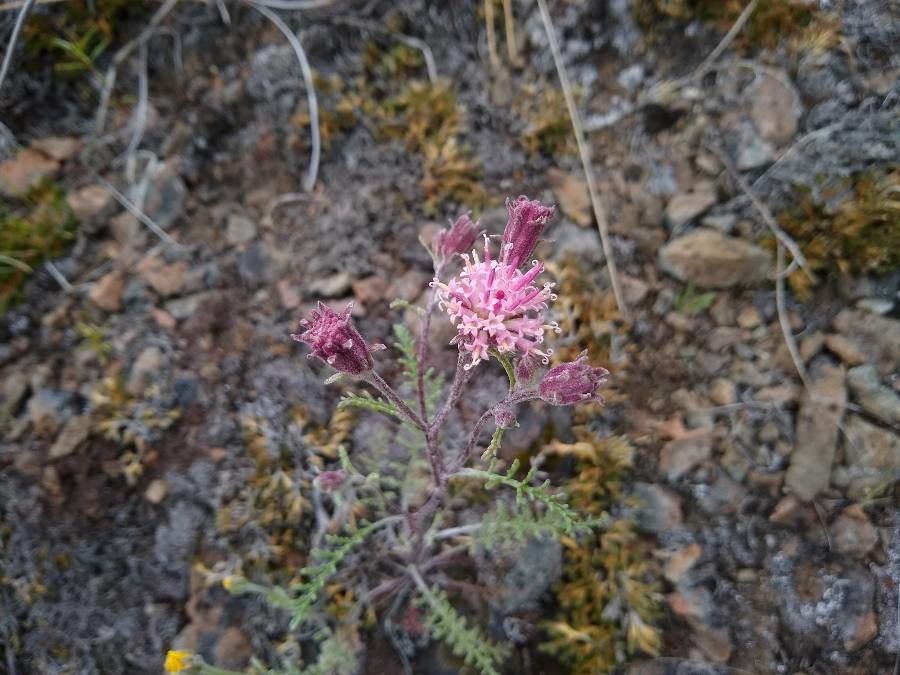
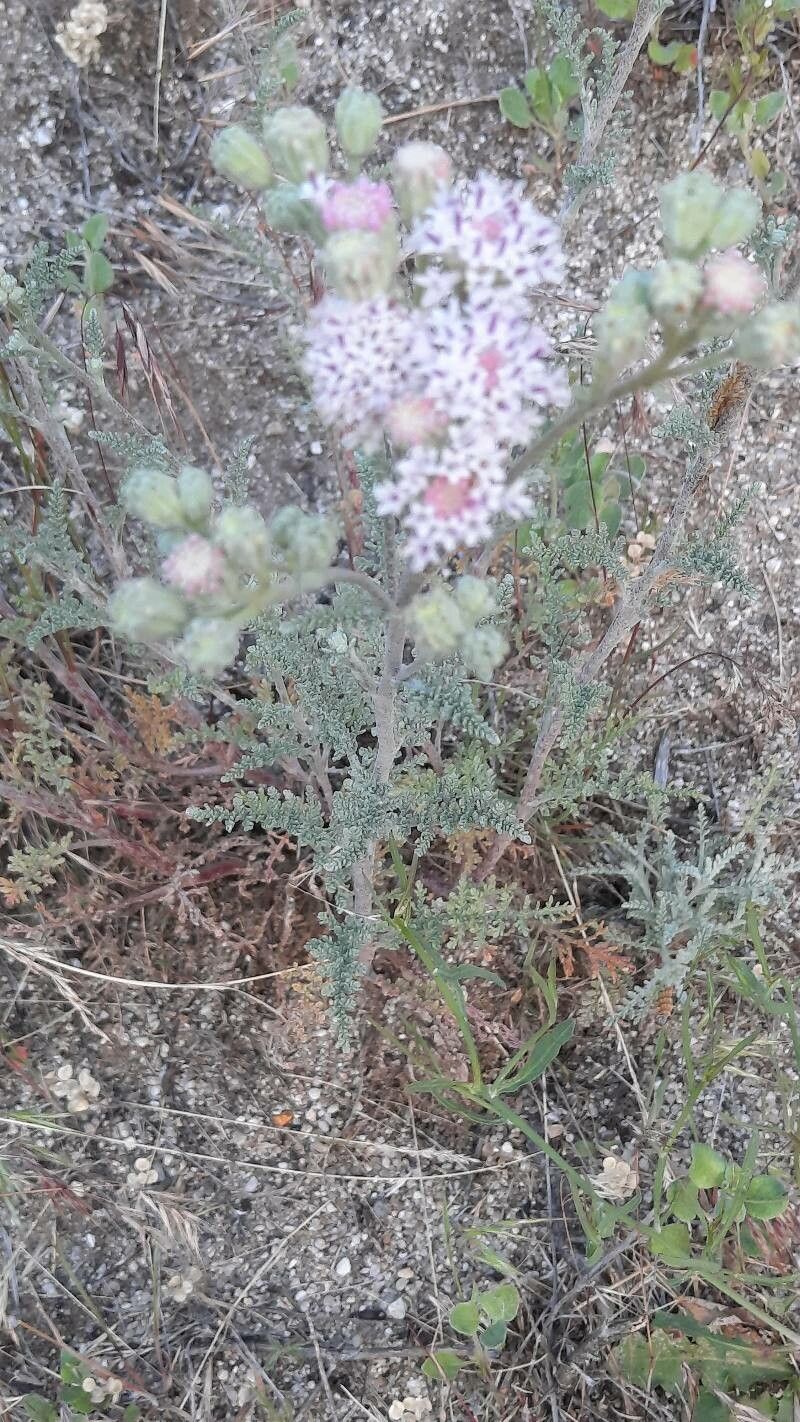
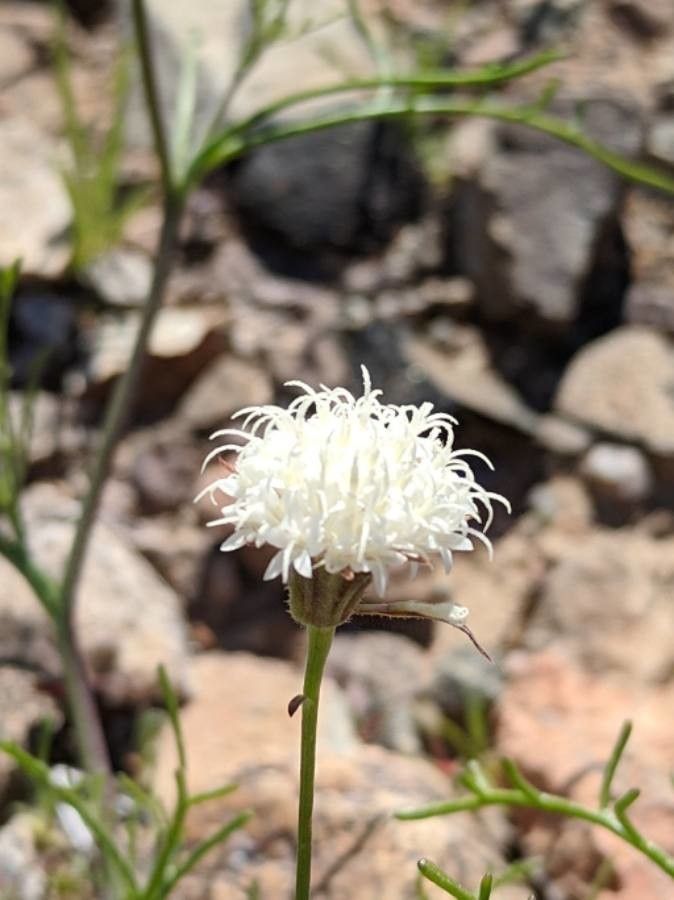
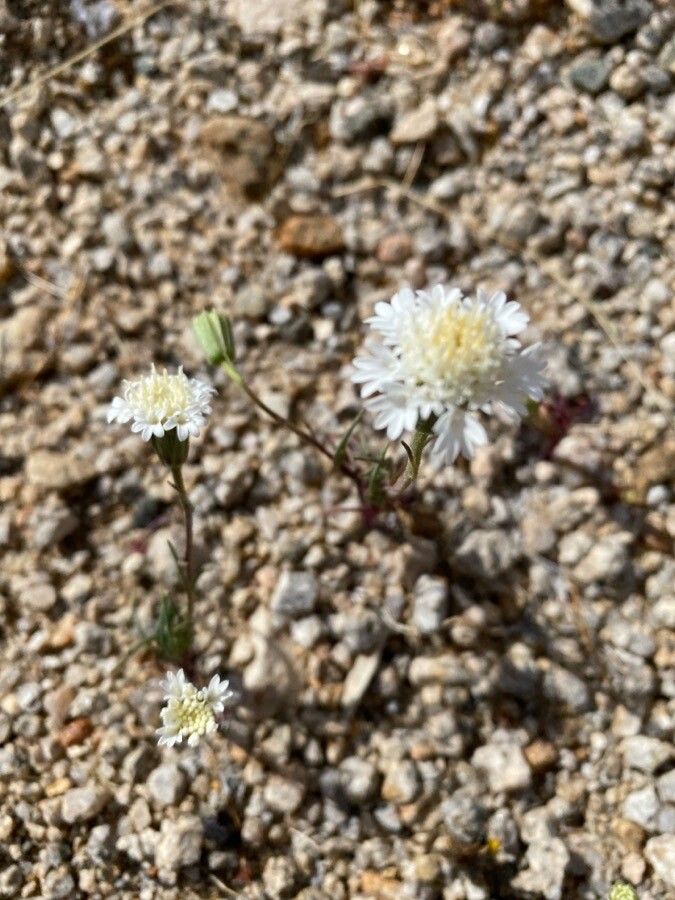
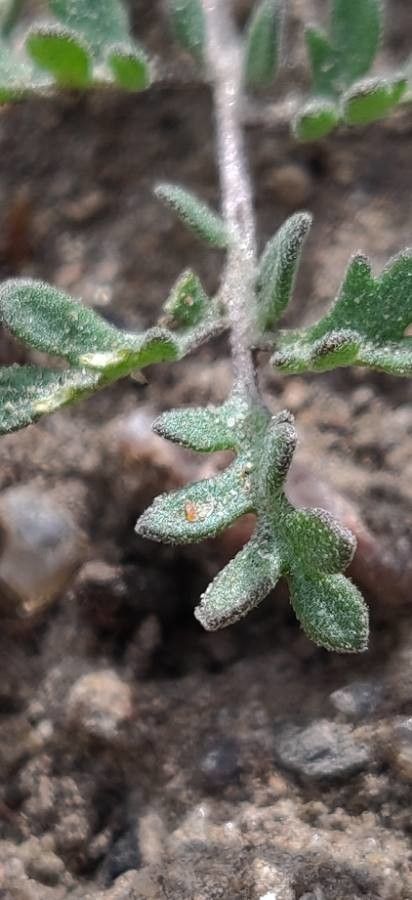
Chaenactis douglasii is a North American species of flowering plant in the daisy family known by the common name Douglas' dustymaiden.
Douglas' dustymaiden has strong resistance to disease and is generally not prone to illnesses. Still, it can be vulnerable to pests and diseases present in its surroundings. Such infections are typically not serious. Regarding care, this plant needs moderate maintenance. It should be pruned regularly to maintain a neat appearance and support healthy growth. Fertilizing can also help encourage flowering. Douglas' dustymaiden is suitable for anyone who has an outdoor space, like a garden or patio, and does not demand much care experience. It may need more attention when kept indoors.
How to keep Chaenactis Douglasii.
Light
Douglas' dustymaiden thrives with a generous amount of sunlight for optimal health and development. At the different stages of its growth, plentiful sun exposure is preferred. While it originates from habitats with open skies, it can tolerate spots with light shade. However, either too much or too little sun can hinder its growth.
Water
Douglas' dustymaiden is a hardy plant that excels in dry conditions due to its impressive drought tolerance. For optimal growth, it should be watered once a week and planted in well-draining soil. This plant thrives best outdoors, where it can receive plenty of sunlight and natural rainfall, consistent with its natural growth requirements as an herbaceous plant.
Temperature
Douglas' dustymaiden is native to regions with moderate climates and does best at temperatures of 68 to 95 °F (20 to 35 ℃). In hotter or colder areas, seasonal adjustments may be necessary to keep it within its preferred temperature range.
Fertilizer
Douglas' dustymaiden requires regular fertilizing to encourage flowering but cannot tolerate excess. It needs light, frequent applications of fertilizer throughout its life, especially during the peak of active growth and while it is flowering. Continue feeding your Douglas' dustymaiden until it stops blooming.
Pruning
Douglas' dustymaiden benefits greatly from a pruning in the spring. This practice encourages healthy growth and helps maintain the plant's shape. Be sure to trim dead stems and remove faded blooms to prolong the flowering period. Making proper cuts also aids in the plant's recovery and prevents overcrowding, which in turn reduces the risk of disease. Overall, these steps enhance both the aesthetic appeal and the vitality of the plant.
Botanical profile.
- Plant Type
- Herb
- Life Cycle
- Biennial, Perennial
- Genus
- Chaenactis
- Family
- Compositae
- Hardiness Zone
- 6-9
- Mature Height
- 15 cm to 61 cm
- Mature Spread
- 20 cm to 30 cm
- Leaf Color
- Green, Blue
- Leaf Type
- Deciduous
- Flower Color
- White
- Flower Size
- 2.03 cm
- Bloom Time
- Late spring, Early summer, Mid summer
- Planting Time
- Spring
- Harvest Time
- Mid summer, Late summer
Other names.
Reader questions.
What are the sunlight requirements for Douglas' dustymaiden?
Douglas' dustymaiden thrives best when exposed to abundant sunlight. It requires full sun, which means it needs more than 6 hours of sunlight daily, but it can also tolerate partial sun, about 3-6 hours of sunlight. Originating from environments with clear skies, this plant can withstand slight shade as well. However, optimal health and growth are seen with ample sun presence, and both extremely low and high sunlight exposure should be avoided to prevent growth issues.
What is Douglas' dustymaiden?
Douglas' dustymaiden, botanically named Chaenactis douglasii, is a plant native to environments with moderate climates. It thrives in temperatures ranging from 68 to 95°F (20 to 35°C). This plant has strong cold resistance, making it quite adaptable to varying weather conditions, although it prefers to stay within its optimal temperature range.
How can I use artificial lighting for Douglas' dustymaiden indoors?
When natural sunlight is insufficient, especially during winter or in less sunny spaces, indoor Douglas' dustymaiden can benefit greatly from artificial lighting. LED lights are recommended due to their ability to be customized to specific wavelengths needed by plants. For full sun plants, 30-50W/sq ft of artificial light is needed, while partial sun plants require 20-30W/sq ft. The artificial light source should be placed 12-36 inches above the plant, mimicking natural sunlight as closely as possible. Make sure your plant receives 8-12 hours of this light daily for optimal growth.
How does Douglas' dustymaiden handle cold weather?
Douglas' dustymaiden is well-equipped to handle cold weather thanks to its strong cold resistance. There is typically no need for frost protection measures during winter. However, in extremely cold conditions where temperatures are expected to drop below -25°C, it is important to protect the plant. Pre-winter watering is recommended to ensure the soil around the plant remains moist and enters winter in a frozen state, which helps prevent drought and water scarcity for the plant during the colder months.
What symptoms indicate light deficiency in Douglas' dustymaiden?
Light deficiency in Douglas' dustymaiden can be identified by several symptoms: new leaves might grow smaller, the plant can exhibit leggy or sparse growth, there could be an increased rate of leaf drop, and a noticeable stop in new growth or the emergence of lighter-colored or yellowing leaves due to chlorosis. Intense light exposure might cause symptoms like sunscald, leaf curling, wilting, and leaf scorching, indicating that the plant's light conditions need to be adjusted.
What should I do if the temperature falls below -25°C?
If temperatures are expected to fall below -25°C, it's crucial to provide extra cold protection for Douglas' dustymaiden. This can involve covering the plant with insulating materials such as soil or straw. Despite its cold tolerance, extremely low temperatures can affect the plant's ability to sprout in spring. In such cases, it's advised to remove any parts of the plant that have failed to sprout once warmer temperatures return.
What are some solutions for addressing sunlight issues in Douglas' dustymaiden?
To address sunlight issues for both indoor and outdoor Douglas' dustymaiden plants, gradually introducing them to brighter conditions can help. For indoor plants, shifting them to a sunnier spot each week until they get at least 6 hours of direct sunlight, or employing artificial lights can be beneficial. For outdoor plants, avoid drastic light exposure changes to prevent sunburn. Minimizing obstructions and considering transplanting for smaller plants to more sunlit areas can improve health. Remember, parts of the plant that were damaged due to prior sunlight issues may not recover, but new growth should be healthy with adequate light adjustments.
How does Douglas' dustymaiden react to high temperatures?
Douglas' dustymaiden prefers temperatures below 95°F (35°C) and shows signs of stress when exposed to temperatures above 100.4°F (38°C). Symptoms of heat stress include leaves becoming lighter in color, prone to curling, and susceptible to sunburn. In severe cases, the plant may wilt and dry out. To mitigate these effects, it's recommended to trim away sunburned and dried parts, move the plant to a shaded area or use shade cloth, and water the plant in the morning and evening to maintain soil moisture.