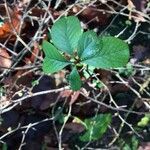
Chaenomeles × superba
Quince · Chaenomeles x superba
Description
Source: leafsnapChaenomeles x superba, commonly known as flowering quince, is a deciduous shrub in the Rosaceae family. A hybrid between Chaenomeles japonica and Chaenomeles speciosa, this plant is native to China and Japan. However, it has been widely cultivated across the globe for its ornamental value. This shrub can grow to a height of 2-3 meters and has a spreading habit with thorny branches. Its leaves are glossy green, serrated, and oval-shaped or slightly elongated. Flowering quince is especially notable for its vibrant flowers, which bloom in early spring before the leaves emerge. The blooms are typically red or pink, but can also be white or orange. The plant produces fruit resembling small apples or pears, which can be used to make jams, jellies, syrups, and other culinary delights. Chaenomeles x superba thrives in well-drained soil with full sun exposure but can also tolerate partial shade. It requires regular watering during the growing season, but it is important to let the soil dry out between watering sessions. Often used as an ornamental plant in gardens, this shrub adds visual appeal with its early spring flowers when few other plants are in bloom. Additionally, its thorny branches provide a safe habitat for birds, protecting them from predators. In summary, Chaenomeles x superba is an attractive deciduous shrub that enhances garden landscapes with its colorful flowers and offers culinary benefits. It also supports wildlife by providing a protective habitat for birds during their breeding season.
Care Guide
💧 Water Every 7 days
The flowering quince adapts well to changes in moisture, preferring balanced soil moisture while also being able to withstand dry spells. To support its drought tolerance and encourage healthy flowering, water the plant every 2-3 weeks. Replicating natural rainfall patterns will help it thrive, especially in temperate climates.
☀️ Light Full sun
Flowering quince comes from open habitats, such as sunny meadows and forest edges, that provide abundant light. It thrives in Full Sun but will also tolerate Partial Sun, adapting well to various light conditions.
🌡️ Temperature 5–35°C
Flowering quince is highly adaptable to a variety of climate conditions, from sweltering summers to harsh winters. However, it has an optimal temperature range for growth. When temperatures become too high, the plant can suffer from heat and humidity stress, which may lead to its death. In locations where temperatures reach the lower edge of its cold tolerance, taking steps to insulate and protect the plant is important.
💨 Humidity
🪴 Soil 6-7
🌱 Fertilizer
The timing of fertilizing flowering quince is important. Apply fertilizer in early spring and then once a month until early summer. Fertilizer encourages attractive blooms and supplies energy during both dormant and active growth phases.
🪴 Pot & Repot
✂️ Pruning
Flowering quince is known for its vibrant spring blooms and thorny branches. To keep the plant healthy and looking its best, prune it in early spring. Start by removing any dead wood and thinning out branches. This helps improve air circulation, encourages optimal flowering, and maintains the plant's shape. Regular pruning not only promotes healthier growth and more abundant blooms but also prevents the unwanted spread of suckers.
🌿 Propagating
🐛 Diseases & pets
☠️ Toxicity
Characteristics
- Plant Type
- Shrub
- Life Cycle
- Perennial
- Genus
- Chaenomeles
- Family
- Rosaceae
- Hardiness Zone
- 5-9
- Mature Height
- 0.91 m to 2.13 m
- Mature Spread
- 1.52 m to 2.44 m
- Leaf Color
- Dark Green
- Leaf Type
- Deciduous
- Flower Color
- Pink
- Flower Size
- 3.05 cm to 5.08 cm
- Bloom Time
- Late winter, Early spring, Mid spring
- Planting Time
- Spring, Autumn
- Harvest Time
- Late summer, Early fall, Mid fall