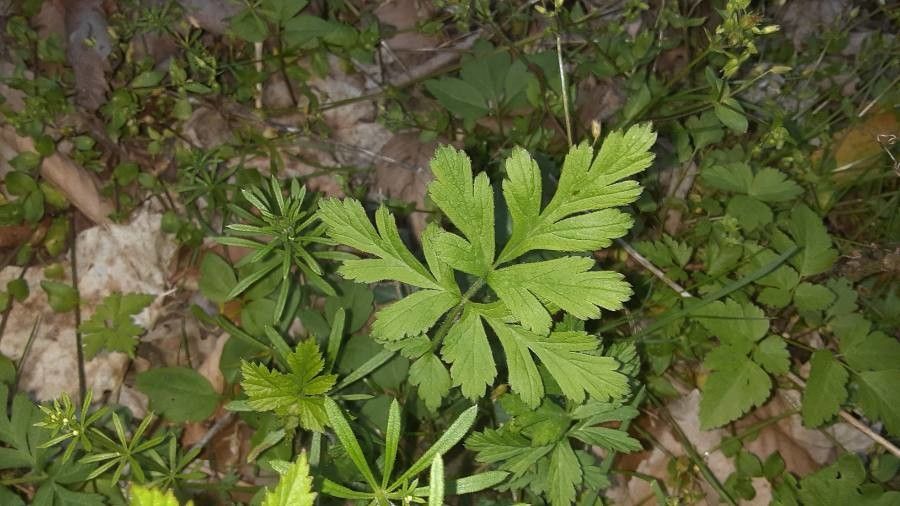
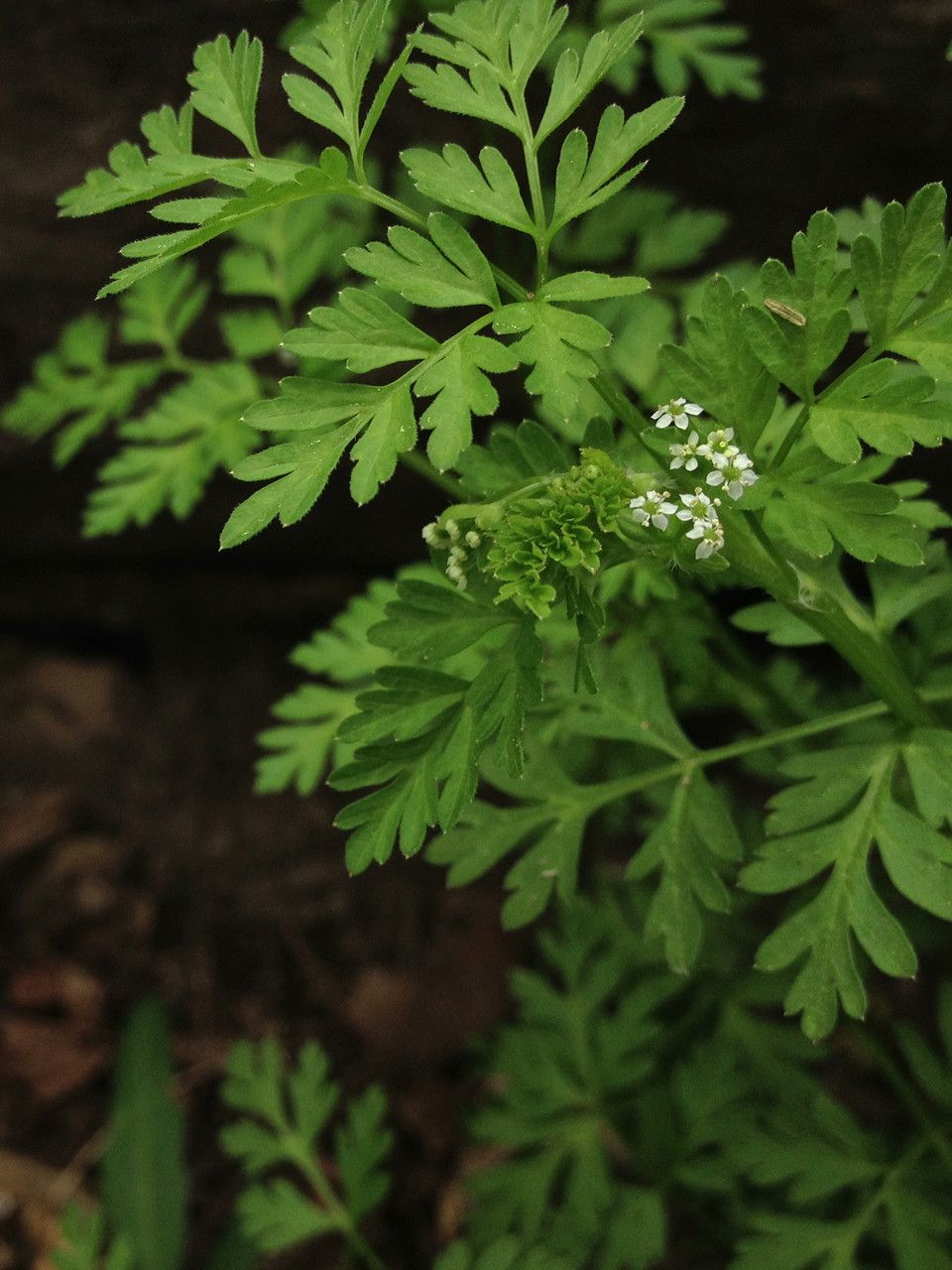
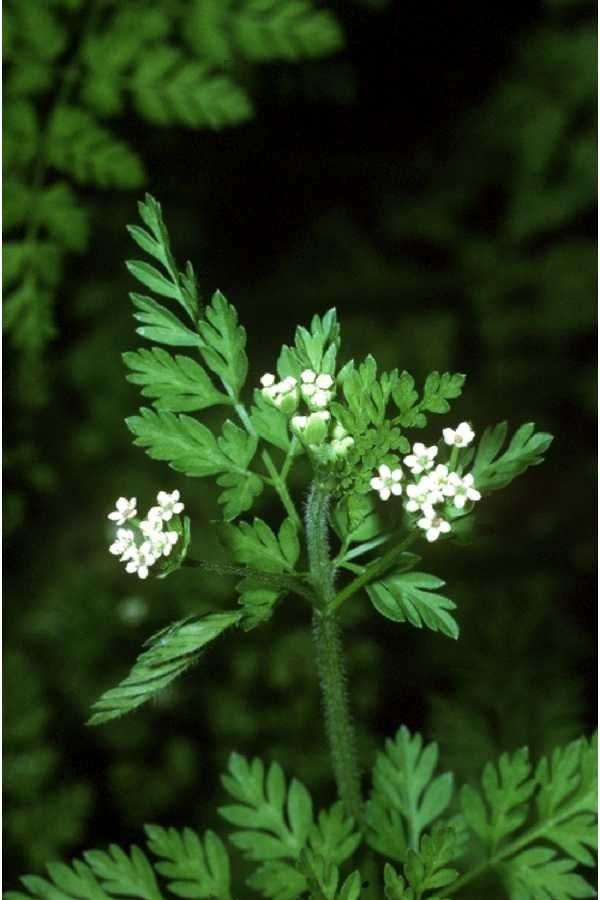
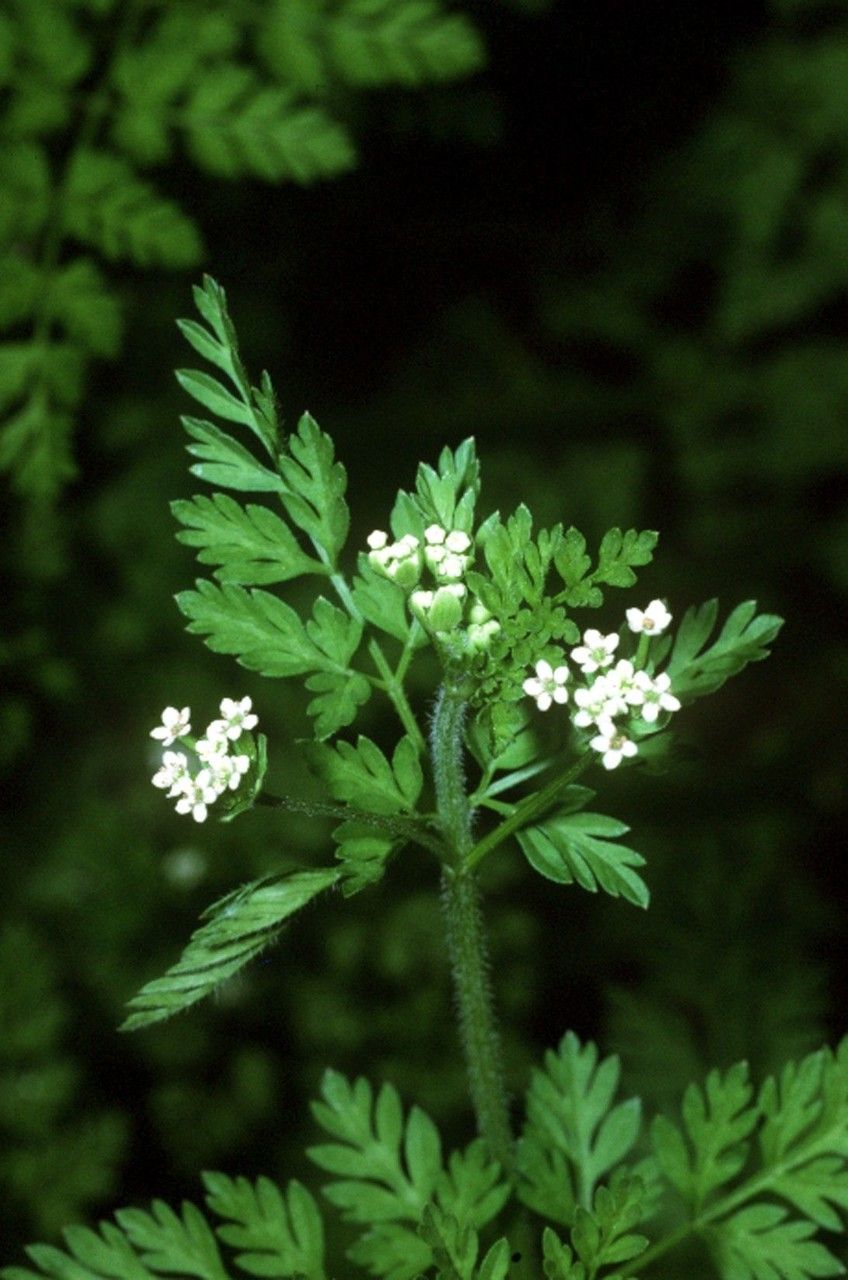
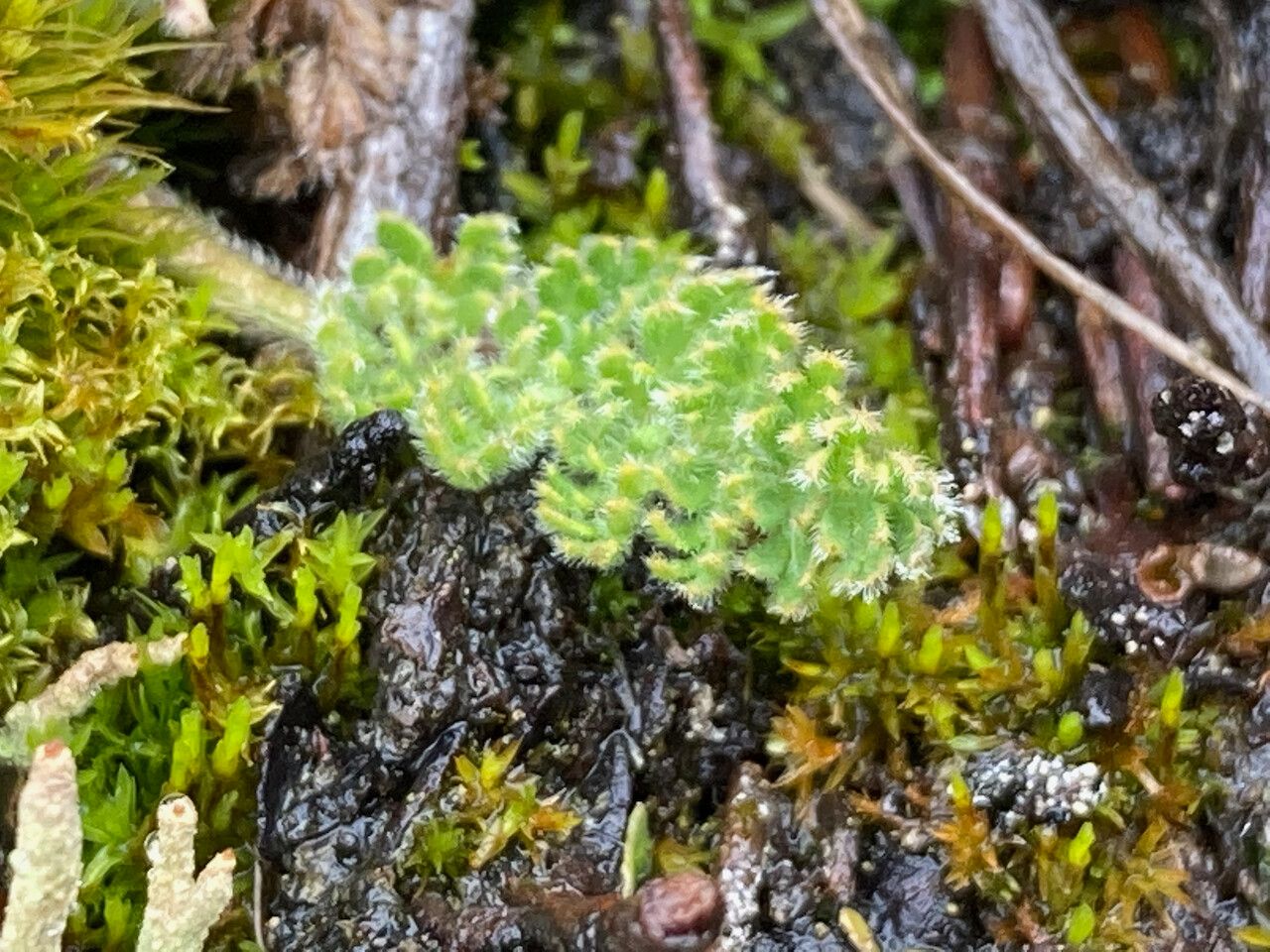
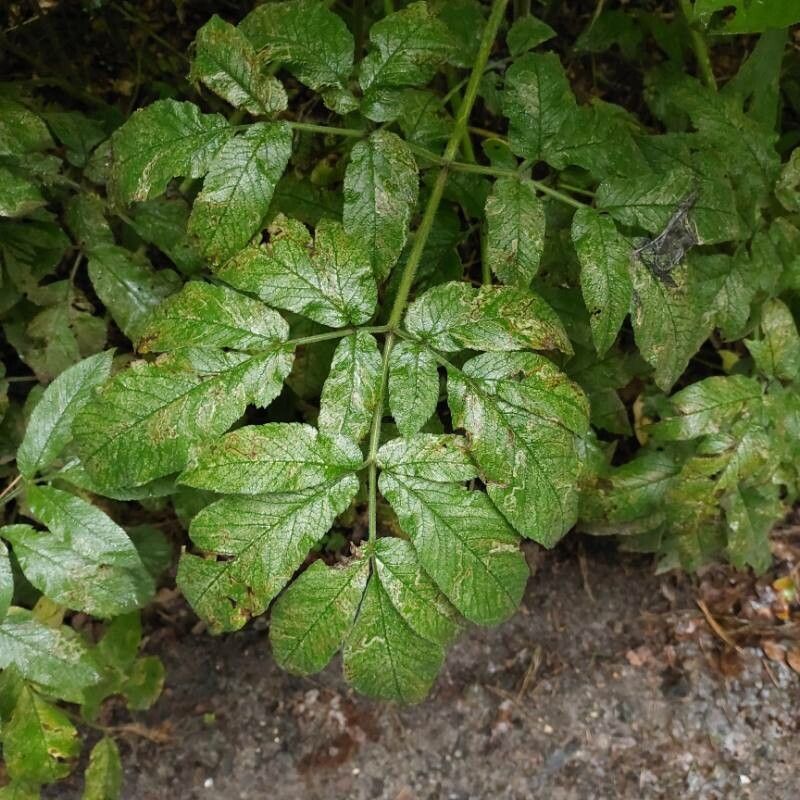
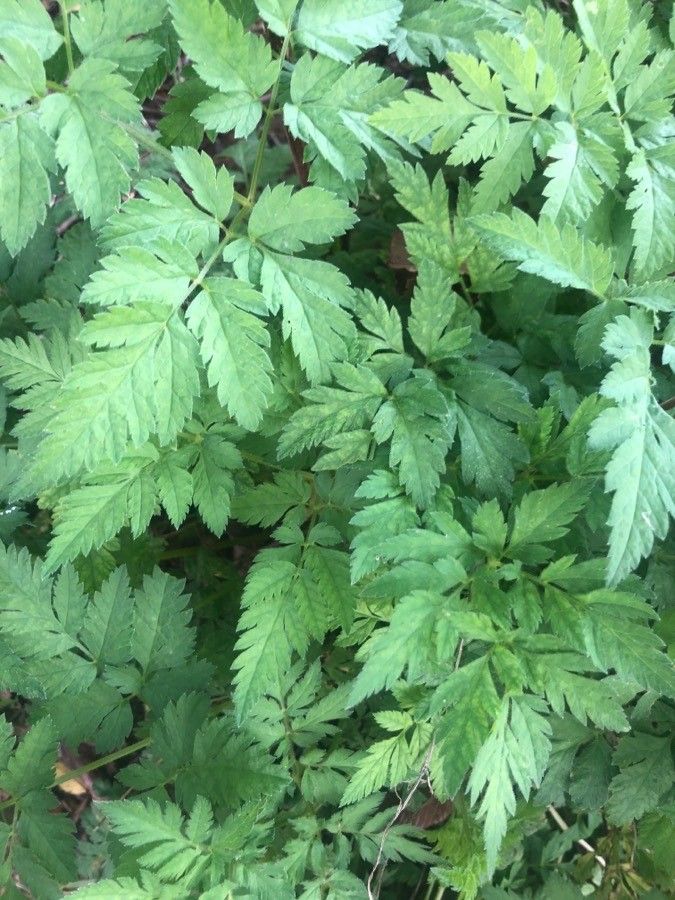
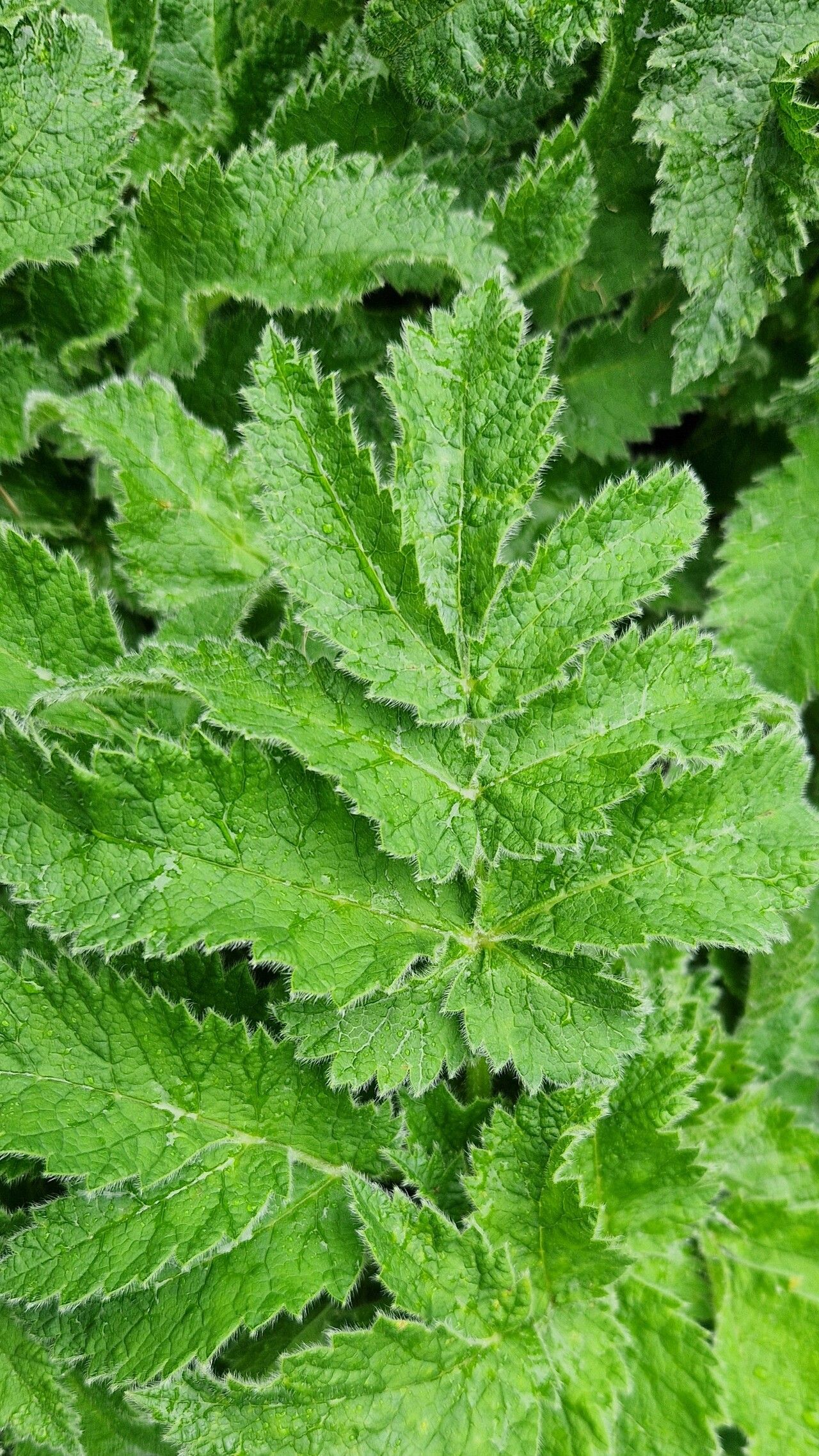
Chaerophyllum procumbens, commonly known as spreading chervil or wild chervil, is a herbaceous plant belonging to the Apiaceae family. Native to Europe and Asia, it has also been introduced to North America. The plant can grow up to 30 cm tall and has a spreading habit. Its leaves are finely divided and dark green. The flowers are small, white or pinkish, and arranged in umbels. Spreading chervil thrives in moist soils with partial shade but can also tolerate full sun. You can find it growing in meadows, woodland edges, hedgerows, and along roadsides. Traditionally, this plant has been used medicinally for its anti-inflammatory properties. During the Middle Ages, it was also a culinary herb, although it is now rarely used due to its bitter taste. Spreading chervil provides food for various insects such as bees and butterflies and serves as a host plant for some moth species. Overall, Chaerophyllum procumbens is an intriguing herbaceous perennial that combines aesthetic appeal with ecological benefits, providing food sources for insects, making it an important addition to any garden or natural area restoration project.
Spreading chervil has strong disease resistance and is generally unlikely to suffer from illnesses. Still, it can be vulnerable to pests and diseases that exist nearby. Such infections tend to be mild. Regarding care, this plant needs a moderate amount of attention. It should be pruned on a regular basis to preserve its appearance and encourage healthy growth. Providing fertilizer can also aid in boosting flowering. Spreading chervil is appropriate for anyone with an outdoor area, like a garden or patio, and does not demand extensive gardening experience. It may, however, need more care when cultivated indoors.
How to keep Chaerophyllum Procumbens.
Light
Spreading chervil comes from bright, open habitats and flourishes in full sun. It can tolerate partial sun but favors direct sunlight for optimal growth. This annual and biennial plant is noted for its sun-loving nature.
Water
Spreading chervil thrives in consistently moist environments and prefers soil that is evenly wet. While it can tolerate moderate drought, it grows best with regular watering, ideally on a weekly basis. When grown outdoors, spreading chervil is adapted to seasonal rain patterns, making the most of water availability during peak growing seasons.
Temperature
Spreading chervil can tolerate a wide range of temperatures, but its distribution may still be restricted by various combinations of moisture and heat. It performs best in warm summer climates with adequate rainfall or watering. Extended periods of cloudy, rainy weather, as well as sustained high temperatures, can raise the likelihood of Spreading chervil dying. In winter, proper protection from cold can enhance the plant's chances of survival.
Fertilizer
Spreading chervil benefits from regular, dilute fertilizer applications to encourage healthy leaf growth. You should fertilize Spreading chervil about once a month during the summer months. Nitrogen is vital for foliage, and supplying nitrogen-rich sources helps Spreading chervil thrive.
Pruning
Spreading chervil is a low-growing herb that benefits from spring pruning to maintain its health and shape. To encourage bushier growth, remove any dead stems and trim back overgrown sections. This seasonal pruning helps the plant recover more quickly, prevents it from becoming leggy, and improves air circulation, which reduces the risk of disease. For detailed care instructions, consult local gardening guides.
Botanical profile.
- Plant Type
- Herb
- Life Cycle
- Annual
- Genus
- Chaerophyllum
- Family
- Apiaceae
- Hardiness Zone
- 5-9
- Mature Height
- 15 cm to 49 cm
- Mature Spread
- 30 cm
- Leaf Color
- Green, Dark Green
- Leaf Type
- Semi-evergreen
- Flower Color
- White
- Flower Size
- 0.25 cm
- Bloom Time
- Mid spring, Late spring
- Planting Time
- Spring
- Harvest Time
- Early summer, Mid summer
Other names.
Reader questions.
What are the sunlight requirements for Spreading chervil?
Spreading chervil, scientifically known as Chaerophyllum procumbens, flourishes in environments that provide full sun, meaning it requires more than 6 hours of sunlight daily. However, it can also tolerate partial sun, defined as about 3-6 hours of sunlight. To ensure your plants thrive, observe the movement of sunlight through your garden, selecting locations that offer a good balance of light and shade.
Can Spreading chervil thrive under artificial lighting?
Yes, Spreading chervil can grow under artificial lighting, especially in conditions where natural sunlight is insufficient, such as during winter or in spaces that don’t receive enough sunlight. Artificial lights, like LED ones, are advisable as they can be tailored to provide specific wavelengths needed by plants. For optimal growth, full sun plants should have 30-50W per square foot, partial sun plants 20-30W per square foot, and full shade plants 10-20W per square foot. Lights should be positioned 12-36 inches above the plants for 8-12 hours per day to mimic natural daylight conditions.
What are the symptoms of insufficient light in Spreading chervil?
Spreading chervil showing insufficient light might exhibit symptoms such as smaller new leaves, leggy or sparse growth, faster leaf drop, halted new growth, lighter-colored leaves, chlorosis, sunscald, leaf curling, wilting, and leaf scorching. These symptoms indicate that the plant is not receiving the optimal light required for its health and growth.
How can I address light deficiencies for indoor Spreading chervil plants?
To address light deficiencies in indoor Spreading chervil plants, gradually increase their exposure to sunlight by moving them closer to a south-facing window or by using artificial light. If the plant is large or not easily movable, consider supplementing with artificial light for at least 8 hours daily. Adequate sunlight or artificial lighting is crucial for photosynthesis and nutrient accumulation. Note that damaged parts of the plant due to insufficient light might not recover, but you can expect healthy new growth with improved lighting conditions.
How can I manage light deficiencies for outdoor Spreading chervil plants?
For outdoor Spreading chervil plants suffering from light deficiencies, gradually acclimate them to brighter conditions by shifting them to sunnier spots each week, avoiding sudden changes to prevent sunburn. Additionally, if trees or other structures are blocking sunlight, consider pruning to improve light penetration. For smaller plants, transplanting them during their dormant period to a location with better sunlight and drainage can also be beneficial. Remember, parts of the plant affected by past insufficient light may not recover, but increased light exposure will promote healthy new growth.