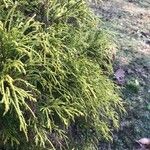
Chamaecyparis pisifera
Sawara False Cypress · Sawara Cypress · Sawara · Sawara Falsecypress · Pea-fruited cypress
Description
Source: leafsnapChamaecyparis pisifera, commonly known as Sawara cypress or false cypress, is a slow-growing evergreen tree native to Japan. Belonging to the Cupressaceae family, it can reach up to 50 feet in height with a spread of about 20 feet. The tree features a conical shape and dense, blue-green, scale-like foliage. The Sawara cypress is highly adaptable and can thrive in various soil types, including clay, loam, and sand. It prefers well-drained soil and full sunlight but can also tolerate partial shade. Several cultivars of the Sawara cypress offer different foliage colors, such as gold or yellow-green, making them popular for ornamental use in landscaping projects. These trees are low-maintenance and require minimal pruning, except for shaping purposes. Their resistance to pests and diseases makes them an excellent choice for gardeners seeking an easy-care plant. In Japanese culture, the Sawara cypress holds significant cultural value, symbolizing longevity and good fortune. It is a popular choice for bonsai cultivation. Overall, Chamaecyparis pisifera is an attractive evergreen tree known for its unique blue-green foliage. Its ornamental value, ease of care, and adaptability to various soil types and sunlight levels make it a standout choice for landscaping projects.
🌳 Renowned for its attractive appearance and hardiness, sawara cypress is often used to enhance gardens and create scenic landscapes. The plant displays distinctive shapes and colors and serves purposes beyond mere decoration. Its fragrant wood has traditionally been made into Japanese chests, containers, and sushi barrels. Additionally, the wood may yield valuable essential oils that could enrich aromatherapy.
Care Guide
💧 Water Every 7 days
The Sawara cypress thrives in evenly moist soil but can tolerate some drought. To ensure optimal growth, water the plant every two weeks and consider adding mulch. Mulching helps retain moisture and protects the plant from temperature extremes.
How should I water my Sawara cypress tree?
Watering your Sawara cypress is a simple task. One easy way to do it is by using a garden hose to slowly soak the soil. This method works well for mature trees, which need a lot of water. For smaller trees, a watering can or other small tool will suffice. It's important to avoid overhead watering, as it can cause disease, especially in young trees.
What do I need to do if I give too much or too little water to my Sawara cypress?
Overwatering your Sawara cypress can occur when the soil doesn't drain properly, leading to plant decline. To address this issue, you can either improve the soil's drainage by adding amendments or transplant the cypress to a better location. If you have a potted cypress, it may be necessary to repot it with looser soil for improved drainage. Overwatering can also make the plant susceptible to diseases, so early treatment is important. On the other hand, underwatering can be easily remedied by increasing the frequency of watering, allowing the plant to regain its health. To determine if your Sawara cypress has been overwatered, examine the foliage, particularly the new growth. If the new growth is discolored or easily breaks, it is a sign of excessive moisture. Standing water or slow drainage in the plant's growing area also indicates overly moist soil. Symptoms of underwatering include sparse, brown leaves. Considering recent rainfall and high temperatures can help you determine the cause of these symptoms.
How often do I need to water my Sawara cypress tree?
A mature Sawara cypress can survive with minimal water, mainly relying on rainfall. During the hottest months, you may need to water it once a week, but in other seasons, watering may not be necessary. However, if the tree is newly planted, it is important to water regularly to ensure the roots establish themselves. Remember, Sawara cypress cannot tolerate standing water, so it's better to be cautious and avoid overwatering.
How much water does my Sawara cypress tree need?
During the height of summer, one inch of water per week is usually sufficient for your Sawara cypress. However, the amount may vary depending on rainfall. If it has rained one inch or more that week, no additional water is needed. Keep in mind that newly planted Sawara cypress require more water during the establishment period, typically once every one to two weeks for the first few growing seasons.
How should I give water to my Sawara cypress at different times of the year?
During the summer months, when the weather is the hottest, the Sawara cypress tree needs the most water. It should be watered about once per week if there is no rainfall. However, during other times of the year, this plant can often survive without any water. In spring and fall, you may need to provide some water if the weather is extremely hot, but this is uncommon. Unlike many other plants, the Sawara cypress doesn't go into full dormancy in winter. This means it will continue to grow even during the coldest months. However, the water requirements during winter are still quite low as the cool temperatures don't cause the soil to dry out quickly.
☀️ Light Full sun
The sawara cypress prefers plenty of light and typically prospers with a steady, generous amount of sun. However, it can adapt to somewhat less bright conditions. Native to areas with abundant sunlight, it benefits from stronger illumination. Still, both excessive and insufficient light can negatively impact its healthy growth.
What are the sunlight requirements for Sawara Cypress?
The Sawara Cypress requires full sun, meaning it needs above 6 hours of sunlight daily, but it can also tolerate partial sun, about 3-6 hours of sunlight. It's important to observe how sunlight moves through your garden to find spots that provide the right balance of light and shade, ensuring the plant's well-being. Originating from environments with generous sunlight, the Sawara Cypress enjoys the benefits of enriched lighting, but its health can be negatively affected by either excessive or limited light.
Can Sawara Cypress grow under artificial lighting?
Yes, Sawara Cypress can grow under artificial lighting, which is especially helpful in winter or less sunny spaces where natural sunlight is insufficient. For optimal growth, it's recommended to use LED lights that provide specific wavelengths needed by the plant. Full sun plants need 30-50W/sq ft of light, partial sun plants need 20-30W/sq ft, and full shade plants require 10-20W/sq ft. The artificial light source should be placed 12-36 inches above the plant and kept on for 8-12 hours per day to mimic natural daylight.
What are the important symptoms of light deficiency in Sawara Cypress?
Sawara Cypress may show various symptoms indicating light deficiency or overexposure. Symptoms include smaller new leaves, leggy or sparse growth, faster leaf drop, slower or no new growth, and lighter-colored new leaves. Overexposure symptoms include chlorosis (leaves turning yellow), sunscald, leaf curling, wilting, and leaf scorching. These signs indicate the plant's struggle with inadequate or excessive sunlight, affecting its growth and health.
How can I improve light conditions for indoor Sawara Cypress?
To improve light conditions for indoor Sawara Cypress, gradually move the plant to a sunnier location each week until it receives at least 6 hours of direct sunlight daily. Use a south-facing window and keep curtains open during the day. If the plant is large or not easily movable, consider using artificial light, keeping a desk or ceiling lamp on for at least 8 hours daily or investing in professional plant grow lights.
What should I do for outdoor Sawara Cypress with insufficient sunlight?
For outdoor Sawara Cypress, gradually adapt the plant to more sunlight by moving it to a sunnier spot each week. Avoid sudden changes in light intensity to prevent sunburn. Observe the area around your plants to identify and reduce obstructions like tree branches, allowing more sunlight to reach the plants. For smaller plants, consider transplanting during their dormant period to a location with better sunlight and drainage.
🌡️ Temperature 5–32.2°C
Sawara cypress originates from cooler-climate regions and prefers temperatures from 41 to 89.6 ℉ (5 to 32 ℃). It may require artificial cooling in summer and additional warming measures during harsh winters.
What is the ideal temperature range for Sawara cypress?
Sawara cypress thrives in cooler climates with temperatures ranging between 41 to 89.6°F (5 to 32°C). It can withstand strong cold, but it does require some attention to temperature extremes. During summer, measures may be necessary to cool it, and in harsh winters, additional warming might be needed. However, it usually does not require special frost protection measures unless winter temperatures are expected to drop below -30°C. In such cases, wrapping the trunk and branches with materials like non-woven fabric or cloth can provide necessary cold protection. Additionally, to prepare for winter, it's recommended to water the plant abundantly before the first freeze in autumn to ensure the soil remains moist and enters a frozen state, helping to prevent drought and water scarcity during winter and early spring.
How does Sawara cypress react to low temperatures?
Sawara cypress is notably cold-tolerant, ideally remaining above 5°C. In winters, it should be kept above -25°C. When temperatures fall below -30°C, you might not notice immediate damage, but come spring, the branches may turn brittle and dry, failing to produce new shoots. To manage these conditions, it's advised to prune away any dead branches in the spring that have not produced new leaves, aiding the plant in recovery and maintaining its health.
What should be done if Sawara cypress is exposed to high temperatures?
During the summer, it is important to ensure that Sawara cypress is kept below 32°C. Exposure to temperatures above 35°C can cause the leaves to lighten in color, the tips to become dry and withered, and increase the plant's susceptibility to sunburn. To mitigate these issues, you should trim away sunburned and dried-up parts and move the plant to a cooler location, away from midday and afternoon sun, or utilize a shade cloth for protection. Additionally, watering the plant in the morning and evening to keep the soil moist will help in maintaining its health during high temperatures.
💨 Humidity
🪴 Soil 5-7
🌱 Fertilizer
Sawara cypress has distinct nutrient needs and does not require heavy fertilization. Fertilizing in spring is best to encourage optimal growth. Supplying nutrients enhances its health, increases resistance to pests and diseases, and helps sustain its long lifespan.
Why should I put fertilizer on my Sawara cypress?
To ensure the Sawara cypress thrives, it is beneficial to fertilize it during the spring. Given its long lifespan, the plant requires support and nourishment. By adding nutrients to the soil, the plant's overall health improves, enabling it to fend off typical pests and diseases. Doing so prevents growth stunting and premature aging.
When should I fertilize my Sawara cypress tree?
Sawara cypress is unique compared to garden plants because it doesn't need a lot of extra nutrients. However, the growing medium may not always provide enough nutrients for healthy growth. The best time to fertilize Sawara cypress is in the spring, before new growth starts.
When is the wrong time to fertilize my Sawara cypress?
While some plants benefit from regular fertilization either monthly or weekly, Sawara cypress is an exception. This particular plant does not need excessive nutrients, and an excess of fertilizer can actually cause it to decline. To ensure the health of Sawara cypress, it is best to only apply fertilizer during the spring season, and avoid adding any fertilizer or organic matter to the soil during summer, fall, and winter.
What kind of fertilizer does my Sawara cypress tree require?
The age of your plant affects the choice of fertilizer. Keep in mind that Sawara cypress doesn't need a lot of extra nutrients. Look for a balanced plant food that promotes healthy root growth, but avoid fertilizers that have high nitrogen contents.
How should I fertilize my Sawara cypress?
When fertilizing Sawara cypress, remember that how you apply the fertilizer is just as important as when you apply it. In the spring, apply the fertilizer around the base of the plant, making sure to avoid getting any on the trunk. If you are using granulated fertilizer, cover the pellets with a thin layer of soil to help them be absorbed into the soil.
🪴 Pot & Repot Every 12 months
✂️ Pruning
The Sawara cypress has feathery foliage and benefits from light pruning to maintain its shape. The best time to prune is from early to late winter when the tree is dormant. It's important to avoid heavy pruning to prevent unnecessary stress on the plant. Regular trimming encourages denser growth, and using sharp, clean tools is essential to prevent disease.
🌿 Propagating
🐛 Diseases & pets
☠️ Toxicity
Threadleaf false cypress is not toxic to people and pets. However, the shrub is not meant to be eaten and may cause stomach upset if ingested in large quantities.
Characteristics
- Plant Type
- Tree
- Life Cycle
- Perennial
- Genus
- Chamaecyparis
- Family
- Cupressaceae
- Hardiness Zone
- 4-8
- Mature Height
- 12.19 m to 21.34 m
- Mature Spread
- 4.57 m to 6.1 m
- Leaf Color
- Green, Blue, Yellow, Gold, Silver
- Leaf Type
- Evergreen
- Flower Color
- Brown
- Flower Size
- 0.51 cm to 0.76 cm
- Bloom Time
- Late spring, Early summer, Mid summer
- Planting Time
- Spring, Autumn
- Harvest Time
- Mid summer, Late summer, Early fall
- Native Area
- Japan