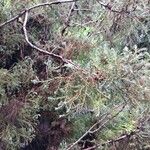
Chamaecyparis thyoides
Atlantic White Cypress · Atlantic white-cedar · White Cypress · Southern white cedar · White-cedar
Description
Source: leafsnapChamaecyparis thyoides, commonly known as Atlantic white cedar, is a slow-growing evergreen tree native to the eastern United States. Typically reaching a height of 40 to 50 feet, it features a narrow, conical shape with dense foliage. The leaves are scale-like, arranged in flattened sprays, and exhibit a blue-green color. The bark is reddish-brown and fibrous. Atlantic white cedar thrives in moist soils and is often found in swamps, bogs, and along riverbanks. Historically, its durable wood, which resists rotting even when exposed to water, has been highly valued. The species has faced threats from over-harvesting for its wood and habitat loss due to development. In response, conservation efforts have been implemented to protect the remaining populations of Atlantic white cedar. Beyond its ecological importance, Chamaecyparis thyoides is also prized as an ornamental plant for its attractive foliage and shape. It can be grown in gardens or used for hedging purposes but requires consistent moisture levels for optimal growth. Overall, Chamaecyparis thyoides is an important species both ecologically and culturally. Its unique characteristics make it valuable both aesthetically and functionally within the ecosystems it inhabits.
🎭 Endurance, Restoration, Ease
Care Guide
💧 Water Every 7 days
Atlantic white cedar thrives in swampy environments, enjoying consistent moisture and showing moderate drought tolerance once fully established. For the best health, water the Atlantic white cedar every two weeks. Although typically grown outdoors, using mulch is recommended to help retain moisture, which aligns with the tree's preference for wetter conditions.
How should I water my Atlantic white cedar plant?
Watering your Atlantic white cedar is a straightforward task. The easiest way to do it is to use a garden hose and slowly soak the soil. This is ideal for mature trees that require a lot of water. However, smaller trees can be watered using a watering can or other smaller tools. It's important to avoid overhead watering as it can cause disease, especially in young trees.
What should I do if I give too much or too little water to my Atlantic white cedar?
Overwatering can happen if the soil doesn't drain well. If this is the case with your Atlantic white cedar, it may start to decline. To fix this, you can improve the drainage by amending the soil or relocating the plant. If you have your cedar in a pot, you should consider repotting it with looser soil and a container that allows for better drainage. Overwatering can also lead to diseases, so it's important to treat them promptly. On the other hand, if your cedar is underwatered, you simply need to water it more frequently and it will recover. To determine if you've overwatered your cedar, look at the foliage, especially the new growth. Overwatered plants may have discolored or easily breakable new growth. Standing water or slow drainage is also a sign of excessive moisture in the soil. Underwatered cedars will have sparse and brown leaves. Consider recent heavy rain or consistently high temperatures as possible causes for these symptoms.
How much water does my Atlantic white cedar need?
A mature Atlantic white cedar is drought tolerant and can survive solely on rainfall. During the hottest months, you may need to water it once a week, but in other seasons, watering may not be necessary. The exception is for newly planted trees; they should be watered regularly to ensure consistent soil moisture and promote root establishment. However, it is crucial to avoid standing water as Atlantic white cedar does not tolerate it. If unsure, it is safer to refrain from watering too much rather than risking overwatering.
How much water does my Atlantic white cedar require?
During the height of summer, it's important to water your Atlantic white cedar but the amount may vary. Usually, giving it one inch of water per week is sufficient, unless it has rained a lot. If it has rained an inch or more, no need to water it. Keep in mind that newly planted Atlantic white cedar requires more water during the establishment period. Typically, watering once every one to two weeks for the first few growing seasons should be enough.
What is the best way to water my Atlantic white cedar tree throughout the year?
The Atlantic white cedar tree has different water needs throughout the year. During the summer, when it's hottest, it will require the most water. To keep it properly hydrated, water it once a week if it hasn't rained. However, during other seasons, this tree can often survive without any water at all. In spring and fall, it might need some water if the weather is extremely hot, although this is uncommon. Unlike many other plants, the Atlantic white cedar doesn't go into full dormancy in the winter and continues to grow even during the coldest months. However, its water requirements during winter remain low due to the slow drying of the soil caused by the cool temperatures.
☀️ Light Full sun
The atlantic white cedar prospers under abundant sunlight but can also tolerate situations with fewer sunrays. This capacity makes it well suited to grow in habitats similar to its native range, which receives plenty of sun. Excessive sunlight or too little light can slow its growth and diminish its overall health.
How many hours of sunlight does Atlantic white cedar need each day to grow healthy?
To ensure healthy growth, Atlantic white cedar needs a minimum of 3-6 hours of sunlight daily. However, unlike plants that require full sun or part shade, plants that can handle part sun typically require less light for photosynthesis and can therefore thrive in both full sun and part sun conditions.
What kind of sunlight does Atlantic white cedar require?
Atlantic white cedar thrives in areas that receive full or partial sun. Ideally, they should be exposed to direct morning light. However, during the summer, it is important to shield them from the intense afternoon sun. Too much heat from the afternoon sun can harm the leaves, causing damage to the plant's overall look and well-being in temperate environments.
Can the sun harm Atlantic white cedar? How can we keep Atlantic white cedar safe from the sun and heat?
When moving Atlantic white cedar plants from indoors to outdoors, direct sunlight can easily damage them. To prevent sunburns, gradually move the pots from a shaded area to a brighter spot. However, even plants acclimated to the sun can still be harmed by extreme heat. During heatwaves, it's crucial to keep the soil consistently moist to help the plants cope with excessive levels of heat. To protect sensitive Atlantic white cedar, consider moving container plants to shaded areas in the afternoon or setting up a shade cloth during extreme weather events.
Does Atlantic white cedar need shade?
Atlantic white cedar benefits from bright morning sun and some full sun exposure. However, the harsh midday sun during summer can be too intense for it. If planted in the ground, the cedar can gradually adapt to the increasing intensity of the summer sun. However, potted plants that have been indoors or in a protected location may suffer injury if suddenly exposed to direct midday summer sun. To protect the cedar from this, place it in an understory location that provides shade at midday, such as under taller trees or plants, a building, or a landscape feature.
What will happen if the Atlantic white cedar doesn't get enough sunlight?
If Atlantic white cedar doesn't get enough sun, it may turn pale green or have drooping, yellow leaves. Some leaf drop is normal, but if leaves are falling off and not being replaced, something is wrong. If the cedar does manage to grow in inadequate light, the new growth will likely be weak, pale, and susceptible to insects. By noticing these signs and adjusting the lighting, you can make a big difference for the plant.
🌡️ Temperature 5–35°C
Atlantic white cedar is a plant that does well in climates with temperatures between 41 and 95 °F (5 and 35 ℃). Native to temperate areas, it can tolerate colder conditions if required. Regular monitoring, especially during extreme weather, is recommended to ensure conditions do not fall outside its comfort range.
What temperature is best for Atlantic white cedar?
The ideal temperature range for Atlantic white cedar to thrive is between 65-80℉ (18-27℃). During its primary growing phase, it can tolerate temperatures as high as 95℉ (35℃) and as low as 15℉ (-10℃). This species is resilient to freezing winters and can survive in low temperatures. The recommended temperature ranges are as follows: - Perfect: 65-80℉ (18-27℃) - Highest: 85-95℉ (30-35℃) - Lowest: -5 to 15℉ (-20 to -10℃) or below.
Do I need to change the temperature for Atlantic white cedar at different stages of growth?
According to research, prolonged periods of higher temperatures can cause stunted growth in Atlantic white cedar. This is particularly noticeable during the development of axillary buds and the growth of main shoots. To promote robust growth after germination or transplanting, it is best to maintain consistent and cooler temperatures, around 65℉ (18℃).
What should I do to keep Atlantic white cedar warm during cold seasons?
Atlantic white cedar is a hardy plant that can handle freezing temperatures, as long as it is planted in the ground in areas where the temperature does not drop below 15℉ (-10℃) during the winter. However, if the cedar is planted in a pot or container, extra precautions need to be taken to protect its roots from the cold. One option is to wrap the container in a blanket, or alternatively, bring it indoors where it will be completely shielded from the elements.
If the temperature gets too high or low, how will it affect Atlantic white cedar?
Atlantic white cedar is more likely to be harmed if temperatures consistently rise too high rather than drop too low. High temperatures can trigger hormonal changes that reduce seed germination and photosynthesis efficiency, leading to wilting, leaf browning, and even death. On the other hand, if temperatures become too cold, the plant's essential functions like nutrient uptake and photosynthesis may stop, potentially resulting in the plant's death. Additionally, a single freezing event during the growth period can lead to a membrane phase transition, which in turn may cease plant functions and cause the plant to die.
What should I remember about temperature for Atlantic white cedar?
To keep Atlantic white cedar healthy and support budding, flowering, and new growth, it is crucial to maintain a consistent soil temperature. This can be achieved by regularly watering the plant, covering bare soil with mulch, and planting it in shaded areas.
💨 Humidity
🪴 Soil 4-6
🌱 Fertilizer
Atlantic white cedar has particular nutrient needs and does not require heavy fertilization. Spring is the best time to apply fertilizer for optimal growth. Supplying nutrients improves its health, increases its resistance to pests and diseases, and supports its long lifespan.
Why should I put fertilizer on my Atlantic white cedar?
To ensure healthy growth of the Atlantic white cedar, it's important to fertilize it in the spring. This plant has a long lifespan, so it requires extra support. Additionally, adding nutrients to the soil can improve its overall health and make it more resistant to common pests and diseases that could hinder growth or reduce its lifespan.
When should I fertilize my Atlantic white cedar?
Atlantic white cedar is unique compared to garden annuals and perennials because it doesn't need a lot of extra nutrients. While the growing medium may not always provide sufficient nutrients for healthy growth, fertilizing in the spring before new growth appears is the best time to support its growth.
When is the best time to not use fertilizer on my Atlantic white cedar?
While some plants benefit from regular fertilization either on a monthly or weekly basis, Atlantic white cedar is not one of them. This particular plant does not require excessive nutrients, and over-fertilizing can actually lead to its decline. It is recommended to only apply fertilizer during the spring season, and refrain from doing so during summer, fall, and winter. Additionally, it is advised to avoid adding any fertilizer or organic matter to the soil during these seasons.
What kind of plant food should I use for my Atlantic white cedar?
The age of your plant determines the fertilizer it needs. However, Atlantic white cedar doesn't need a lot of extra nutrients. Look for a balanced plant food that promotes healthy root development and growth, but avoid fertilizers with high nitrogen contents.
How do I give my Atlantic white cedar plant the necessary nutrients to help it grow?
To properly fertilize Atlantic white cedar, it is crucial to consider both the method and timing of nutrient application. In the spring, apply the fertilizer around the base of the plant, making sure to keep it away from the trunk. If you are using granulated fertilizer, cover the pellets with a thin layer of soil to ensure effective absorption into the soil.
🪴 Pot & Repot Every 12 months
✂️ Pruning
Atlantic white cedar has scale-like leaves and thrives in moist, well-drained soils. It is best to prune this tree in the winter when it is dormant. During pruning, focus on removing dead or damaged branches to improve air circulation. Make sure to use clean, sharp tools to minimize the risk of infection and to promote healthy growth and enhance the plant's appearance.
🌿 Propagating
🐛 Diseases & pets
☠️ Toxicity
Characteristics
- Plant Type
- Tree
- Life Cycle
- Perennial
- Genus
- Chamaecyparis
- Family
- Cupressaceae
- Hardiness Zone
- 4-9
- Mature Height
- 18.29 m to 24.38 m
- Mature Spread
- 9.14 m to 11.89 m
- Leaf Color
- Green, Blue, White, Purple, Brown
- Leaf Type
- Evergreen
- Flower Color
- Green, Yellow, Red, Blue, Burgundy, Gold
- Flower Size
- 2.54 cm
- Bloom Time
- Mid spring, Late spring
- Planting Time
- Spring, Summer, Autumn
- Harvest Time
- Late summer, Early fall, Mid fall
- Native Area
- Atlantic coast of North America