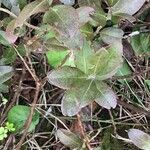
Chamaedaphne calyculata
Leatherleaf · Cassandra · Dwarf Cassandra
Description
Source: leafsnapChamaedaphne calyculata, known commonly as leatherleaf or cassandra, is a perennial dwarf shrub in the plant family Ericaceae and the only species in the genus Chamaedaphne. It is commonly seen in cold, acidic bogs and forms large, spreading colonies.
Care Guide
💧 Water Every 1-2 weeks
Leather-Leaf is a plant that thrives with moderate water availability, requiring watering every 1-2 weeks. Although it is native to wetlands, it manages well in both dry and moist conditions. As an evergreen shrub, Leather-Leaf retains its leaves throughout the year, which helps conserve water during drier periods.
How should I water my Leather-Leaf plant?
Your Leather-Leaf is not fussy about how you water it. You can use any common watering tool such as watering cans, hoses, or even cups. Regardless of the tool you choose, it's important to water the plant directly on the soil and make sure all areas are evenly moistened for the root system to receive adequate water. Using filtered water is recommended as tap water may contain harmful particles for plants. It's also advisable to use water at or slightly above room temperature, as extremely cold or hot water can be a bit shocking for the Leather-Leaf. However, the plant generally responds well to any type of water.
What do I do if I give too much or too little water to my Leather-Leaf plant?
Outdoor plants, especially newly planted ones or seedlings, are prone to lack of watering. It's important to keep watering them consistently for a few months until their roots are established and they can rely on rain. When you have Leather-Leaf plants in pots, overwatering is more likely to occur. If you accidentally overwater your Leather-Leaf, you should take immediate action to address the situation. First, stop watering the plant to minimize the effects of overwatering. Then, remove the plant from its pot to inspect the roots. If none of the roots show signs of root rot, you can return the plant to its container. However, if root rot is present, trim away the affected roots and consider applying a fungicide to prevent further damage. Lastly, repot the Leather-Leaf in well-draining soil. On the other hand, if your Leather-Leaf is underwatered, simply water it more frequently. The leaves may droop, dry out, or fall off, but they will regain fullness quickly after proper watering. It's important to adjust your watering frequency as soon as you notice symptoms of underwatering.
How frequently do I need to water my Leather-Leaf plant?
If you live in an area with enough rainfall, most plants can grow naturally without needing extra watering. However, if your area doesn't get much rain, you should water your plants every 2 weeks in the spring and fall. In the summer, you'll need to water them more often. During the slower growth period in winter, you can water them less frequently or even not at all. If your Leather-Leaf plant is young or newly planted, it needs more frequent watering to help it establish and become more adaptable to drought conditions. For potted plants, there are two main ways to determine how often to water your Leather-Leaf. The first way is to set a schedule, either once a week or every other week. However, this may not work well because it doesn't take into account the specific growing conditions for your plant. Another approach is to check the soil moisture. Wait until the top two to four inches of soil (about ⅓ to ½ depth of the pots) have completely dried out before watering again. This method allows you to adjust the watering frequency based on the plant's needs throughout different seasons. Keep in mind that during summer, your Leather-Leaf will likely need more frequent watering.
How much water does my Leather-Leaf plant need?
When watering your Leather-Leaf plant, you may be surprised to learn that it doesn't always require a large amount of water. Instead, if only a few inches of soil have dried since the last watering, giving it around five to ten ounces of water each time can promote healthy growth. You can also determine the amount of water based on the moisture in the soil. To ensure the plant receives enough moisture, water it until all the soil layers that have dried out since the last watering are moistened. If more than half of the soil is dry, consider giving it more water and continue until excess water drains from the pot's holes. If your Leather-Leaf plant is located in an area that receives ample rain outdoors, it may not need additional watering. For young or newly established plants, make sure they receive 1-2 inches of rain per week. As the plant grows, it can rely solely on rainwater, except during periods of hot weather and no rainfall for 2-3 weeks, when a full watering is needed to prevent stress.
How do I know if I'm giving enough water to my Leather-Leaf?
Leather-Leaf plants are often overwatered and it's important to know the signs. If a Leather-Leaf is overwatered, its leaves turn yellow and may fall off. Additionally, overwatering can make the plant structure shrink and cause root rot. Conversely, if a Leather-Leaf is underwatered, it will start to wilt and its leaves might become brown and brittle. Whether you see signs of overwatering or underwatering, it's crucial to take action to revive the health of your Leather-Leaf plant.
☀️ Light Full sun
Leather-Leaf does best with a constant supply of strong, plentiful sunlight throughout the day. It can tolerate less bright conditions, although it may not grow as vigorously. Native to areas with abundant sun, it can withstand extended periods of sunshine. Insufficient light can result in poor growth, while excessive exposure may cause damage.
What are the sunlight requirements for Leather-Leaf plants?
Leather-Leaf plants thrive best when exposed to full sunlight, which means they should receive more than 6 hours of sunlight daily. However, they can also tolerate partial sun conditions, receiving about 3-6 hours of sunlight. It's crucial to observe how sunlight moves through your garden to find the ideal spots that provide the right balance of light and shade. This ensures your Leather-Leaf plants stay happy and healthy. They originate from environments with abundant sunlight and can endure long hours of sunshine, although they may not thrive as well in less sunny conditions.
How essential is sunlight for the growth of Leather-Leaf and what are the alternatives for indoor plants?
Sunlight is crucial for the growth of Leather-Leaf plants, as they flourish under a continuous stream of strong, ample sunlight throughout the day. For indoor plants where natural sunlight is insufficient, especially during winter or in less sunny spaces, artificial lighting offers a vital solution. This includes choosing the right type of artificial light, such as LED lights which can be customized to provide specific wavelengths needed for your plants. For full sun plants, you'll need 30-50W/sq ft of artificial light. Adjust the light source's distance to 12-36 inches above the plant and ensure it mimics natural daylight hours, typically 8-12 hours per day.
What are the common symptoms of inadequate light exposure in Leather-Leaf plants?
Leather-Leaf plants may show several symptoms when they don't receive enough light, including smaller new leaves, leggy or sparse growth, faster leaf drop, slower or halted growth, and lighter-colored or irregularly patterned new leaves. These symptoms indicate a struggle with the light conditions. Conversely, excessive sunlight can cause symptoms such as chlorosis, where leaves lose their green color, sunscald with damaged leaves or stems, leaf curling to minimize water loss, wilting from increased transpiration, and leaf scorching with brown, dry edges on leaves. These signs highlight the plant's response to too much sunlight.
How can I address the lighting issues for my Leather-Leaf plants?
To ensure optimal growth for indoor Leather-Leaf plants, gradually move them to sunnier locations each week until they receive at least 6 hours of direct sunlight daily. Utilize a south-facing window and keep curtains open during the day. If moving the plant is not feasible, consider using artificial light, such as desk or ceiling lamps for at least 8 hours daily, or invest in professional plant grow lights. For outdoor plants, transition them to sunnier spots gradually to avoid sunburn. If obstructions like trees block sunlight, consider pruning to allow more light through. For small plants, transplanting during their dormant period in late winter or early spring to a sunnier location with good drainage can also help.
🌡️ Temperature 10–35°C
Leather-Leaf is native to habitats with temperatures between 50 and 95 °F (10 to 35 °C). It favors moderate temperatures, and when conditions become extreme, climate control may be required.
What is the native environment temperature range for Leather-Leaf?
Leather-Leaf, scientifically known as Chamaedaphne calyculata, thrives in environments with a temperature range of 50 to 95 °F (10 to 35 °C). It is adapted to moderate temperatures, and efforts to control the climate may be necessary if temperatures fall outside this range. Despite its strong resistance to cold, in regions where winter temperatures are expected to drop below -25°C, it is crucial to take measures to protect the plant from the cold. This can include wrapping the trunk and branches with protective materials like non-woven fabric or cloth. Additionally, it is advisable to water the plant abundantly before the first freeze of autumn to ensure the soil remains moist, thereby preventing drought and water scarcity during the winter and early spring seasons.
How should I care for my Leather-Leaf during low temperature conditions?
Leather-Leaf is notably cold-tolerant and can thrive in temperatures above 10°C. During the winter season, it is important to ensure that the temperatures do not fall below -15°C. In cases where temperatures dip below -25°C, you might not observe immediate effects, but come spring, the branches may appear brittle and dry, possibly failing to produce new shoots. To manage this, it's advisable to prune away any dead branches that haven't produced new leaves in the spring, helping the plant maintain its health and vitality.
What precautions should be taken for Leather-Leaf in high temperature conditions?
During the summertime, it is crucial to keep Leather-Leaf below 35°C to prevent heat stress. If the temperature rises above 38°C, the plant's leaves may begin to lighten in color, exhibit dry and withered tips, and become more susceptible to sunburn. To care for your plant in these conditions, trim away the sunburned and dried-up parts of the plant. Relocate it to a spot that provides shade during the intense midday and afternoon sun, or use a shade cloth for protection. Additionally, watering the plant in the morning and evening can help keep the soil adequately moist, mitigating the risk of heat stress.
💨 Humidity
🪴 Soil 4-5
🌱 Fertilizer
Fertilize your Leather-Leaf in early spring to encourage healthy growth. Regular feeding boosts overall health, leading to robust growth, greater tolerance of challenging conditions, and increased resistance to pests and diseases. Keep to a consistent fertilization schedule for your Leather-Leaf to maintain vibrant, deeply colored foliage and a lush appearance.
Why do I have to put nutrients on my Leather-Leaf plant?
If you own a Leather-Leaf plant, whether it's a specific kind doesn't matter, regular fertilization is important for its overall health. Providing the right nutrients will promote stronger growth and resilience to difficult conditions, as well as help the plant defend against diseases and pests. Since the foliage of your Leather-Leaf is one of its most attractive features, it's important to maintain it. This involves sticking to a regular fertilization schedule that is suited to your specific Leather-Leaf. By doing so, you'll encourage the development of vibrant, lush leaves.
When should I fertilize my Leather-Leaf plant for the best results?
To ensure healthy growth of your Leather-Leaf plant, it is recommended to fertilize it for the first time in late winter or early spring. This gives it the necessary nutrients to thrive once the weather warms up. In warm climate regions, it is also advisable to provide an additional fertilizer feeding in early fall. This not only supplements the soil with nutrients for the following growing season but also improves the plant's resilience to winter cold, reducing the risk of foliage damage. Early fertilization allows new branches to develop sufficiently to withstand the cold winter.
When is it not a good idea to fertilize my Leather-Leaf?
There are certain times throughout the year when you should avoid fertilizing your Leather-Leaf plant. The first period is in the early and mid-winter months when the plant is dormant and does not require any feeding. Additionally, it is not advisable to fertilize the plant during late spring and summer due to the hotter and drier weather conditions. These conditions can negatively affect the plant's response to fertilization. To prevent any issues, it is recommended to follow a fertilization schedule that involves feeding the plant only in early spring and early fall.
What kind of fertilizer does my Leather-Leaf plant need?
The Leather-Leaf plant primarily requires nitrogen as its main nutrient, but phosphorus and potassium are also essential. A balanced fertilizer like 10-10-10 can be effective as it provides a decent amount of each nutrient. However, a more specific nutrient ratio, such as 10-6-4 with higher nitrogen content, often yields optimal growth for the Leather-Leaf. When fertilizing, options include using a granular or liquid-based fertilizer.
How do I make my Leather-Leaf plant healthy and grow better?
To fertilize your Leather-Leaf plant, there are two options: using a granular fertilizer or a liquid fertilizer. If you choose to use a granular fertilizer, all you have to do is sprinkle it on the soil at the right time. The slow-release nature of granular fertilizer will gradually release nutrients into the soil. It's recommended to lightly water your Leather-Leaf plant before applying the fertilizer. On the other hand, using a liquid fertilizer is less common but still an option. To use this method, mix the fertilizer with water and then pour the mixture onto the soil around the base of the plant. Before fertilizing, it can be beneficial to perform a soil test to determine if any pH adjustments are necessary.
🪴 Pot & Repot
✂️ Pruning
Leather-Leaf thrives in wet, boggy environments and is known for its glossy, leathery leaves. To promote growth and improve air circulation, prune the plant during its winter dormancy by removing any dead or crossing branches. Make sure to use sharp, sanitized tools to support the plant's health and maintain its shape.
🌿 Propagating
🐛 Diseases & pets
☠️ Toxicity
Characteristics
- Plant Type
- Shrub
- Life Cycle
- Perennial
- Genus
- Chamaedaphne
- Family
- Ericaceae
- Hardiness Zone
- 6-9
- Mature Height
- 1.52 m
- Mature Spread
- 30 cm to 91 cm
- Leaf Color
- Green
- Leaf Type
- Evergreen
- Flower Color
- White
- Flower Size
- 2.54 cm
- Bloom Time
- Early spring, Mid spring
- Planting Time
- Spring, Summer
- Harvest Time
- Summer
- Native Area
- Russia, Lithuania, Sweden, Japan, Mongolia, Finland, Estonia, Koppen, Poland, Latvia, Belarus