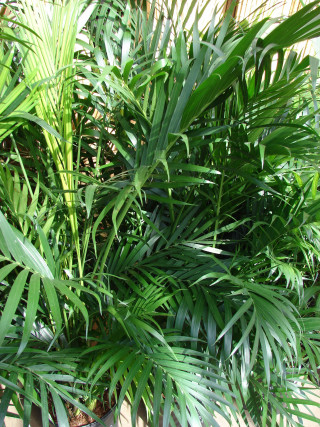
Chamaedorea cataractarum
Cascade palm · Cat palm
Description
Source: leafsnapA shade loving, compact palm that has glossy green foliage and a cascading form. Ideal as a pot plant for indoors or shaded areas of the house or garden. Cascade palm (chamaedorea cataractarum), also known as cat palm. They originate from the jungles of Central America, later distributed around the world.Cascade palms grow to a height of about 3 feet and produce shrubs along the trunks. Leaves color varies from light green to dark green.
💡 The cat palm is easily recognized by its bushy growth pattern and absence of a trunk. Although it is sometimes called a "cat palm tree," it is not actually a tree. Instead, it is a cluster-forming palm with numerous stems.
🌳 Cat palm is not only visually appealing; it is also emerging as a notable option in organic waste management. Its capacity to absorb contaminants such as wastewater pollutants, polyethylene, and mercury has attracted attention. In addition, it helps break down wastes. Teams in Mexico are actively exploring this by using cat palm in treatment plants, revealing a side of the plant that goes beyond its ornamental status.
🎭 Triumph, serenity, patience is rewarded, a joyful return from a journey
Care Guide
💧 Water Every 1-2 weeks
Native to tropical rainforests, the cat palm thrives in high humidity and requires evenly moist soil. It can tolerate moderate drought conditions. To care for a cat palm, water it once every 1-2 weeks, allowing the topsoil to dry slightly between waterings. When grown indoors, it benefits from occasional misting to help maintain its vibrant and lush foliage.
When Should I Water My Cat Palm?
Determining when to water your cat palm involves observing several indicators and conditions. The soil moisture content is a primary factor; if the top 1 to 2 inches of soil are dry, it's time to water. Drooping leaves can also signal the need for water, while yellowing or browning of leaves may indicate water stress. The weight of the pot can offer clues, as a lighter pot suggests the need for water. Additionally, the watering needs of the cat palm vary with the seasons, requiring more water during growth periods in spring and summer, and less during dormant periods in cooler months. Overwatering can lead to root rot and fungal growth, so ensure the soil dries appropriately before watering again. Conversely, delaying watering for too long when the soil is dry can lead to wilting and potential plant death. By paying close attention to these factors, you can ensure optimal watering for the health and longevity of your cat palm.
How Should I Water My Cat Palm?
Watering your cat palm correctly involves maintaining a constant level of moisture without overwatering. Bottom-watering is an effective technique, allowing the plant to absorb moisture from the bottom up, which helps in evenly distributing water to the roots. Alternatively, using a long-spouted watering can help direct water to the soil, avoiding the foliage. Regular misting is recommended to maintain humidity and keep the leaves healthy. Employing a moisture meter can guide you to water the plant when necessary, preventing both over and underwatering. Be cautious not to water directly onto the foliage or base, and use room-temperature water to avoid shock or stress to the plant.
How Much Water Does Cat Palm Really Need?
The amount of water required by a cat palm depends on various factors such as pot size, root depth, and plant size. Averagely, the plant needs the soil to be moist to about 2-3 inches from the top. Small pots may require approximately 1 liter of water, with larger pots needing up to 2 liters. Signs of adequate hydration include vibrant, green leaves and a slight moistness of the soil. Underwatering is indicated by wilted, yellowing leaves, while overwatering can manifest as yellow or brown leaves and potentially lead to root rot. It's crucial to avoid a strict watering schedule and instead water based on the plant's needs, considering the impact of environmental factors like temperature and humidity.
What Kind of Water is Best for Cat Palm?
Cat palm thrives best with natural rainwater, due to its balanced pH level and lack of chemicals. Distilled water serves as a good alternative, being pure and contaminant-free. Tap water is usable but may contain chlorine, fluoride, and other chemicals that could harm the plant. If tap water is used, it’s recommended to dechlorinate it by letting it sit for 24 hours before watering the plant. Filtered water can also be suitable if it removes harmful contaminants and minerals. Cat palm is sensitive to chlorine and moderately sensitive to fluoride, so water with these chemicals should be treated or avoided. The plant prefers water at room temperature to avoid shock.
How Do Cat Palm's Watering Needs Change with the Seasons?
Cat palm’s watering needs vary with the seasons due to changes in growth rate and environmental conditions. In spring, as the plant enters active growth, it requires more water, with the soil needing to stay consistently moist. Summer demands vigilant watering due to higher temperatures and light hours. Autumn marks the preparation for dormancy with reduced watering needs as the plant's growth slows. Winter sees the cat palm in dormancy, necessitating significantly reduced watering, allowing the soil to dry out more between waterings. It’s essential to adjust your watering routine with these seasonal needs to support the health and growth of your cat palm.
☀️ Light Partial sun
The cat palm does best with a balance of sun and shade and can tolerate both full shade and full sun. Its natural habitat reflects those light conditions. However, too much sun can cause leaf burn, while too little sun can reduce the palm's lush growth.
What are the sunlight requirements for a Cat palm?
The Cat palm thrives in a mix of sun and shade, capable of adapting to fully shaded or fully sunlit areas, typical of its natural habitat. It requires about 3-6 hours of sunlight daily for optimal growth. However, exposure to too much sunlight can lead to leaf burn, while insufficient sunlight might impede its lush growth. It's crucial to monitor the movement of sunlight through your garden to ensure your plants get the right balance of light and shade.
What should I do if natural sunlight is insufficient for my Cat palm?
If your indoor Cat palm isn't getting enough natural sunlight, particularly during winter or in less sunny spaces, artificial lighting can be a solution. LED lights are recommended, as they can provide specific wavelengths needed by plants. The amount of artificial light needed varies depending on the plant's sun requirements: full sun plants need 30-50W/sq ft, partial sun plants need 20-30W/sq ft, and full shade plants need 10-20W/sq ft. The artificial light source should be placed 12-36 inches above the plant, mimicking natural sunlight as closely as possible, and left on for 8-12 hours per day.
What are common symptoms of light deficiency in Cat palms?
Light deficiency in Cat palms can lead to several symptoms including leggy or sparse growth, where the spaces between leaves or stems elongate, causing a thin appearance. Small leaves and slowed or halted growth indicate the plant is in survival mode due to poor light conditions. Chlorosis, or the yellowing of leaves due to the breakdown of chlorophyll, along with sunscald, leaf curling, wilting, and leaf scorching are symptoms that can arise from excessive sunlight or insufficient light.
How can I address light-related issues in my Cat palm?
To improve conditions for a Cat palm facing light-related issues, indoors, gradually shift the plant to sunnier spots each week until it receives 3-6 hours of direct sunlight daily, or use artificial light if it's large or not easily movable, keeping a desk or ceiling lamp on for at least 8 hours daily. Outdoors, move your plants to sunnier locations gradually to prevent sunburn. For ground plants, reduce obstructions like overhanging branches and consider transplanting smaller plants to sunnier locations during their dormant period, usually late winter or early spring, ensuring the new location has good drainage and ample sunlight.
🌡️ Temperature 20–37.8°C
The cat palm grows best in its native habitat where temperatures range from 20 to 38 ℃ (68 to 100 ℉). It prefers warm, humid conditions and cannot tolerate very cold temperatures or frost. In winter, maintain the plant at 16 to 21 ℃ (60 to 70 ℉) and mist the fronds with water to keep humidity up.
What are the ideal growing conditions for a Cat Palm?
The Cat Palm, or Chamaedorea cataractarum, thrives in warm and humid environments, with a native growth temperature range of 20 to 38°C (68 to 100°F). It does not tolerate extreme cold or frost well. During the winter, the ideal temperature range for the plant is 16 to 21°C (60 to 70°F), and it is beneficial to mist the fronds to maintain humidity. Cat Palm is extremely heat-loving and should be protected from cold by keeping it indoors near a bright window during autumn and ensuring it is not placed too close to heaters. Maintaining temperatures above 20°C in winter supports its growth, while temperatures near 5°C can harm the plant.
How does low temperature affect Cat Palm and what are the solutions?
Cat Palm prefers warm conditions and is not tolerant of low temperatures, thriving best above 20°C. During winter, it's crucial to keep the plant above 5°C. Exposure to temperatures below 1°C can cause the leaves to lighten in color. After frost damage, leaves may turn brown or black and exhibit wilting or drooping. To mitigate frost damage, trim off the affected parts and move the plant to a warm environment indoors. Positioning it near a south-facing window while avoiding placement near heaters or air conditioning vents can prevent excessive dryness and aid in recovery.
How does high temperature affect Cat Palm and what are the solutions?
During the summer, it is important to keep the Cat Palm below 38°C, as temperatures exceeding 43°C can lighten the color of the leaves and increase susceptibility to sunburn. To address damage from high temperatures, trim away sunburned or dried parts and relocate the plant to an area with shade from the midday and afternoon sun. Watering the plant in the morning and evening can help maintain soil moisture and protect the plant from overheating.
💨 Humidity high (>60%)
This plant needs special care because it loves high humidity levels of 60-80% or more. The best way to achieve this is by placing a humidifier near the plant. Daily misting is also essential! Make sure the room has good ventilation.
🪴 Soil 6-7
🌱 Fertilizer
Fertilize your Cat palm in early spring to encourage healthy growth. Regular feeding boosts its overall health, leading to vigorous development, increased tolerance of challenging conditions, and stronger resistance to pests and diseases. Keep to a consistent fertilization schedule for your Cat palm to maintain foliage that is bright, richly colored, and lush.
🪴 Pot & Repot 1-2 years
When repotting a Cat palm, choose a pot that is only slightly larger and has excellent drainage. Use a well-draining potting mix. Repot in spring, taking care not to damage the roots during the process. Place the palm at the same level it was in the old pot. Water generously after repotting, and position it in a warm spot with bright, indirect sunlight. Avoid overwatering to prevent root rot.
✂️ Pruning
Cat palms thrive best with regular pruning in early spring. This not only shapes their growth but also improves their overall health. To encourage new growth and better airflow, remove any dead or damaged fronds. Be careful not to over-prune, as excessive cuts can cause stress to the plant. By following this practice, you can enhance the appearance of your cat palm and minimize the risk of disease, keeping it vibrant and healthy.
🌿 Propagating
🐛 Diseases & pets
☠️ Toxicity
The Cascade Palm contains toxins. This toxic chemical can cause symptoms such as drooling, vomiting, increased thirst and bruising. On the more severe end, the Cascade Palm can cause liver damage, liver failure and death.
Characteristics
- Plant Type
- Palm
- Life Cycle
- Perennial
- Genus
- Chamaedorea
- Family
- Arecaceae
- Hardiness Zone
- 10-12
- Mature Height
- 0.91 m to 2.13 m
- Mature Spread
- 2.44 m
- Leaf Color
- Green
- Leaf Type
- Evergreen
- Flower Color
- Yellow, Gold
- Flower Size
- 2.54 cm
- Bloom Time
- Mid spring, Late spring, Early summer
- Planting Time
- Spring, Autumn
- Harvest Time
- Mid summer
- Native Area
- Mexico