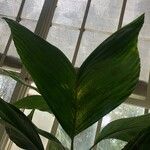
Chamaedorea ernesti-augusti
Tuna-tail palm · Fishtail palm
Description
Source: leafsnapChamaedorea ernesti-augusti is species of small palm tree. It was first described scientifically in 1852 by Hermann Wendland. It is one of several species with leaves that are harvested as xate.
Care Guide
💧 Water
☀️ Light Partial sun
The fishtail palm is native to habitats such as forest understories or rocky areas, where it grows in natural shade. It favors partial sun but can tolerate full sun or full shade, illustrating its versatile, hardy nature.
🌡️ Temperature 20–37.8°C
Fishtail palm comes from tropical areas, where the climate is generally warm and humid. As a result, it is adapted to high temperatures and humidity. It does not tolerate sudden temperature changes and prefers a stable temperature environment, so it is important to avoid temperature fluctuations indoors. It usually cannot withstand cold temperatures and needs warmer conditions to grow. If the surrounding temperature falls too low, the plant may stop growing or even die.
💨 Humidity
🪴 Soil 6-7
🌱 Fertilizer
Fertilize your Fishtail palm in early spring to encourage healthy growth. Regular feeding improves the plant’s overall health, leading to vigorous growth, increased tolerance of harsh conditions, and better resistance to pests and diseases. Stick to a consistent fertilization schedule for your Fishtail palm to keep the foliage vibrant, deeply colored, and lush.
🪴 Pot & Repot
✂️ Pruning
🌿 Propagating
🐛 Diseases & pets
☠️ Toxicity
Characteristics
- Plant Type
- Palm
- Life Cycle
- Perennial
- Genus
- Chamaedorea
- Family
- Arecaceae
- Hardiness Zone
- 10-12
- Mature Height
- 0.91 m to 2.13 m
- Mature Spread
- 49 cm to 91 cm
- Leaf Color
- Dark Green
- Leaf Type
- Evergreen
- Flower Size
- 0.20 cm to 0.25 cm
- Bloom Time
- All year round
- Planting Time
- Spring, Summer, Autumn, Winter
- Harvest Time
- All year round
- Native Area
- Honduras, Mexico, Guatemala, Belize