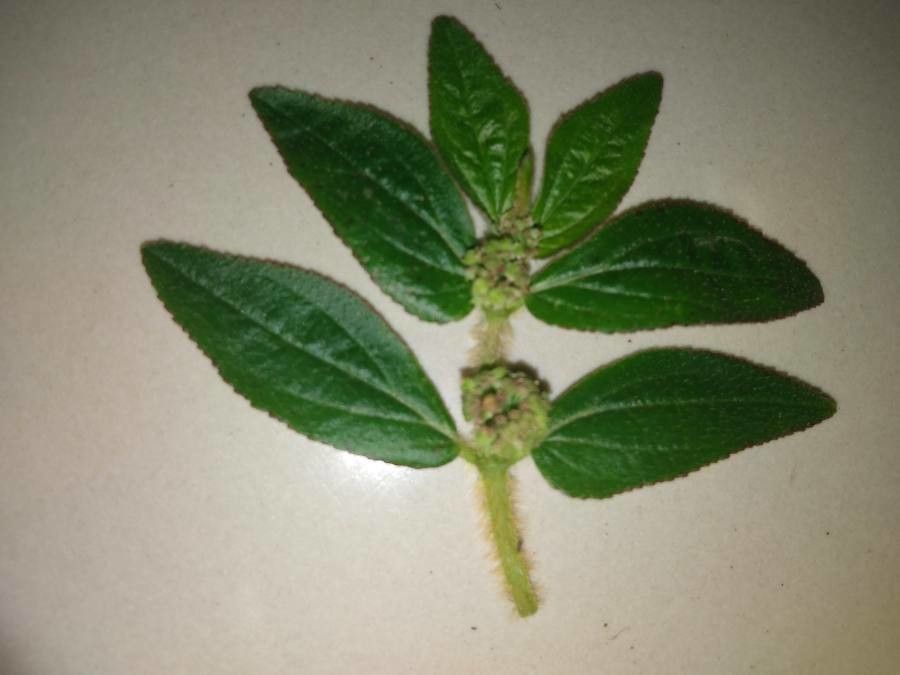
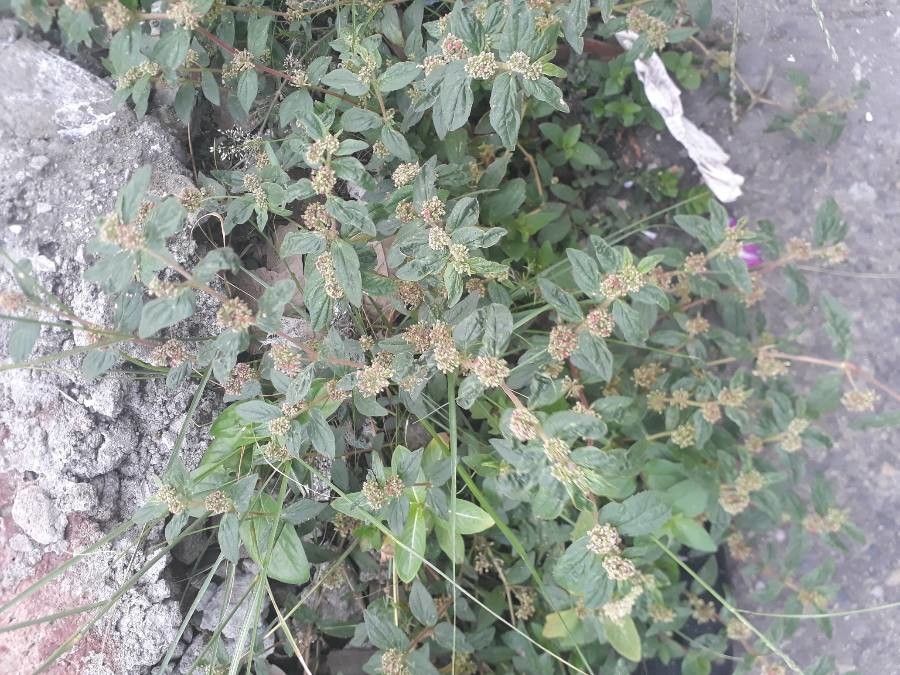
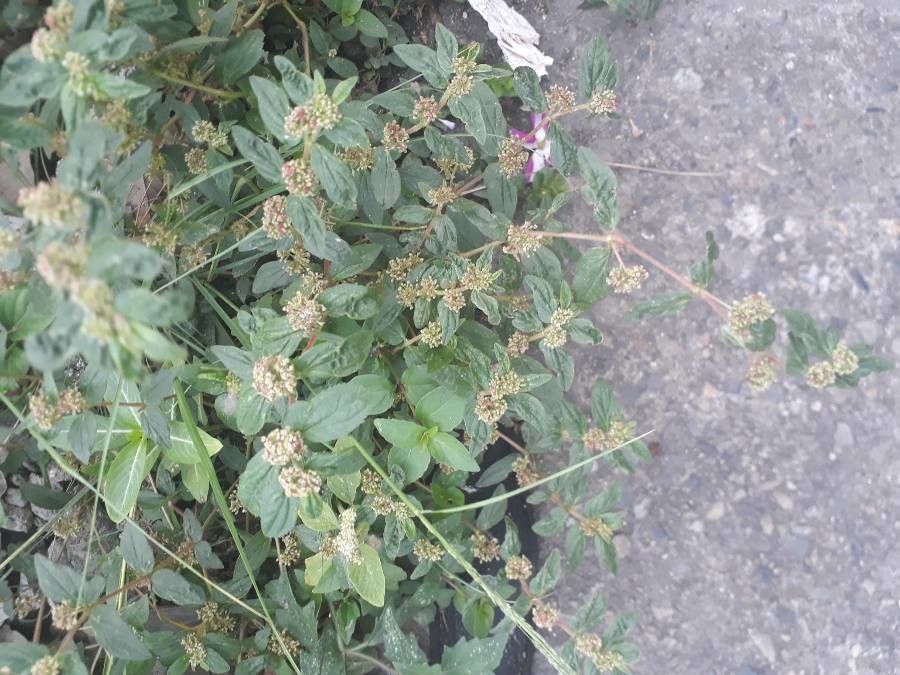
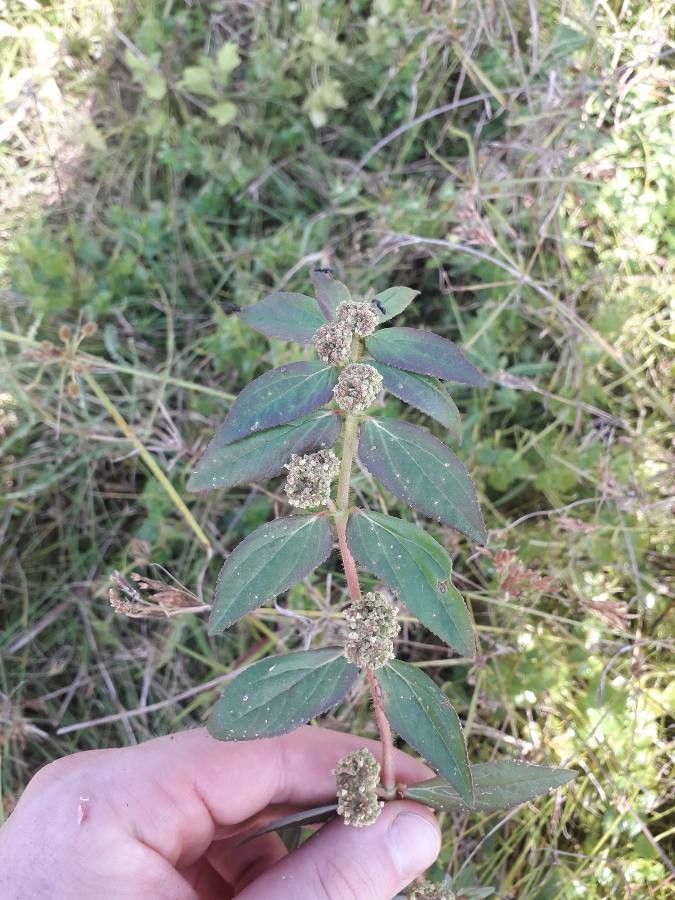
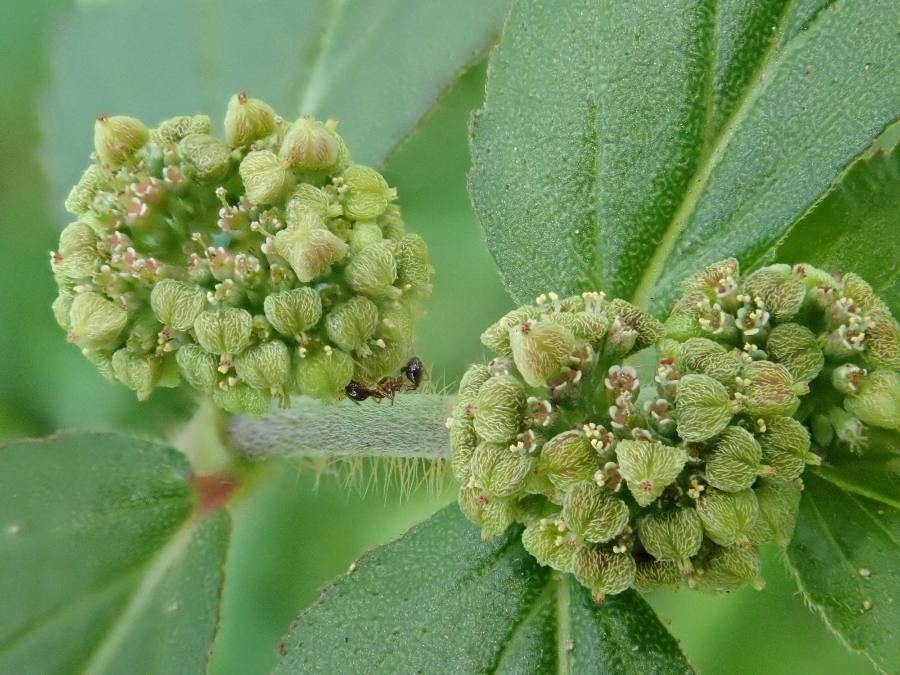
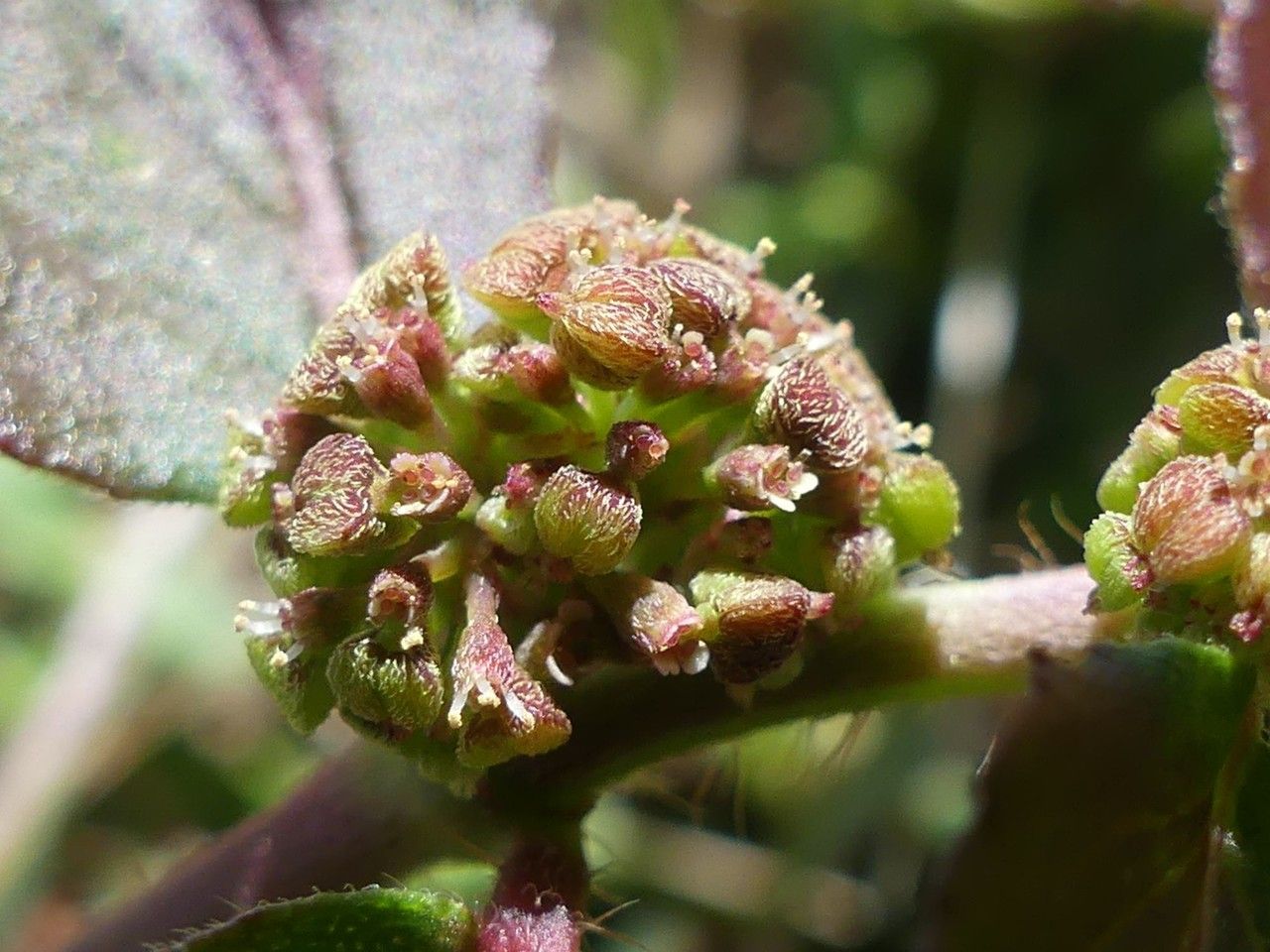
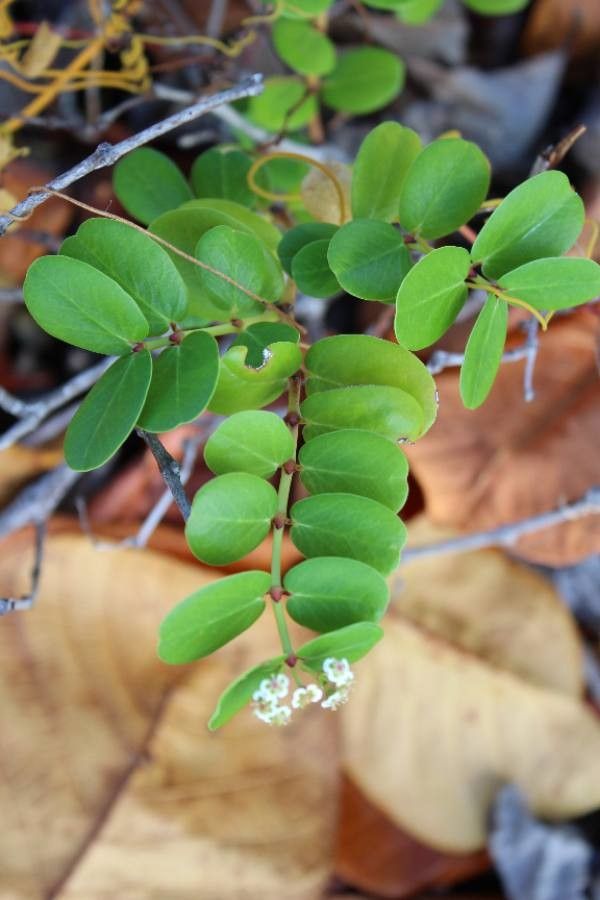
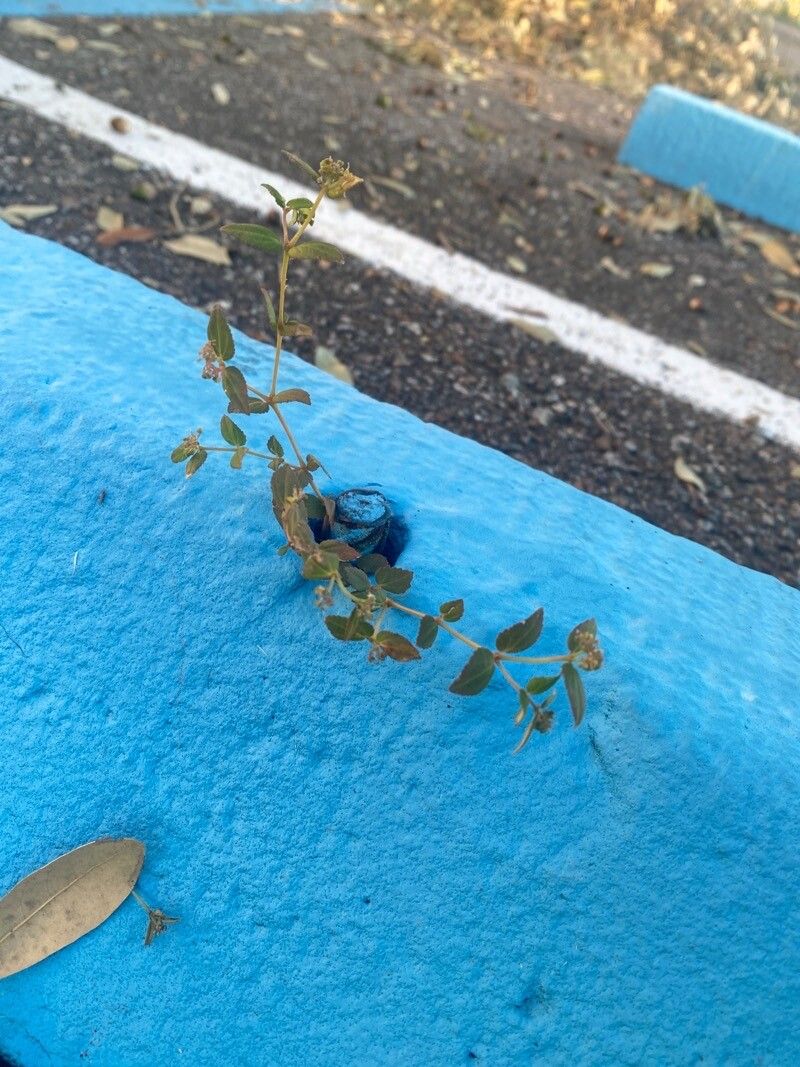
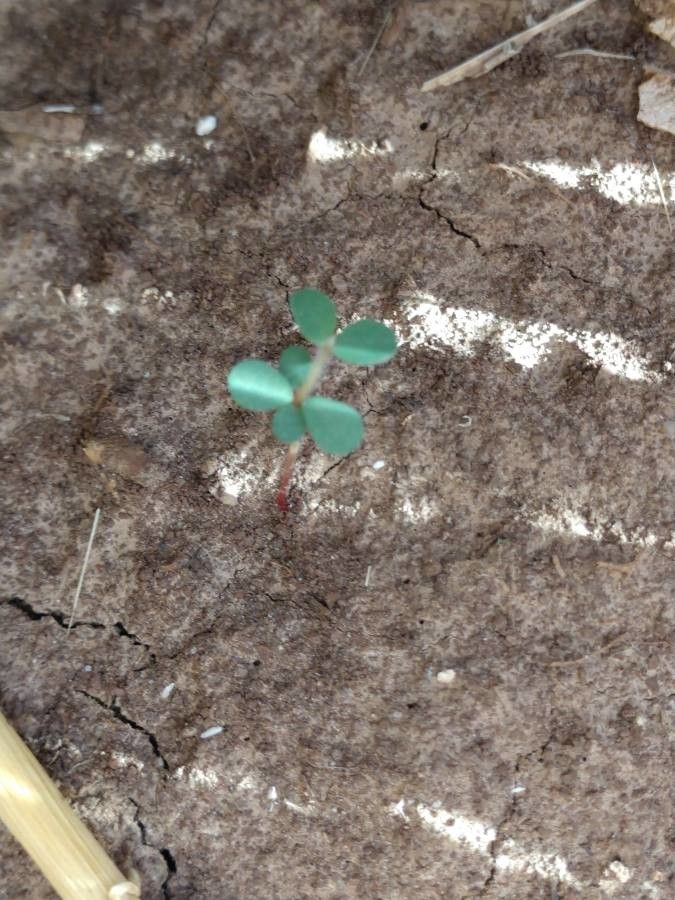
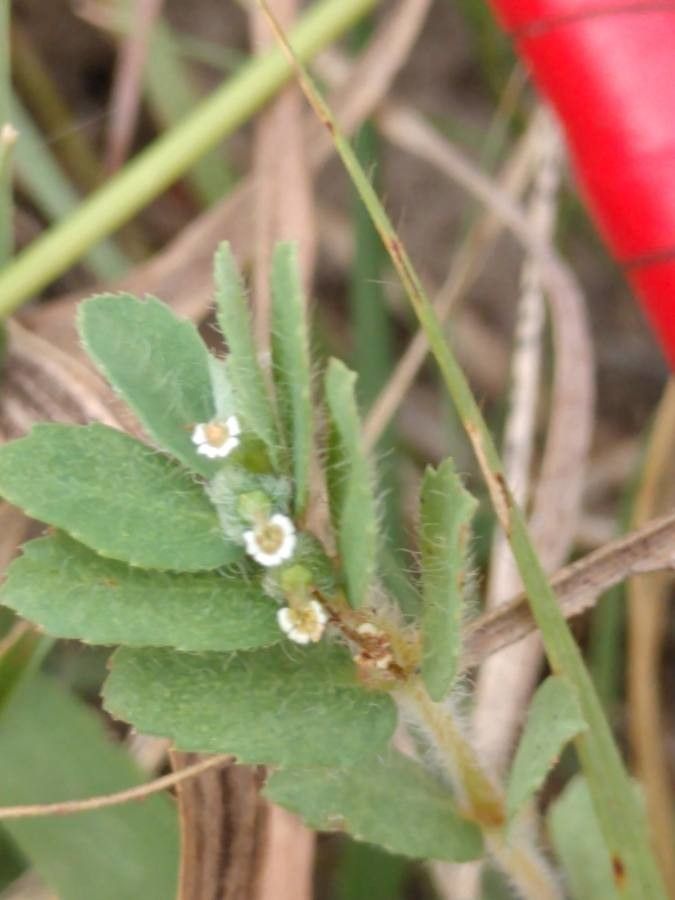
Chamaesyce hirta, commonly known as asthma weed or hairy spurge, is a small annual herb in the Euphorbiaceae family. Native to tropical and subtropical regions, it is found in various parts of Asia, Africa, Australia, and the Americas.
This plant typically grows up to 30 cm in height, featuring a hairy stem that branches out into multiple smaller stems. Its oval-shaped leaves have serrated edges and are alternately arranged along the stem. The tiny flowers, which are greenish-yellow or white, bloom in clusters from spring through fall.
Chamaesyce hirta has been valued for its medicinal properties for centuries, particularly for its anti-inflammatory effects. Traditionally, it has been used to alleviate asthma symptoms such as coughing and wheezing.
Ecologically, the plant serves an important role as a food source for certain insects, including the caterpillars of the checkered white butterfly (Pontia protodice), which feed on its leaves.
However, Chamaesyce hirta can also be considered an invasive weed in some regions due to its ability to spread rapidly through seeds that can remain viable in the soil for several years.
In summary, Chamaesyce hirta is a fascinating plant with both medicinal benefits and ecological significance. Nonetheless, it should be monitored carefully to prevent it from becoming uncontrollably invasive in certain areas, where it may cause harm or disruption.
The Asthma-plant is fairly disease-resistant and typically does not suffer from illnesses. Nevertheless, it can be vulnerable to pests and infections present in its surroundings. Such infections are generally mild. Regarding care, the plant needs moderate maintenance. Regular pruning is necessary to preserve its appearance and encourage healthy growth. Applying fertilizer can also help stimulate flowering. The Asthma-plant is suitable for people with outdoor spaces like a garden or patio and does not require extensive care experience. It may need more attention when grown indoors.
How to keep Chamaesyce Hirta.
Light
The asthma-plant does best in locations that receive plentiful sunlight. This plant, coming from environments with abundant daylight, requires strong light to promote vigorous growth. Too much or too little light can be harmful, leading to stress or poor health.
Temperature
Asthma-plant is native to temperate habitats where temperatures range from 68 to 95 °F (20 to 35 °C). To reproduce those conditions, keep that temperature range year-round, and take extra care to maintain warmth during colder seasons.
Fertilizer
Giving the Asthma-plant regular, dilute applications of fertilizer supports healthy foliage development. Fertilize the Asthma-plant about once a month throughout the summer. Nitrogen is vital for foliage, and adding nitrogen-rich feeds helps the Asthma-plant thrive.
Botanical profile.
- Plant Type
- Herb
- Life Cycle
- Annual
- Genus
- Chamaesyce
- Family
- Euphorbiaceae
- Hardiness Zone
- 10
- Mature Height
- 61 cm
- Mature Spread
- 30 cm
- Leaf Color
- Green, Red
- Leaf Type
- Evergreen
- Flower Color
- White
- Flower Size
- 2.54 cm
- Bloom Time
- Late spring, Summer, Early fall
- Planting Time
- Spring, Summer, Autumn
- Harvest Time
- Summer, Fall
- Native Area
- Belize, Honduras, Mexico, Guatemala, Peru, Panama, Jamaica, Colombia, Cuba, Bolivia, Venezuela, Guyana, El Salvador, Nicaragua, Brazil, Ecuador, Costa Rica
Other names.