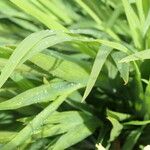
Chasmanthe floribunda
African Cornflag · African corn-flag · Aunt Eliza
Description
Source: leafsnapChasmanthe floribunda, also known as the Cobra Lily or African Corn Lily, is a perennial plant from the Iris family. Native to South Africa, this striking plant produces tall spikes of bright orange-red flowers that bloom in late winter or early spring, making it a popular choice for gardeners aiming to add color during these seasons. The leaves of Chasmanthe floribunda are long and narrow, resembling swords, and can grow up to 2 feet in length. The trumpet-shaped flowers, which grow on stems up to 3 feet tall, are ideal for cut flower arrangements. This plant thrives in full sun or partial shade and prefers well-drained soil. While it can tolerate drought conditions, it benefits from regular watering during dry spells. Traditionally, Chasmanthe floribunda has been used in South African medicine as an anti-inflammatory agent. However, it is important to note that all parts of the plant are toxic if ingested by humans or animals. In summary, Chasmanthe floribunda is an attractive addition to any garden, offering striking orange-red blooms and sword-like leaves.
🌳 African flag flowers hold plentiful nectar that draws a variety of pollinators, including sunbirds. This trait is not widely known but is essential to the ecosystem's diversity. Additionally, the aesthetic appeal of African flag spires has made them a favorite in horticulture, bringing them into gardens worldwide beyond their South African roots.
Care Guide
💧 Water Every 7 days
The African flag plant originates from moist, temperate regions and thrives in consistently damp soil. To maintain its health, it should be watered weekly. While it is typically grown outdoors, natural rainfall significantly contributes to its watering needs, supporting its robust size and seasonal growth cycles.
How should I water my African flag?
To properly water the African flag plant, it is best to use filtered water at room temperature. Tap water may contain harmful particles, so filtered water is preferred. The water temperature should be warm or at least room temperature because the plant is native to a warm environment and cold water can be a shock to its system. Avoid watering from above as it can cause issues with the leaves. Instead, apply the filtered, room temperature water directly to the soil until it is fully saturated. This helps moisten the roots and allows them to spread and absorb essential nutrients from the soil.
What should I do if I give too much or too little water to my African flag?
Both overwatering and underwatering can harm your African flag plant, but overwatering is more common. When the African flag is given excess water, its stems and leaves may wilt and turn yellow. Prolonged overwatering can also lead to root rot, mold, and mildew, all of which can be fatal to the plant. Underwatering is less likely, as the African flag is fairly tolerant of drought. However, it is still possible, and in this case, the leaves may become dry and brown. It is important to recognize the signs of overwatering early on. Some diseases caused by overwatering, like root rot, may be irreversible if not addressed promptly. If you notice early signs of overwatering, reduce your watering schedule and check the soil drainage. If the soil retains water poorly, replace it with a loose, well-draining potting mix. Conversely, if you notice signs of underwatering, increase your watering frequency until the signs disappear.
How often do I need to water my African flag?
If your African flag plant is in a pot, the most accurate way to determine if it needs water is to check the soil with your finger. If you find that the top two to three inches of soil are dry, it's time to water it. If you grow your African flag plant outdoors in the ground, you can use a similar method to test the soil. Once again, if the top few inches of soil have dried out, it's time to give it some water. Typically, during the spring and early fall, watering once a week using this method should be sufficient. However, during extremely hot weather, you may need to water your plant two or more times a week. It's worth noting that mature, well-established African flag plants have a remarkable ability to tolerate drought.
How much water does my African flag require?
When watering your African flag, don't be hesitant to give it a generous amount of water. Make sure the first two to three inches of soil are dry before watering. It's important to thoroughly water the plant by providing enough water to completely soak the soil. You'll know you've added enough water when you see it flowing out of the drainage holes at the bottom of the pot. If you don't see any excess water draining, it means you haven't watered enough. However, be cautious not to let water accumulate inside the soil as it can harm the plant. Similarly, if water doesn't drain well from the pot, this indicates poor soil drainage, which is not good for the plant's health. If the plant is outdoors, it should receive about 1 inch of rain per week.
How should I water my African flag as it grows?
The water requirements for an African flag can vary depending on its growth stages. In its early years or after being transplanted, it will need more water to support the growth of new roots. These roots require more moisture to ensure optimal performance. As the plant matures, it will require less water. Additionally, during the bloom period, the African flag may need more water as the development of flowers requires a significant amount of moisture.
☀️ Light Full sun
African flag does best with abundant sunlight but can also tolerate partially shaded areas. Coming from a habitat with strong sun exposure, it grows best when given similar light. However, both too much and too little sunlight can negatively affect its health and growth.
What are the sunlight requirements for African flag plants?
African flag plants require full sun, meaning they thrive in locations that receive more than 6 hours of sunlight per day. However, they can also tolerate partial sun conditions, where they get about 3-6 hours of sunlight. It's essential to observe how sunlight traverses your garden throughout the day to find spots that offer the right mix of light and shade, ensuring the plants remain healthy and happy.
How should African flag plants be cared for in terms of sunlight exposure?
African flag plants prosper in ample sunlight but can adapt to slightly shaded areas as well. Originating in environments with strong sunlight, they achieve optimal growth in similar conditions. Nevertheless, both too much and too little sunlight can negatively impact their health and development. For indoor plants, adequate lighting is crucial, especially when natural sunlight is insufficient. Artificial lighting, like LED lights adjusted to provide necessary wavelengths, can be used to supplement natural light. It's advised to provide full sun plants with 30-50W/sq ft, partial sun plants with 20-30W/sq ft, and full shade plants with 10-20W/sq ft of artificial light, placed 12-36 inches above the plant, for 8-12 hours per day to mimic natural daylight conditions.
What are the symptoms of inadequate light for African flag plants?
When African flag plants receive insufficient light, especially indoors, they exhibit several symptoms indicating light deficiency. These include smaller new leaves compared to older ones, leggy or sparse growth due to elongated spaces between leaves or stems, a propensity to drop older leaves earlier to save resources, delayed or halted growth as the plant enters survival mode, lighter-colored or irregularly patterened new leaves suggesting a lack of chlorophyll, and various symptoms from excessive sunlight such as chlorosis, sunscald, leaf curling, wilting, and leaf scorching. These conditions reflect the plant's struggle with inadequate sunlight exposure.
What solutions are available for African flag plants suffering from inadequate light conditions?
To remedy light deficiency in African flag plants, optimally grow indoors or in environments lacking sufficient sunlight, gradually increasing sunlight exposure or employing artificial lighting aids growth. Indoors, move plants weekly towards brighter locations until achieving at least 6 hours of direct sunlight, leveraging south-facing windows and keeping curtains open for maximum exposure. Use desk or ceiling lamps or invest in professional grow lights to supplement light, ensuring the plant receives enough for healthy growth. Outdoors, or when dealing with ground plants, move them gradually to sunnier spots, avoiding sudden exposure to prevent sunburn. Observe and minimize obstructions like tree branches to enhance sunlight reach. For smaller plants, consider transplanting during dormant periods to better-lit locations with good drainage, aiming for renewed growth and recovery from previous damage.
🌡️ Temperature 15–37.8°C
The African flag prefers temperatures of 59 to 100 °F (15 to 38 °C), reflecting the conditions of its native habitat. It can handle temperature swings but must be kept away from freezing. In spring and summer, place the plant in a sunny location, providing partial shade during the hottest part of the day. In fall and winter, keep it in a warmer, more sheltered spot.
What are the ideal temperature conditions for an African flag plant?
The African flag plant thrives in temperatures between 59 to 100°F (15 to 38°C), reflecting its native growth conditions. It can adapt to temperature fluctuations but should be protected from freezing temperatures. During the warmer months of spring and summer, it benefits from sunny locations with partial shade during peak heat. In the cooler seasons of fall and winter, a warmer, sheltered environment is preferable. Although the plant has some cold tolerance and usually doesn't need extra protection above -5°C, measures should be taken if temperatures are expected to drop below this, such as wrapping the plant in protective materials, which should be removed once temperatures rise.
How does the African flag plant react to low temperatures?
The African flag plant has a moderate tolerance to low temperatures, thriving best when temperatures are above 15°C and should be kept above -5°C during winter. Exposure to temperatures below -10°C can cause the leaves to droop; they might recover from mild exposure but can wilt and fall off in severe cases. To protect against frost damage, it is advisable to trim off the frost-damaged parts and before encountering low temperatures again, wrap the plant with non-woven fabric or cloth and construct a wind barrier to shield it from cold winds.
How should an African flag plant be cared for in high temperatures?
In high temperatures, especially during summer when the mercury should ideally stay below 38°C, the African flag plant needs special care. Exposure to temperatures above 43°C can lead to lighter leaf coloration, drying and withering of leaf tips, curling of leaves, and an increased risk of sunburn. To mitigate these effects, trim away the sunburned and dried-up parts, then move the plant to a shaded area or use a shade cloth to protect it from direct midday and afternoon sun. Additionally, watering the plant in the morning and evening will help keep the soil adequately moist.
💨 Humidity
🪴 Soil 6-7
🌱 Fertilizer
One fertilizer application in spring is generally enough for African flag, though repeated feedings can enhance growth. Feed about once every month to month and a half. Fertilization improves the leaves' appearance and function, helping maintain even color and a healthy texture. It also promotes root growth and nutrient uptake for the plant's long-term health.
Why do I need to add nutrients to my African flag?
Fertilization plays a crucial role in maintaining the health and appearance of the leaves on the African flag. By properly fertilizing, you can ensure that the leaves have vibrant color and stay in good condition. Fertilization also supports the growth and maintenance of roots beneath the soil, allowing the plant to absorb nutrients effectively both now and in the future.
What is the most suitable time to fertilize my African flag?
If you have an African flag plant outdoors, it will start growing new leaves in early spring. This is the time to fertilize it for the year. Usually, one round of fertilizer in spring is enough to keep the plant healthy. However, if you want to promote maximum growth, you can feed it multiple times during spring and early summer. In this case, you can fertilize the plant once every month to a month and a half.
When is the best time to not fertilize my African flag?
During the late fall and winter, your African flag goes into a dormant phase and does not grow. It's important to avoid fertilizing your African flag during this time. In spring and summer, if you choose to fertilize, start reducing the amount as summer approaches because the growth rate of your African flag will slow down too. In general, it's not a good idea to fertilize your African flag during very hot weather or when the soil is extremely dry. Doing so can stress your plant and cause it to die earlier than expected.
What kind of fertilizer does my African flag require?
Choosing the best fertilizer for an African flag plant is actually quite simple. These plants do well with a general-purpose garden fertilizer that has equal amounts of nitrogen, phosphorus, and potassium, such as a 10-10-10 ratio. It's important to avoid fertilizers with high nitrogen content when uncertain. The most effective fertilizers for African flag plants usually come in a granular form that is slow-release and easy to apply to the soil. Additionally, using organic soil amendments like compost can be beneficial for feeding the African flag plant.
How can I make my African plant grow better?
To ensure optimal growth for your African flag, wait until early spring when you see the first leaves emerge from the soil. At this point, use a granular slow-release fertilizer with a balanced formula on the soil surrounding the base of the plant. If desired, you can repeat this fertilization process later in the season. Remember to avoid applying the fertilizer directly to the plant, instead focus it on the soil at the base. Sometimes, you may need to move some leaves aside to access the soil above the roots. Additionally, it is beneficial to water your African flag before and after applying fertilizer.
🪴 Pot & Repot 2-3 years
Repot the African flag every 2-3 years in early spring to promote healthy growth. Select a slightly larger container with good drainage to accommodate its bulbous structure. Water sparingly until new growth appears to keep the plant healthy and prevent it from becoming root-bound.
✂️ Pruning
The African flag plant benefits from targeted pruning from early to late spring. To encourage new growth and prevent disease, trim any old or damaged stems and remove spent flowers. Pruning helps improve airflow and promotes bushier growth, ensuring that the African flag plant remains visually appealing. Be sure to use clean tools to prevent the spread of disease.
🌿 Propagating
🐛 Diseases & pets
☠️ Toxicity
Characteristics
- Plant Type
- Herb
- Life Cycle
- Perennial
- Genus
- Chasmanthe
- Family
- Iridaceae
- Hardiness Zone
- 8-11
- Mature Height
- 91 cm
- Mature Spread
- 46 cm
- Leaf Color
- Yellow, Red, Orange
- Leaf Type
- Deciduous
- Flower Color
- Yellow, Red, Orange
- Flower Size
- 5.08 cm to 7.62 cm
- Bloom Time
- Spring
- Planting Time
- Spring, Autumn, Winter
- Harvest Time
- Early summer, Mid summer
- Native Area
- South Africa