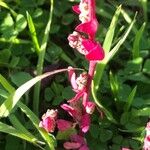
Chenopodium ambrosioides
American Wormseed · Mexican Tea · Wormseed · Indian goosefoot · Bitterweed
Description
Source: leafsnapChenopodium ambrosioides, commonly known as Mexican tea or wormseed, is a herbaceous plant belonging to the Amaranthaceae family. Native to Central and South America, it has also been introduced and naturalized in many parts of the world. The plant can grow up to 1 meter in height and features green leaves that are either ovate or lanceolate in shape. The leaves of Chenopodium ambrosioides are highly aromatic, exuding a strong scent reminiscent of camphor or menthol. For centuries, indigenous people have used these leaves for medicinal purposes, including treating digestive disorders, respiratory issues, and skin conditions. The plant produces small green flowers that develop into tiny fruits containing black seeds. Traditionally, these seeds have been used as a natural insecticide due to their high content of essential oils, such as thujone. In traditional Latin American cuisine, Chenopodium ambrosioides is commonly used as a herb. It is often added fresh or dried to soups, stews, sauces, and other dishes for its unique flavor profile. Although the plant has many traditional uses, it is important to note that it contains compounds such as thujone, which can be toxic if consumed in large quantities. As with any medicinal herb, caution should be exercised when using Chenopodium ambrosioides therapeutically, and it is advisable to seek guidance from a healthcare professional.
🎭 Wealth, Bravery, Might
Care Guide
💧 Water Every 7 days
☀️ Light Full sun
Mexican tea requires ample sunlight to thrive but can survive with moderate light. Native to areas with abundant light, the plant’s health and growth can suffer if it doesn't get enough sun. Either too much exposure or too little sunlight can cause stress and impede its growth and development.
🌡️ Temperature 15–37.8°C
Mexican tea is naturally suited to temperate climates, with temperatures ranging from 68 to 100 °F (20 to 38 ℃). It tolerates high heat and commonly grows in zones that experience intense warmth. Adjust care when temperatures are cooler.
💨 Humidity
🪴 Soil 6-7
🌱 Fertilizer
Mexican tea benefits from regular, dilute applications of fertilizer to encourage healthy leaf growth. You should fertilize Mexican tea about once a month during the summer. Nitrogen is important for foliage, and providing nitrogen-rich sources helps Mexican tea thrive.
🪴 Pot & Repot
✂️ Pruning
🌿 Propagating
🐛 Diseases & pets
☠️ Toxicity
Characteristics
- Plant Type
- Herb
- Life Cycle
- Annual, Perennial
- Genus
- Chenopodium
- Family
- Amaranthaceae
- Hardiness Zone
- 8-11
- Mature Height
- 1.22 m
- Mature Spread
- 46 cm
- Leaf Color
- Green, Yellow, Red, Gold
- Leaf Type
- Deciduous, Semi-evergreen
- Flower Color
- Green, Yellow
- Flower Size
- 1.02 cm to 2.03 cm
- Bloom Time
- Late spring, Early summer, Mid summer
- Planting Time
- Spring
- Harvest Time
- Summer
- Native Area
- Belize, Honduras, Mexico, Guatemala, Georgia, Peru, Panama, Uruguay, Colombia, Paraguay, Argentina, Bolivia, Venezuela, Brazil, Guyana, El Salvador, Nicaragua, Costa Rica