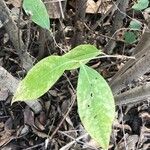
Chimonanthus praecox
Wintersweet · Japanese-allspice · Fragrant Wintersweet · Early wintersweet
Description
Source: leafsnapChimonanthus praecox, also known as wintersweet or Japanese allspice, is a species of flowering plant in the genus Chimonanthus of the family Calycanthaceae, native to China. The plant is known as làméi (蠟梅) in Chinese. The plant is also grown in Iran, where it is called Gol-e Yakh (گلیخ) or "Ice Flower" in Persian.It is a vigorous deciduous shrub growing to 4 m (13 ft) tall with an erect trunk and leaves 5–29 cm (2–11 in) long and 2–12 cm (1–5 in) broad. Its strongly scented pendant flowers, produced in winter (between November and March in UK,) on bare stems, have 15-21 yellow or pale green-yellow, tepals, the inner ones usually with purplish red pigments. This plant is cultivated in gardens, producing valued flower colour in the dormant season. The cultivars C. praecox 'Grandiflorus' and C. praecox 'Luteus' have gained the Royal Horticultural Society's Award of Garden Merit. The plant is not closely related to allspice, Pimenta dioica.
💡 Chimonanthus praecox has been cultivated in China for over 1,000 years and has been used in traditional medicine. This plant has also been introduced to other parts of the world, primarily for its ornamental qualities and winter appeal.
🌳 Perfumers prize the essence of wintersweet flowers for its uncommon, exquisite fragrance profile. Though not widely known, this use is important, as the floral notes are used in high-end perfumes and scented products. Its distinctive aroma could also be used in aromatherapy, where the pleasant, calming scent may aid psychological wellbeing.
Care Guide
💧 Water Every 2 weeks
Wintersweet thrives with a moderate amount of hydration, needing regular watering every two weeks. Although it is drought-tolerant, consistent moisture is essential for its winter blooms to flourish. Adapted to regions with lower precipitation, it requires adequate water during the growing season to ensure vibrant flowering.
What's the best way to water my Wintersweet plant?
To ensure excellent root development, consider using a garden hose at the base of your plant. Avoid spraying the leaves directly, and keep in mind that leaves outdoors and facing direct sunlight may require more watering. Alternatively, you can use bubblers or soaker hoses to moisten the roots. When adding or removing plants, consider using soaker hoses that can cover the entire garden or bed to ensure the roots are deeply watered. Remember to drain any excess water and allow the soil to dry before watering again. Watering at ground level is also recommended to prevent diseases. On a sunny day, it may be beneficial to spray the entire bush with water. Whether your plant is potted or in the ground, keep in mind that wintersweet prefers deep watering rather than light sprinkling.
What do I need to do if I give Wintersweet too much water or not enough water?
If you overwater your Wintersweet, you may notice yellowing, wilting, and dropping leaves, as well as dull and unhealthy-looking plants with mushy stems. Adjust your watering schedule when these signs appear. Wilting can also indicate underwatering, with leaves becoming crispy and dry. When the soil is dry, watering once is not enough; give it a thorough watering. Be aware that although enough water will help the Wintersweet recover, it may still have dry-looking, yellow leaves for a few days due to root damage. Once it returns to normal, the yellowing leaves will stop. When keeping the Wintersweet indoors, always check the moisture levels in the pot. Avoid overwatering and watch for black spots; if present, let the soil rest for a few days without watering. Overwatering can lead to root rot. If you see discolored and slimy roots, consider transferring the plant to a different pot and prevent root rot by avoiding excessively soggy soil. When planting Wintersweet outdoors, dig deeper and if the soil is too dry, it may indicate underwatering. Adequate watering is necessary for the plant's recovery.
How frequently do I need to water my Wintersweet plant?
The Wintersweet plant requires deep and infrequent watering, especially when grown in pots. Watering should be done once every 3 to 5 days in cold regions. It is best to water in the morning when the soil is dry. You can check the soil moisture by feeling the top 2-3 inches of soil - if it's dry, it's time to water. On hot days, the soil in pots can dry out quickly, so daily moisture checks may be necessary. If you have a garden, irrigation is necessary. In hot climates, watering once a week is sufficient. Avoid watering if there has been ample rainfall to prevent root rot. Mulch should be added in outdoor settings to retain water. Sandy soil requires more frequent watering, while clay soil can go longer between waterings to prevent root rot. Marking watering dates on a calendar can help ensure plants are watered on time. Drooping leaves may be a sign that watering is needed.
How much water does my Wintersweet plant need?
The Wintersweet plant needs about a gallon of water on a regular basis. For potted plants, it is best to water them deeply until water starts dripping out of the bottom of the pot. Then, wait for the soil to dry before watering again. To calculate the amount of water given to the plant in a week, you can use a water calculator or a moisture meter. During the flowering period, provide plenty of water but allow the moisture to evaporate to avoid root rot. If Wintersweet is planted outdoors and receives adequate rainfall, it may not need additional watering. However, when Wintersweet is young or newly planted, it should receive 1-2 inches of rain per week. As it continues to grow, it can rely solely on rainfall unless there is an extended period of hot weather or no rainfall for 2-3 weeks. In such cases, it is advisable to water the Wintersweet fully during the cooler part of the day to prevent damage from high heat. Additional watering will be necessary during prolonged dry spells.
Should I change how often I water my Wintersweet plant depending on the time of year or the weather?
The Wintersweet plant needs water from rain when it is outdoors, but only if it hasn't rained consistently for a while. During the spring and fall, the soil should be kept moist but not soggy. It's important to have a balance of dry and moist soil conditions for the Wintersweet to grow well. In the summer, hot weather can cause water to evaporate quickly, so if there's not enough rainfall, you'll need to water more often to keep the soil moist. In general, the Wintersweet needs less water during the winter when it drops its leaves and goes dormant. Using a well-draining but moisture-retentive soil mixture like terracotta can help the water evaporate faster. Once the Wintersweet starts to leaf out in the spring and go dormant, you can stop watering altogether as they can rely on fall and winter rains to survive. After the spring, you can encourage growth and blooming in the Wintersweet by cultivating it when the temperature warms up. Pay attention to drainage throughout the year, especially during winter, as the plant doesn't like excessive water or drought when it's flowering. If the Wintersweet is in a pot, keep it well-watered, especially during the summer. Make sure the pot has good drainage, as the plant doesn't like cold and wet roots. Water the Wintersweet deeply once or twice a week, depending on the weather, and avoid shallow sprinkles that only reach the leaves. Don't let the plant dry out completely in the fall or winter, even when it's dormant. Make sure the soil drains well, as sitting in water for too long can cause the plant to die, especially during winter. Applying mulch can help reduce stress, conserve water, and promote healthy blooms.
☀️ Light Full sun
Wintersweet requires plenty of light, like in its natural habitat, to support vigorous growth. In its early stage, abundant sunlight is particularly important. While it can endure lower light levels, it thrives with ample sun. Excessive sun or insufficient light can both harm its health and flowering.
What are the sunlight requirements for Wintersweet?
Wintersweet requires extensive exposure to sunlight for robust growth, mimicking its natural setting. It thrives best in full sun, which means it needs more than 6 hours of sunlight daily. However, it can also grow in partial sun, receiving about 3-6 hours of sunlight. It's crucial to observe how sunlight moves through your garden and select areas that provide an ideal balance of light and shade, ensuring the plant's well-being.
Can Wintersweet grow with artificial lighting?
Yes, Wintersweet can grow with artificial lighting, especially when natural sunlight is insufficient. This is particularly useful in winter or in areas that don't get a lot of sunlight. LED lights are recommended for indoor plants, as they can provide specific wavelengths needed for optimal growth. The requirements vary depending on the type of plant: full sun plants need 30-50W/sq ft, partial sun plants need 20-30W/sq ft, and full shade plants require 10-20W/sq ft of artificial light. The light source should be placed 12-36 inches above the plant to mimic natural sunlight, and most plants will need 8-12 hours of light per day.
What are the symptoms of insufficient light in Wintersweet?
When Wintersweet doesn't receive adequate sunlight, it may show symptoms such as smaller new leaves, leggy or sparse growth, faster leaf drop, slower or no new growth, lighter-colored new leaves, chlorosis, sunscald, leaf curling, wilting, and leaf scorching. These issues occur due to the plant's inability to perform photosynthesis effectively, leading to poor health and reduced growth.
How can I support Wintersweet with insufficient light, both indoors and outdoors?
For indoor Wintersweet struggling with light, you can gradually move the plant to a sunnier location each week until it receives at least 6 hours of direct sunlight daily. A south-facing window is ideal. If necessary, complement with artificial light, keeping a lamp on for at least 8 hours daily or using professional plant grow lights. Outdoors, move the plants gradually to sunnier spots to avoid sunburn, optimizing conditions for healthy new growth. Removing obstructions and transplanting smaller plants to sunnier locations with good drainage can also significantly improve exposure to sunlight.
🌡️ Temperature 15–35°C
Wintersweet originates from areas with temperatures of 68 to 95 °F (20 to 35 °C). This temperature range is well suited to its growth. Seasonal temperature adjustments are recommended to mimic this range, ensuring proper growth.
What is the ideal temperature range for the growth of Wintersweet?
Wintersweet thrives in environments with temperatures ranging from 68 to 95°F (20 to 35℃). This temperature range is conducive to its proper growth, allowing it to develop optimally throughout the year. To ensure its health and vitality, seasonal temperature adjustments are recommended to replicate these conditions as closely as possible. Despite its strong resistance to cold, care should be taken to protect it from extremely low temperatures, especially if they are expected to fall below -15°C.
How should Wintersweet be protected against very low winter temperatures?
To protect Wintersweet against very low winter temperatures, especially those dropping below -15°C, it is essential to provide adequate cold protection. This can be done by wrapping the trunk and branches with insulating materials such as non-woven fabric or cloth, which helps preserve heat. Additionally, watering the plant abundantly before the first freeze in autumn ensures the soil remains moist and enters a frozen state prepared. This measure is crucial for preventing drought and water scarcity during the winter and early spring months, thereby supporting the plant’s health through colder conditions.
What are the symptoms and solutions if Wintersweet is exposed to low temperatures?
Wintersweet is known for its cold tolerance and performs best when temperatures are kept above 20°C. However, when winter temperatures drop significantly below 0°C and especially under -15°C, the plant may not show immediate changes, but by springtime, its branches might become brittle and dry, failing to produce new shoots. The solution for such damage includes pruning away any dead branches that did not produce new leaves during the spring, encouraging healthier growth and resilience in the plant.
What care should be taken for Wintersweet during high summer temperatures?
During the summer, it's crucial to ensure that the temperature around the Wintersweet does not exceed 35°C, as temperatures above 38°C can cause noticeable stress to the plant. Symptoms of excessive heat include lighter colored leaves, dry and withered tips, and an increased risk of sunburn. To mitigate these issues, it's advised to trim away the sunburned and dried parts of the plant and relocate it to a spot with shade during the midday and afternoon sun, or use a shade cloth. Additionally, watering the plant in the morning and evening will help keep the soil adequately moist, aiding in its overall health and stress resistance.
💨 Humidity
🪴 Soil 6-7
🌱 Fertilizer
The timing of fertilizing Wintersweet is important. Apply fertilizer in early spring and then every month until early summer. Fertilizer encourages lovely blooms and supplies energy both during dormancy and active growth.
🪴 Pot & Repot Every 12 months
✂️ Pruning
Wintersweet is a plant that produces fragrant flowers in the winter. To maintain its health and improve blooming for the next season, it should be pruned in early spring after it has finished blooming. During pruning, remove any dead wood, thin out crowded branches, and rejuvenate the plant by cutting older stems at the base. This will help promote better health and more abundant blooms in the future.
🌿 Propagating
🐛 Diseases & pets
☠️ Toxicity
Characteristics
- Plant Type
- Shrub
- Life Cycle
- Perennial
- Genus
- Chimonanthus
- Family
- Calycanthaceae
- Hardiness Zone
- 7-9
- Mature Height
- 3.05 m to 4.57 m
- Mature Spread
- 2.44 m to 3.66 m
- Leaf Color
- Green
- Leaf Type
- Deciduous
- Flower Color
- Yellow
- Flower Size
- 2.03 cm to 4.06 cm
- Bloom Time
- Early spring, Mid fall, Late fall, Winter
- Planting Time
- Spring, Autumn
- Harvest Time
- Mid spring, Late spring, Early summer
- Native Area
- China