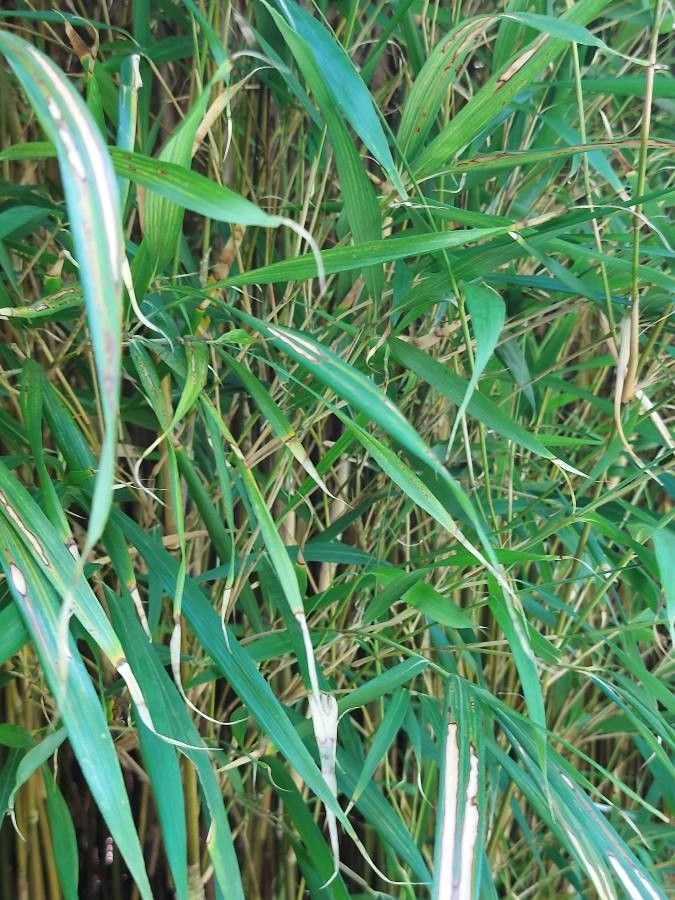
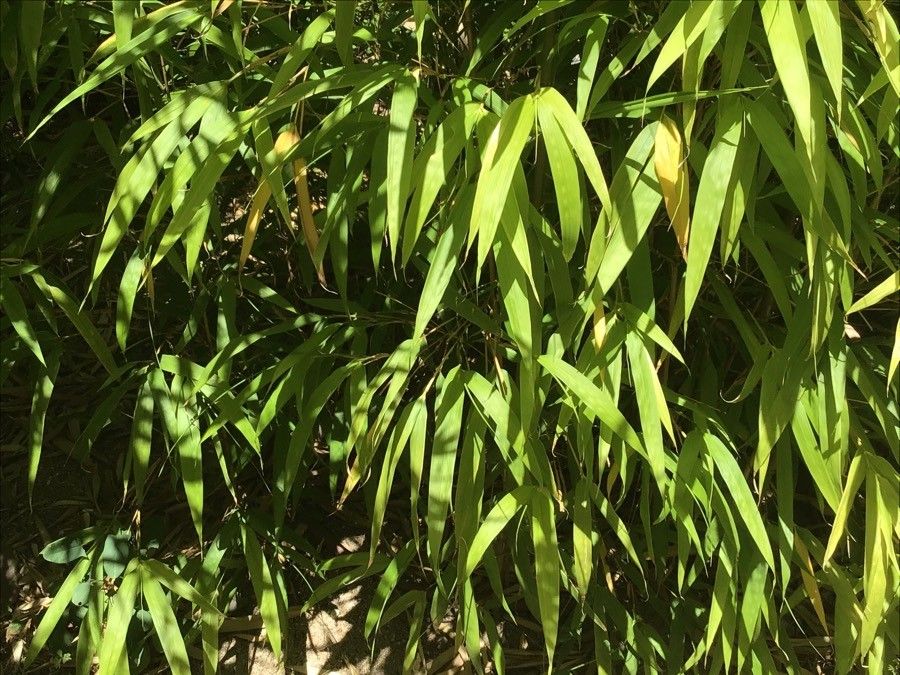
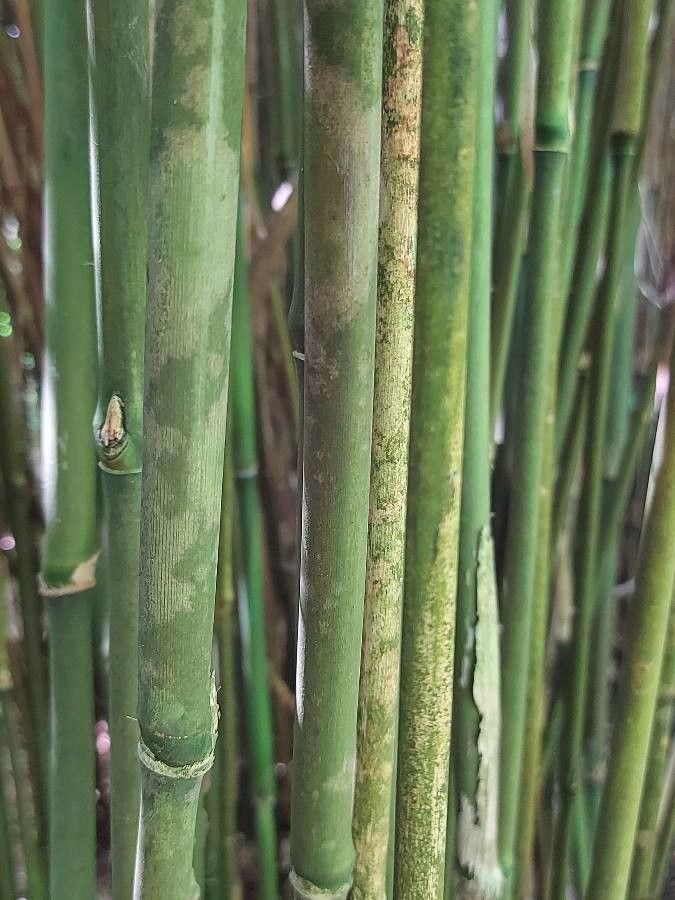
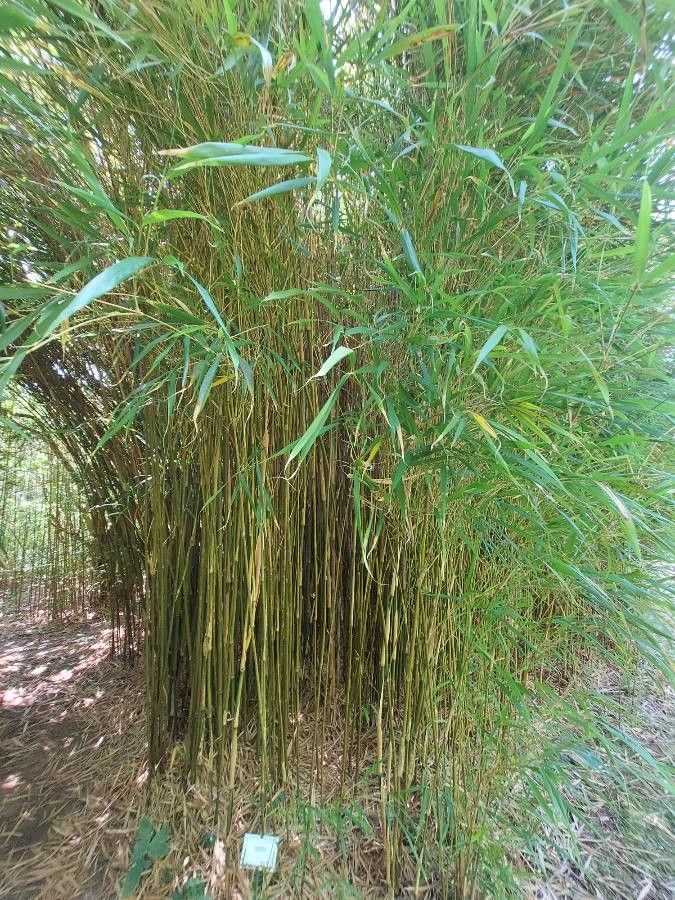
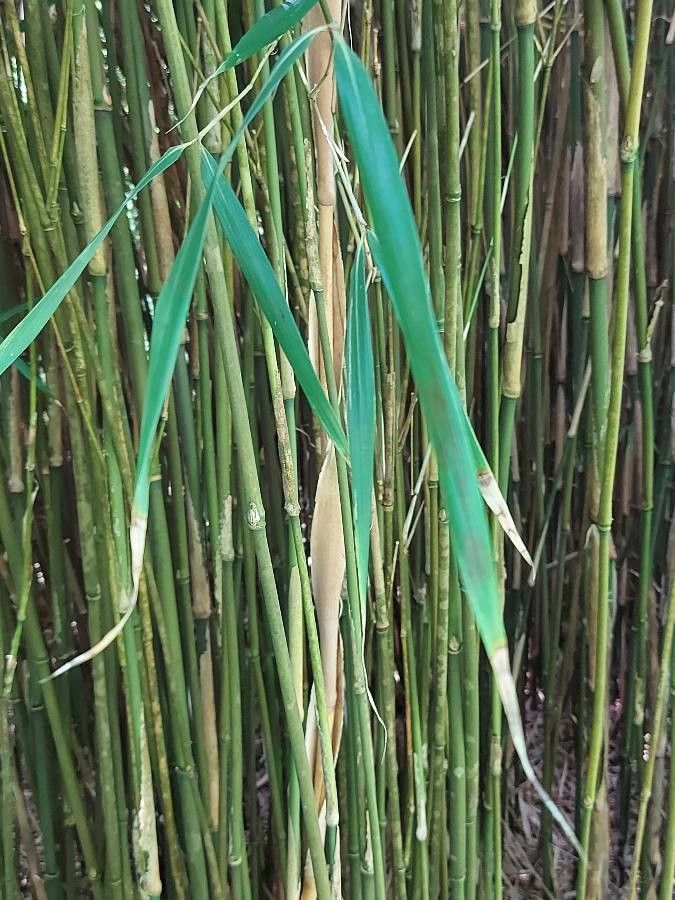
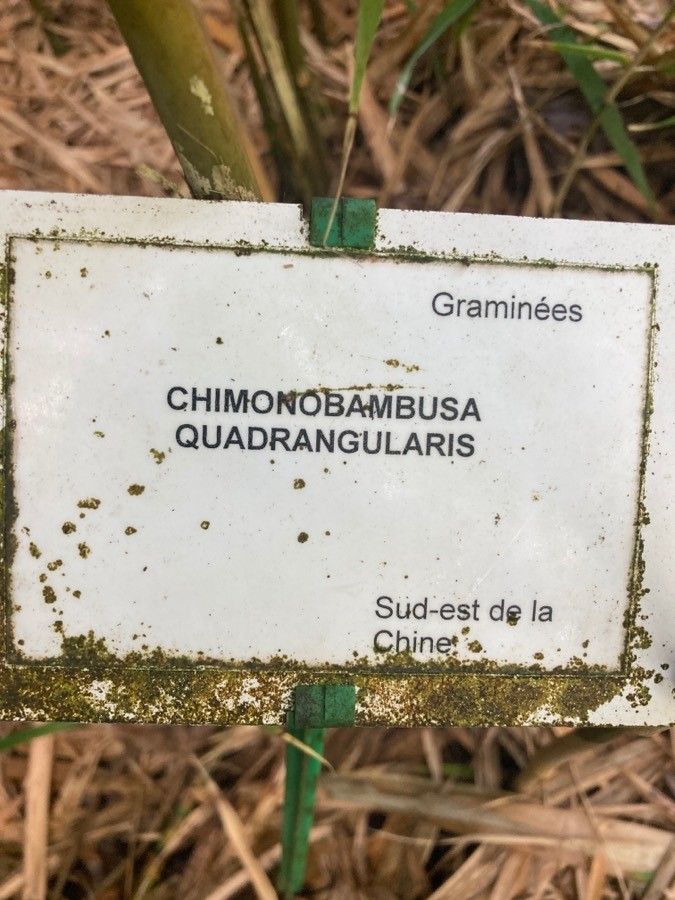
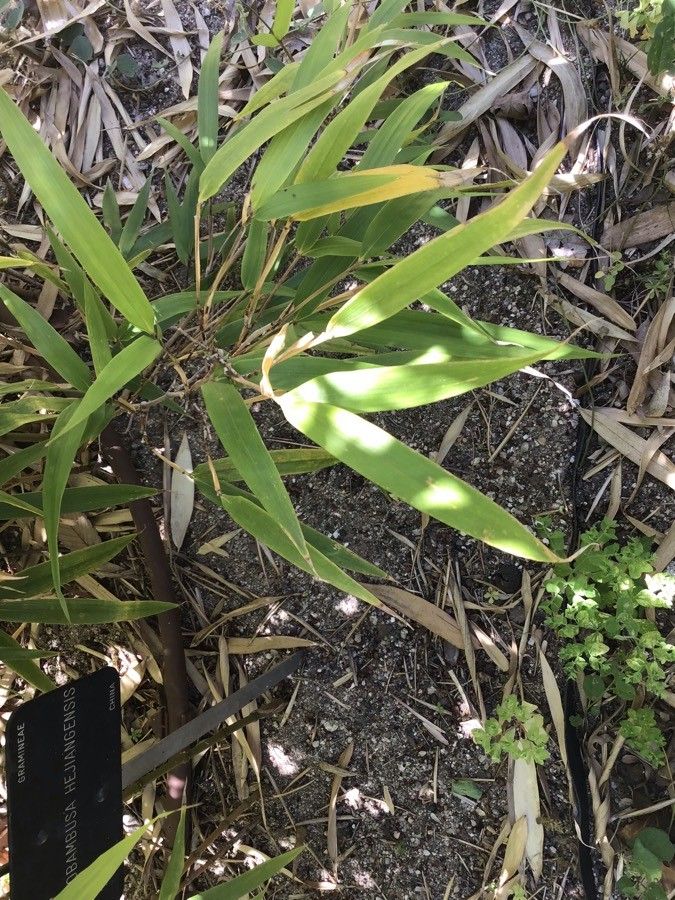
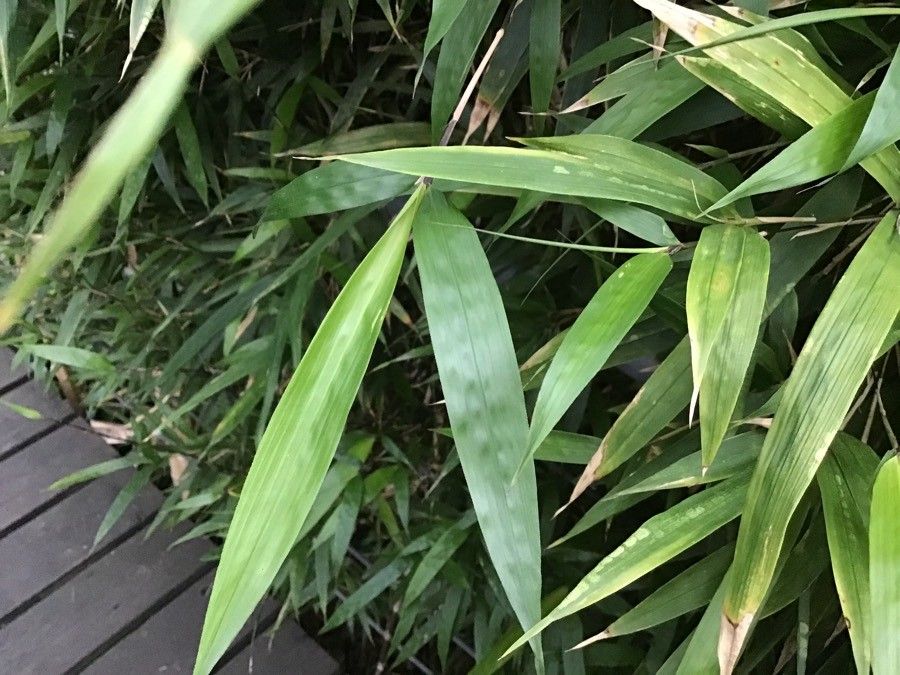
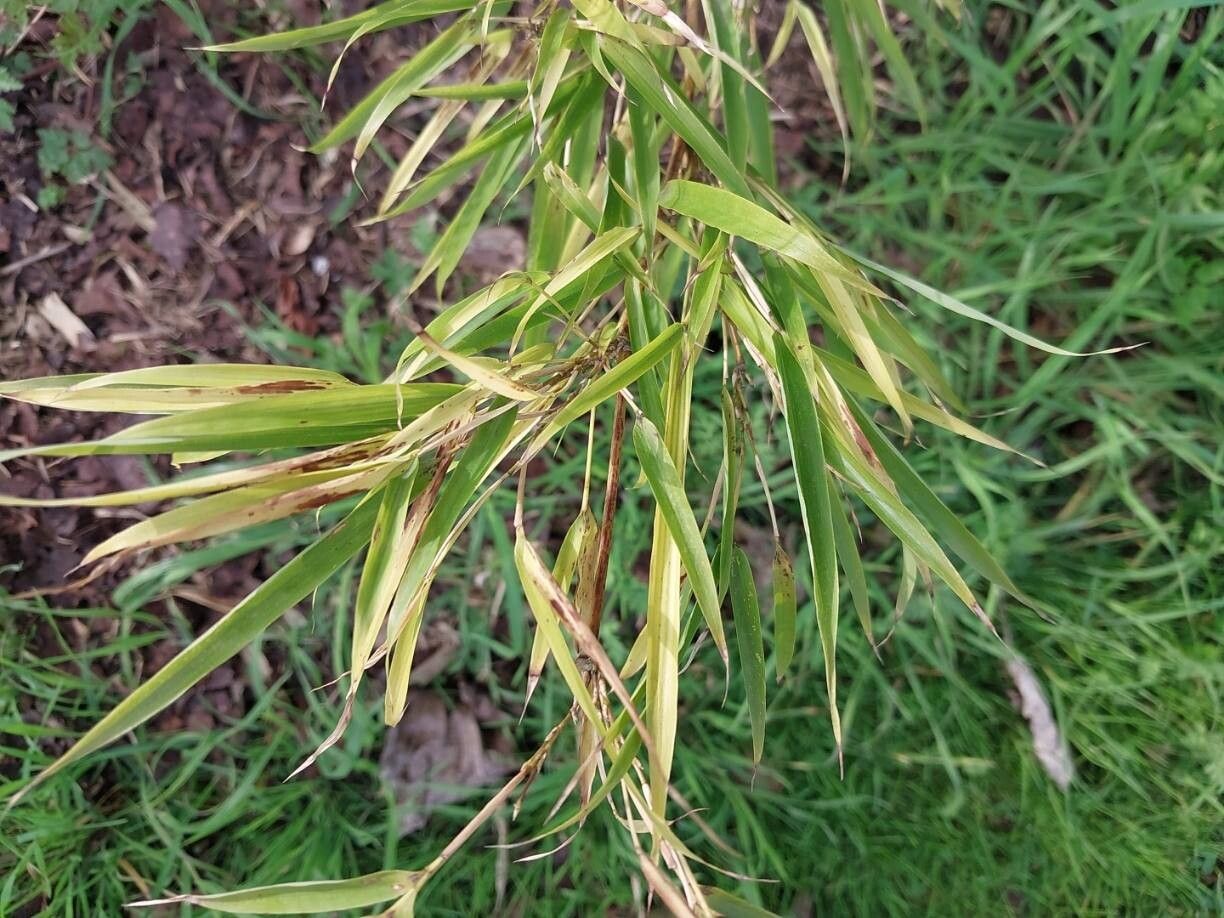
Chimonobambusa quadrangularis is a bamboo species native to China. This clumping bamboo can reach heights of up to 20 feet and diameters of 2 inches. Its stems are uniquely quadrangular in shape, which is reflected in its name, "quadrangularis." The leaves are narrow, lance-shaped, and dark green.
This plant thrives in moist soil and partial shade, making it an excellent choice for gardens or landscaping projects that require shade-loving plants. It can also be cultivated indoors as a houseplant with appropriate care and maintenance.
Chimonobambusa quadrangularis is prized for its ornamental value, thanks to its distinctive stem shape and attractive foliage, making it a favorite among gardeners and landscapers.
Square bamboo has strong resistance to disease and is generally not prone to illness. Regarding care, this plant is fairly low-maintenance. When grown outdoors it requires little watering, and larger specimens typically do not need pruning. However, smaller plants should be pruned after they have bloomed. Square bamboo is suitable for anyone with an outdoor space, such as a garden or deck, and does not demand much care experience.
How to keep Chimonobambusa Quadrangularis.
Light
Square bamboo grows best when it receives sunlight alternating with periods of shade, imitating its native woodland environment. Throughout its development, steady exposure to gentle sun, with only occasional intense sun, produces a healthy plant. Too much sun can cause leaf burn, while too little light reduces its vigor.
Water
Square bamboo thrives in conditions where it receives consistent moisture and can withstand occasional dry spells, needing watering approximately every two weeks. Its ability to adapt to seasonal rainfall makes it a low-maintenance choice for outdoor gardens, perfect for those looking for water-efficient plants.
Temperature
Square bamboo is indigenous to regions where temperatures fall between 59 and 95 °F (15 to 35 °C). It prefers a temperate climate; during colder months, it's recommended to keep conditions above 59 °F (15 °C).
Fertilizer
Fertilize your Square bamboo in early spring to encourage healthy growth. Regular feeding improves overall vigor, producing strong growth, better tolerance of harsh conditions, and enhanced resistance to pests and diseases. Keep to a consistent fertilization schedule to maintain foliage that is vivid, richly colored, and lush.
Pruning
Square bamboo is distinguished by its unique four-sided stems. For optimal growth and appearance, prune the plant in early spring. Start by removing any dead or weak culms to enhance air circulation and encourage new shoots. Always use sanitized tools to prevent disease. Regular pruning will improve the plant's health, enhance its aesthetic appeal, and keep it looking neat year-round.
Pot & Repot
Square bamboo, known for its unique square-shaped stems, should be repotted every 2 to 3 years to encourage healthy growth. The best time to repot is in early spring. Use a slightly larger pot to prevent the roots from becoming bound. After repotting, place the bamboo in a location with bright, indirect light and maintain consistent moisture levels to ensure it remains healthy.
Botanical profile.
- Plant Type
- Tree
- Life Cycle
- Perennial
- Genus
- Chimonobambusa
- Family
- Poaceae
- Hardiness Zone
- 8-10
- Mature Height
- 9.14 m
- Mature Spread
- 2.13 m
- Leaf Color
- Green
- Leaf Type
- Evergreen
- Bloom Time
- Early summer, Mid summer
- Planting Time
- Spring
- Harvest Time
- Late summer, Early fall
- Native Area
- China
Other names.
Reader questions.
What are the sunlight requirements for Square bamboo?
Square bamboo, also known scientifically as Chimonobambusa quadrangularis, thrives in conditions that provide partial to full sun exposure. Partial sun means the plant should receive about 3-6 hours of sunlight per day, while full sun implies more than 6 hours of sun exposure daily. It's essential to observe the movement of sunlight through your garden to identify spots that offer an optimal balance of light and shade, conducive to the well-being of your plants.
What is the native temperature range for Square bamboo?
Square bamboo, or Chimonobambusa quadrangularis, is native to regions where temperatures typically range between 59 to 95 °F (15 to 35 °C). This plant prefers moderate climates and is best maintained in settings that do not fall below 59 °F (15 °C) during colder seasons to ensure its health and growth.
What are the essentials for growing healthy Square bamboo?
To cultivate a healthy Square bamboo, it is crucial to replicate its natural woodland habitat, which involves exposure to sunlight interspersed with periods of shade. During its growth phases, it benefits from consistent exposure to soft sunlight with occasional full sun to ensure robust health. Excessive sun can lead to leaf scorch, while insufficient light can affect the plant's vigor negatively. In low-light conditions, especially during winter or in darker indoor spaces, using artificial lights like LED can help provide the necessary wavelengths for optimal growth. The intensity and duration of artificial lighting should be adjusted based on the plant's requirements to mimic natural sunlight conditions.
How does Square bamboo handle cold temperatures?
Square bamboo showcases some level of cold tolerance and doesn't usually need special care when temperatures are above -5°C. Should the weather forecast predict drops below -5°C, it's crucial to take temporary cold protection steps. This could include wrapping the bamboo in plastic film, fabric, or using other materials to keep it warm. Such protections should be removed as soon as the temperature rises to avoid any potential damage.
What symptoms indicate light deficiency in Square bamboo?
When Square bamboo does not receive adequate light, several symptoms can manifest. Light deficiency may lead to smaller new leaves, leggy or sparse growth, faster leaf drop, slower or no new growth, and lighter-colored new leaves. These symptoms indicate that the plant is struggling with insufficient light, impacting its overall health and ability to photosynthesize effectively.
What should I do if my Square bamboo is exposed to very low temperatures?
If Square bamboo is subjected to temperatures below -10°C, the plant's leaves might begin to droop, indicating stress from the cold. In mild cases, the bamboo can recover on its own. However, for significant damage where leaves wilt and fall off, it's advisable to trim off the frost-damaged parts. For future cold spells, protect the plant with non-woven fabric, or cloth, and set up a wind barrier to shield it from cold winds.
How do you address the symptoms of excessive sunlight in Square bamboo?
Excessive sunlight can cause several symptoms in Square bamboo, including chlorosis, sunscald, leaf curling, wilting, and leaf scorching. To mitigate these symptoms, it is recommended to gradually acclimate the plant to changing light conditions by moving it to sunnier spots each week until it meets its sunlight requirements. If the plant is large or not easily movable, consider using artificial lighting to supplement light exposure. For outdoor plants, avoid sudden changes in light exposure to prevent sunburn. However, it's important to note that parts of the plant already affected by insufficient sunlight might not recover, but new growth will be healthy once the light conditions improve.
How does Square bamboo react to high temperatures, and what are the solutions?
During hot summer months, it's essential to ensure Square bamboo does not stay in environments above 35°C. Temperatures surpassing 41°C can cause the leaves to lighten in color, dry and wither at the tips, curl, and make the plant vulnerable to sunburn. To mitigate these effects, prune away any sunburned or dead areas. To prevent future damage, relocate the plant to a shaded area during the peak sun hours, employ shade cloth if necessary, and water the plant adequately in the morning and evening to maintain soil moisture.