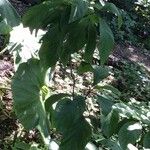
Chionanthus virginicus
White fringetree · American fringetree · Fringetree · Old-man's-beard · Poison-ash
Description
Source: leafsnapThe Chionanthus virginicus, commonly known as the Fringe Tree or Old Man's Beard, is a deciduous shrub or small tree native to the southeastern United States. It typically grows to a height of 12 to 20 feet with a spread of 10 to 15 feet. This plant is notable for its dark green leaves and fragrant white flowers, which bloom from late spring to early summer. The Fringe Tree thrives in moist, well-drained soil and partial shade but can also tolerate full sun. It is relatively low maintenance and can be pruned in late winter or early spring to maintain its shape. For centuries, Native Americans have used the Fringe Tree for medicinal purposes, as it contains compounds with anti-inflammatory properties. The bark, leaves, and roots have been traditionally used to treat various ailments such as fever, rheumatism, and dysentery. Besides its medicinal properties, the Fringe Tree is also valued for its ornamental appeal, making it an excellent choice for landscaping projects. Its fragrant flowers attract pollinators like bees, contributing to biodiversity conservation efforts. Overall, Chionanthus virginicus is an excellent plant choice due to its aesthetic appeal and medicinal benefits, making it a functional and beautiful addition to any garden or landscape project.
🌳 The fringe tree is important in local ecosystems because it serves as a host plant for certain moths, including the rustic sphinx moth. Its flowers also attract a variety of pollinators, such as bees, which are essential for supporting many other plant species. Beyond these ecological functions, the fringe tree’s dense wood is sometimes used in small woodworking projects, and its ornamental appeal enhances urban landscapes.
🎭 Purity, hanging clusters of scent
Care Guide
💧 Water Every 7 days
The white fringetree flourishes in environments with moderate moisture, favoring well-drained soil and consistent watering. It should be watered every 1-2 weeks, allowing the soil to dry out between waterings. Once established, this tree is drought-tolerant and grows vigorously outdoors, adapting to seasonal rainfall patterns.
How should I water my White fringetree the right way?
To ensure excellent root development for your plants, it's a good idea to place a garden hose at the base of each plant. However, avoid spraying water directly onto the leaves. If your plants are outdoors and exposed to direct sunlight, their leaves will need more water. You can also use bubblers or soaker hoses to keep the roots moist. When adding or removing plants, use soaker hoses that cover the entire garden or bed to encourage deep root growth. After watering, make sure to drain any excess water and wait for the soil to dry before watering again. To prevent diseases, water at ground level rather than spraying the leaves. On sunny days, it's beneficial to spray the entire bush with water. Whether your plants are in pots or in the ground, remember that White fringetree prefers deep watering rather than light sprinkling.
What should I do if I give too much or too little water to the White fringetree?
Overwatering can cause yellowing, dropping, and wilting of leaves in a White fringetree. The plant may also appear dull and unhealthy with mushy stems. If you notice these signs, it's best to adjust your watering schedule. Wilting can also indicate under watering, resulting in crispy and dry leaves. Check the soil for dryness and water thoroughly as needed. However, even with enough water, the damaged root system may cause the plant to remain dry with yellow leaves for a few days. Once it returns to normal, the yellowing of leaves will stop. When growing a White fringetree indoors, regularly check moisture levels and avoid overwatering. Look out for black spots which indicate excess moisture, in which case allow the soil to dry out for a few days. Overwatering can lead to root rot, so if discolored and slimy roots are present, consider transferring the plant to a new pot and prevent excessive moisture. When planting a White fringetree outdoors, ensure sufficient watering if the soil is too dry. Adequate watering is necessary for the plant's recovery.
How often do I need to water my White fringetree?
The White fringetree prefers deep, infrequent watering. If planted in pots, it's important to soak them with a gallon of water each time because the soil in pots dries out quickly. In colder regions, water every 3 to 5 days, preferably in the morning when the soil is dry. To determine if watering is needed, check the soil - if the top 2-3 inches are dry, it's time to water. During hot days, check the moisture daily as the heat can dry out the soil rapidly in pots. For gardens, irrigation is necessary. In hot climates, water once a week when the top 2-3 inches of soil is dry. Avoid overwatering to prevent root rot, especially if there is already sufficient rainfall. During spring and fall, when the White fringetree grows the most, add 3-4 inches of mulch to conserve water when planted outdoors. Sandy soil requires more frequent watering, while clay soil can go 2-3 days without water to avoid root rot. Keep track of watering dates on a calendar and pay attention to drooping leaves, which may indicate the need for water.
How much water does my White fringetree need?
The White fringetree typically requires about a gallon of water on a regular schedule. For potted plants, it's best to water them deeply until water starts to drip from the bottom of the pot. Then, wait for the soil to dry out before watering again. You can use a water calculator or a moisture meter to determine how much water your plant has received in a week. During the flowering period, it's important to provide plenty of water, but allow the moisture to evaporate afterwards to avoid root rot. If the White fringetree is planted outdoors and receives enough rainfall, additional watering may not be necessary. However, when the tree is young or newly planted, it should receive 1-2 inches of rain per week. As the tree grows, it can rely solely on rainfall. Only during very hot weather or extended periods without rain should you consider giving the tree a thorough watering during the cooler part of the day to prevent heat damage. Additional watering will be needed during dry spells.
Should I change how often I water my White fringetree depending on the time of year or the weather?
The White fringetree needs outdoor rainfall to thrive, but it may need additional watering during persistently dry weather. During the spring and fall, the soil should be kept moist but not overly saturated, as the White fringetree prefers alternating dry and moist soil conditions. In the summer, hot weather can cause water to evaporate quickly, so more frequent watering may be necessary if there is a lack of rainfall. However, during the winter, less water is typically needed as the White fringetree goes dormant. It is recommended to use a well-draining soil mixture, like terracotta, to help the water evaporate faster. Once the White fringetree begins to leaf out and go dormant, watering can be skipped as it can rely on fall and winter rains. When the temperature becomes warmer in the spring, you can encourage growth and blooming by cultivating the White fringetree. It is important to maintain good drainage at all times to prevent ponding or drought, especially during winter. If the plant is in a pot, it has limited root growth, so regular watering, especially in summer, is essential. Shallow sprinkles should be avoided as they promote fungal growth and do not reach the roots effectively. Even during dormancy in the fall or winter, the White fringetree should not be allowed to dry out completely. Overwatering should also be avoided, as prolonged exposure to water during winter can be detrimental to the plant's survival. Applying mulch can help reduce stress, conserve water, and promote healthy blooming.
☀️ Light Full sun
The fringe tree performs best in spots where it gets a lot of direct sunlight. This preference is linked to the environments in which it grows, which usually offer plentiful sun. It can also tolerate locations with somewhat less light. The plant fares poorly with inadequate sun, while excessive sunlight can cause sunscald and lead to discolored foliage.
What are the sunlight requirements for plants?
Plants have various sunlight requirements to thrive. Full sun plants need above 6 hours of sunlight, while partial sun plants require about 3-6 hours of sunlight. It’s essential to observe the movement of sunlight through your garden and select locations that offer an ideal balance of light and shade, ensuring the well-being of your plants.
How does sunlight affect the growth of white fringetree?
The white fringetree flourishes in areas with abundant sun exposure, a trait derived from its natural growth environment where extensive sunlight is common. The tree can adapt to somewhat less sun; however, it struggles with insufficient light, and excessive exposure can cause sunscald, leading to foliage discoloration.
What solutions are available for plants not receiving enough sunlight?
For indoor conditions, if the white fringetree is large or not easily moved, consider using artificial lighting. Artificial lights, such as LED, can supplement natural sunlight, especially in less sunny spaces or during winter. The intensity and duration of artificial lighting should mimic natural sunlight, typically 8-12 hours per day depending on the plant need. Outdoors, gradually moving plants to sunnier spots and minimizing obstructions like trees by pruning can help increase sun exposure. Transplanting smaller plants during their dormant period to locations with better sunlight and drainage is also recommended for ground plants.
What are common symptoms of inadequate sunlight in plants?
Common symptoms of insufficient sunlight in white fringetree include smaller new leaves, leggy or sparse growth, faster leaf drop, slower or no new growth, pale or discolored new leaves, chlorosis, sunscald, leaf curling, wilting, and leaf scorching. These symptoms indicate that the plant is not receiving the optimal level of sunlight it requires for healthy growth.
How can artificial lighting help indoor plants?
Artificial lighting serves as a significant aid for indoor plants when natural sunlight is lacking, particularly in winter or less sunny areas. It promotes healthier, faster growth. The choice of artificial light, such as LED, can provide specific light wavelengths needed by plants. Full sun plants require 30-50W/sq ft, partial sun plants need 20-30W/sq ft, and full shade plants should get 10-20W/sq ft of artificial light. The light source should be placed 12-36 inches above the plant, and most plants benefit from 8-12 hours of artificial light daily to mimic natural daylight conditions.
🌡️ Temperature 0–35°C
Fringe tree naturally grows in temperate regions with mild winters and warm summers. It does best at temperatures between 32 to 95 ℉ (0 to 35 ℃) and favors full sun to partial shade. In colder periods, it’s advisable to protect the plant from frost by covering it or bringing it indoors.
What is the native growth environment of the White fringetree?
The White fringetree, also known by its botanical name, Chionanthus virginicus, thrives in temperate climates characterized by mild winters and warm summers. It flourishes in a temperature range of 32 to 95°F (0 to 35°C) and prefers conditions of full sun to partial shade. The White fringetree has a strong resistance to cold, but in regions where winter temperatures may plummet below -35°C, it is advisable to take measures to protect the plant from frost. This includes watering it abundantly before the first freeze of autumn to ensure the soil is moist and enters a frozen state, which helps prevent drought and water scarcity for the plant during the colder months. Although special frost protection measures are often not necessary because of its cold resistance, wrapping the trunk and branches with non-woven fabric or cloth can provide extra protection in extremely cold conditions.
What should I do if the White fringetree is exposed to temperatures below -35°C during winter?
White fringetree's ability to withstand cold temperatures is noteworthy, with optimal survival temperatures above 0°C. However, when winter temperatures fall below -35°C, you might not observe immediate changes in the tree's condition. Issues such as brittleness and dryness in the branches may emerge during the spring, with no new shoots appearing. To mitigate this, in spring, it is advisable to prune away any dead branches that have failed to produce new leaves, aiding the tree in its recovery process.
How should I care for my White fringetree in the summer when temperatures rise above 35°C?
During the summer months, when temperatures soar above 35°C, the White fringetree may show signs of stress, such as leaves lightening in color, with tips turning dry and withered. This increase in temperature makes the tree more susceptible to sunburn. To protect and care for your tree in such conditions, trim away any sunburned and dried-up parts. Additionally, moving the tree to a location where it receives shade during the midday and afternoon sun, or using a shade cloth, can prevent further sunburn. Ensuring the tree is watered in the morning and evening will keep the soil moist and support the tree's health in high temperatures.
💨 Humidity
🪴 Soil 6-7
🌱 Fertilizer
Timing is essential when fertilizing the Fringe tree. Apply fertilizer in early spring and continue monthly until early summer. The fertilizer encourages beautiful blooms and supplies energy during both dormant and active growth phases.
Why should I add fertilizer to my White fringetree?
Fertilizing a White fringetree is important for several reasons. One obvious reason is that it helps the tree produce beautiful blooms. Fertilizing in early spring is an effective way to ensure abundant flowers during that season. Additionally, fertilizer provides the tree with extra energy that it can store in the ground during dormant growth phases. Adding nutrients during fall planting or late spring helps the tree store more energy to use when growth resumes.
When should I fertilize my White fringetree?
To ensure effective fertilization of the White fringetree, it is important to consider the timing. Applying fertilizer too early while the tree is still dormant would be ineffective as it would be washed away by rainwater, resulting in waste and pollution. The first application of fertilizer should be done in early spring, followed by monthly fertilization until early summer.
When is it not a good idea to fertilize my White fringetree?
To ensure healthy blooms, it is important to avoid using a fertilizer that is high in nitrogen for White fringetree. This can cause an abundance of leaves but few blooms. Instead, opt for a fertilizer that has a lower nitrogen level compared to other nutrients. It is crucial to refrain from fertilizing White fringetree after early autumn as this can result in excessive growth right before winter. Additionally, it's best to avoid fertilizing the tree during hot and dry times of the year as dry soil cannot effectively deliver the fertilizer, and stimulating growth during this time can require additional water that may not be readily available. For optimal results, it is best to use fertilizer earlier in the season when temperatures are cooler. Lastly, be cautious about inadvertently giving the tree a double-dose of fertilizer, as White fringetree can absorb any fertilizer that has been applied to nearby plants or lawns.
What kind of fertilizer does my White fringetree require?
To ensure the optimal growth of a White fringetree, it is recommended to use a fertilizer with a well-balanced mix of the main plant nutrients, with a slightly higher amount of phosphorus. Alternatively, some gardeners choose to enrich the soil by adding organic materials like compost, worm castings, and manure. For even better results, experienced gardeners often supplement with phosphorus-rich water-soluble fertilizers when the flower buds start to appear. This improves flower development, size, and duration. Fertilizers can come in various forms, but liquid or powdered forms are considered among the best options for White fringetrees. Regardless of the form chosen, it's important to dilute the fertilizer and apply it while watering.
How can I make my White fringetree grow better?
To properly fertilize your White fringetree, it's essential to follow the specific fertilizer instructions and conduct some research. Avoid over-fertilizing, as it can be harmful to the plant. To determine the correct amount, you can use the tree's age or trunk diameter as a guide. Typically, it is recommended to use about one-tenth of a pound of fertilizer per year or per inch of trunk, with a maximum of one pound. Apply granular or organic fertilizers, like blood meal, by sprinkling them around the tree's base all the way to the drip line. Be sure to keep the fertilizer away from the trunk. Eventually, the granules will break down and seep into the soil for absorption by the roots. After fertilizing, spread a one-inch layer of compost around the base of the tree and ensure to water it thoroughly.
🪴 Pot & Repot 2-3 years
When repotting a Fringe tree, select a pot 1-2 inches (2.5–5.1 cm) larger with good drainage. Use a well-draining potting mix. Repot in spring or fall, making sure the root ball is slightly lower than the rim of the pot. Water thoroughly after repotting and place it in a warm spot with indirect sunlight.
✂️ Pruning
White fringetrees benefit from annual pruning in early spring, which helps maintain a healthy shape and encourages strong growth. To improve air circulation and allow more sunlight to penetrate, remove any dead or crossing branches. Be careful not to prune too heavily, as this can stress the plant and disrupt its natural form, which is essential for showcasing its beautiful flowers.
🌿 Propagating
🐛 Diseases & pets
☠️ Toxicity
Fringe trees are not considered toxic. However, they have been known to have medicinal properties and induce vomiting, frontal headache, and slow pulse rate upon overdose.
Characteristics
- Plant Type
- Tree
- Life Cycle
- Perennial
- Genus
- Chionanthus
- Family
- Oleaceae
- Hardiness Zone
- 3-9
- Mature Height
- 10.06 m to 10.97 m
- Mature Spread
- 3.66 m to 6.1 m
- Leaf Color
- Green, Yellow
- Leaf Type
- Deciduous
- Flower Color
- White
- Flower Size
- 0.25 cm
- Bloom Time
- Late spring, Early summer
- Planting Time
- Spring, Autumn
- Harvest Time
- Mid summer