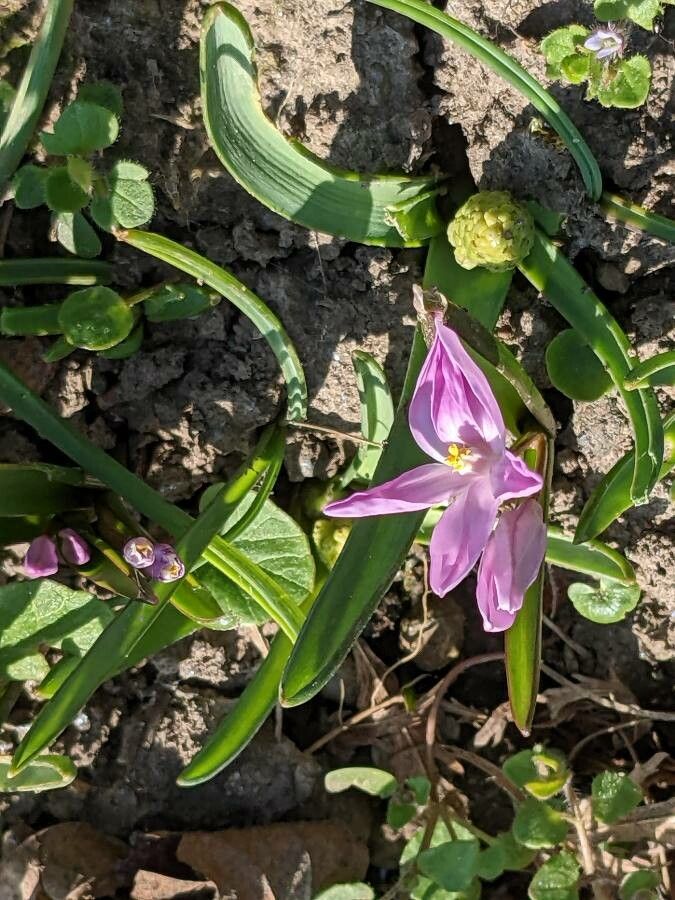
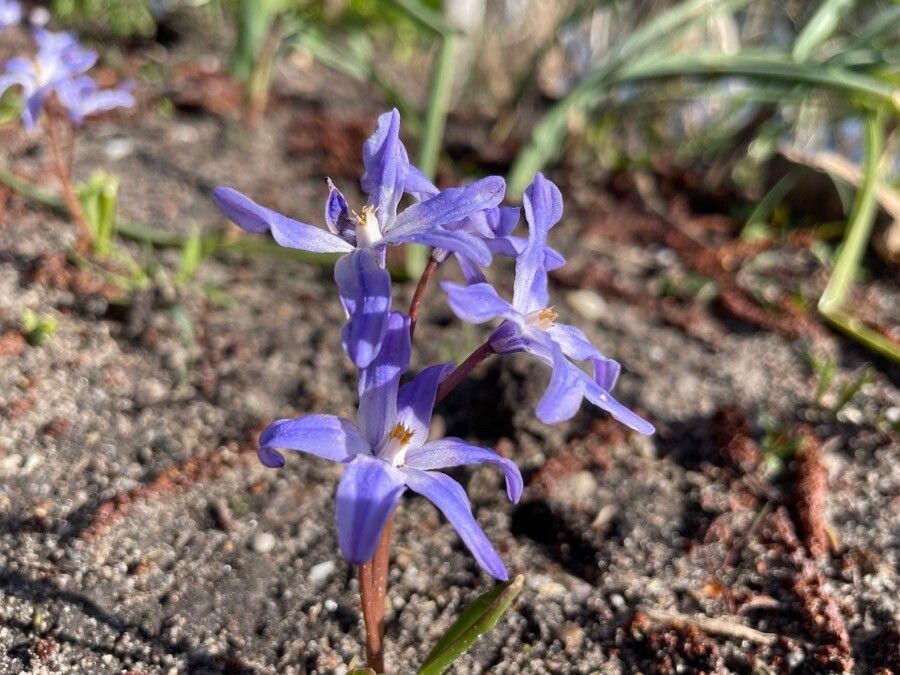
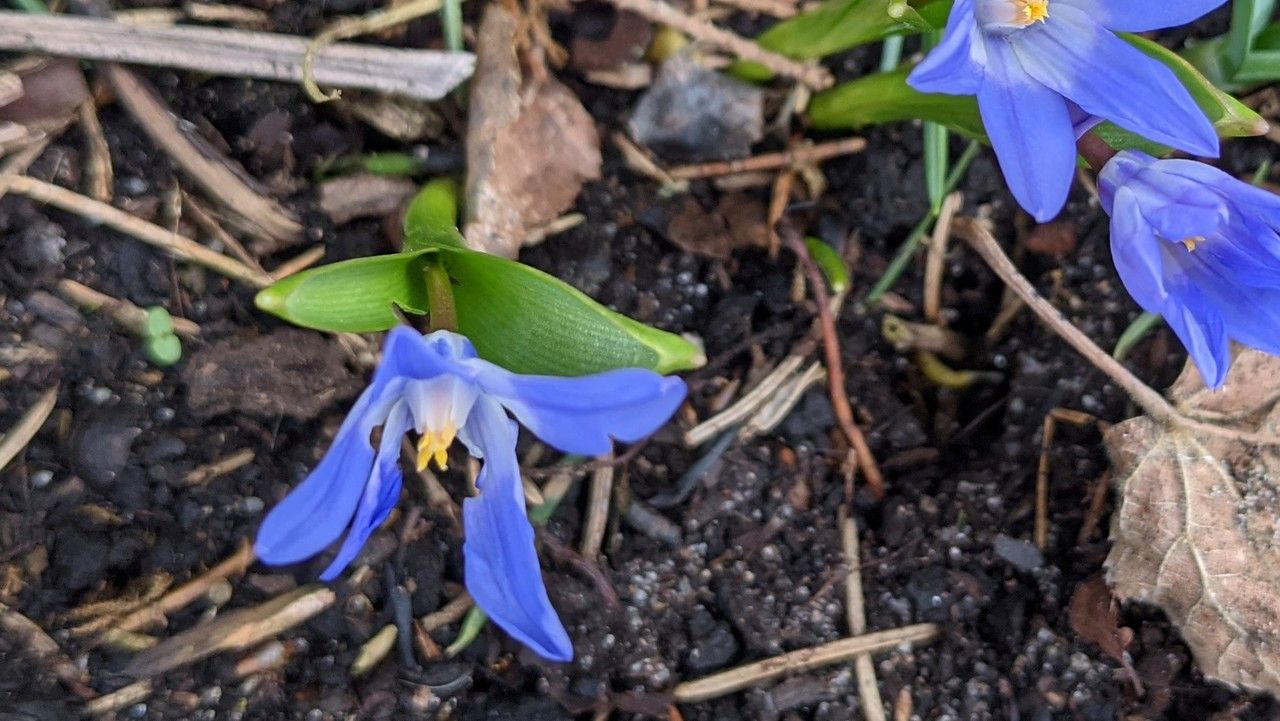
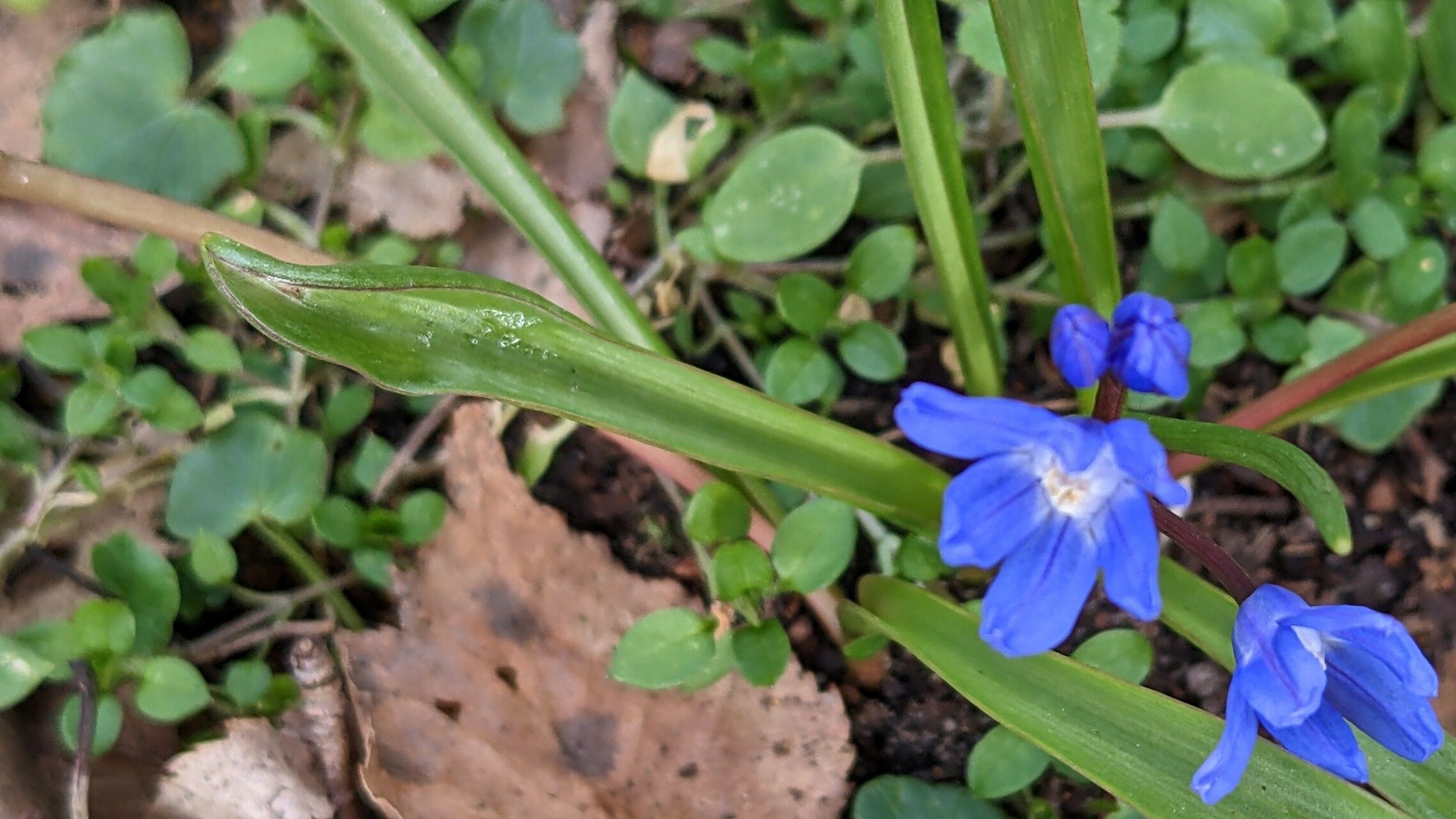
Scilla forbesii, known as Forbes' glory-of-the-snow, is a bulbous perennial plant from west Turkey flowering in early spring. It is considered synonymous with Scilla siehei, known as Siehe's glory-of-the-snow, by some sources, although others distinguish them. It belongs to a group of Scilla species that were formerly put in a separate genus, Chionodoxa, and may now be treated as Scilla sect. Chionodoxa. After flowering, it goes into dormancy until the next spring. It seeds readily to form colonies.
Glory of the snow is fairly resistant to disease and generally not highly susceptible to illnesses. Still, it can be affected by pests and diseases present in its environment, though these problems are typically not serious. As for upkeep, this plant needs a moderate level of care. It should be pruned regularly to preserve a neat appearance and encourage healthy growth. Providing fertilizer can also aid in boosting its flowering. Glory of the snow is well suited for anyone with an outdoor area, like a garden or patio, and does not demand extensive care experience. If grown indoors, it may need more attention.
How to keep Chionodoxa Forbesii.
Light
Glory of the snow thrives in abundant light for much of the day while tolerating stretches of weaker rays. Native to areas with extensive sun exposure, this plant prospers in such conditions. Excessive light may not harm it, but inadequate light can impede its growth and overall health.
Temperature
Glory of the snow is native to temperate regions and requires temperatures of 41 to 95 °F (5 to 35 °C). It prefers spring and does best then, so heat levels should be carefully monitored and adjusted during hot summer houses or cold winter months.
Fertilizer
The best time to fertilize a Glory of the snow is in early spring, as it comes out of dormancy and begins active growth. Fertilization supplies essential nutrients for healthy development. Although Glory of the snow has fairly low fertilization needs, applying fertilizer annually can improve its survival and encourage better, longer-lasting blooms.
Botanical profile.
- Plant Type
- Herb
- Life Cycle
- Perennial
- Genus
- Chionodoxa
- Family
- Asparagaceae
- Hardiness Zone
- 4-9
- Mature Height
- 15 cm to 30 cm
- Mature Spread
- 20 cm
- Leaf Color
- Green
- Leaf Type
- Deciduous
- Flower Color
- Blue
- Flower Size
- 2.54 cm
- Bloom Time
- Early spring, Mid spring
- Planting Time
- Spring, Summer
- Harvest Time
- Mid spring, Late spring
- Native Area
- Turkey
Other names.