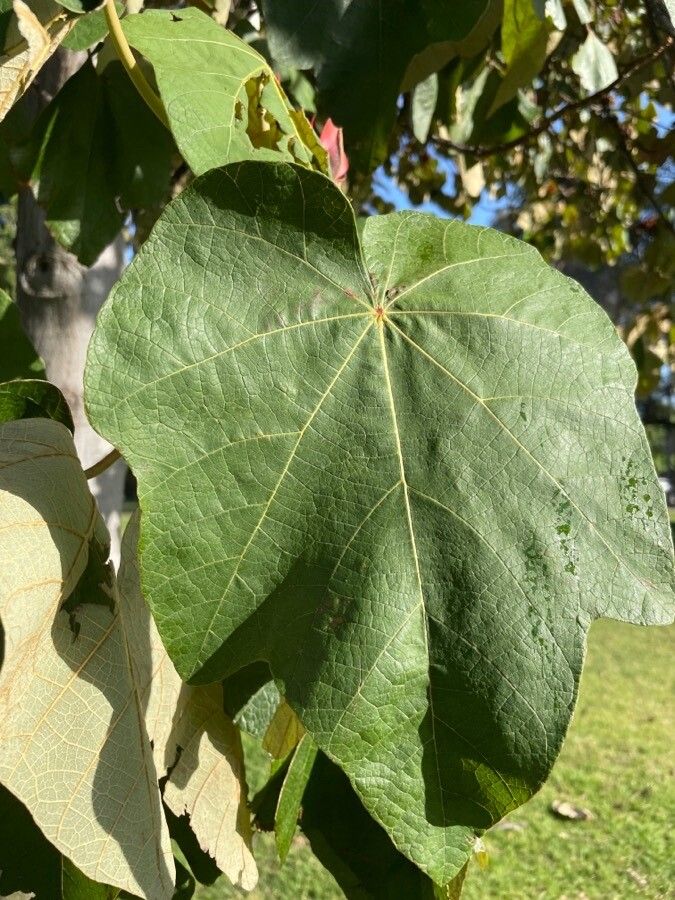
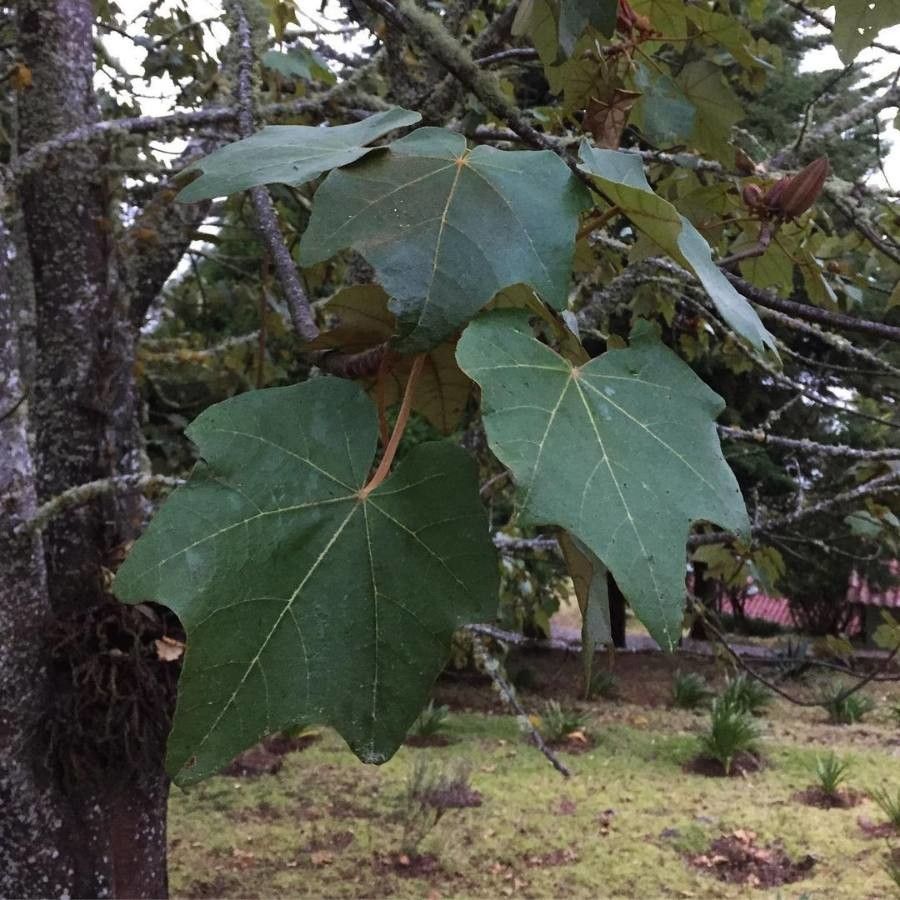
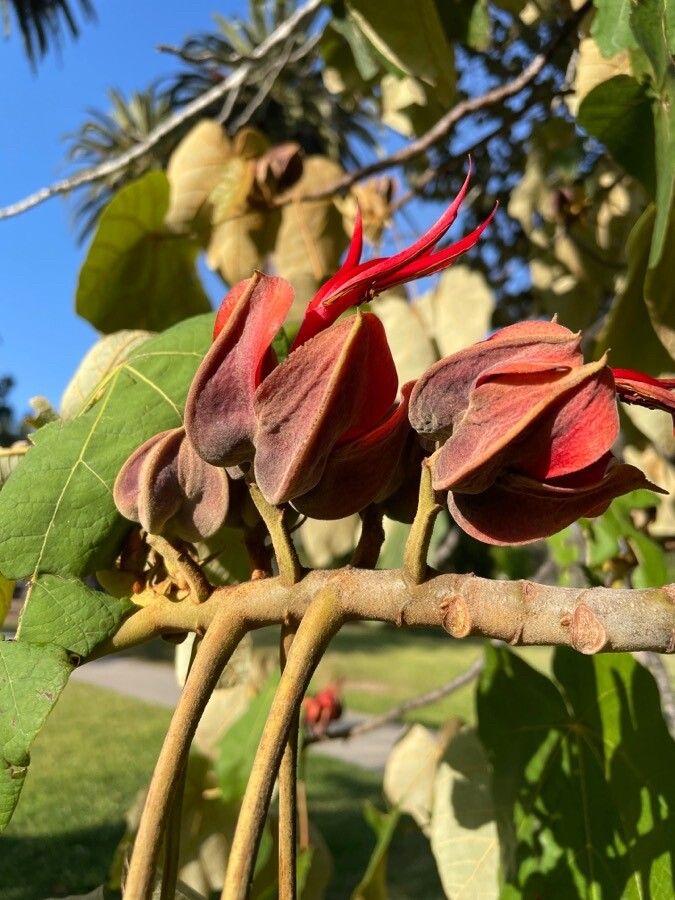
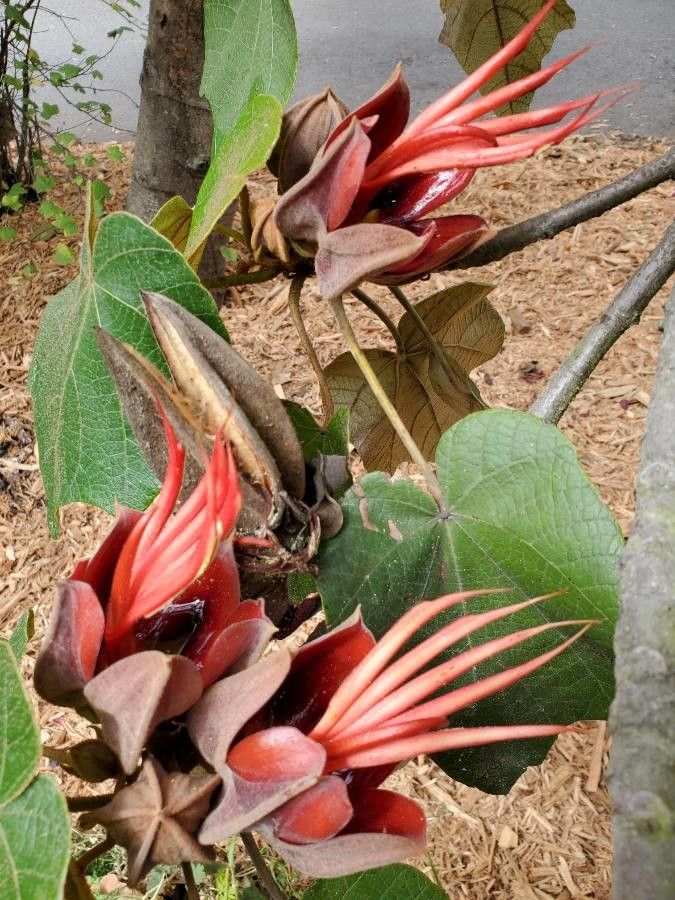
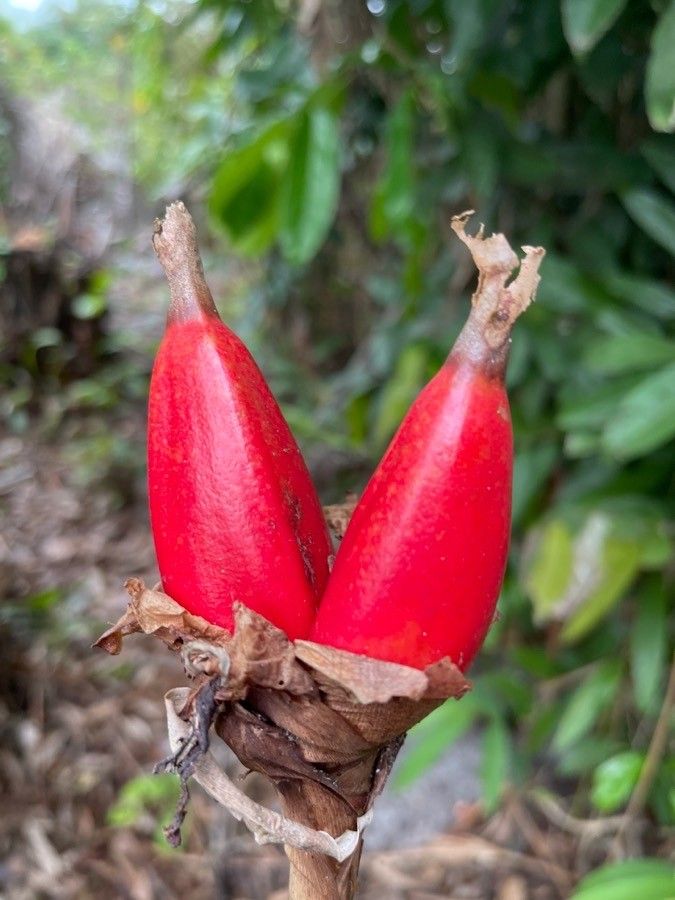
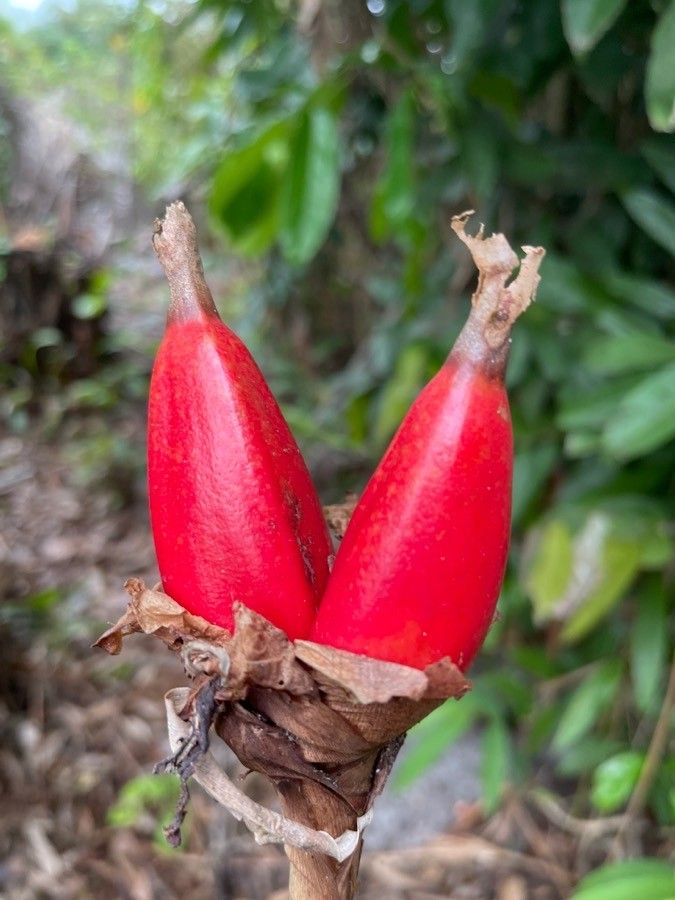
Chiranthodendron is a flowering plant genus in the family Malvaceae. It comprises a single species of tree, Chiranthodendron pentadactylon.
Mexican-hat-plant has strong disease resistance and is generally not susceptible to illnesses. In terms of care, this plant is fairly low-maintenance. When grown outdoors, it needs only minimal watering, and larger specimens usually do not require pruning. Smaller plants, however, should be pruned after they have bloomed. Mexican-hat-plantt is suitable for anyone who has an outdoor space, such as a garden or deck, and does not require much experience in plant care.
How to keep Chiranthodendron Pentadactylon.
Light
The mexican-hat-plant thrives in locations that receive unfiltered sunlight, using that light as nourishment for optimal growth. It prefers environments with abundant light, resembling a sun-soaked setting. A shortage of this light can stunt growth, while excessive light exposure may cause harm.
Water
The Mexican hat plant originates from high-altitude regions and thrives in well-draining, moist soil. It needs to be watered every 2-3 weeks, but is adaptable to variations in rainfall and periods of drought. This resilience makes it well-suited for temperate climates, where it can easily adjust to changes in natural water availability.
Temperature
The Mexican-hat-plant is native to areas where temperatures are usually 59 to 100.4°F (15 to 38°C). It does well within this range, and measures should be taken during extreme heat or cold, such as moving it to a sheltered location or giving it extra warmth.
Fertilizer
The timing of fertilizing the Mexican-hat-plant is important. Fertilize beginning in early spring and continue monthly through early summer. Fertilizer promotes attractive blooms and supplies energy during both dormant and active growth periods.
Pruning
The Mexican-hat-plant showcases uniquely hand-shaped flowers and evergreen leaves. For optimal growth and improved air circulation and flowering, prune the plant from early to late winter. Be sure to remove any dead branches, and use sharp, sanitized tools to prevent disease. Regular pruning helps manage the plant's size and promotes overall health.
Botanical profile.
- Plant Type
- Tree
- Life Cycle
- Perennial
- Genus
- Chiranthodendron
- Family
- Malvaceae
- Hardiness Zone
- 8-11
- Mature Height
- 10.36 m to 27.43 m
- Mature Spread
- 9.14 m to 11.89 m
- Leaf Color
- Green, Blue
- Leaf Type
- Evergreen
- Flower Color
- Red
- Flower Size
- 6.35 cm to 7.62 cm
- Bloom Time
- Spring, Summer
- Planting Time
- Spring, Summer, Autumn
- Harvest Time
- Summer, Fall
- Native Area
- Honduras, Mexico, Guatemala
Other names.
Reader questions.
What are the sunlight requirements for a Mexican-hat-plant?
The Mexican-hat-plant requires full sun, which means it needs above 6 hours of sunlight daily to thrive. It's important to observe how sunlight moves through your garden to ensure you choose spots that provide a good balance of light and shade. This balance is crucial for the plant's growth and happiness. The plant flourishes in areas bathed in unfiltered sunlight, where it can emulate its natural, sun-soaked environment. Insufficient light could stunt its growth, whereas too much light could cause harm.
What is the ideal temperature range for the Mexican-hat-plant?
The Mexican-hat-plant, or Chiranthodendron pentadactylon, thrives in climates where the temperatures typically range between 59 to 100.4°F (15 to 38°C). It adapts well within this temperature range, but during periods of extreme heat or cold, certain adjustments are necessary to maintain its health. For instance, if temperatures soar above or drop below this range, moving the plant to a more sheltered area or providing additional heat may be beneficial to ensure its survival and continued growth.
Can artificial lighting be used for Mexican-hat-plants, and how?
Yes, artificial lighting can be a vital solution for indoor Mexican-hat-plants, especially when natural sunlight is insufficient, such as in winter or less sunny spaces. LED lights are recommended because they can be customized to provide specific wavelengths needed by the plants. Full sun plants require 30-50W/sq ft of artificial light, partial sun plants need 20-30W/sq ft, and full shade plants need 10-20W/sq ft. The light source should be placed 12-36 inches above the plant to mimic natural sunlight, and most plants need 8-12 hours of light per day.
How does the Mexican-hat-plant handle cold temperatures?
The Mexican-hat-plant has some cold tolerance and usually does not require special care when temperatures are above -5°C. However, if temperatures are expected to fall below -5°C, it's important to take temporary measures to protect it from the cold. This might include wrapping the plant with materials like plastic film, fabric, or other insulating materials to safeguard it against freezing temperatures. Once the weather warms up, these protective measures should be removed to avoid any potential damage from trapped moisture or overheating.
What are the symptoms of inadequate light in Mexican-hat-plants?
Mexican-hat-plants show several symptoms when they don't receive enough light, including smaller new leaves, leggy or sparse growth, faster leaf drop, slowed or halted growth, lighter-colored new leaves, chlorosis (leaves turning yellow), sunscald, leaf curling, wilting, and leaf scorching. These symptoms indicate issues ranging from a lack of chlorophyll to damage caused by excessive sunlight exposure.
What should I do if my Mexican-hat-plant is affected by low temperatures?
If exposed to temperatures below its moderate tolerance level of 15°C, and especially under -10°C, the Mexican-hat-plant may exhibit signs of stress such as drooping leaves. Mild cases may see the plant recover, but severe cold can lead to leaves wilting and falling off. To help the plant recover from frost damage, trim off the frost-damaged parts. Before the plant faces low temperatures again, it's advisable to wrap it with non-woven fabric or cloth and establish a wind barrier to protect it from cold winds.
What are the solutions for Mexican-hat-plants not getting enough light?
If your Mexican-hat-plant is not getting enough light, you can gradually move it to a sunnier location, ensuring it receives at least 6 hours of direct sunlight daily. For indoor plants, use a south-facing window or consider artificial lighting options like desk or ceiling lamps, or professional grow lights, keeping them on for a minimum of 8 hours daily. Outdoors, gradually adjust the plant to more sunlight to avoid sunburn. If trees or other obstructions limit sunlight, consider pruning or transplanting to a brighter location. Remember, parts of the plant damaged by low light might not recover, but new growth should be healthy with improved light exposure.
How should I care for my Mexican-hat-plant during high temperatures?
In the summer when temperatures rise above the plant's preferred range, it's crucial to keep it below 38°C to avoid stress. Exposure to temperatures exceeding 43°C can cause the leaves to lighten in color, and tips may become dry and withered. The plant may also exhibit curled leaves and become more prone to sunburn. To mitigate these issues, remove sunburned and dried parts of the plant. Relocate the plant to a shaded area during the midday and afternoon sun, or use a shade cloth. Additionally, watering the plant in the morning and evening will help keep the soil consistently moist, aiding in its overall health and resistance to high temperatures.