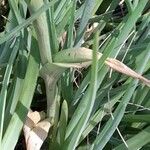
Chloraea membranacea
Care Guide
💧 Water
Chloraea membranacea thrives with adequate moisture, but it can tolerate some drought conditions. To keep the plant healthy, water it once a week during the summer and every 10 days in the fall and winter. It's important to maintain humidity around the plant by misting it regularly. Additionally, use water with a neutral pH by letting tap or rainwater sit for a while before using it on the plant.
☀️ Light Partial sun
Chloraea membranacea is native to habitats like forest understories and rocky areas, where it receives natural shade. It prefers partial sun but can grow in full sun or full shade, demonstrating its versatility and hardiness.
🌡️ Temperature 20–37.8°C
Chloraea membranacea can adjust to a broad range of temperatures, though its distribution may still be limited by various combinations of moisture and heat. It performs best in warm summer climates with adequate rainfall or irrigation. Extended periods of cloudy, rainy weather or prolonged high temperatures can increase the risk of the plant dying. In winter, appropriate protection from cold can improve its survival chances.
💨 Humidity
🪴 Soil 6-7
🌱 Fertilizer
The best time to fertilize a Chloraea membranacea is in early spring, as it comes out of dormancy and starts active growth. Fertilizer supplies essential nutrients for healthy growth. Although Chloraea membranacea has relatively low fertilizer needs, annual application can improve its survival and encourage better, longer-lasting flowers.
🪴 Pot & Repot
✂️ Pruning
To promote the healthy growth of Chloraea membranacea, it's best to prune the plant properly, ideally in early spring before new growth begins. Concentrate on removing dead stems and shaping the plant to improve airflow and increase sunlight exposure. Using clean, sharp tools will ensure effective cuts, which can encourage blooming and reduce the risk of disease.
🌿 Propagating
🐛 Diseases & pets
☠️ Toxicity
Characteristics
- Plant Type
- Herb
- Life Cycle
- Perennial
- Genus
- Chloraea
- Family
- Orchidaceae
- Hardiness Zone
- 9-11
- Mature Height
- 30 cm to 61 cm
- Mature Spread
- 20 cm to 30 cm
- Leaf Color
- Green
- Leaf Type
- Deciduous
- Flower Color
- White
- Flower Size
- 3.05 cm to 5.08 cm
- Bloom Time
- Winter
- Planting Time
- Spring, Summer
- Harvest Time
- Spring
- Native Area
- Brazil