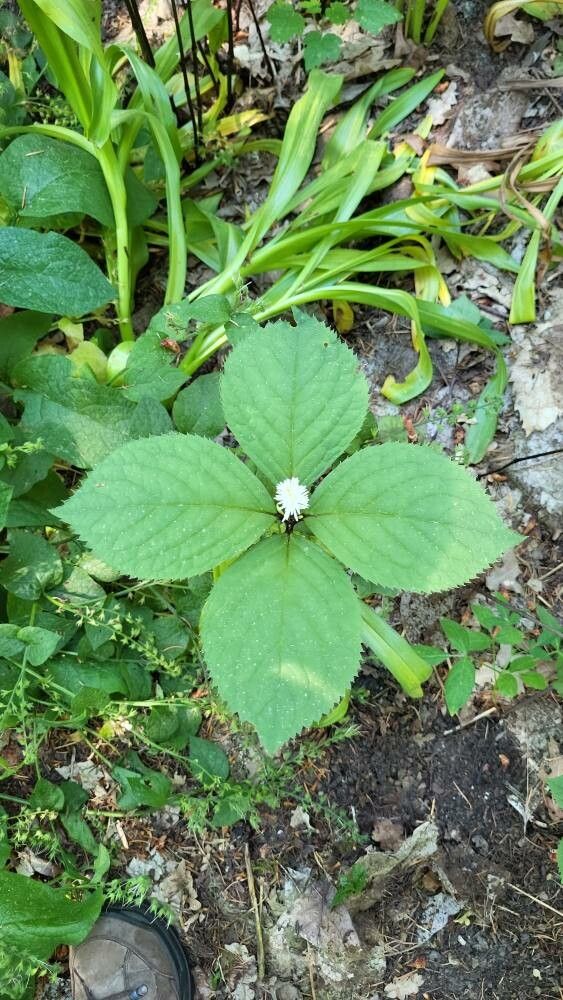
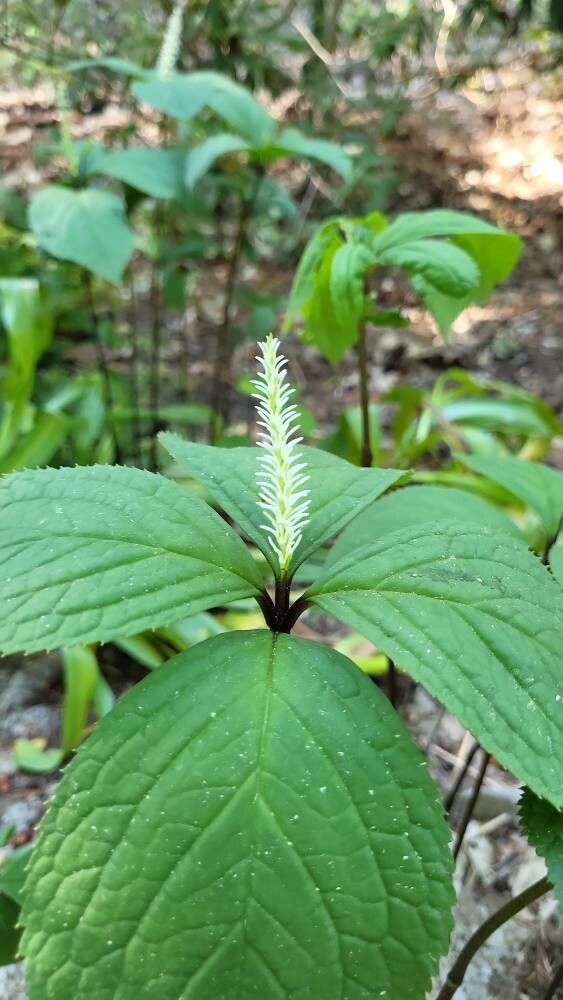
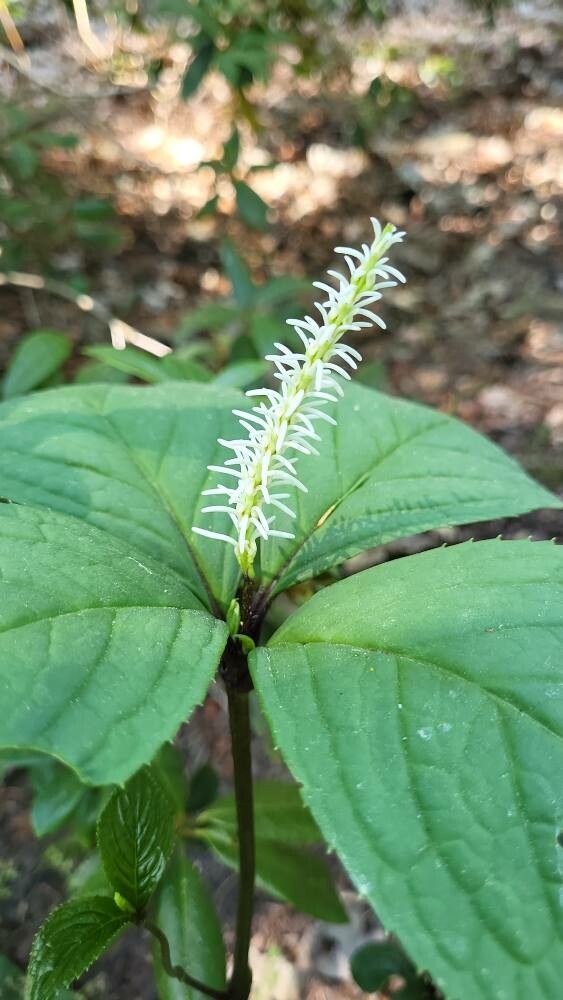
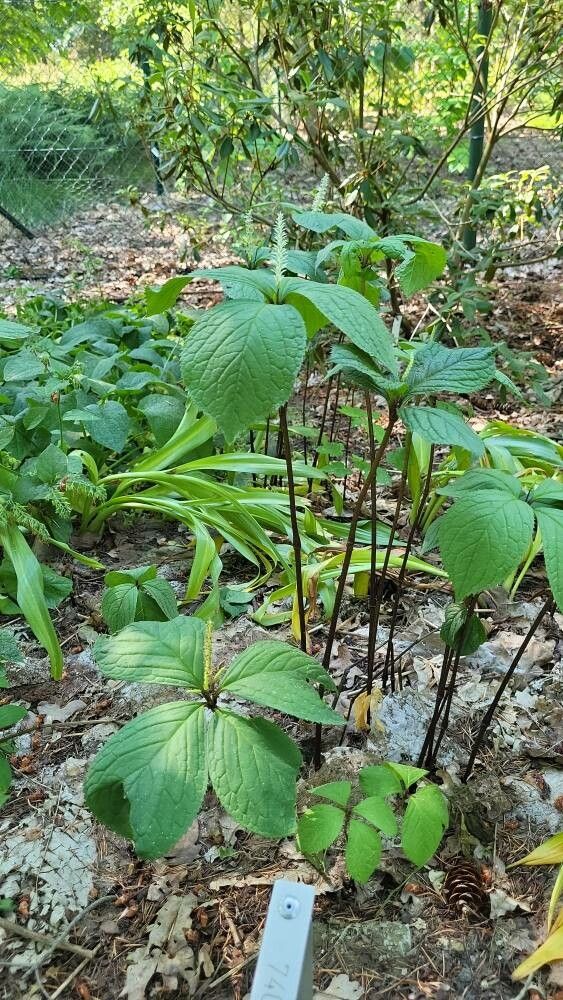
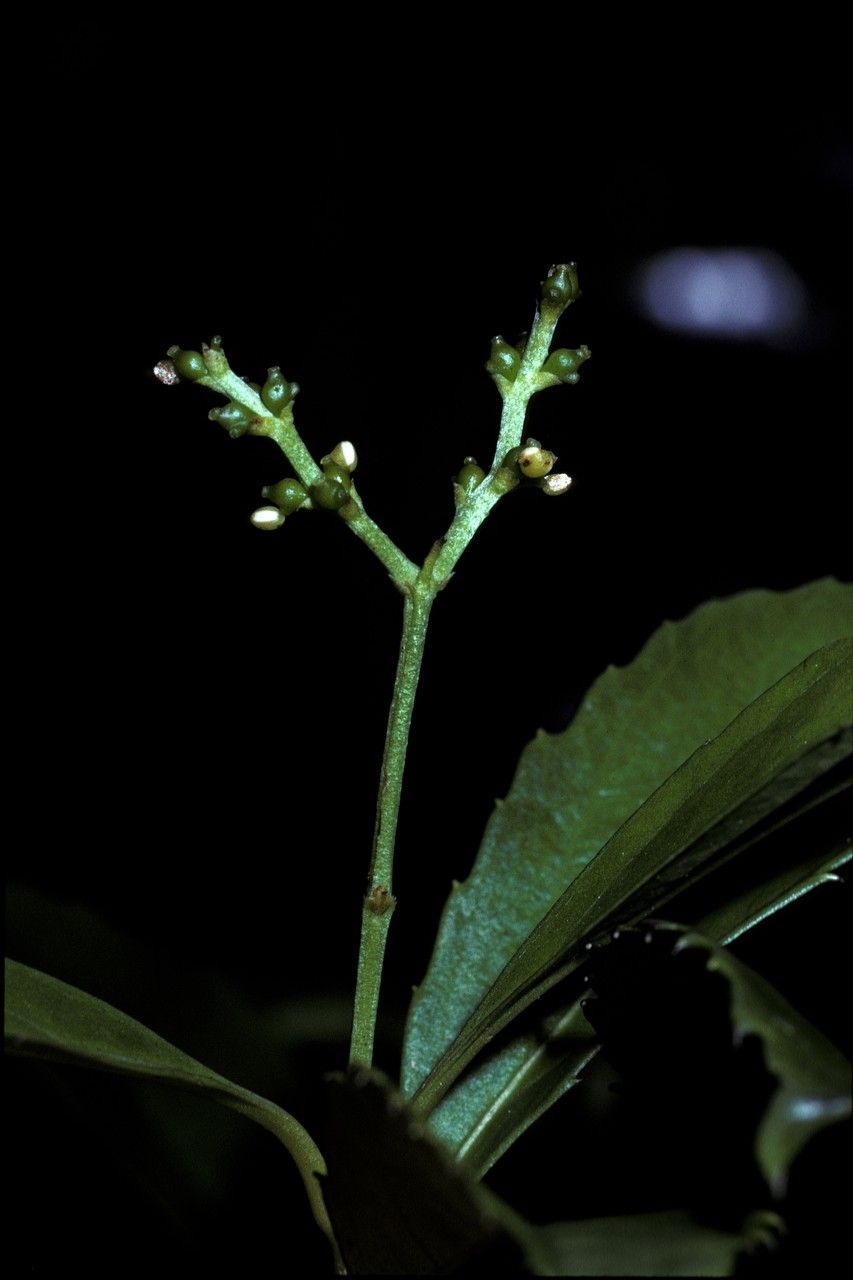
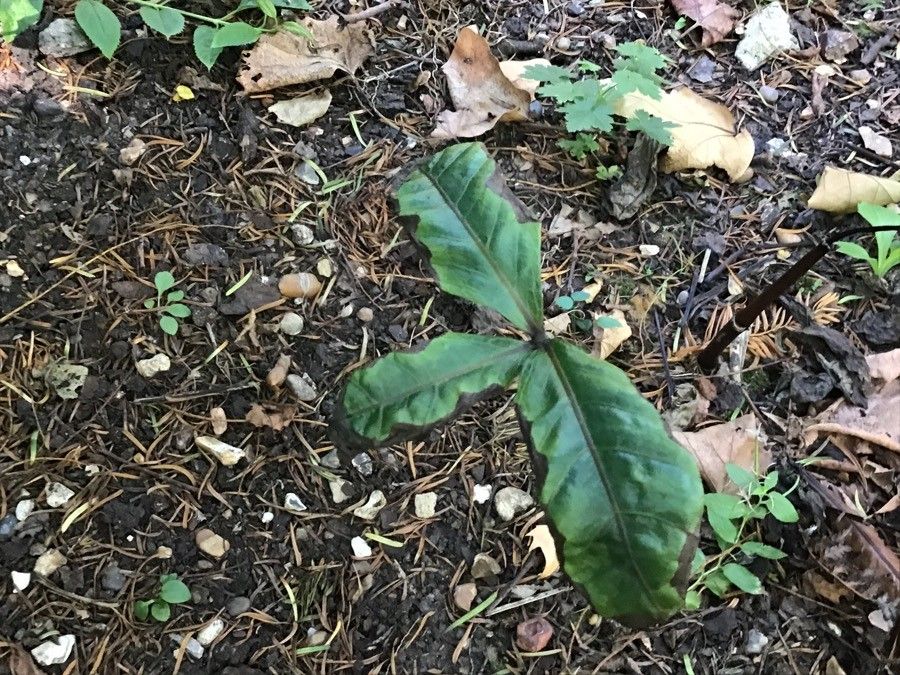
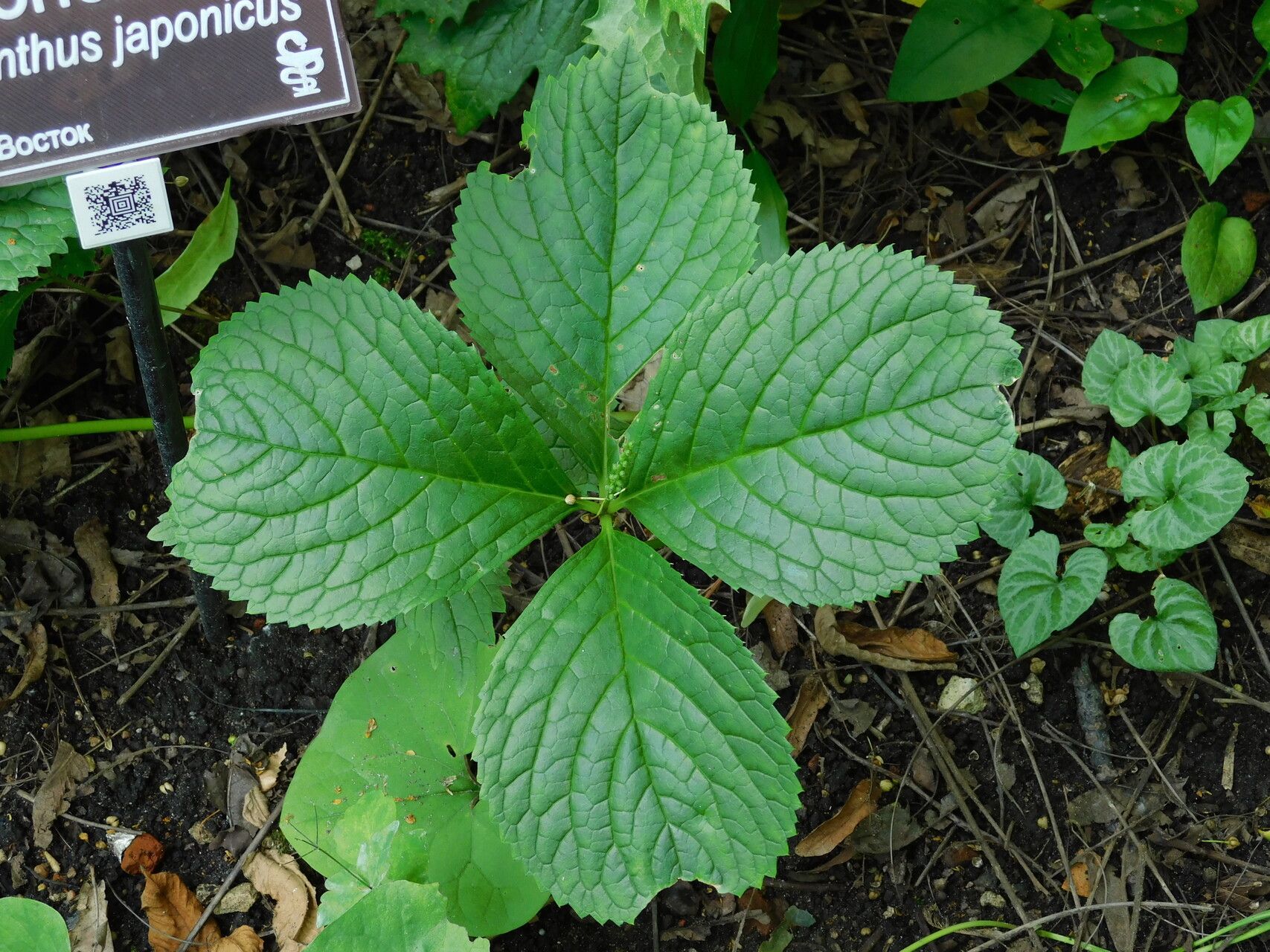
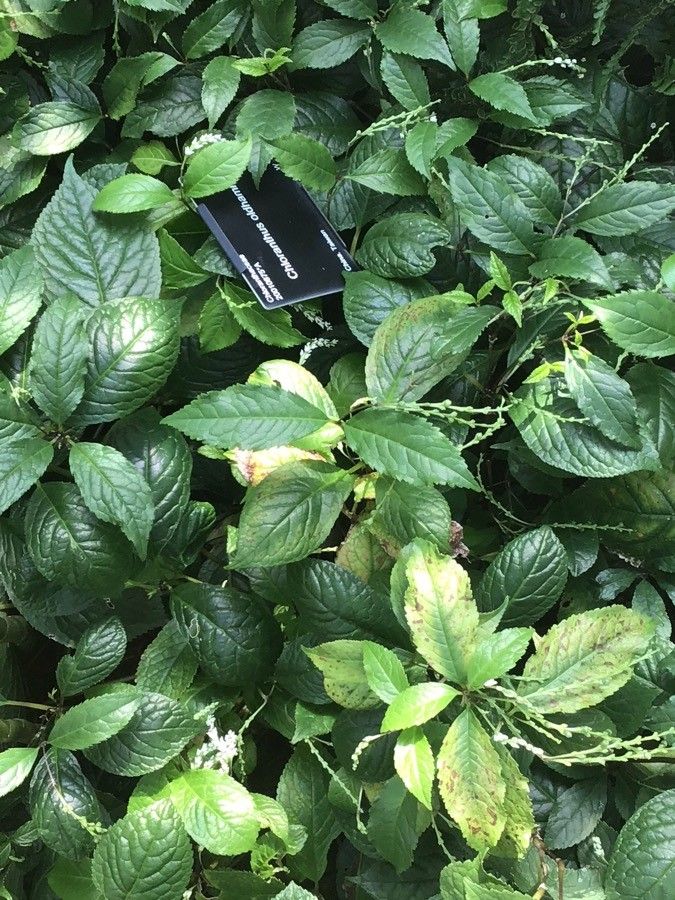
Henry's chloranthus is fairly resistant to disease and typically does not suffer from illnesses. However, it can be vulnerable to pests and diseases present in its environment. These issues are generally mild. For care, this plant requires moderate maintenance. It should be pruned regularly to keep a tidy appearance and support healthy growth. Fertilizing can also help encourage flowering. Henry's chloranthus is appropriate for someone with outdoor space, such as a garden or patio, and does not demand extensive care experience. It may need more attention when grown indoors.
How to keep Chloranthus Henryi.
Light
Henry's chloranthus is native to habitats such as forest understories and rocky areas, where it occurs in natural shade. It prefers partial sun but can also tolerate full sun or full shade, demonstrating its adaptable and hardy nature.
Water
Henry's chloranthus thrives in moist environments and requires consistent hydration for optimal growth. It should be watered regularly, about once a week. Although it has moderate drought tolerance, it needs careful watering during the growing season to ensure the best results. As an evergreen plant, Henry's chloranthus maintains lush foliage throughout the year, which means it's important to keep moisture levels stable.
Temperature
Henry's chloranthus originates from mild environments and requires temperatures between 50 and 95°F (10 to 35℃). It does best in these moderate conditions year-round. During extreme seasonal weather, temperature adjustments may be necessary.
Fertilizer
One fertilizer application in spring is generally enough for Henry's chloranthus, though multiple feedings can maximize its growth. Feed about once every month to six weeks. Fertilizing improves the leaves' appearance and function, helping preserve uniform color and a healthy texture. It also encourages root development and enhances nutrient uptake for the plant's long-term health.
Pruning
Henry's chloranthus is known for its distinctive foliage and particular growth pattern. To encourage healthy growth, it should be pruned from early to late spring, with attention given to removing any dead stems. Be sure to clean your tools to prevent the spread of disease, and avoid over-pruning to help the plant maintain its vigor and appealing shape.
Botanical profile.
- Plant Type
- Herb
- Life Cycle
- Perennial
- Genus
- Chloranthus
- Family
- Chloranthaceae
- Hardiness Zone
- 6-9
- Mature Height
- 61 cm
- Mature Spread
- 20 cm to 40 cm
- Leaf Color
- Forest Green, Dark Green
- Leaf Type
- Evergreen
- Flower Color
- White
- Flower Size
- 10.16 cm to 15.24 cm
- Bloom Time
- Mid spring, Late spring
- Planting Time
- Spring, Summer, Autumn
- Harvest Time
- Mid summer, Late summer
- Native Area
- Philippines, China