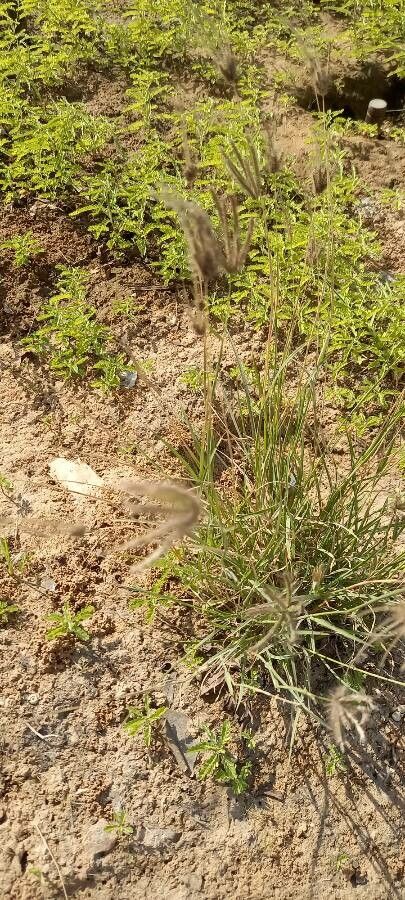
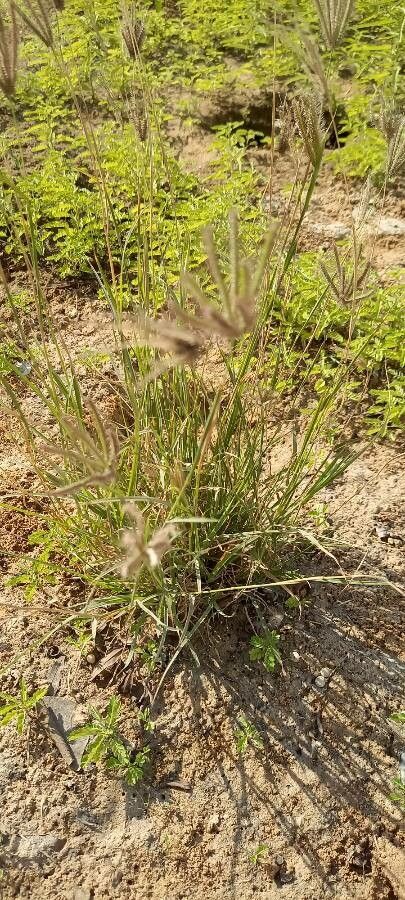
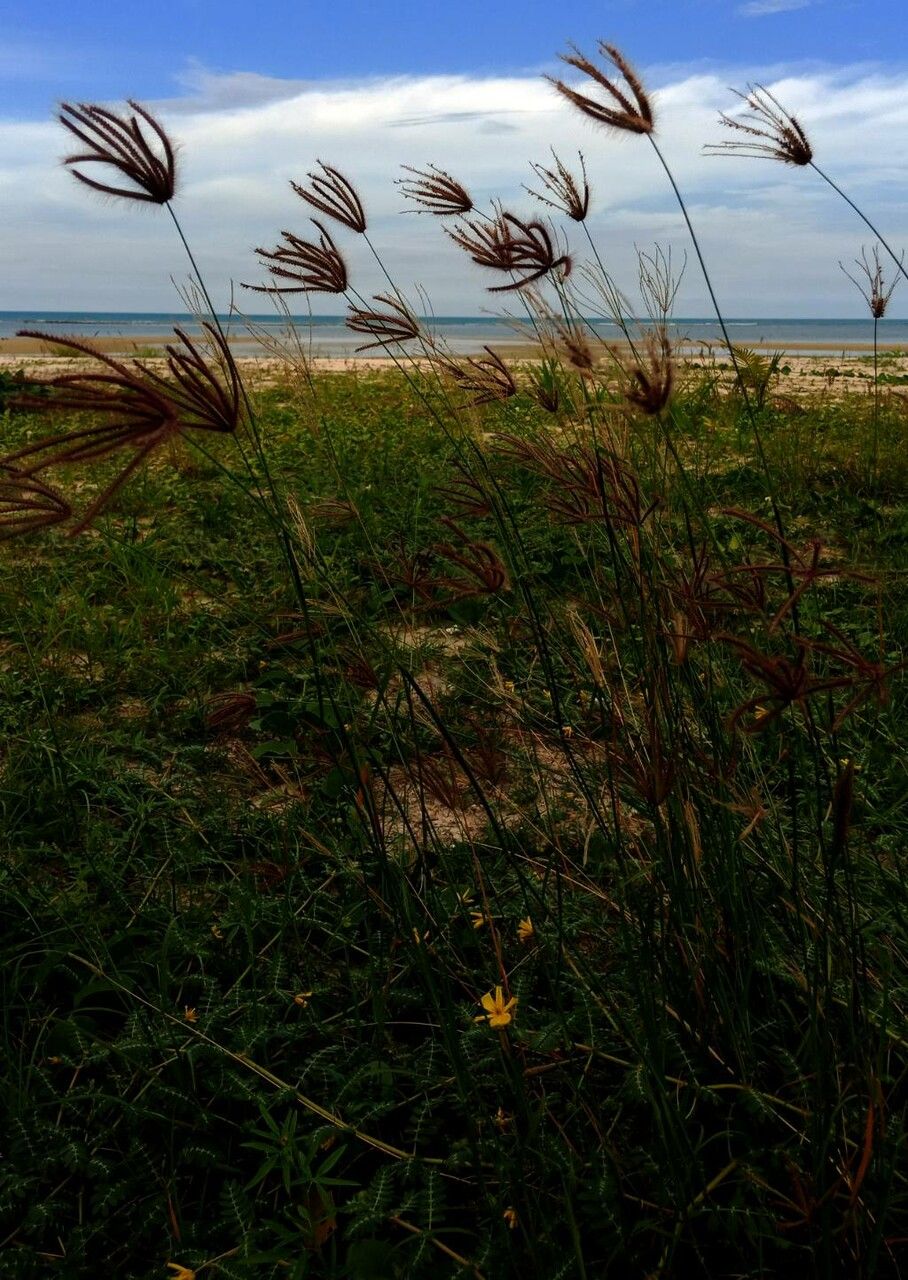
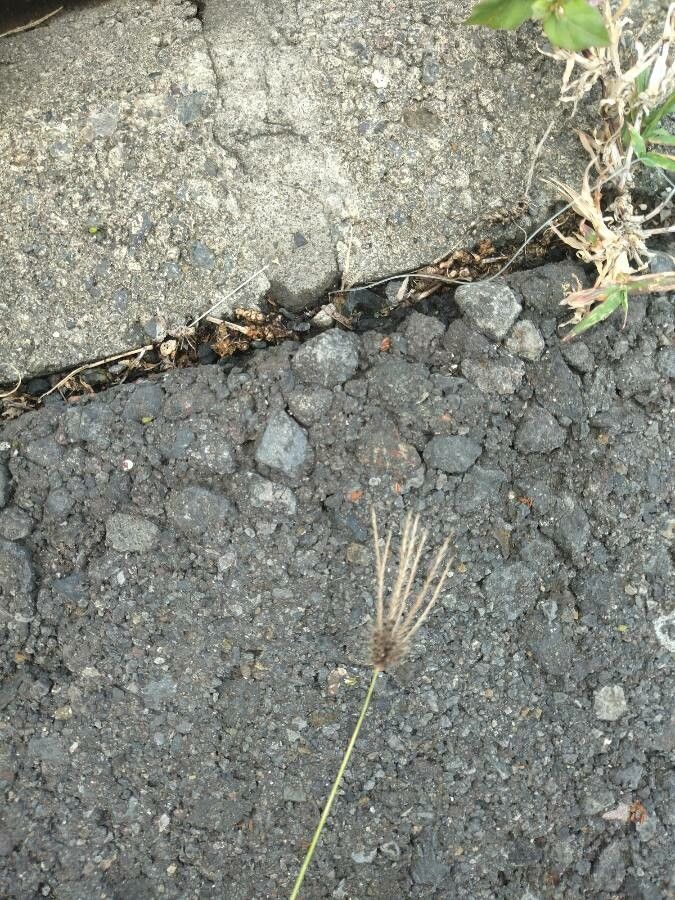
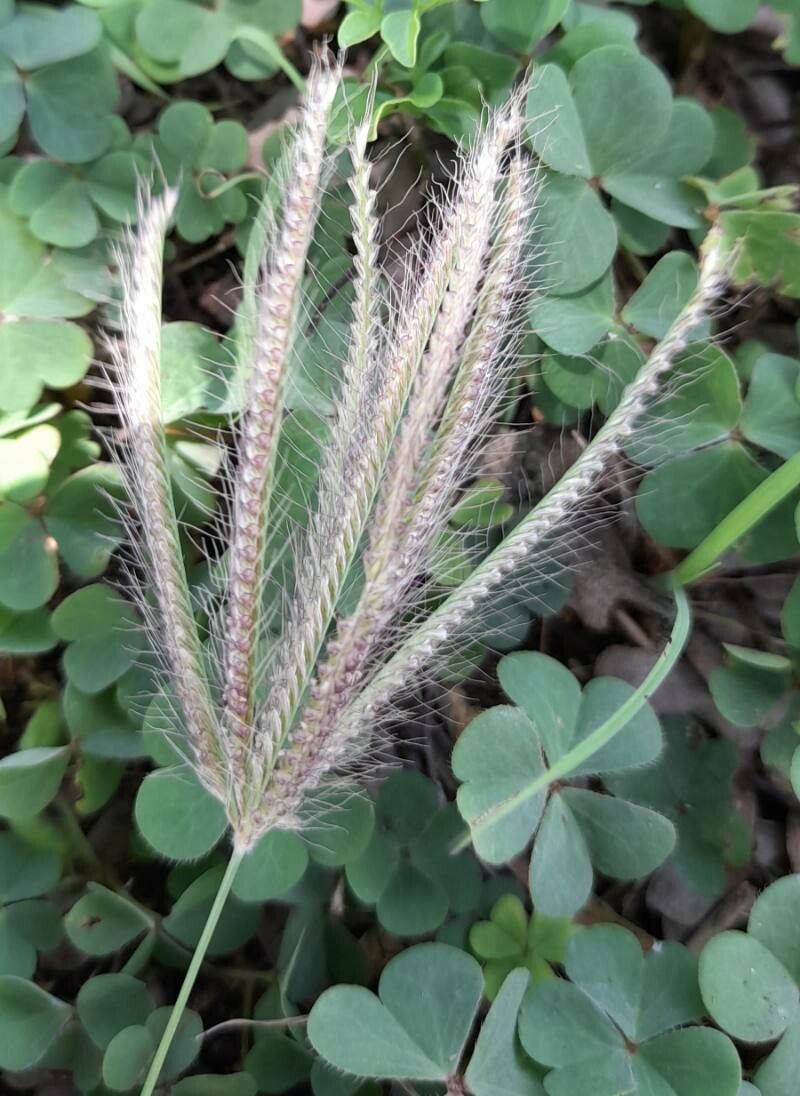
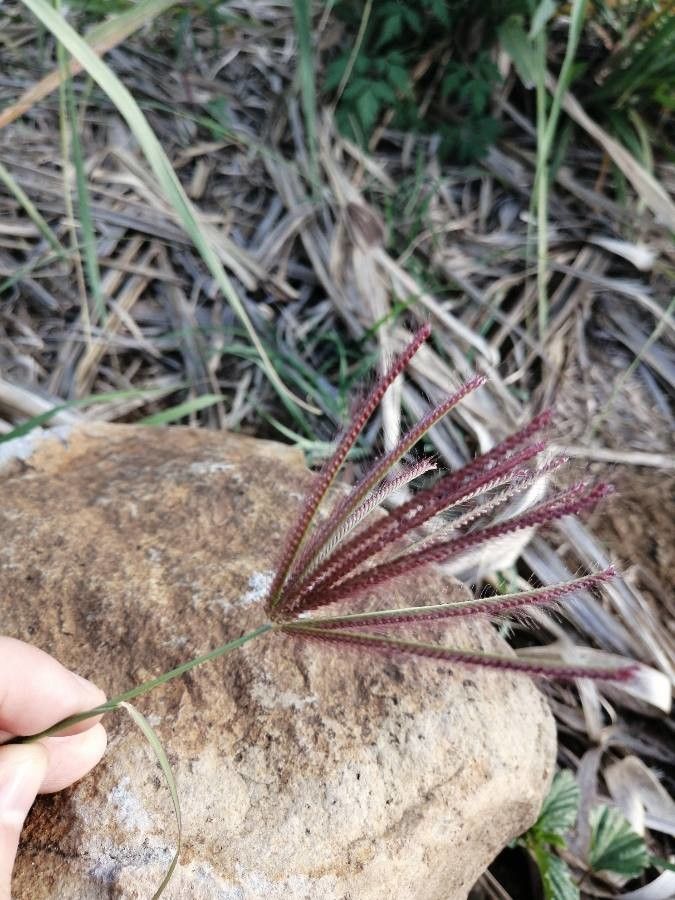
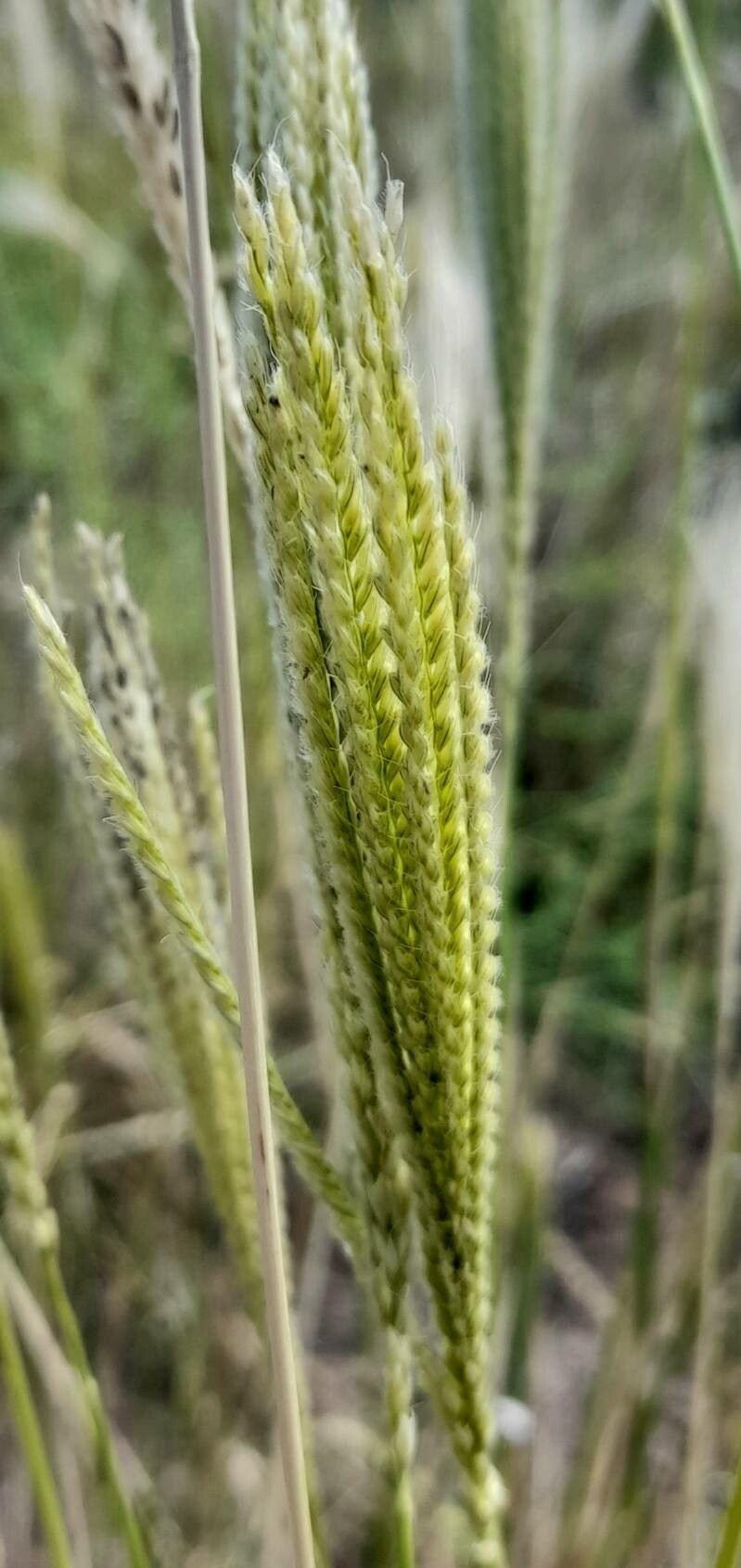
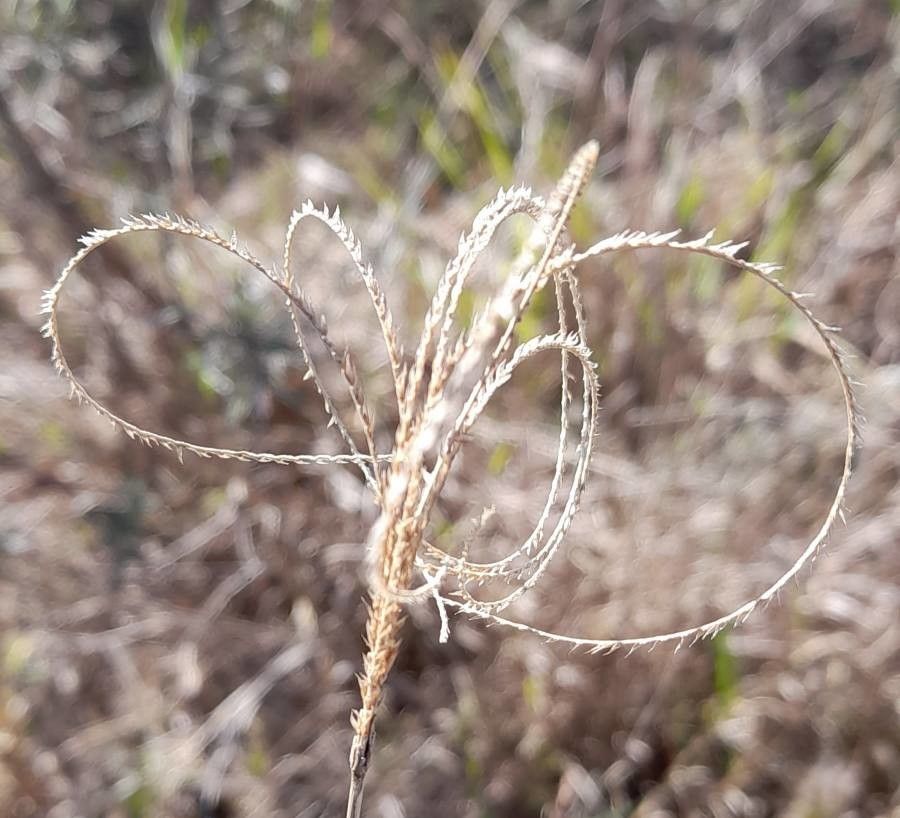
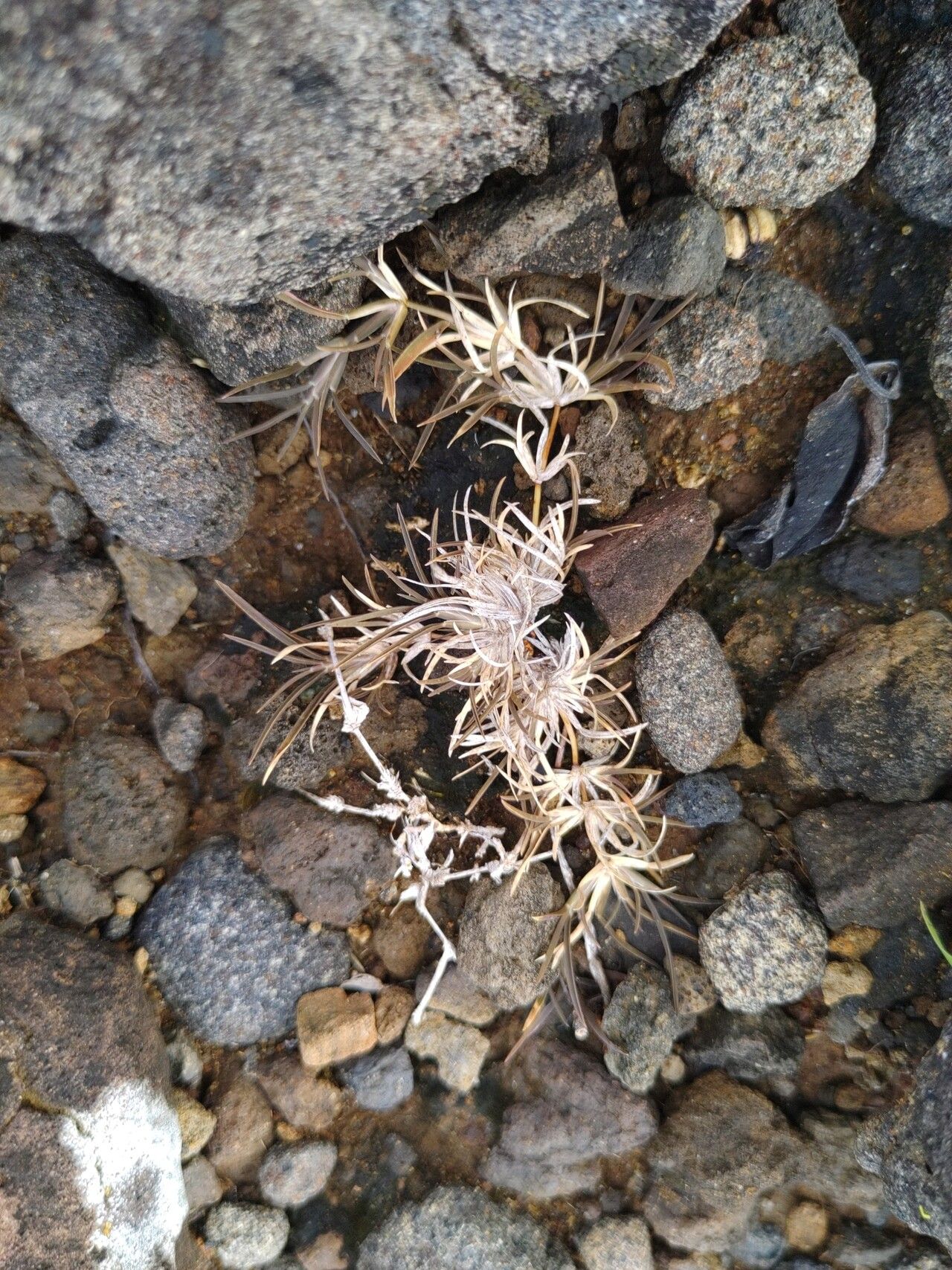
Chloris barbata (syn. Chloris inflata), the swollen fingergrass or purpletop chloris, is a widespread species of flowering plant in the grass family Poaceae. It is native to drier parts of the Old World tropics and sub-tropics, and it has been introduced to the southern US, most of Latin America and the Caribbean, many tropical islands, and Australia. It is considered an invasive weed species and is host to a number of serious agricultural pest species.
Swollen fingergrass shows strong resistance to disease and is typically not susceptible to illnesses. With respect to care, this plant is fairly low-maintenance. When grown outdoors it needs only light watering, and larger specimens usually do not require pruning; smaller plants, however, should be trimmed after they finish blooming. Swollen fingergrasst is a good choice for anyone who has an outdoor area, such as a garden or deck, and it does not demand much prior plant-care experience.
How to keep Chloris Barbata.
Light
The growth of swollen fingergrass flourishes when it receives an abundant amount of light during the day without any filters. As it hails from habitats abundant in sunlight, these conditions are essential for its healthy growth. Restrained exposure to light or overexposure could detrimentally impact the plant's growth and progress.
Water
Swollen fingergrass thrives in tropical climates, where it prefers high humidity and regular rainfall. It requires consistent moisture and should be watered weekly, though it can tolerate short periods of dryness. While versatile, this plant grows best outdoors, where it can benefit from natural rainfall and maintain evenly moist soil throughout the growing season.
Temperature
The plant, swollen fingergrass, is originally cultivated in environments with temperatures between 68 and 95 °F (20 to 35 ℃). It thrives in such moderate to warm weather. Alterations in seasonal temperature may be required based on the local climatic conditions.
Pruning
Swollen fingergrass flourishes in sunny locations and features distinctive finger-like inflorescences. To promote healthy growth, enhance air circulation, and remove any damaged stems, it is best to prune in both early and late spring. Regular pruning helps maintain the plant's shape, reduces the risk of disease, and encourages flowering. Be sure to follow local guidelines for care that is specific to your climate.
Botanical profile.
- Plant Type
- Grass
- Life Cycle
- Annual
- Genus
- Chloris
- Family
- Poaceae
- Hardiness Zone
- 9
- Mature Height
- 20 cm to 76 cm
- Mature Spread
- 20 cm to 40 cm
- Leaf Color
- Green
- Leaf Type
- Semi-evergreen
- Flower Color
- Purple
- Flower Size
- 0.05 cm to 0.10 cm
- Bloom Time
- Summer, Early fall, Mid fall
- Planting Time
- Spring, Summer, Autumn
- Harvest Time
- Mid summer, Late summer, Fall
- Native Area
- Saudi Arabia, Belize, Honduras, Mexico, Peru, Jamaica, Colombia, Bahamas, Myanmar, Venezuela, Guyana, Brazil, Nicaragua, Ecuador, Costa Rica
Other names.
Reader questions.
What should I do if I give too much or too little water to my Swollen fingergrass?
If not watered properly, this beautiful ornamental grass won't perform well. When planted in the ground, watering issues can be resolved, but in a container, too much or too little water will quickly kill Swollen fingergrass. Insufficient watering can cause the grass to stop growing, while overwatering can result in yellow leaves with brown tips. Underwatering may cause drooping leaves, weak seed head production, and browned leaves. If you suspect improper watering, first determine if it's excess or insufficient water. In cases of excess water, stop watering immediately and allow the soil to dry out, which can take weeks. Once new growth appears, test the soil for moisture and decide whether more water is necessary. If the grass is receiving too little water, simply water deeply and observe if it shows improvement. Keep in mind that a long, deep watering is better than frequent shallow waterings because it encourages deep root growth, making the grass more drought resistant and less susceptible to watering issues.
What are the sunlight requirements for Swollen fingergrass?
Swollen fingergrass, scientifically known as Chloris barbata, thrives under full sun conditions, requiring more than 6 hours of direct sunlight daily for optimal growth. It's important to observe your garden's sunlight patterns to ensure plants are placed where they get a balanced exposure of light and shade, guaranteeing their well-being. In its natural habitat, Swollen fingergrass is accustomed to an abundance of sunshine throughout the day, and limiting or providing excessive exposure can negatively impact its growth and development.
What temperature is best for Swollen fingergrass?
Plants are affected by colder temperatures because their temperature matches the air around them. When plants are exposed to the sun, they can warm up, but this doesn't happen in winter. The preferred temperature range for the Swollen fingergrass is between 70-85℉ (21-30℃). They can tolerate temperatures as low as 20-30℉ (-6-0℃), and maybe even 15℉ (-10℃), but extended exposure to such cold temperatures can cause frost damage. To ensure the plants thrive, it is important to keep the maximum temperature within the range of 70-85℉ (21-30℃). Additionally, remember to occasionally water them and provide some shade to prevent wilting.
How frequently do I need to water my Swollen fingergrass?
The watering needs of Swollen fingergrass depend on its planting location. Generally, watering this grass once a week is sufficient. However, in hot climates during summer, watering once or twice a week may be necessary. In moderate climates, watering every seven days or more may be enough. Grass in containers usually require more frequent watering than those planted in the ground. Additionally, the location of the grass, whether in full sun or part shade, affects its water needs. Shaded grasses require less frequent watering than those planted in the ground. To determine when to water Swollen fingergrass, check if the soil is dry by pressing your finger a couple of inches into the soil. For potted grass, you can weigh the grass or feel the pot's weight to assess its need for water. Insufficient watering may cause folded and thin blades. Despite its drought tolerance, regular, deep waterings will ensure vibrant color. In its natural habitat, Swollen fingergrass grows in open scrubland exposed to extreme heat, bright sun, and intermittent rain. Although drought-resistant, this grass still needs care and attention. Consistent watering is recommended for its optimal growth. When first planted, it requires more frequent watering until its roots establish. For potted Swollen fingergrass, the soil dries out quickly, especially in direct sun. Test the soil every 3 to 4 days and water when it feels dry. In-ground Swollen fingergrass generally needs less watering, but it depends on the soil type. Clay soil retains moisture underground even when the surface feels dry, while sandy soil drains quickly and requires more frequent watering.
How can artificial lighting be used for Swollen fingergrass indoors?
When natural sunlight is insufficient, especially during winter or in less sunny spaces, artificial lighting becomes a crucial alternative for growing Swollen fingergrass indoors. Optimal growth is achieved with proper artificial light source placement, which includes selecting the right type of light, such as LED lights that provide specific wavelengths needed by the plant. Full sun plants require 30-50W/sq ft, partial sun plants need 20-30W/sq ft, and full shade plants need 10-20W/sq ft of artificial light. The light source should be positioned 12-36 inches above the plant, mimicking the natural sunlight's intensity, and it should remain on for 8-12 hours per day to simulate natural daylight hours.
Should I change the temperature for Swollen fingergrass at different stages of growth?
Before growing Swollen fingergrass, it's important to conduct research and ensure the temperature is appropriate. Some growers may opt to lower the plants' thermostats during the growing season in order to save on HVAC costs. However, it's crucial to understand that temperature can impact the plants' flowering, pest management, and overall quality. There is a specific temperature threshold at which Swollen fingergrass will cease growing, which tends to occur during winter when certain species may go dormant. As the season changes and the base temperature increases, Swollen fingergrass will grow at a faster rate. Species naturally found in warm habitats have higher optimum temperatures compared to those thriving in cooler climates. Exposing Swollen fingergrass seeds to cool temperatures can lead to decreased uniformity and delays. It may be beneficial to lower the temperature specifically during flowering but not during other growth phases. Additionally, cooler nighttime temperatures will require less water, so irrigation should be adjusted accordingly.
What precautions should I take when watering my Swollen fingergrass in different seasons, climates, or during different periods of growth?
To determine if you are watering enough, observe the rate of growth of your grass. Swollen fingergrass grows rapidly during the hottest months, often doubling in size within a year. If the weather is hot but the grass is not growing vigorously, adjust your watering schedule. In winter, you may only need to water once a month, but still check the soil for moisture. During the grass's growth cycle in the warmest months, it requires more water than usual. However, water needs are greatly reduced during winter and cooler months. Remember that it is crucial to let the soil dry out completely before adding water to Swollen fingergrass.
What symptoms indicate insufficient or excessive light exposure in Swollen fingergrass?
Symptoms of insufficient light in Swollen fingergrass include small, mature leaves, leggy or sparse growth, accelerated leaf drop, halted new growth, and pale new leaves. Excessive sunlight can lead to chlorosis, where leaves lose their green color and turn yellow, sunscald characterized by damaged leaves or stems, leaf curling as a defense mechanism against too much sun, wilting due to increased transpiration, and leaf scorching seen as brown, dry patches. These symptoms indicate that the plant is not receiving the ideal light conditions for its health.
How can I keep Swollen fingergrass warm during cold seasons?
To help the plant adapt to colder temperatures, stop adding fertilizer so that new growth does not occur and the existing foliage becomes more resilient. To protect the plant from the cold, consider constructing structures such as cages or trellises around it. Another option is to use heat mats to gently warm the soil, which will help maintain the optimal temperature range for the plant.
What are some solutions for light-related issues in Swollen fingergrass?
To address insufficient sunlight, gradually move Swollen fingergrass to locations receiving at least 6 hours of direct sunlight daily, ensuring a south-facing window for indoor plants and keeping curtains open. Artificial lighting, such as LEDs, can supplement light for larger or less mobile plants. Outdoor plants should be moved to sunnier spots gradually to prevent sunburn. Pruning obstructing branches and transplanting plants during their dormant season can also enhance sunlight exposure. It's important to note that parts of the plant damaged by insufficient sunlight may not recover, but new growth should be healthy once proper light conditions are met.
How can I protect Swollen fingergrass from being harmed by temperature?
To protect the Swollen fingergrass from frost during winter, cover it using items like cloths, tarps, burlaps, sheets, or plastic buckets. Keep these covers weighted down, so they act as insulators and don't get blown away by the wind. However, be careful that plastic sheets or burlap covers do not touch any part of the fruit or foliage, as cold temperatures can transfer and cause burns. When the temperatures rise during the daytime, remove the covers.
Do I need to change the temperature for Swollen fingergrass during different seasons?
When growing Swollen fingergrass in spring, it is important to increase humidity because the air temperature is cooler during this time. Dry temperatures can be stressful for many species, so increasing humidity can be beneficial. In the summer, the greenhouse cover and warm temperature will naturally result in higher humidity levels. However, excessive condensation on the greenhouse walls can lead to issues with pollination and infections when the water falls on the leaves. It is important to make adjustments based on the temperature and consider spraying during hotter days of the year.