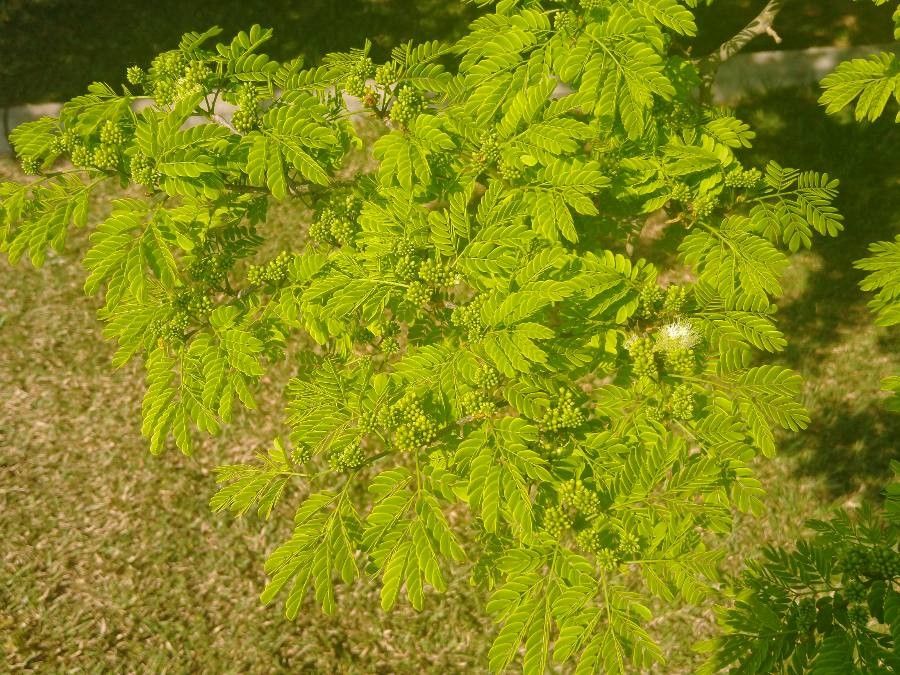
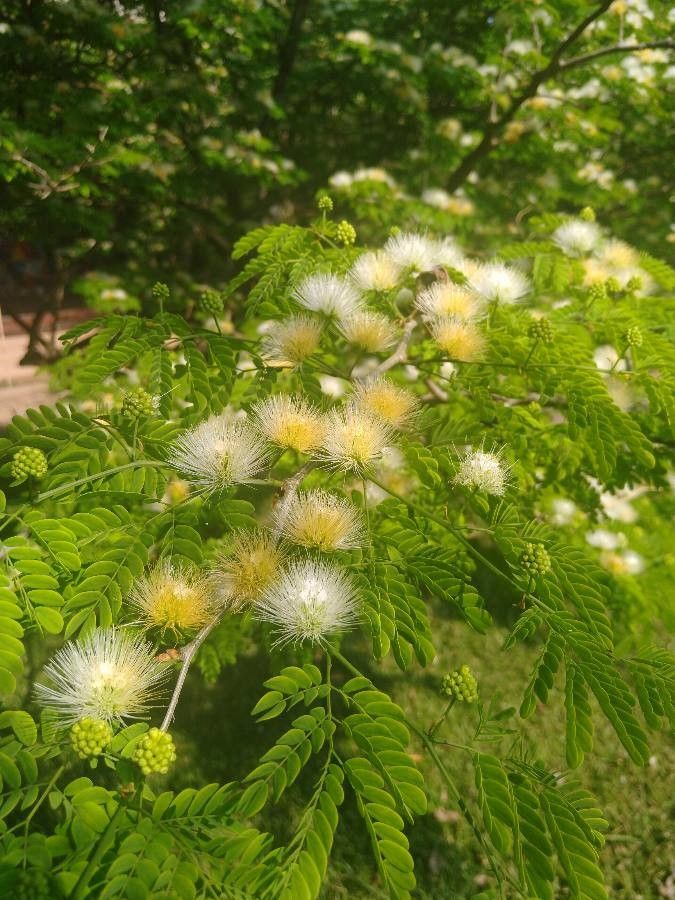
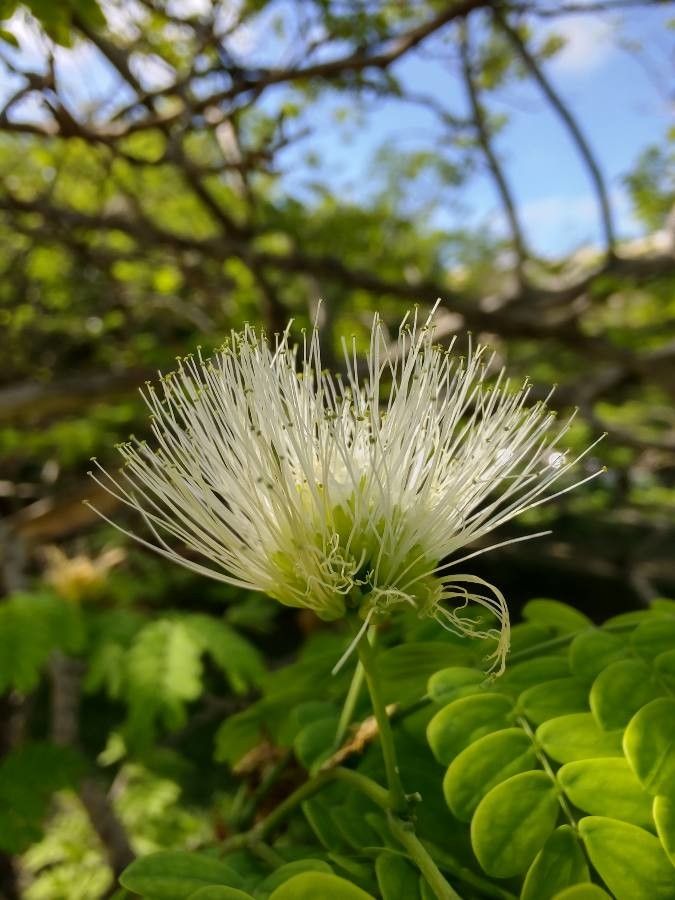
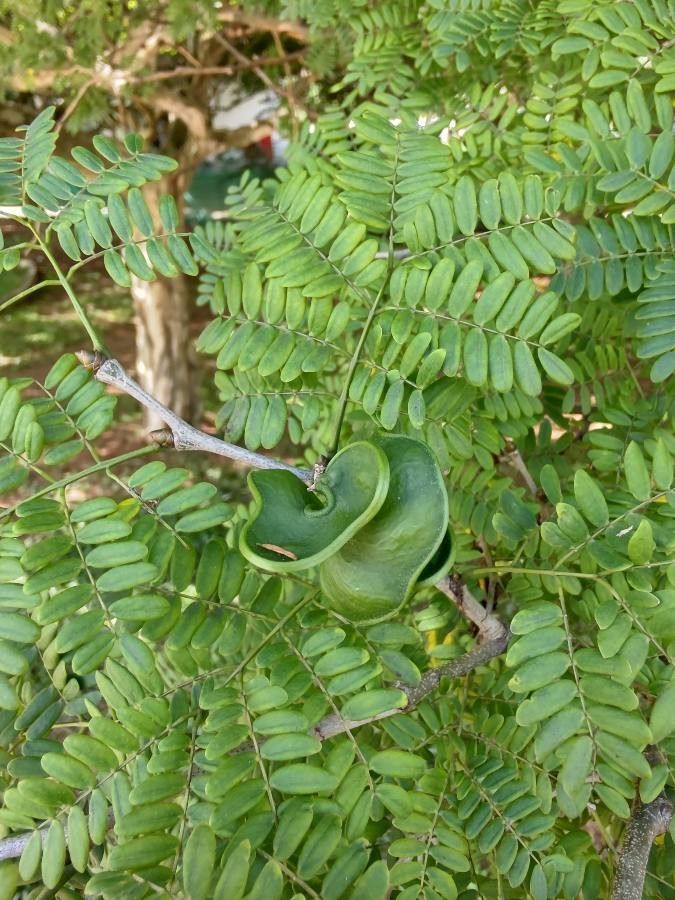
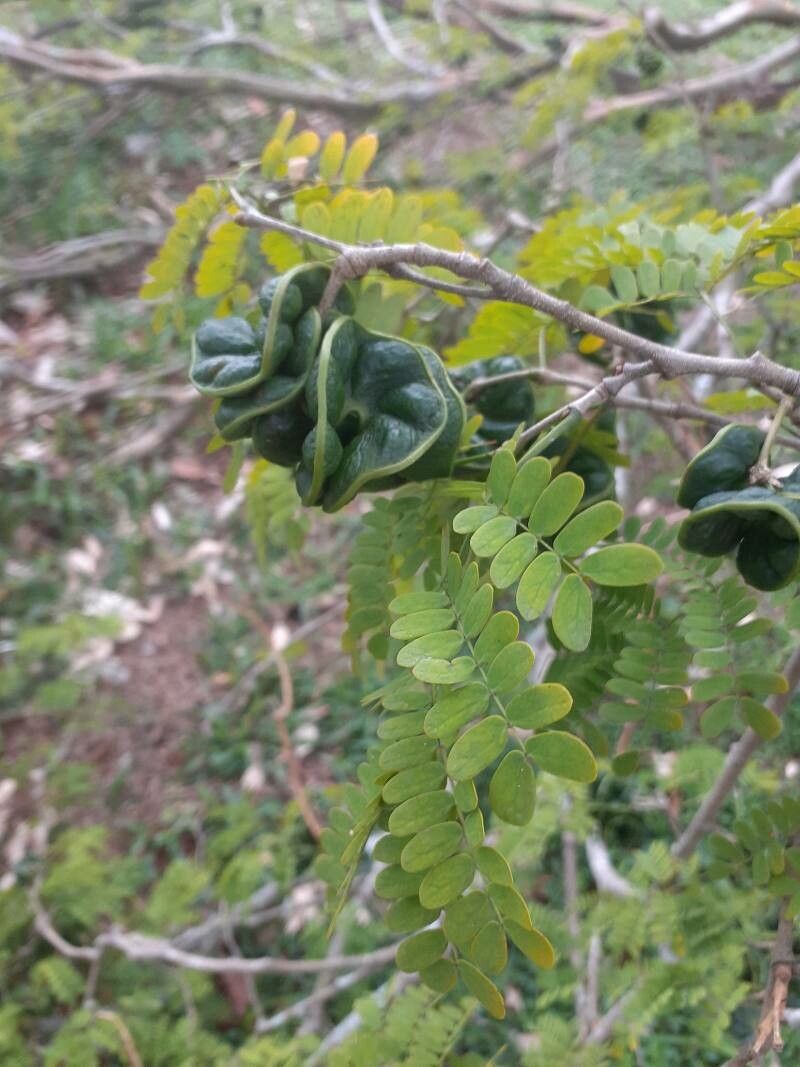
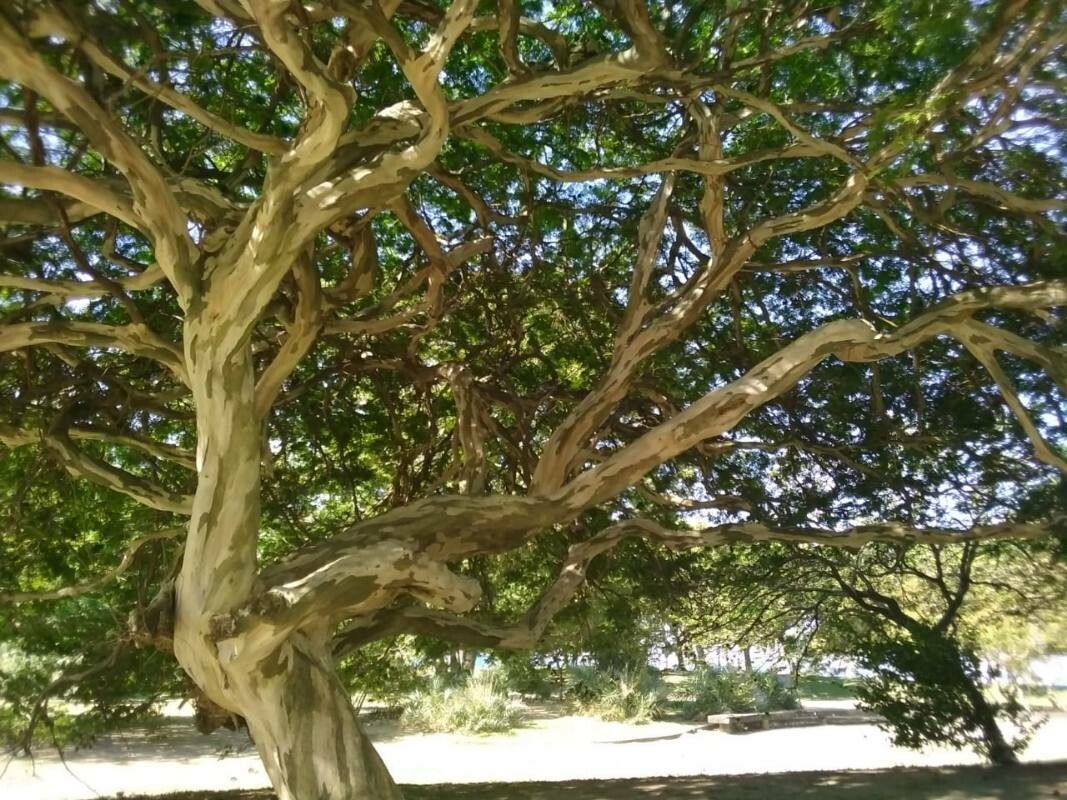
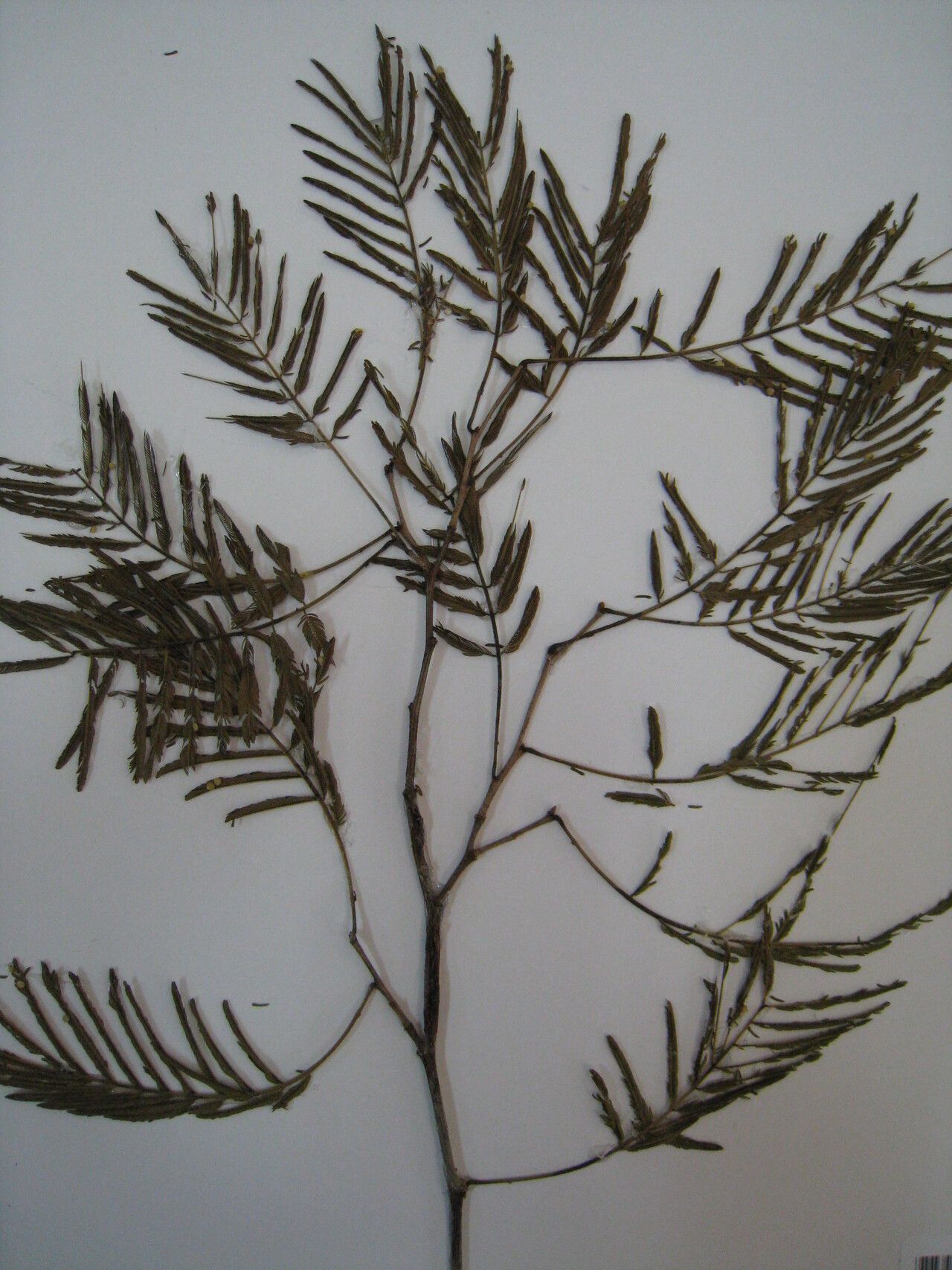
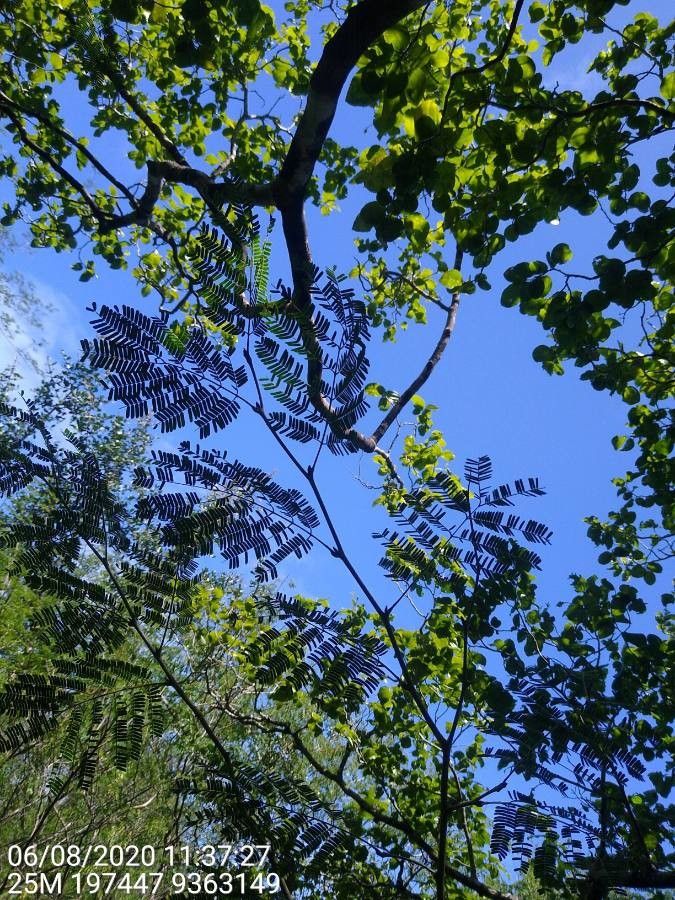
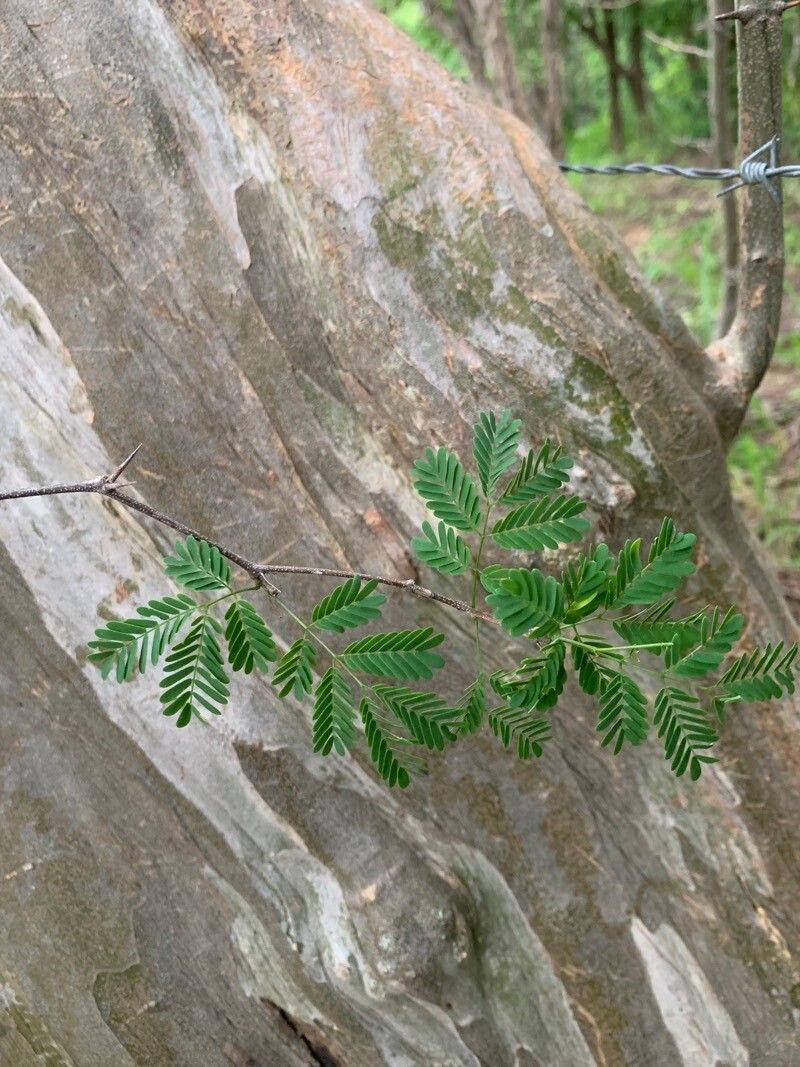
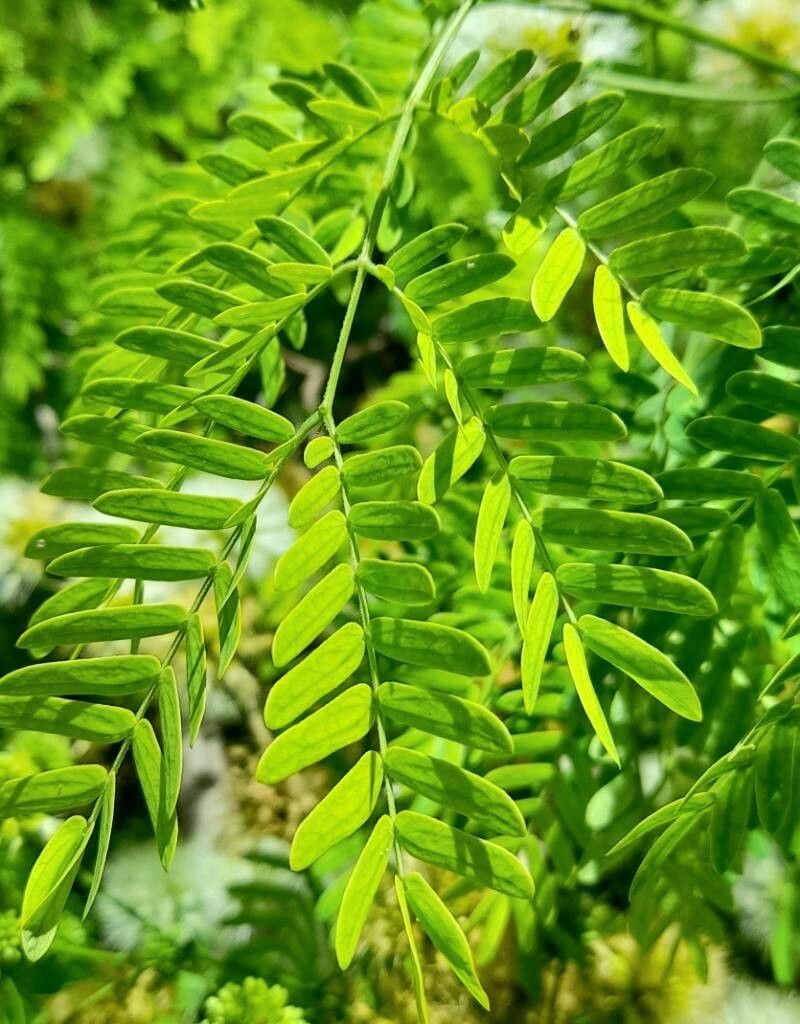
Chloroleucon tortum, a tree species from the Fabaceae family, is native to Central and South America and is commonly known as the "white leadtree" because of its white bark and lead-colored wood. The tree can reach a height of up to 20 meters, featuring a broad crown of branches and small, oval-shaped green leaves. Its small white flowers bloom in clusters during the rainy season, followed by flat pods that contain several seeds.
Chloroleucon tortum has numerous uses, including traditional medicine and timber production, thanks to its hard, decay-resistant wood. Ecologically, it plays a significant role by providing habitat for a variety of bird and insect species.
The plant thrives in well-drained soils with ample sunlight but can also tolerate some shade. It typically grows along riverbanks or in other high-moisture areas but can be cultivated for ornamental use or reforestation projects.
Overall, Chloroleucon tortum is a species of considerable cultural and ecological importance throughout its native range in Central and South America.
The Brazilian raintree shows strong resistance to disease and is generally unlikely to be affected by illnesses. As for upkeep, this plant is fairly low-maintenance. Planted outdoors, it needs only minimal watering, and larger specimens typically do not require pruning. Smaller plants, however, should be pruned after they finish blooming. The Brazilian raintree is a good choice for anyone with an outdoor area—like a garden or deck—and does not demand extensive care experience.
How to keep Chloroleucon Tortum.
Light
The Brazilian raintree is native to open habitats, such as sunny meadows and forest margins, which provide abundant light. It performs best in Full Sun but can also tolerate Partial Sun, showing adaptability to various light conditions.
Water
The Brazilian rain tree flourishes in tropical climates because it requires consistent moisture and high humidity. While it can tolerate moderate drought, it thrives with weekly watering and benefits from misting during the growing season to imitate its natural habitat. This makes it an ideal choice for indoor ornamental use.
Temperature
The Brazilian raintree comes from tropical areas, where the climate is generally warm and humid. Consequently, it is adapted to high temperatures and humidity. It does not tolerate sudden temperature changes and prefers a stable thermal environment, so avoiding indoor temperature fluctuations is important. It typically cannot withstand cold conditions and needs warmer temperatures to grow. If the surrounding temperature falls too low, the plant may stop growing or even die.
Fertilizer
The best time to fertilize a Brazilian raintree is in early spring as it breaks dormancy. This supports overall growth and encourages flower development. Fertilization improves the foliage, stems, and branches, while encouraging large, vibrant, and long-lasting flowers. It helps move nutrients from the roots to the flowers and enhances the plant's health and resistance to disease.
Pruning
The Brazilian raintree features finely divided leaves and a twisting trunk. For optimal health, prune the tree between early and late winter. Focus on removing weak branches and thinning out crowded areas to improve air circulation. To minimize stress on the tree, avoid heavy pruning. Always use sterile tools, and provide appropriate aftercare to ensure healthy growth.
Botanical profile.
- Plant Type
- Tree
- Life Cycle
- Perennial
- Genus
- Chloroleucon
- Family
- Fabaceae
- Hardiness Zone
- 9-11
- Mature Height
- 10.06 m to 14.94 m
- Mature Spread
- 7.92 m to 11.89 m
- Leaf Color
- Green, Dark Green
- Leaf Type
- Evergreen
- Flower Color
- White
- Flower Size
- 1.02 cm to 2.03 cm
- Bloom Time
- Mid spring, Late spring, Early summer
- Planting Time
- Spring, Summer
- Harvest Time
- Mid summer, Late summer, Early fall
- Native Area
- Brazil
Other names.