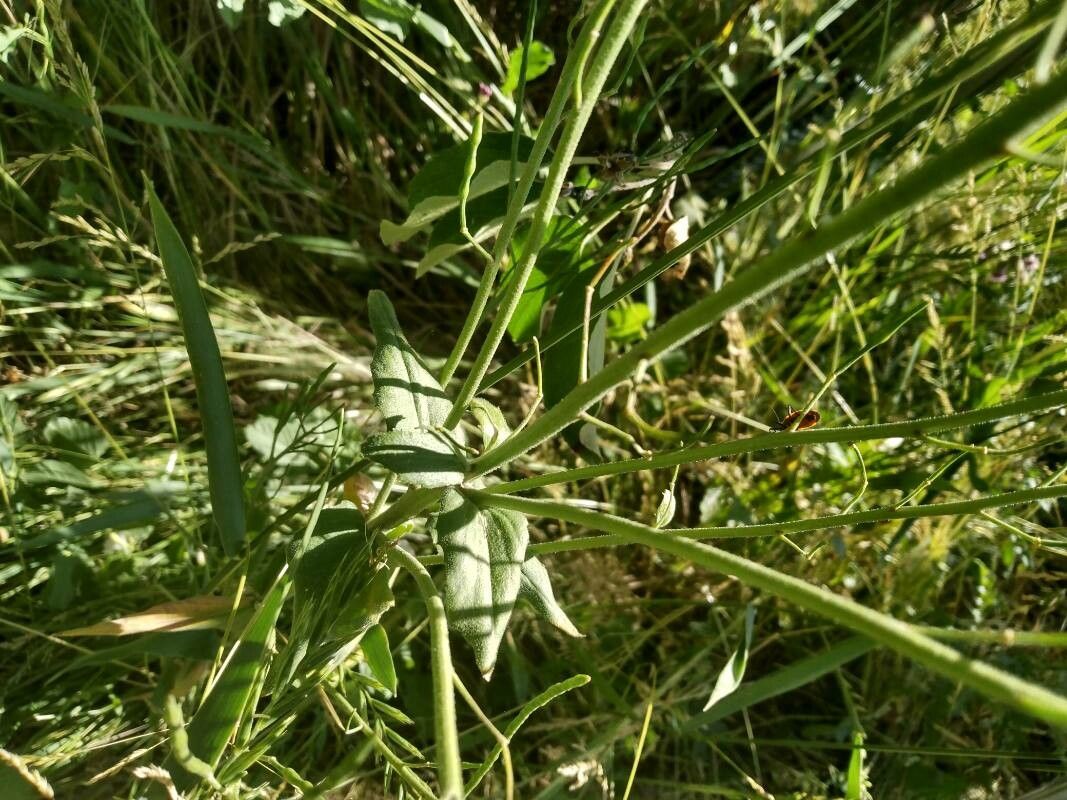
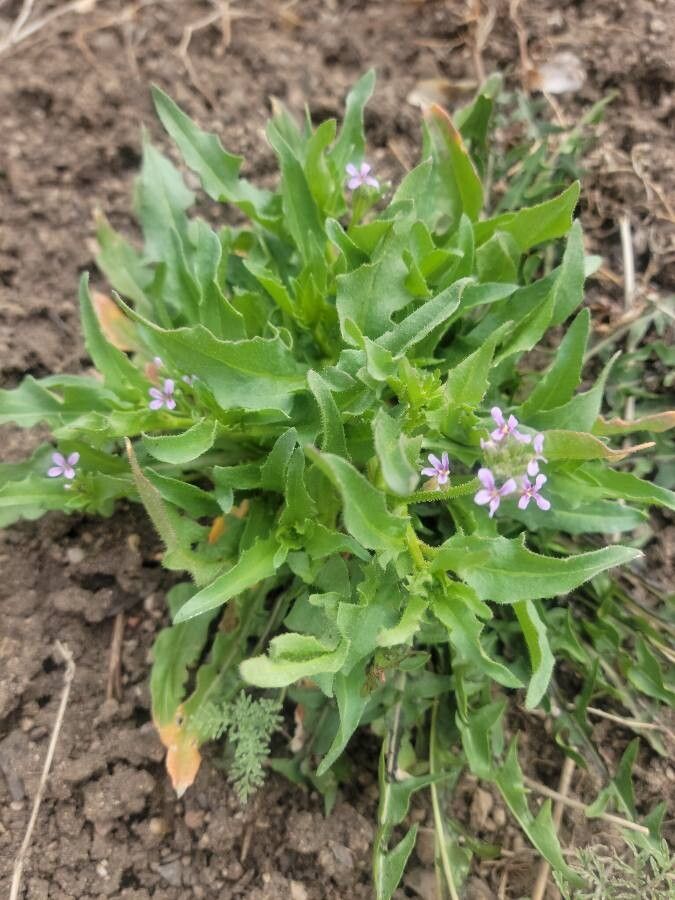
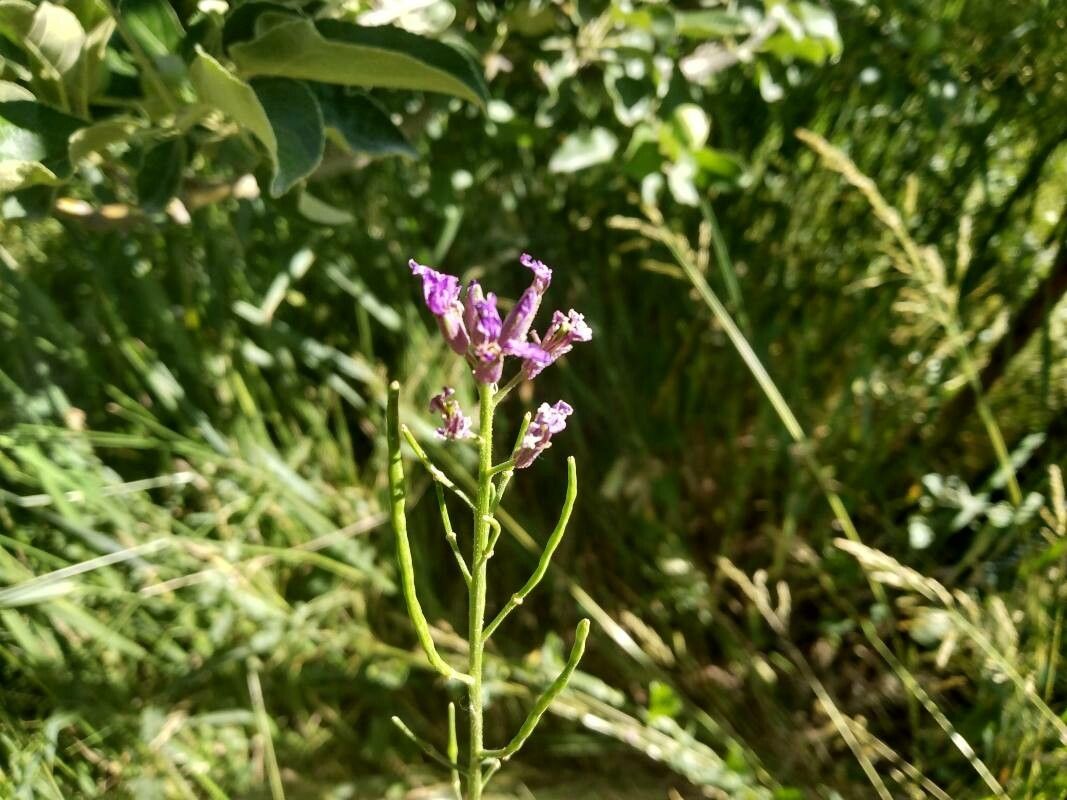
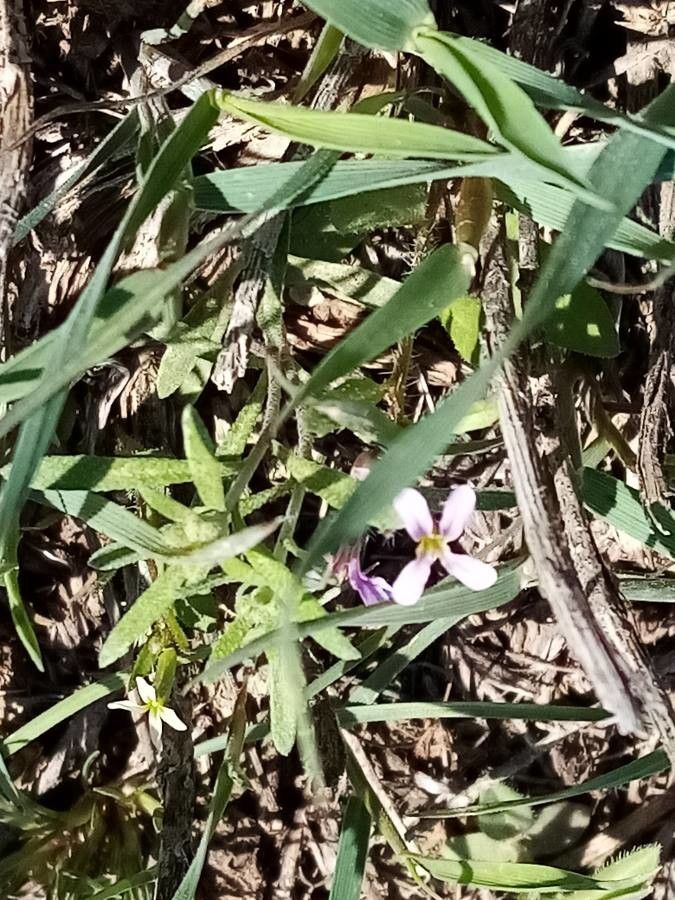
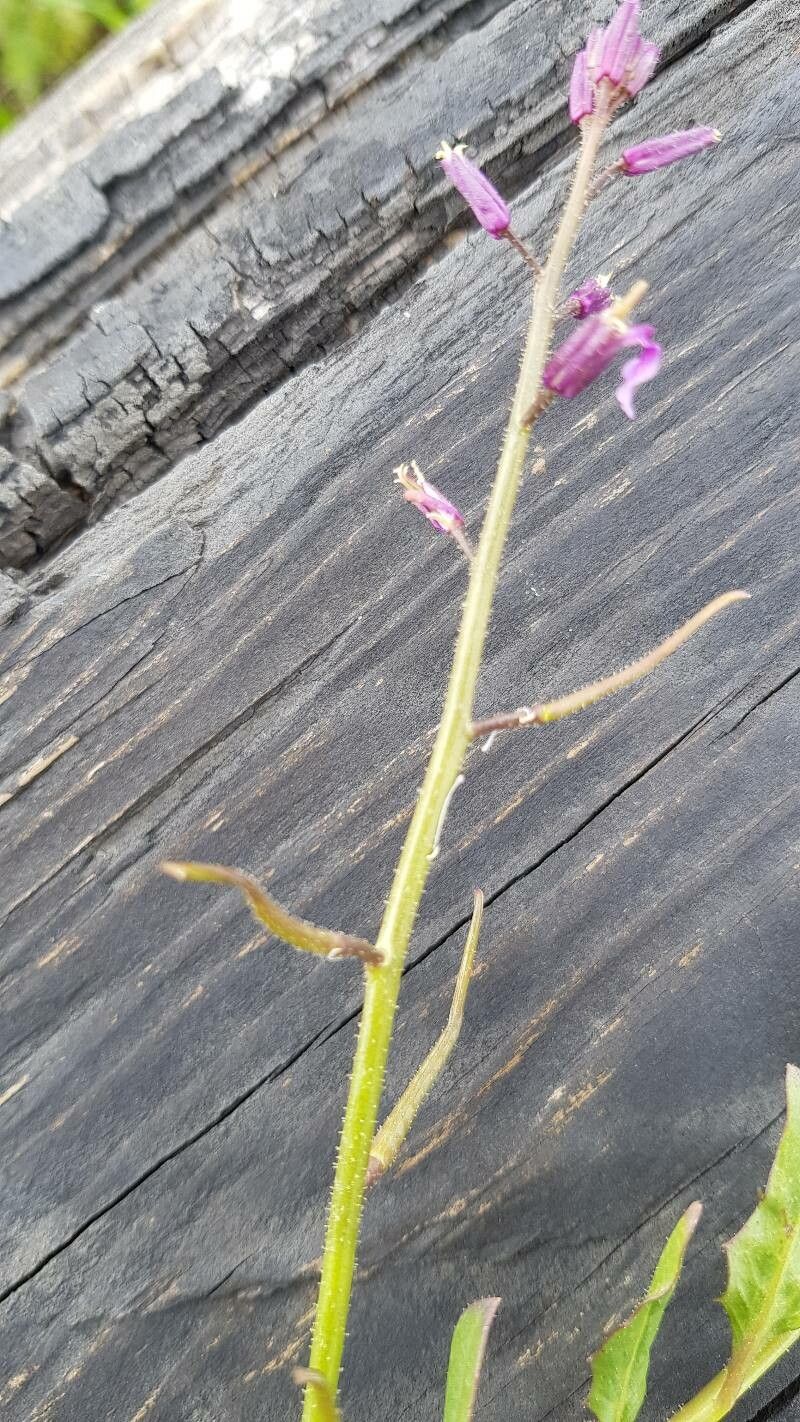
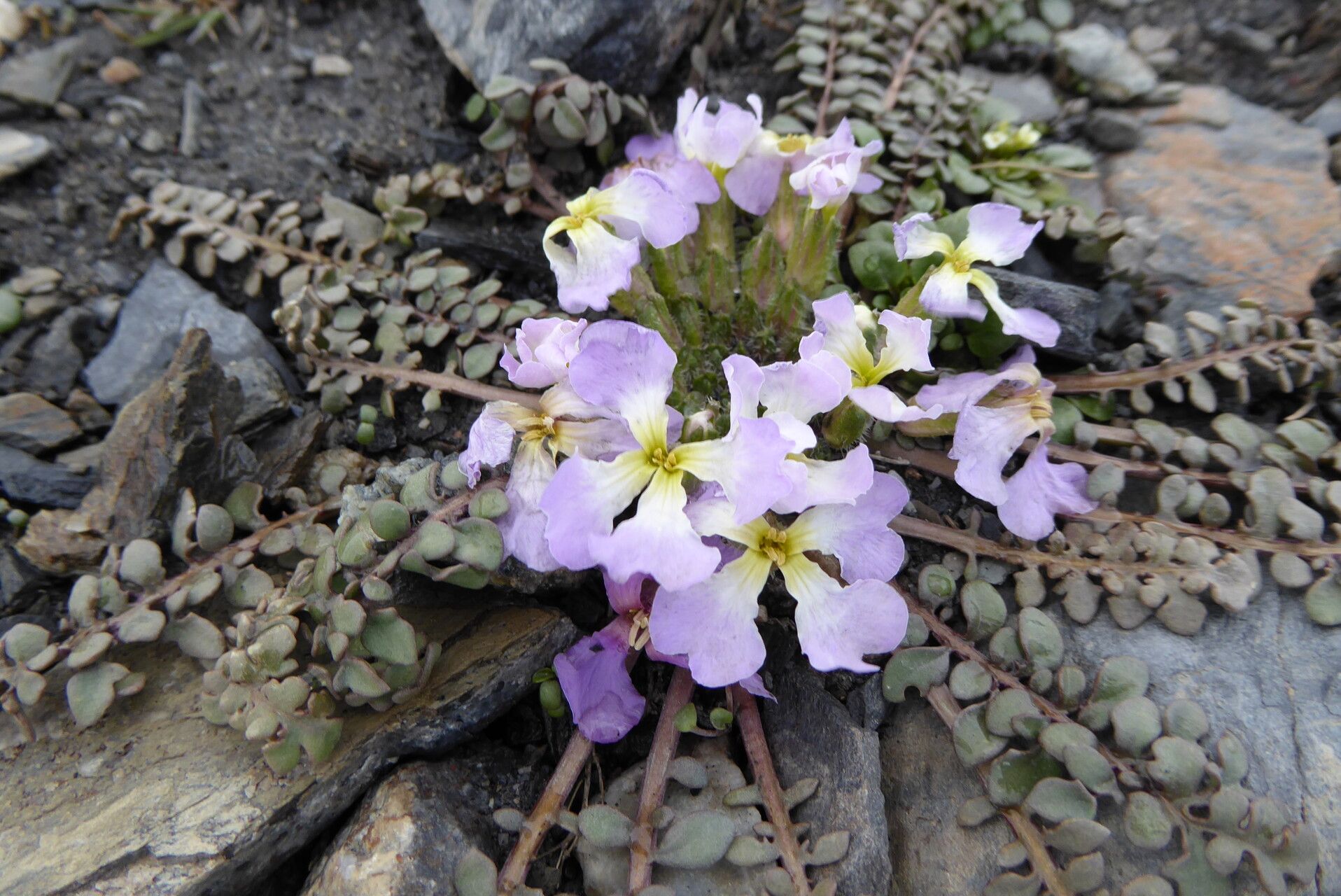
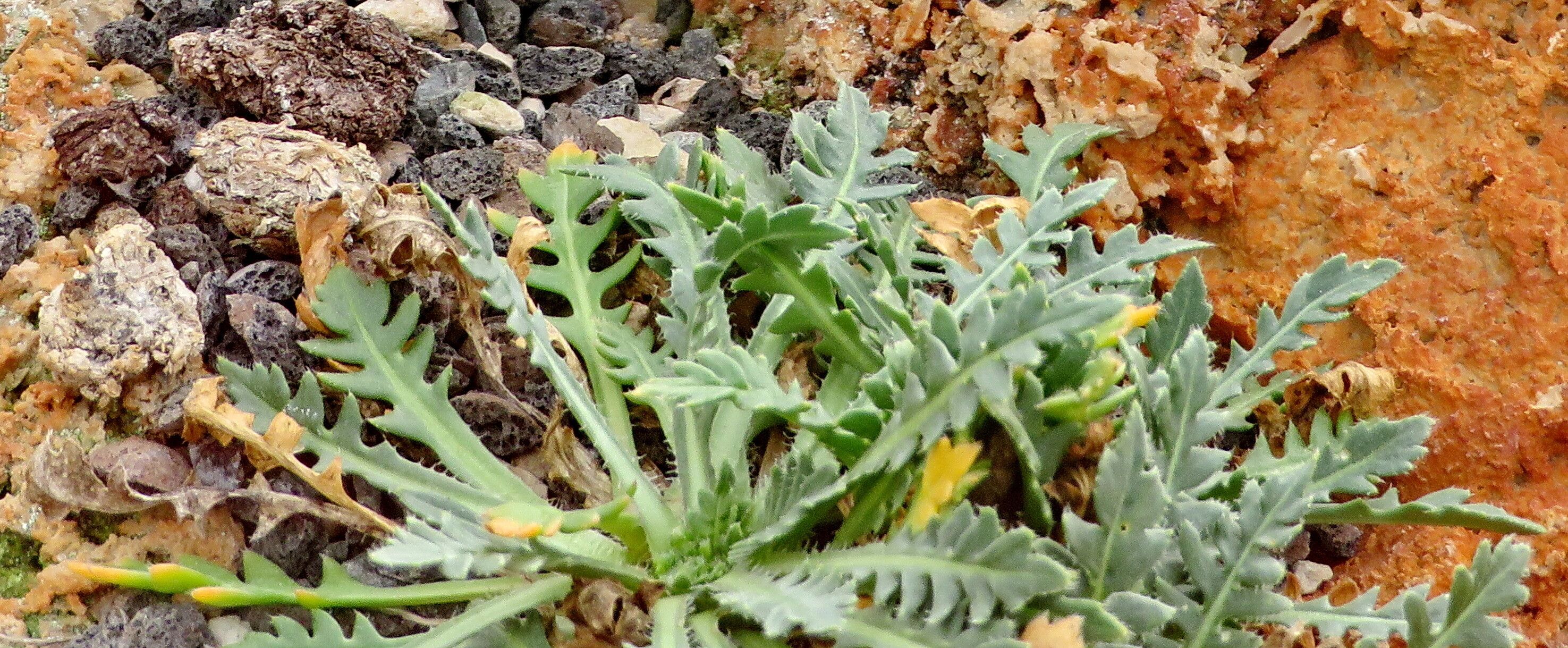
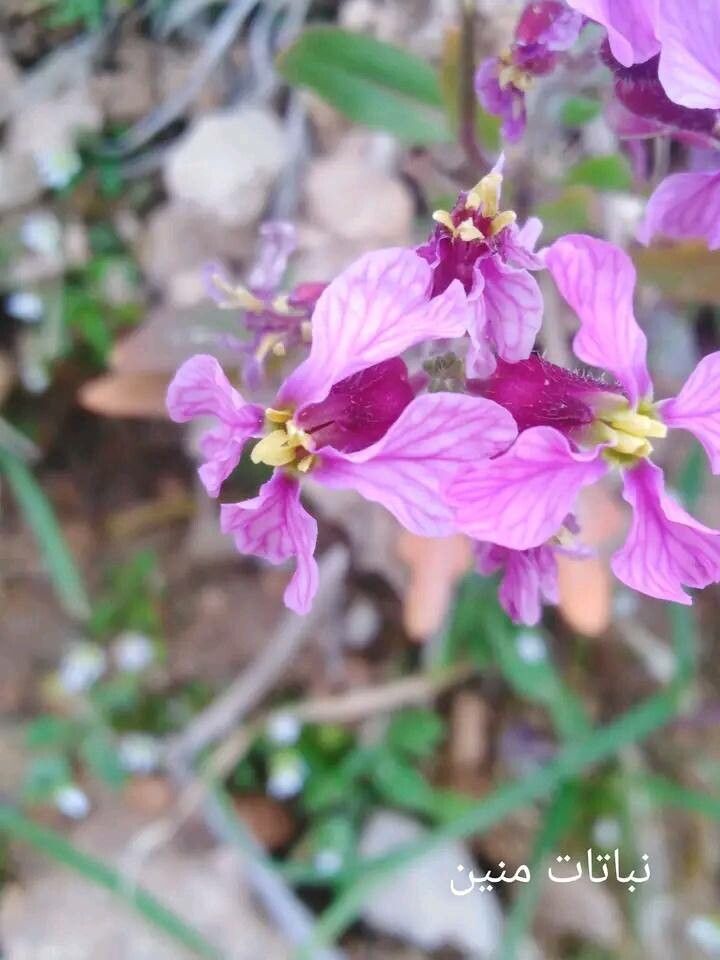
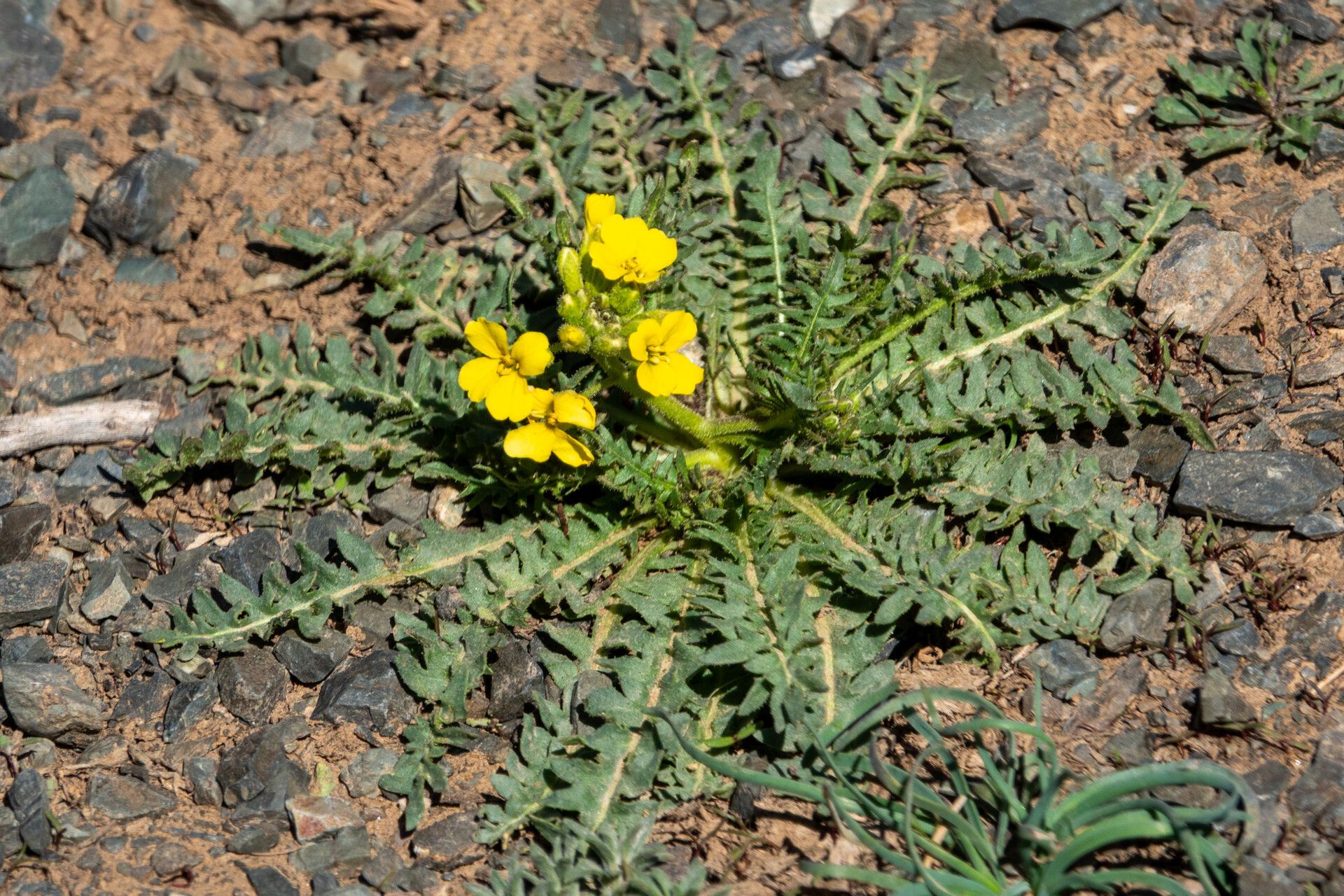
Chorispora tenella, commonly known as the blue mustard plant, is a small annual herb belonging to the Brassicaceae family. Native to Central Asia, this plant can also be found across various regions of Europe and North America. It typically grows up to 30 cm in height, featuring a slender stem with deeply lobed, small leaves.
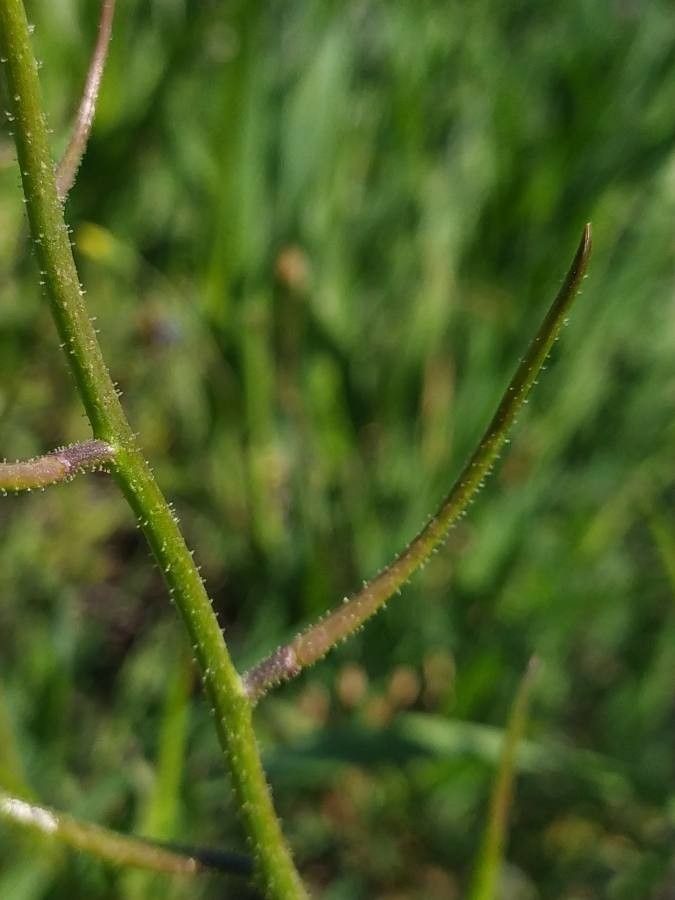
The blue mustard plant produces bright blue-purple flowers with four petals, which bloom from April to June. These flowers are followed by long, narrow seed pods that contain numerous seeds.
Preferring well-drained soils in full sun or partial shade, the blue mustard plant is tolerant of drought conditions. It is frequently found in disturbed areas such as roadsides, fields, and waste areas.
The leaves of Chorispora tenella have been used in traditional medicine to treat various ailments, including fever, coughs, colds, and headaches. Additionally, the seeds of this species are valued for their high oil content and have been used as a food source.
Despite its invasive tendencies in some regions outside its native range, the blue mustard plant remains ecologically significant. It provides an important food source for pollinators like bees during early spring when other plants have not yet bloomed.
Botanical profile.
- Plant Type
- Herb
- Life Cycle
- Annual
- Genus
- Chorispora
- Family
- Brassicaceae
- Hardiness Zone
- 7-10
- Mature Height
- 5 cm to 30 cm
- Mature Spread
- 15 cm to 25 cm
- Leaf Color
- Green
- Leaf Type
- Deciduous
- Flower Color
- Pink, Purple
- Flower Size
- 1.27 cm
- Bloom Time
- Mid spring, Late spring, Early summer
- Planting Time
- Spring
- Harvest Time
- Early summer, Mid summer
- Native Area
- India, Turkey, Slovakia, Pakistan, Croatia, Slovenia, Belarus, Uzbekistan, Russia, Iraq, Romania, Tajikistan, Bulgaria, Armenia, China, Afghanistan, Syria, Kyrgyzstan, Kazakhstan, Mongolia, Iran, Azerbaijan, Hungary, Turkmenistan
Other names.