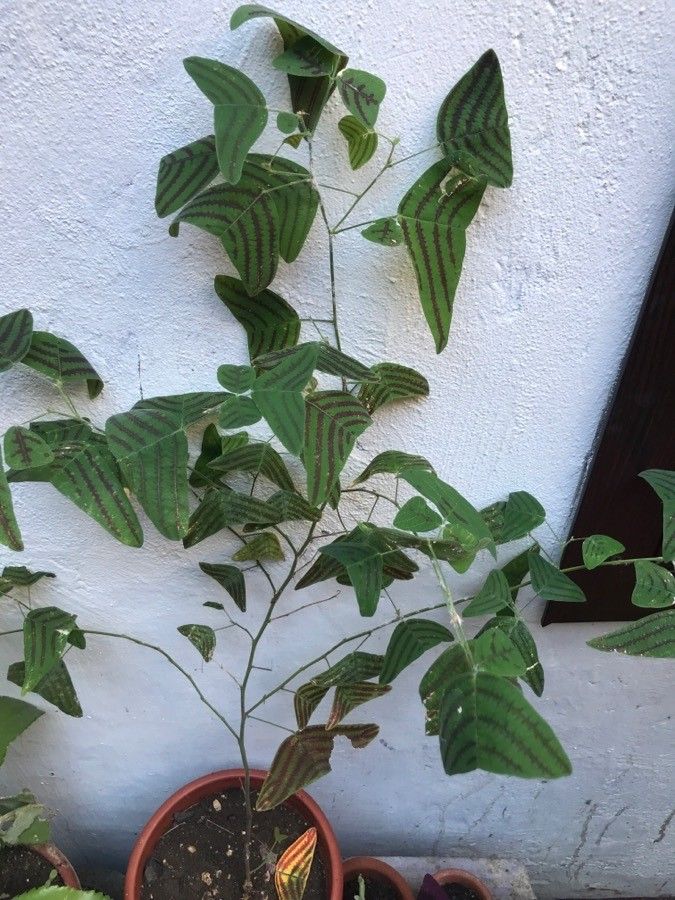
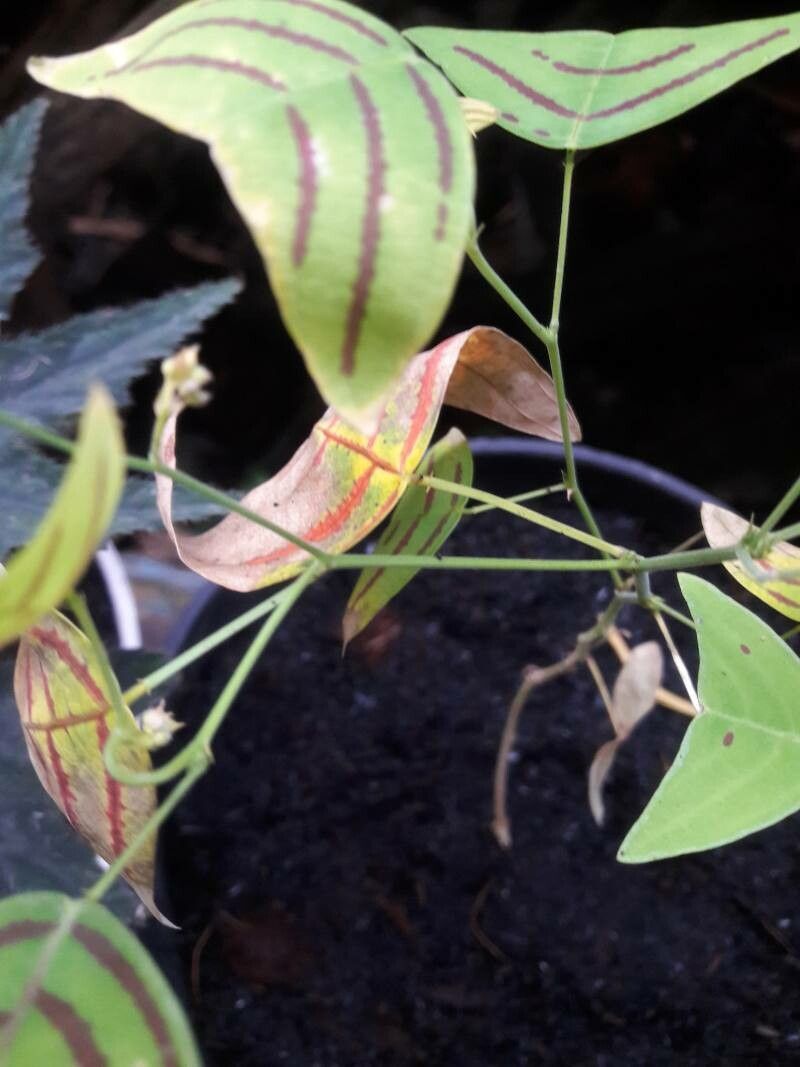
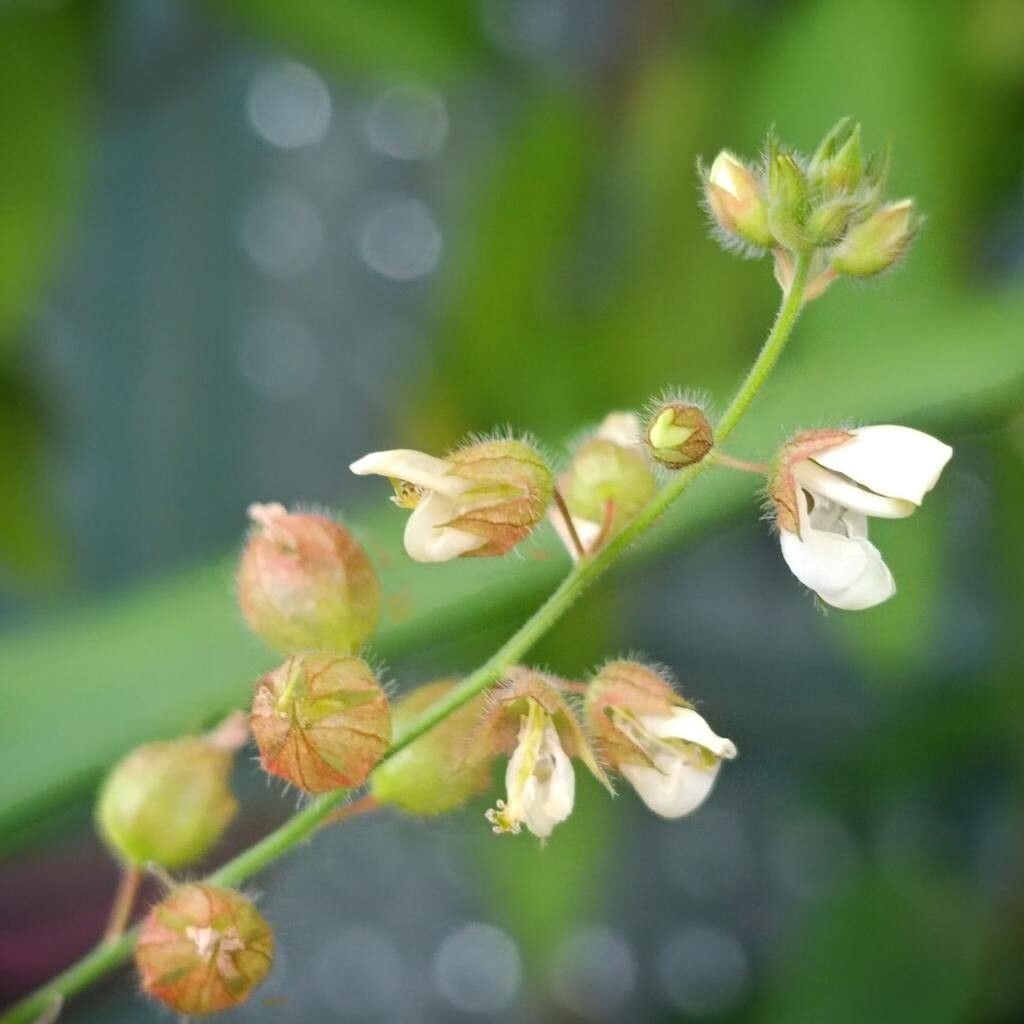
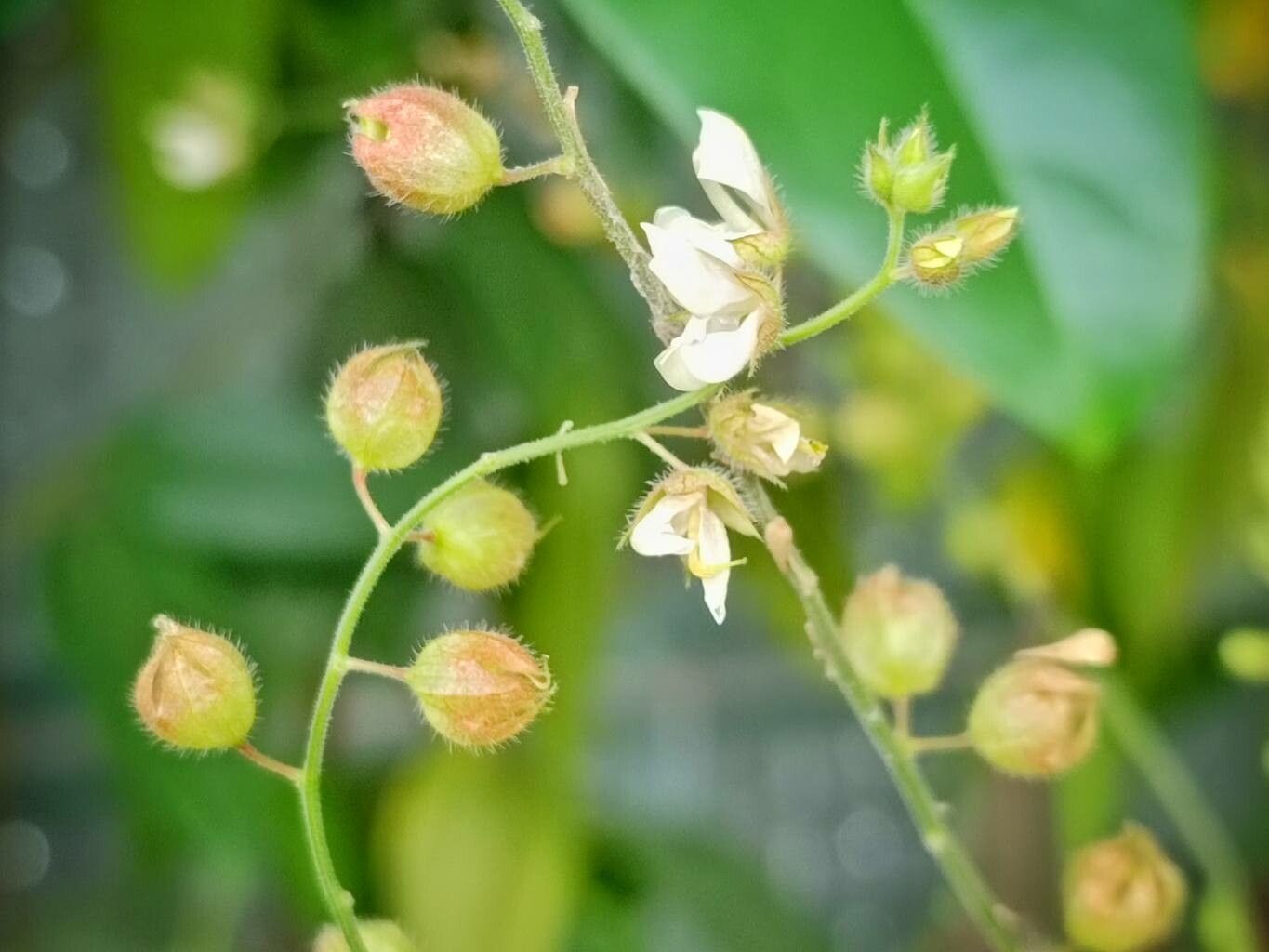
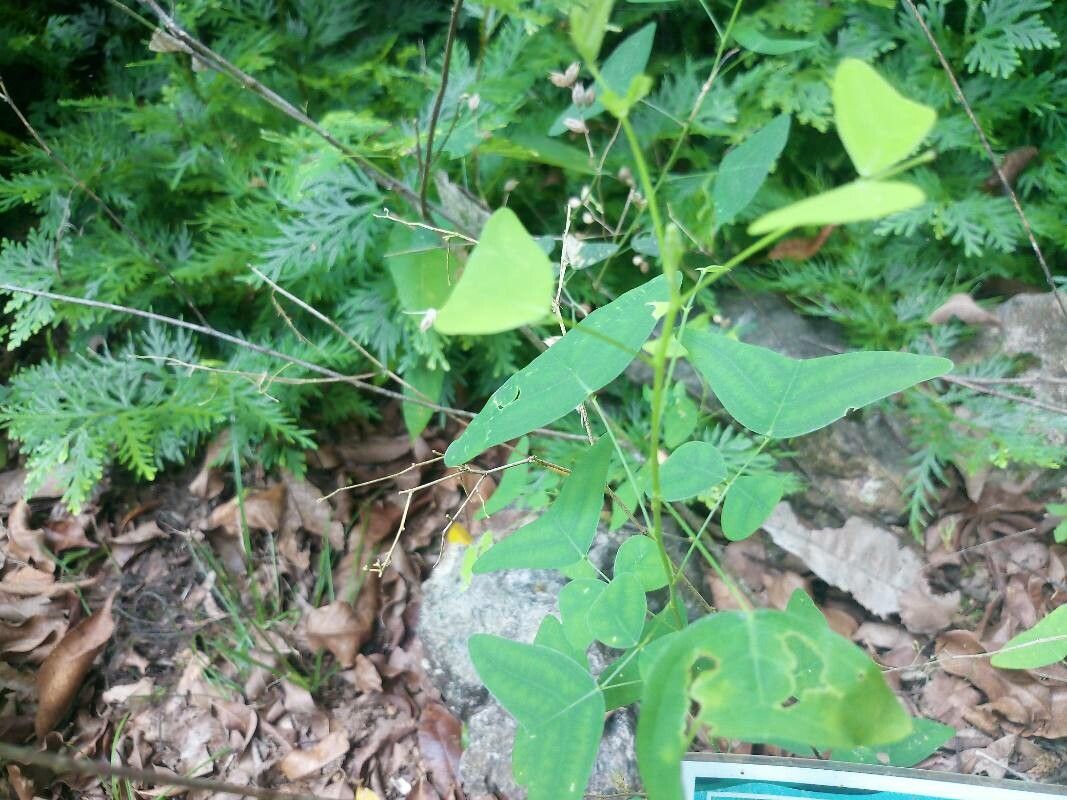
Christia obcordata, commonly known as the butterfly pea or blue pea, is a tropical plant native to Southeast Asia and the Pacific Islands. Belonging to the family Fabaceae, this plant can grow as a vine or shrub, reaching up to 3 meters in height. It features delicate blue flowers that resemble butterflies in flight.
The butterfly pea has been valued for centuries in traditional medicine for its numerous health benefits. It is rich in antioxidants, which help protect against free radicals that can damage cells and lead to disease. Additionally, the plant possesses anti-inflammatory properties, aiding in the reduction of inflammation throughout the body.
Beyond its medicinal applications, Christia obcordata is also utilized in culinary practices. Its vibrant blue flowers are often used to make tea or serve as a natural food coloring agent.
Overall, Christia obcordata is a fascinating and versatile plant, offering a range of uses both medicinally and culinarily.
Swallow tail is fairly resistant to disease and generally does not commonly fall ill. However, it can be vulnerable to pests and diseases present in its environment, though these issues are usually minor. For care, this plant needs moderate maintenance. It should be pruned regularly to keep a neat appearance and support healthy growth. Fertilizing can also encourage more flowering. Swallow tail is appropriate for anyone with outdoor space, such as a garden or patio, and does not demand extensive experience in plant care. It may need more attention when kept indoors.
How to keep Christia Obcordata.
Light
Swallow tail grows best with plentiful sunlight, but it can also tolerate moderate to low light levels. Excessive or insufficient sun can affect its health and development. The habitat where it originated has variable light conditions, which further help it adjust to different lighting situations.
Water
The swallow tail plant thrives in high humidity due to its tropical origins, which help it retain moisture. To ensure its health, it requires consistent watering twice a week. As an indoor plant with decorative leaves, the swallow tail benefits from an environment with ambient humidity similar to its natural habitat. Frequent misting is also advantageous to help maintain the moisture levels it prefers.
Humidity
This plant will thrive in moderate humidity, which is probably the level in your home. However, misting it a few times a week can be very beneficial. Make sure the room has good ventilation.
Temperature
Swallow tail is best suited to a moderate climate, flourishing at temperatures between 68 and 100.4 °F (20 and 38 °C). It prefers warm, slightly humid conditions, being native to a temperate growing environment. Seasonal temperature adjustments may need to be applied to maintain its health.
Fertilizer
Proper fertilization is essential for Swallow tail's health and appearance. Apply fertilizer during the summer, repeating the treatment every month throughout the season. The nutrients support growth and preserve the plant's tissues. Fertilizing boosts Swallow tail's flower display, ensuring the finest blooms.
Pruning
To ensure the swallowtail plant thrives, it is important to prune it regularly from early to late spring. Trim back any leggy or dead stems to encourage growth, improve airflow, and maintain an attractive shape. Always use clean, sharp tools to prevent disease and promote vibrant foliage. This practice not only enhances the plant's appearance but also invigorates its overall health.
Pot & Repot
When repotting Swallow tail, choose a pot 1–2 inches (2.5–5.1 cm) larger that provides ample drainage. Use a well-draining potting mix. Repot in spring or fall, making sure the root ball sits slightly lower than the rim of the flower pot. Water thoroughly after repotting and place it in a warm spot with indirect sunlight.
Botanical profile.
- Plant Type
- Herb
- Life Cycle
- Perennial
- Genus
- Christia
- Family
- Fabaceae
- Hardiness Zone
- 11-12
- Mature Height
- 61 cm
- Mature Spread
- 61 cm
- Leaf Color
- Light Green, Pale Green
- Leaf Type
- Evergreen
- Flower Color
- Pink, White
- Flower Size
- 2.54 cm
- Bloom Time
- Summer, Early fall, Mid fall
- Planting Time
- Spring, Summer, Autumn
- Harvest Time
- Late summer, Fall, Early winter
- Native Area
- India, Indonesia, Cambodia, Vietnam, Myanmar, Japan, Philippines, Bhutan, Bangladesh, Laos, Thailand, China
Other names.
Reader questions.
What are the sunlight requirements for Swallow Tail (Christia obcordata)?
Swallow Tail, with its botanical name Christia obcordata, thrives best in full sun, requiring more than 6 hours of sunlight daily. It can also adapt to partial sun or full shade conditions, which means about 3-6 hours of sunlight. It's essential to observe the movement of sunlight through your garden to find spots that offer the right balance of light for your plants, ensuring they grow happily and healthily.
What is the ideal temperature range for Swallow tail plants?
Swallow tail plants thrive best in a moderate climatic range, with ideal temperatures between 68 to 100.4 °F (20 to 38 °C). They prefer warm and slightly humid conditions that mimic their native temperate growth environment. It's crucial to make seasonal temperature adjustments to maintain the plant's health, especially since Swallow tail plants are extremely sensitive to the cold. During winter, it's recommended to keep the plants indoors with temperatures above 20°C to promote growth, while ensuring the temperatures do not drop to or below 10°C to avoid harm.
How does artificial lighting affect Swallow Tail plants indoors?
For indoor Swallow Tail plants, when natural sunlight is insufficient, especially during winter or in less sunny spaces, artificial lighting becomes crucial. It promotes healthy growth by providing the light needed. LED lights are recommended because they can be adjusted to emit specific wavelengths beneficial for the plant. For full sun plants, 30-50W per square foot is advised; for partial sun plants, 20-30W; and for full shade plants, 10-20W. The light source should be placed 12-36 inches above the plant, mimicking natural sunlight's distance, and kept on for 8-12 hours a day, depending on the plant species' needs.
How should Swallow tail plants be cared for in cold temperatures?
Swallow tail plants, being intolerant of low temperatures, show optimal growth when the temperature is maintained above 20°C. In winter, it's crucial to ensure the temperature stays above 10°C to prevent damage. Exposure to temperatures below 5°C may lead to the leaves lightening in color, and frost can cause the leaves to turn brown or black, accompanied by wilting and drooping symptoms. To care for a cold-affected plant, trim off any frost-damaged parts and move it to a warmer indoor space. Placing it near a south-facing window ensures it receives ample sunlight, but keep it away from heaters or air conditioning vents to avoid air dryness.
What are the symptoms of light deficiency in Swallow Tail plants?
Symptoms of light deficiency in Swallow Tail plants include smaller new leaves compared to older ones, leggy or sparse growth where the spaces between leaves or stems elongate, causing a weak, sparse appearance, a quicker drop of older leaves to preserve energy, halted or no new growth as the plant enters survival mode due to insufficient light, paler new leaves indicating a lack of chlorophyll and essential nutrients, chlorosis or the loss of green leaf color turning yellow, sunscald which is damage from intense light exposure showing as pale or necrotic spots, leaf curling as a defense against excessive sunlight, wilting from loss of turgor pressure leading to droopy leaves and stems, and leaf scorching where leaf edges become brown, dry, and crispy from too much light.
What are the precautions for Swallow tail plants in high temperatures?
During the hotter months, it's important to keep Swallow tail plants' exposure to temperatures below 38°C to prevent stress. If temperatures rise above 43°C, the plants are at risk of sunburn, indicated by a lightening of leaf color and increased susceptibility to damage. To mitigate high-temperature effects, trim away any sunburned or dried parts of the plant and relocate it to a spot with shade, particularly during the intense midday and afternoon sun. Watering the plant in the early morning and evening helps in maintaining soil moisture, essential for the plant's well-being during hot conditions.
What are some solutions for Swallow Tail plants experiencing light deficiency?
To address light deficiency in Swallow Tail plants, for indoor conditions, gradually move plants to sunnier spots to achieve at least 6 hours of sunlight daily, using south-facing windows where possible. Artificial lighting, such as desk or ceiling lamps or professional grow lights, can supplement light for at least 8 hours daily. Outdoors, acclimatize plants to increased sunlight by moving them to brighter locations weekly, avoiding sudden changes to prevent sunburn. When obstructed by elements like trees, consider pruning to enhance sunlight penetration. For smaller plants that can be moved, transplant during their dormant period (late winter or early spring) to a sunnier location with ample light and good drainage. While parts of the plant damaged by light deficiency may not recover, new growth can flourish with improved light exposure.
What is the botanical name of Swallow tail, and what are its distinctive features?
The botanical name for Swallow tail is Christia obcordata. This plant is particularly noted for its preference for warm and slightly humid conditions, thriving best within temperatures ranging from 68 to 100.4 °F (20 to 38 °C). Its sensitivity to both cold and extreme heat requires careful temperature management to maintain its health. The distinctive climate preferences and care requirements emphasize its adaptation to temperate environments.