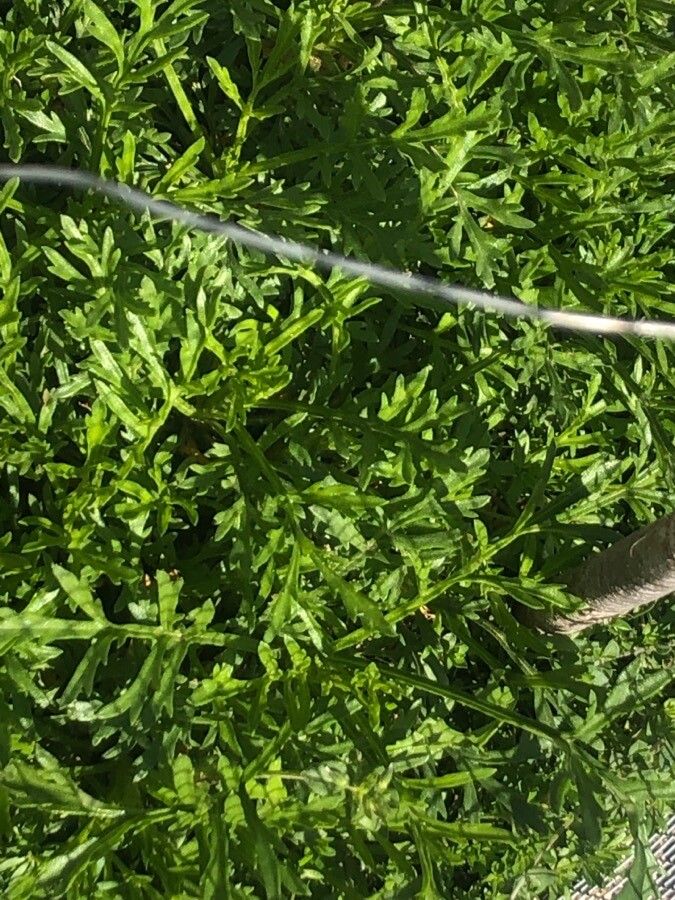
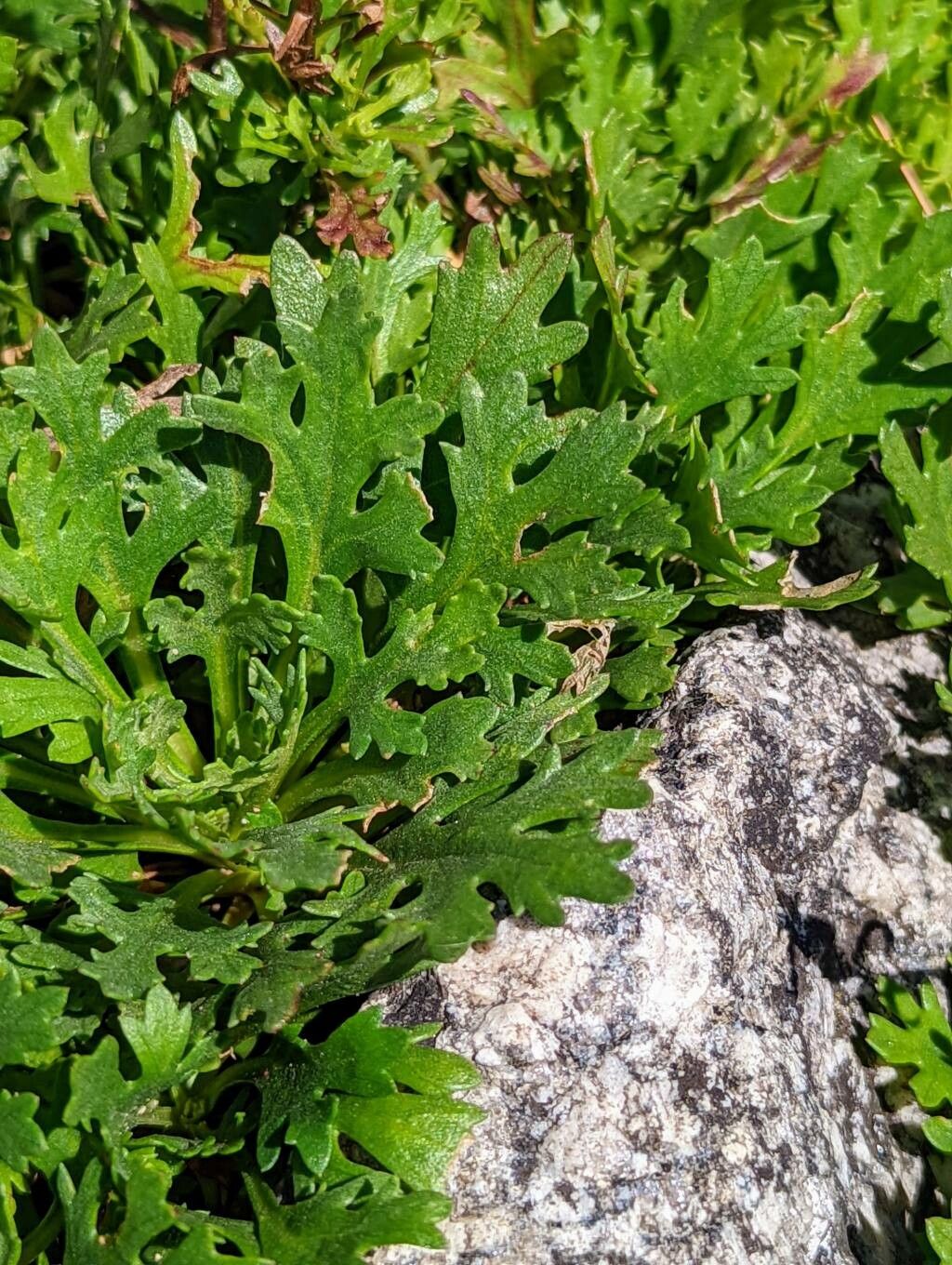
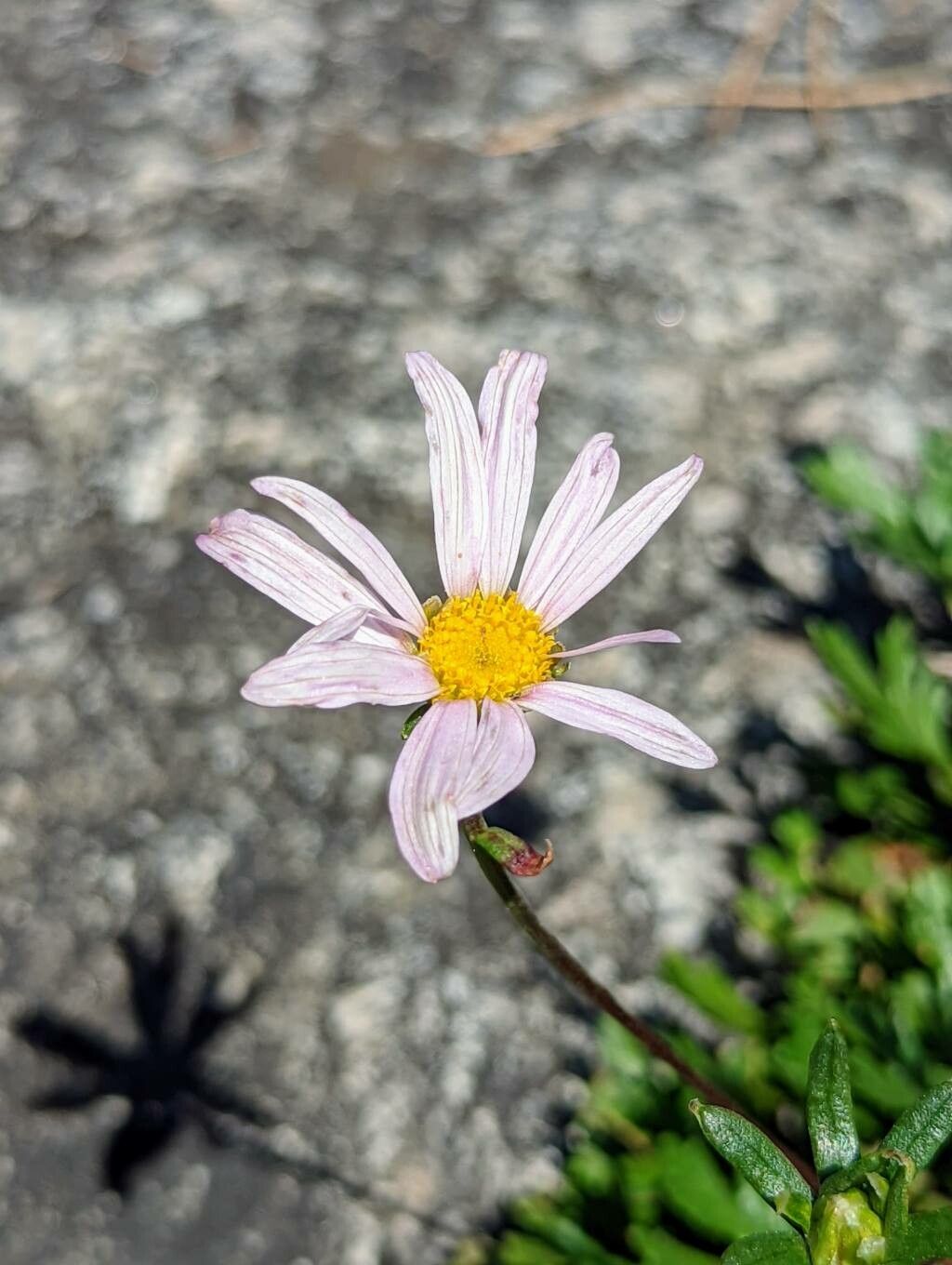
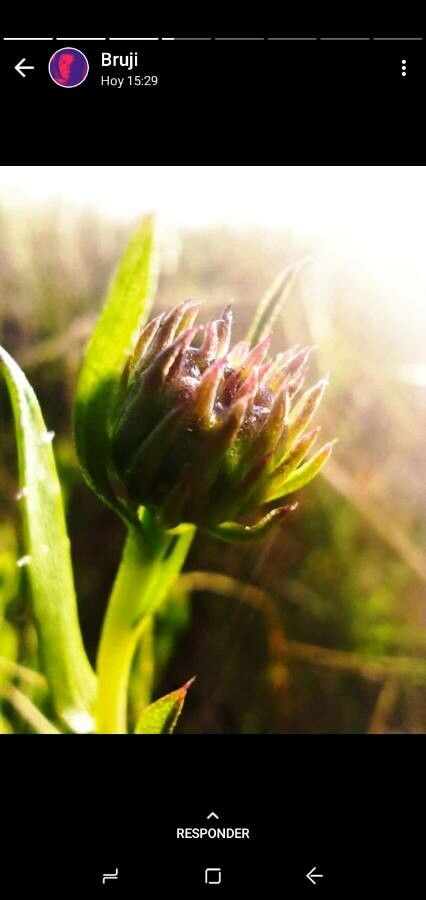
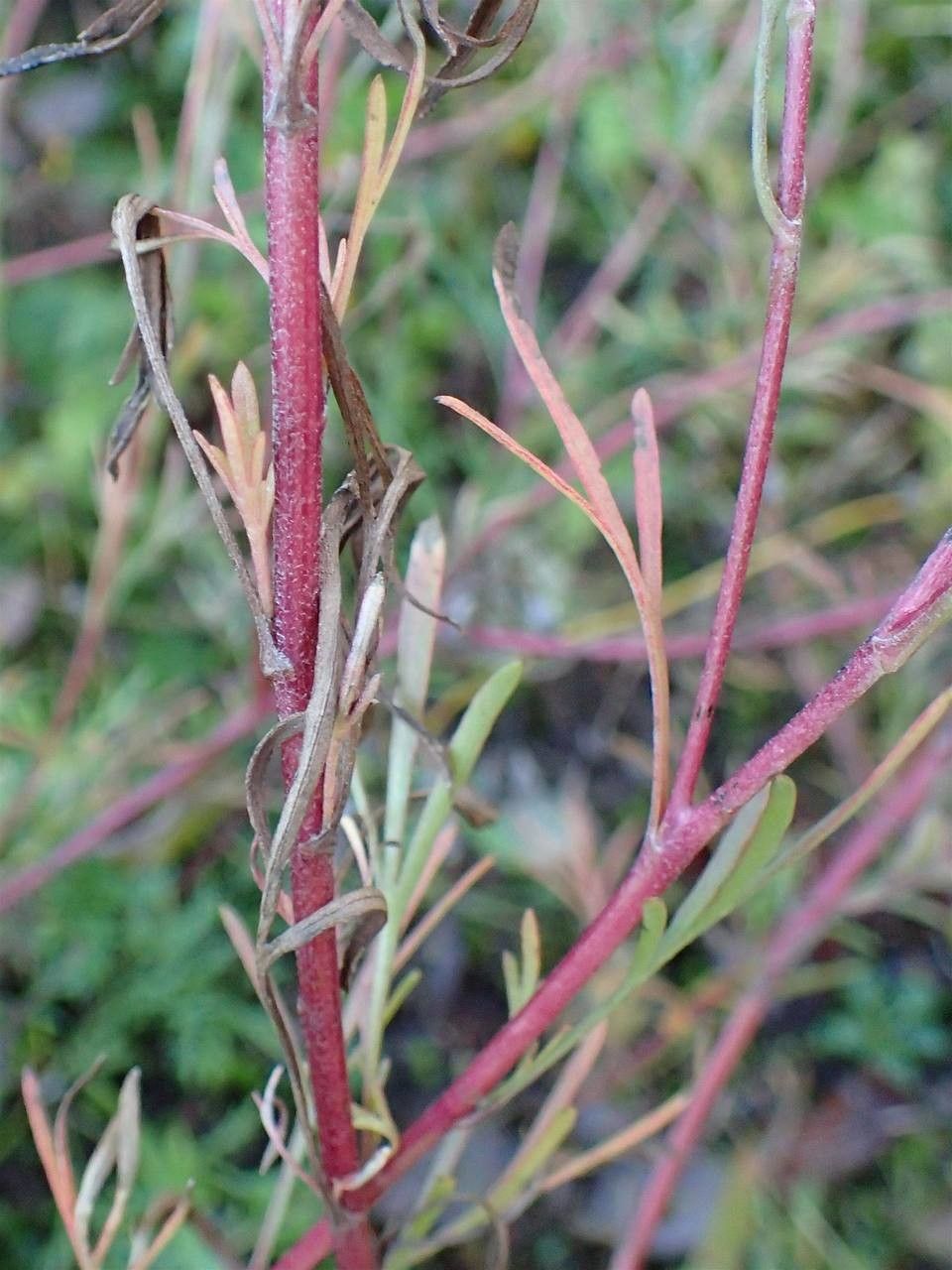
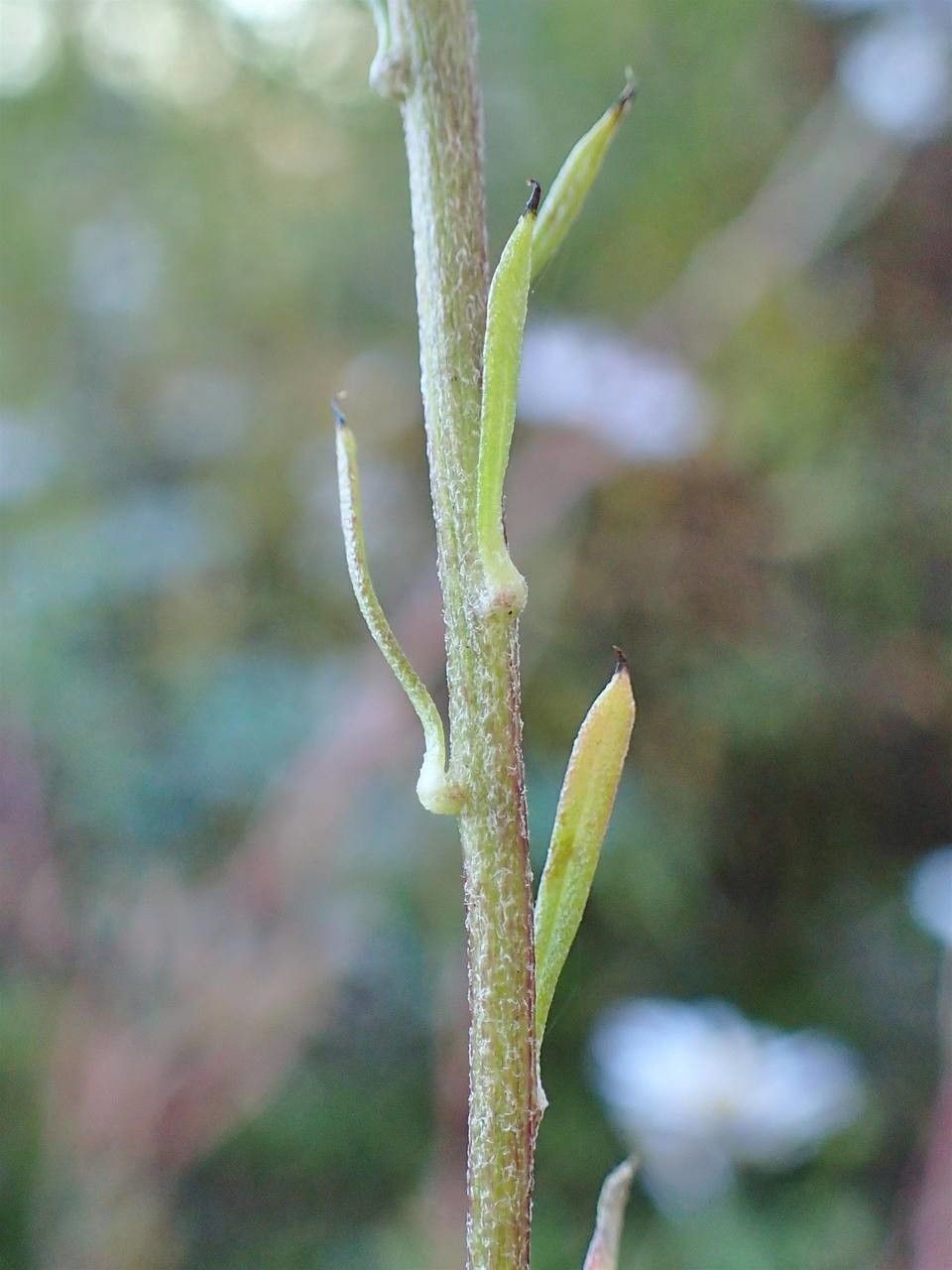
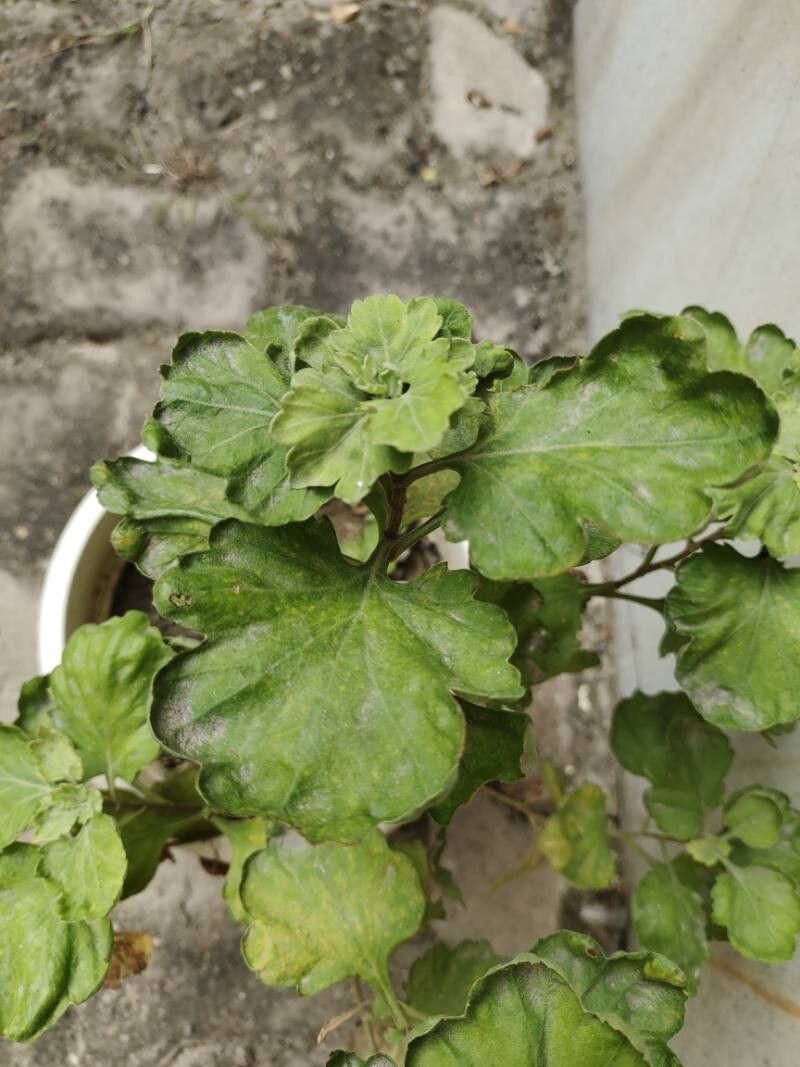
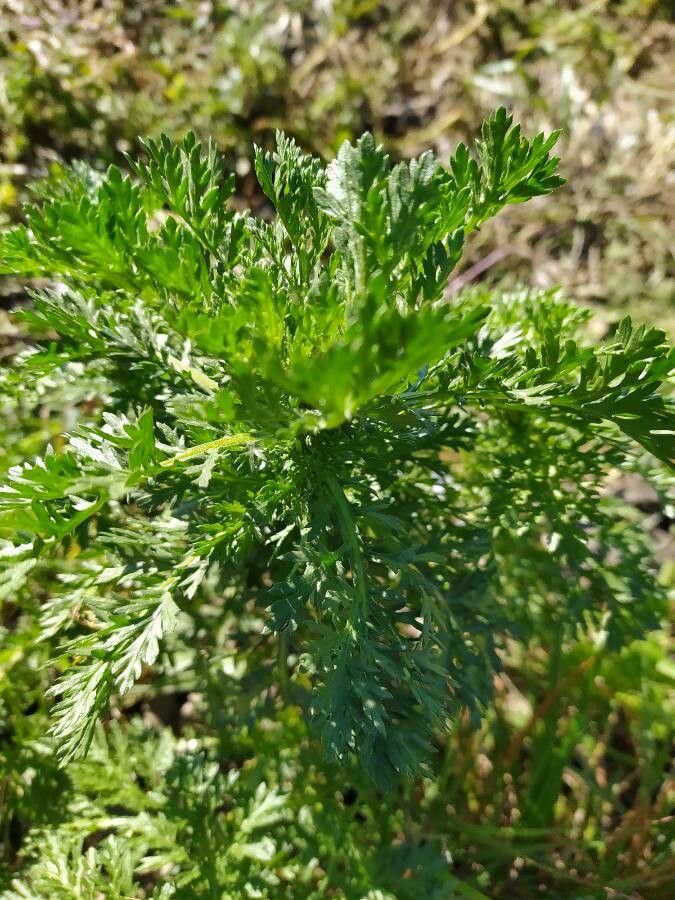
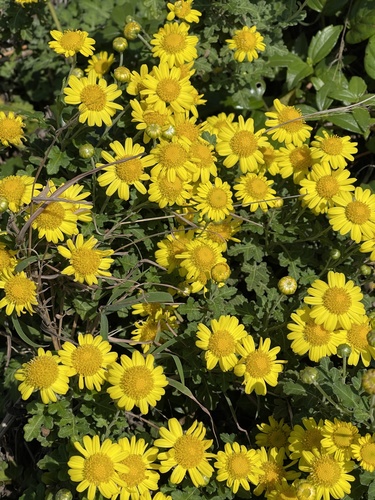
Chrysanthemum zawadskii is a species of perennial herb in the family Asteraceae. Individuals can grow to 15 cm tall.
Zawadski's chrysanthemum shows good resistance to disease and is generally not prone to illnesses. Still, it can be affected by pests and diseases present in its environment. These infections are typically not severe. In terms of maintenance, the plant requires a moderate amount of care. It should be pruned regularly to preserve a pleasing appearance and support healthy growth. Fertilizing can also help encourage flowering. Zawadski's chrysanthemum is suitable for anyone with outdoor space, such as a garden or patio, and does not demand extensive experience in plant care. It may need more attention if grown indoors.
How to keep Chrysanthemum Zawadskii.
Light
Originating from open habitats such as meadows and grasslands, Zawadski's chrysanthemum is a perennial herbaceous plant that has a preference for sunny locations. Although it thrives in areas with full sunlight, it can also adapt to places with partial sun exposure.
Water
Zawadski's chrysanthemum thrives in consistently humid conditions, so it requires regular watering during the spring, summer, and fall. Water the plant in the morning, focusing on the root zone to a depth of 15-20 cm (6-8 inches), and take care to avoid getting the foliage wet. Stop watering when the soil freezes in late fall or winter.
Humidity
This plant will thrive in moderate humidity, which is probably the level in your home. However, misting it a few times a week can be very beneficial. Make sure the room has good ventilation.
Temperature
Zawadski's chrysanthemum is adaptable to various temperature environments, but its spread could be constrained by different amalgamations of heat and water settings. The plant excels in hot weather throughout the summer, given sufficient rainfall or irrigation. Extended spells of overcast and wet weather, coupled with sustained high temperatures, could raise the possibility of Zawadski's chrysanthemum death. During winter, implementing appropriate safeguards against the cold could enhance the plant's likelihood of survival.
Fertilizer
Usually, a one-time application of fertilizer in spring is enough for Zawadski's chrysanthemum. However, to optimize growth, it can be fed multiple times, about once every one to one and a half months. Fertilization not only improves the aesthetic look and function of the leaves by ensuring consistent color and good texture, but it also encourages the growth of roots and the absorption of nutrients which contributes to the overall long-term wellbeing of the plant.
Pruning
To ensure that Zawadski's chrysanthemum thrives, start with early spring pruning to encourage growth and blooms. Trim away dead stems to maintain shape and promote good air circulation. Deadheading, or removing spent flowers, helps extend the blooming period. Regular pruning not only prevents diseases but also enhances the plant's vigor. For best results, always use clean, sharp tools to maintain optimal health and aesthetics.
Botanical profile.
- Plant Type
- Herb
- Life Cycle
- Perennial
- Hardiness Zone
- 3-9
- Mature Height
- 30 cm to 61 cm
- Mature Spread
- 30 cm to 46 cm
- Leaf Color
- Green, Dark Green
- Leaf Type
- Deciduous
- Flower Color
- White, Pink
- Flower Size
- 3.05 cm to 5.08 cm
- Bloom Time
- Late summer, Early fall, Mid fall
- Planting Time
- Autumn
- Harvest Time
- Mid fall, Late fall
Other names.
Reader questions.
What are the sunlight requirements for Zawadski's chrysanthemum?
Zawadski's chrysanthemum, scientifically known as Chrysanthemum zawadskii, thrives in conditions with specific sunlight requirements. For full sun exposure, the plant needs above 6 hours of sunlight daily. Alternatively, for partial sun, about 3-6 hours of sunlight per day is sufficient. It's important to observe the movement of sunlight through your garden to choose spots that offer the ideal balance between light and shade, ensuring the best conditions for the growth and happiness of your plants.
What is Zawadski's chrysanthemum?
Zawadski's chrysanthemum, scientifically known as Chrysanthemum zawadskii, is a species of chrysanthemum. Unfortunately, there isn't additional information provided here regarding its essentials, content, additional details, or symptoms suggesting it could be related to specific conditions or usages.